President Donald Trump has signed legislation that could let the White House slap tariffs of up to 100% on countries that keep buying Russian oil and gas, a move that raises the cost of doing business for India and China and could tighten global energy markets.
Trump Signs Russia Oil Tariff Law
The immediate economic significance is straightforward: Washington is turning Russia’s energy trade into a direct trade-war lever. If Trump chooses to use the law aggressively, importers of Russian crude would face a stark choice between continuing discounted energy purchases and risking punitive access to the U.S. market. For countries like India, which has leaned on Russian supplies since the war in Ukraine upended global oil flows, that could mean higher costs for exporters, more pressure on margins and a tougher balancing act for policymakers trying to keep inflation contained.
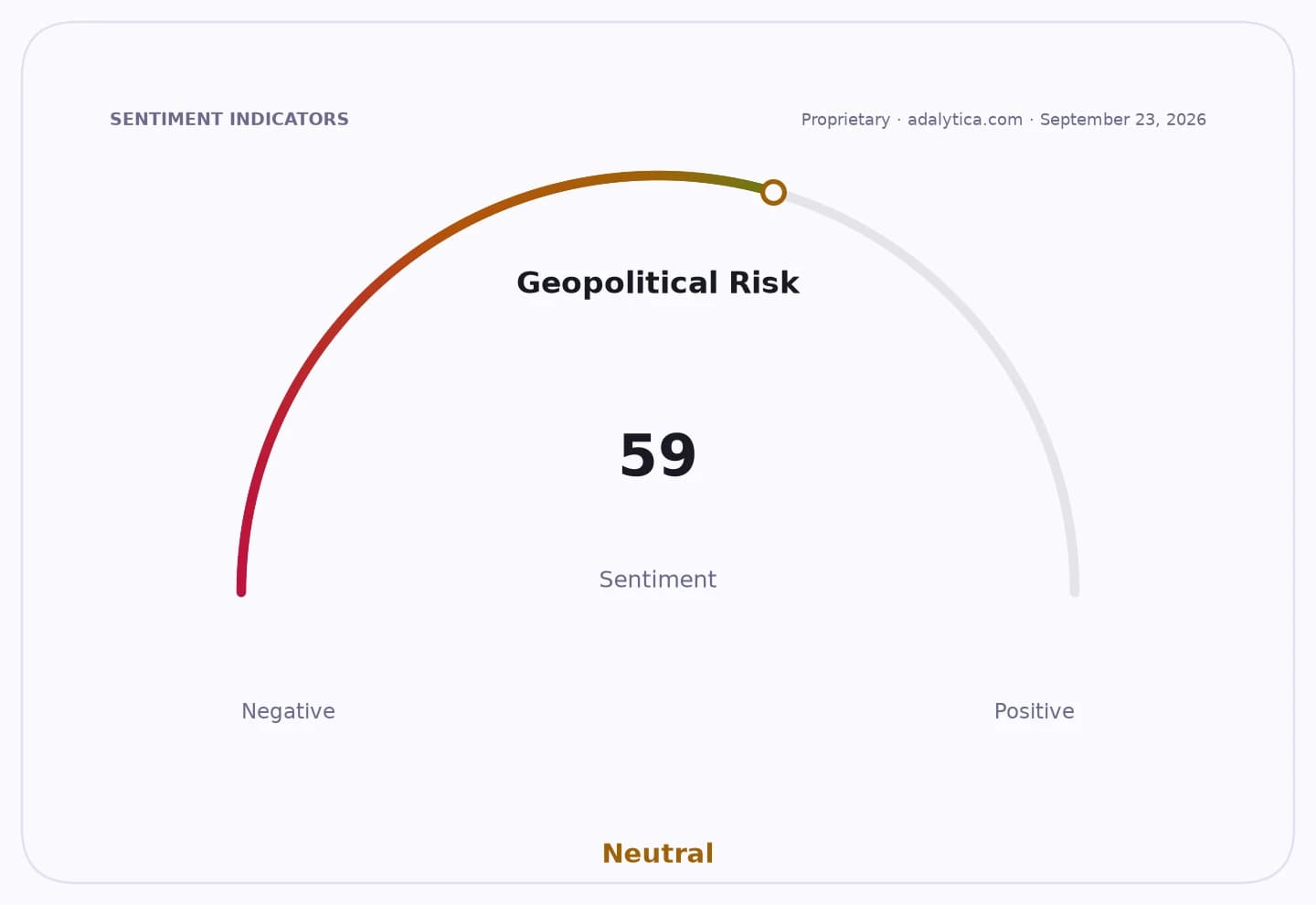
Sentiment IndicatorsⓘProprietary · adalytica.com · September 21, 2026
This is a snapshot — live sentiment, awareness and momentum for 130+ markets update continuously in the dashboard.Open AlphaPulse
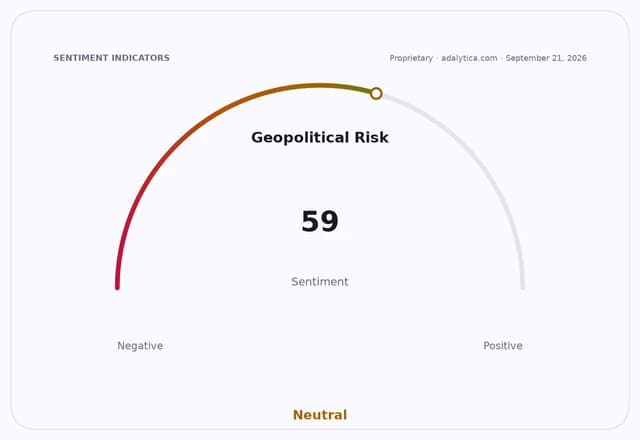
For investors, the bigger issue is not just the headline tariff rate but the ripple effects through oil prices, trade flows and emerging-markets risk. India’s exporters would be the most obvious losers if U.S. tariffs hit their shipments, while energy importers could face higher input costs if Russian barrels are redirected or if global supply becomes less flexible. That is why oil-linked assets tend to react quickly to this kind of policy shock: the market is not only pricing sanctions risk, but also the possibility of a broader squeeze on supply.
The law, signed Friday and named for the late Republican Senator Lindsey Graham, expands Washington’s toolkit against Russia and Iran. It targets Russian officials, banks and the so-called shadow fleet of tankers that has helped move sanctioned crude. Most importantly for markets, it gives Trump discretion to decide which countries are hit and how hard. That matters because the impact could range from symbolic pressure to a full-blown disruption in trade relations with two of the world’s biggest energy consumers.
Oil markets have already shown how sensitive they are to geopolitical tightening. U.S. crude futures have been volatile and remain elevated compared with earlier periods, while energy equities have benefited from stronger pricing. Investors in the sector will see a familiar pattern: when policy threatens supply, upstream producers usually gain pricing power, but refiners, airlines, manufacturers and import-heavy economies can be squeezed. India’s exposure is especially important because it sits at the intersection of global energy demand and export growth.
The broader narrative here is that the U.S. is moving from sanctions as a diplomatic signal to sanctions as an economic weapon with global trade consequences. That raises the odds of retaliation, more fragmented energy markets and a longer-lasting premium in crude if buyers and sellers are forced to rearrange supply chains. For long-term investors, the key takeaway is to watch how much of this law becomes policy in practice. If it is enforced hard, it could support energy prices and energy stocks, while making exporters and emerging markets more vulnerable. It is worth adding to the watchlist.
| Entity | Gains | Losses |
|---|---|---|
| U.S. energy producers | ▲Higher crude prices | ▼Tariff escalation risk |
| India exporters | ▲Limited direct gain | ▼Higher U.S. market barriers |
| Russia oil buyers | ▲Cheaper discounted barrels | ▼Risk of U.S. penalties |
| Energy importers | ▲Short-term supply options | ▼Higher fuel costs |