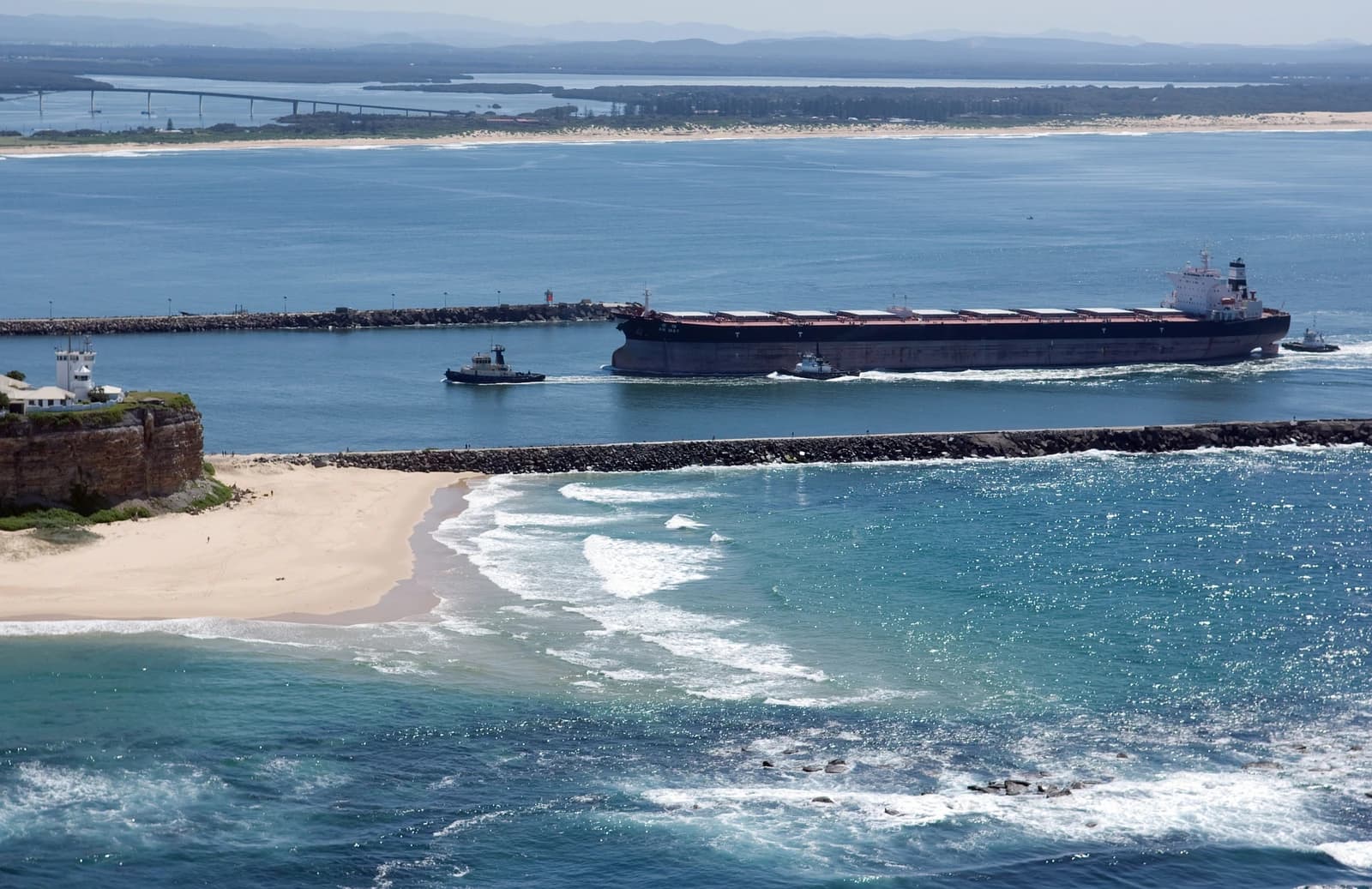
Vietnam is accelerating a plan to turn liquefied natural gas into a pillar of its power system, with the Ca Na LNG complex in Khanh Hoa backed by investment of about 60,000 billion dong as the country looks for a flexible fuel to balance fast-growing wind and solar output.
Vietnam LNG plan centers Ca Na complex
The project matters because it sits at the center of Vietnam’s energy transition: renewables are rising quickly, but their dependence on weather makes them unreliable on their own. Gas-fired LNG plants can ramp up and down far faster than coal, giving the grid backup capacity as electricity demand keeps climbing and the government tries to cut the share of coal over time.
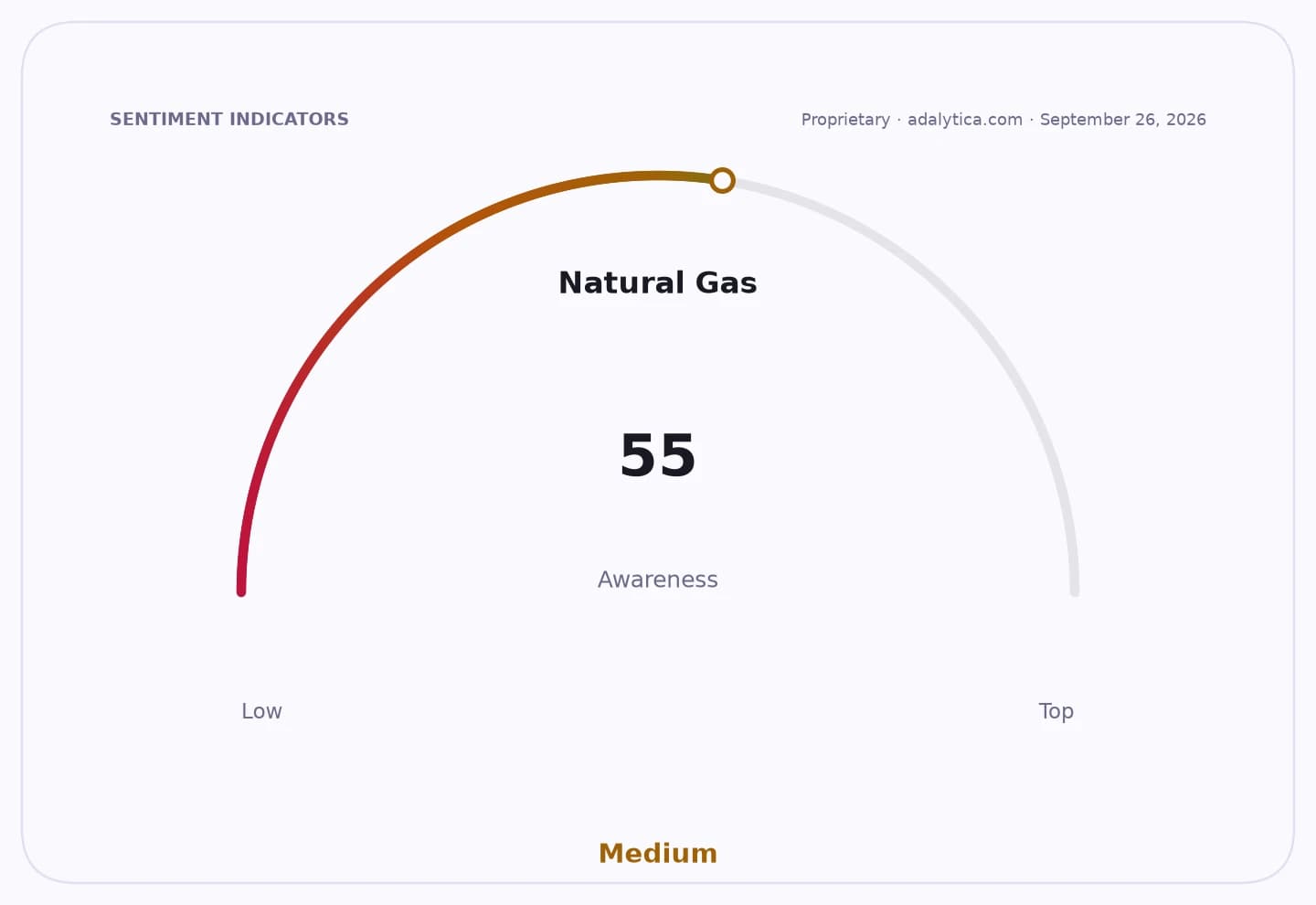
Sentiment IndicatorsⓘProprietary · adalytica.com · September 26, 2026
This is a snapshot — live sentiment, awareness and momentum for 130+ markets update continuously in the dashboard.Open AlphaPulse
Hanoi has already put LNG into its long-term energy roadmap. Under the revised Power Development Plan VIII, LNG-fired capacity is slated to reach 22,524 megawatts by 2030, alongside 2,000 to 3,000 megawatts of fast-start flexible power to help stabilize the system. The Communist Party’s Resolution 70 also calls for a broader energy mix, prioritizing renewables and clean sources while still developing nuclear, gas and imported fuels.
The buildout is not without friction. Vietnam still needs to clear bottlenecks in transmission, land acquisition and power-purchase contracts, while LNG imports expose projects to volatile global prices, shipping costs, exchange-rate swings and geopolitical shocks. That makes financing harder, especially for capital-heavy terminals and plants with long payback periods.
Officials and industry groups are pushing for more flexible commercial structures, including expanded direct power purchase agreements and contracts that better share fuel-price risk and secure long-term offtake. The government’s challenge is now less about declaring LNG strategic than about getting enough projects to final investment decision and into operation on schedule.
For investors, the push reinforces Vietnam’s role as one of Asia’s more consequential LNG growth markets, potentially supporting demand for exporters, terminal builders and gas infrastructure developers. The near-term test will be whether Hanoi can turn policy ambition into bankable projects before power demand, grid constraints and fuel volatility widen the gap between plan and execution.
| Entity | Gains | Losses |
|---|---|---|
| LNG developers | ▲Larger project pipeline | ▼Higher financing risk |
| Coal generation | ▲Slower long-term share | ▼Policy pressure |
| LNG exporters | ▲New Asian demand | ▼Price volatility |
| Vietnam grid | ▲More balancing capacity | ▼Import dependence |