India’s long-running campaign for a permanent UN Security Council seat picked up fresh diplomatic support after four Central European countries in the Visegrad group — Slovakia, Poland, Hungary and the Czech Republic — backed New Delhi’s bid, underscoring growing frustration with an outdated global governance structure.
India gets Visegrad support for UN Security Council bid
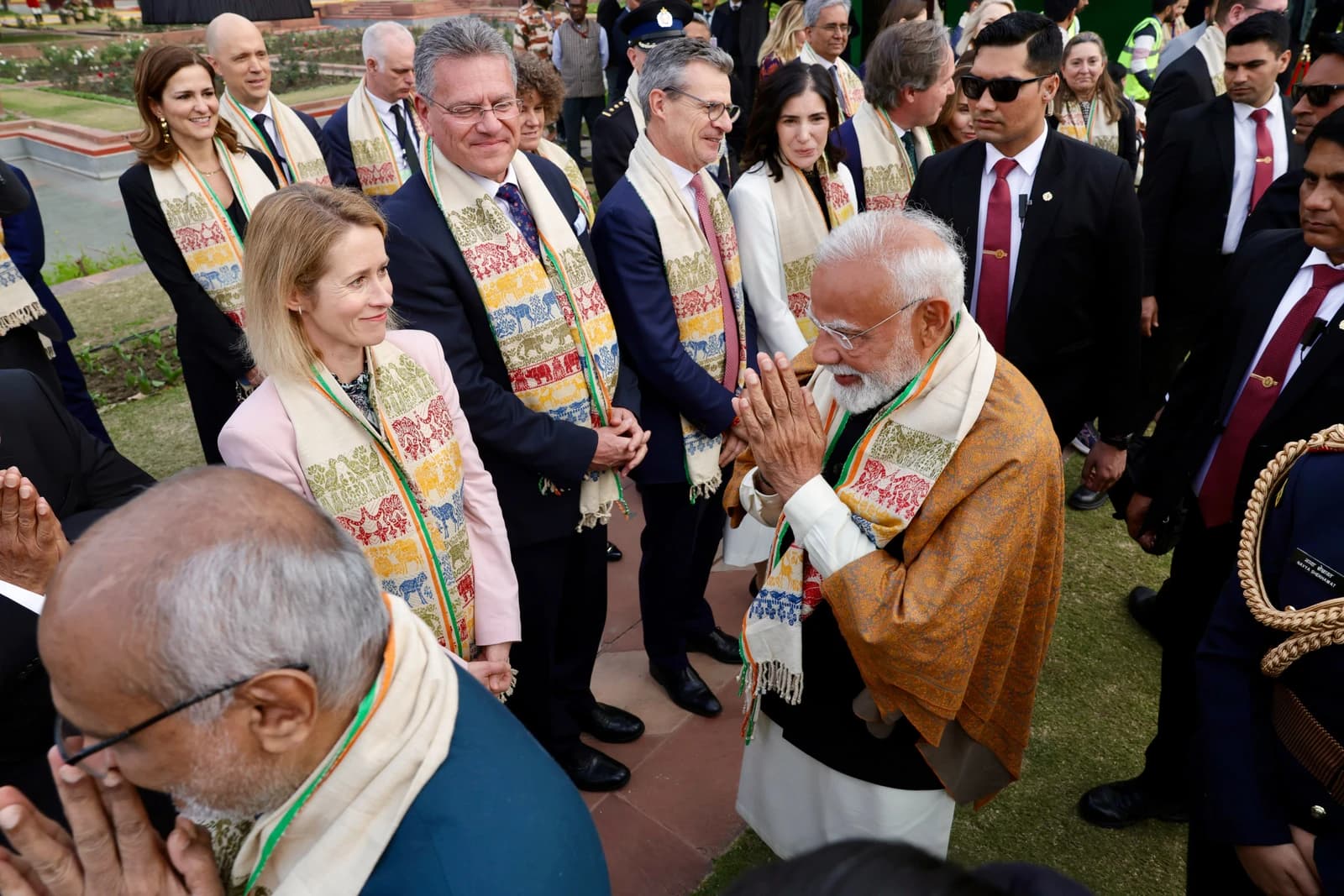
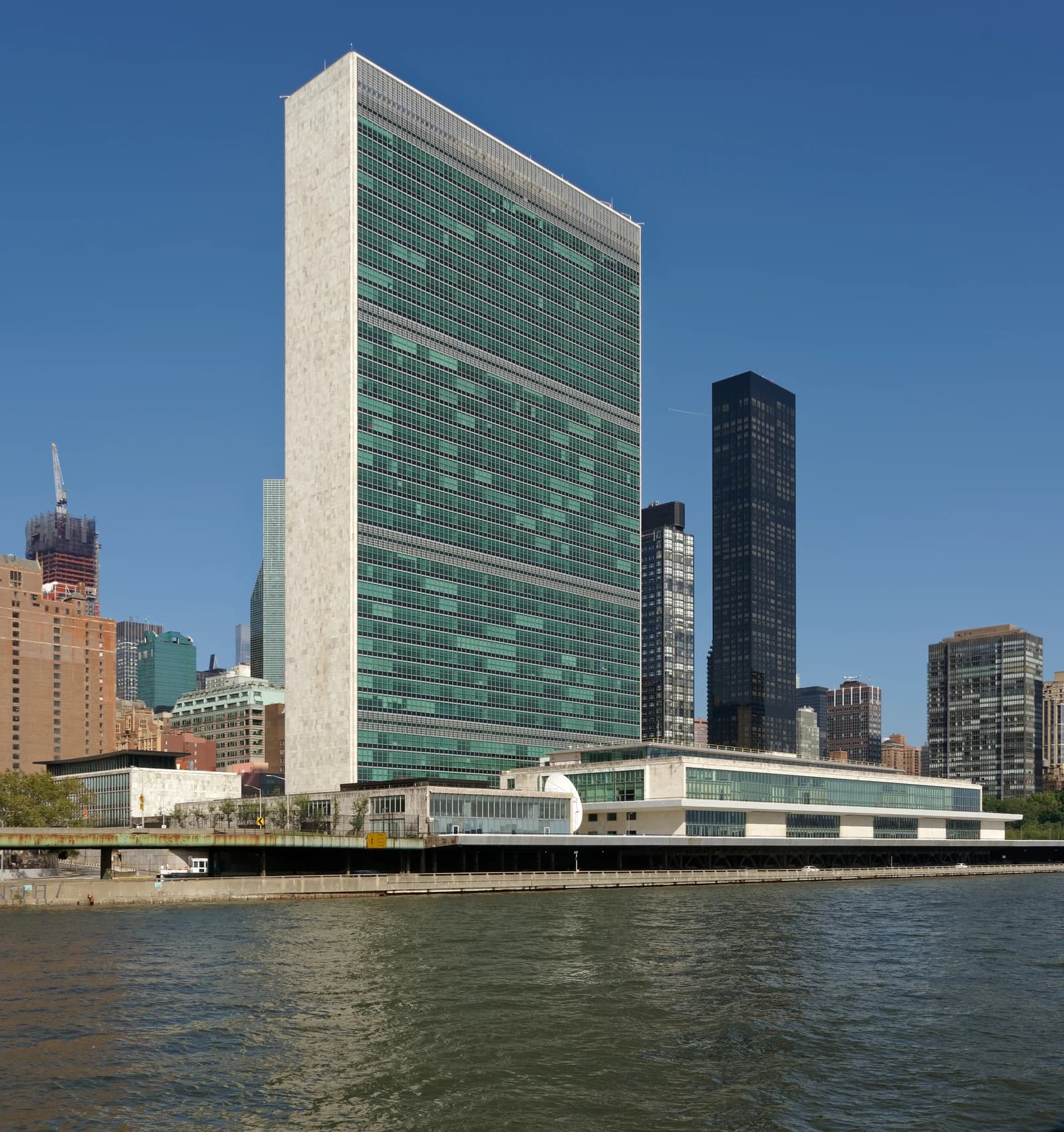
The endorsement matters because the Security Council remains the UN’s most powerful body, with veto-wielding permanent members able to block action on war, sanctions and international security. Any expansion of that club would reshape diplomatic influence well beyond symbolism, giving India greater leverage over decisions that affect trade routes, energy security, conflict resolution and the rules-based order investors rely on.
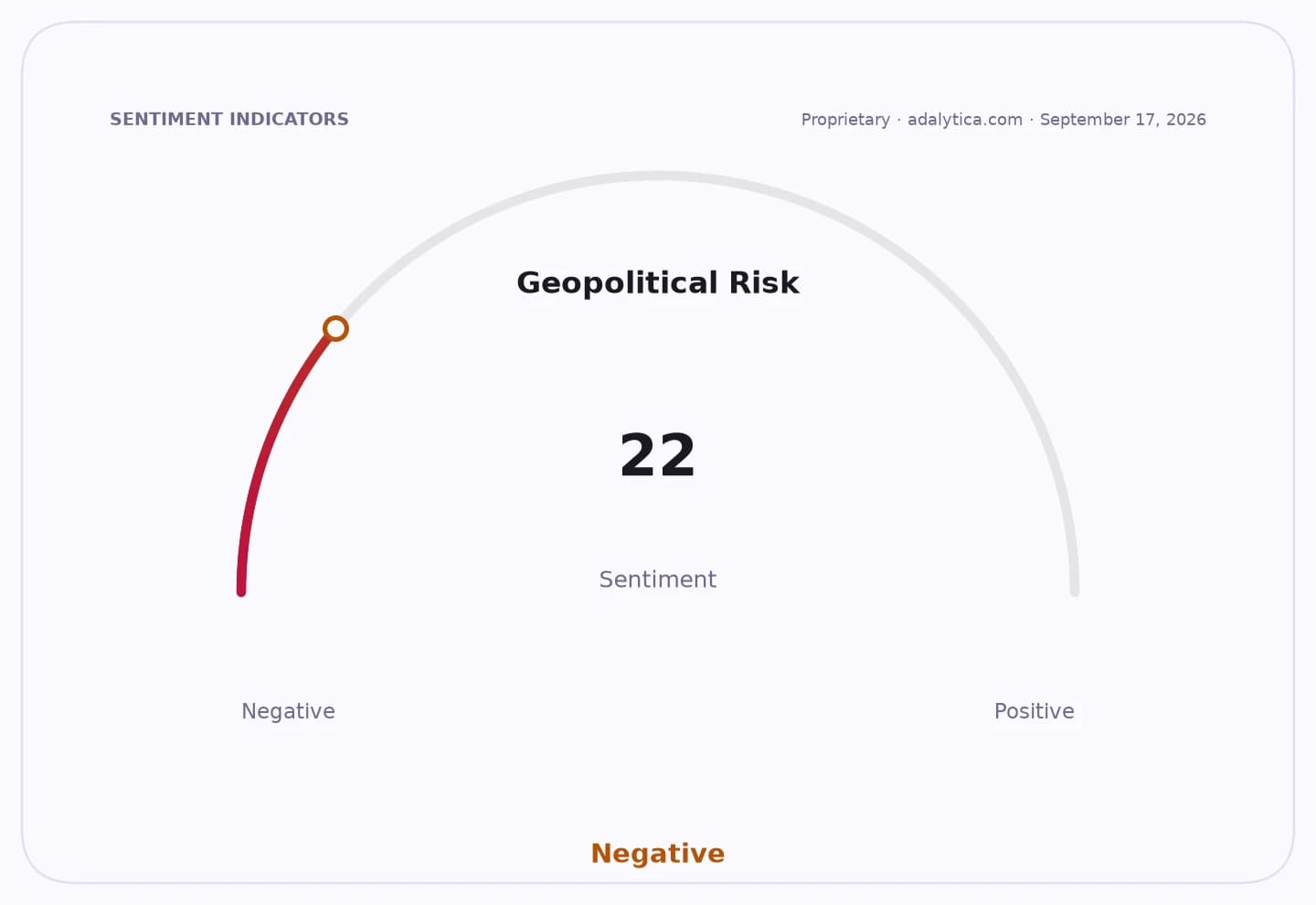
Sentiment IndicatorsⓘProprietary · adalytica.com · September 26, 2026
This is a snapshot — live sentiment, awareness and momentum for 130+ markets update continuously in the dashboard.Open AlphaPulse
For India, the backing adds momentum to a decades-old effort to secure a seat at the top table alongside the US, Russia, China, France and Britain. The push has repeatedly run into resistance, particularly from China, which has long opposed India’s elevation. But the latest support from four European states suggests New Delhi is steadily widening its coalition among countries that see rising powers from the Global South as underrepresented in multilateral institutions.
Slovakia’s foreign minister Juraj Blanár said the V4 countries agreed India, as part of the Global South and an emerging Indo-Pacific power, “must be at the table as the permanent member of the UN Security Council.” That language is notable because it moves the debate from abstract reform talk to explicit backing from a regional bloc that has shown it is willing to align with India on governance questions.
The diplomatic gain also has economic and strategic implications. India is trying to position itself as a larger hub for manufacturing, technology, defense cooperation and supply-chain diversification as companies reduce concentration risk away from China. A stronger voice in multilateral institutions would reinforce that narrative, supporting India’s appeal to investors seeking long-duration exposure to one of the world’s fastest-growing major economies.
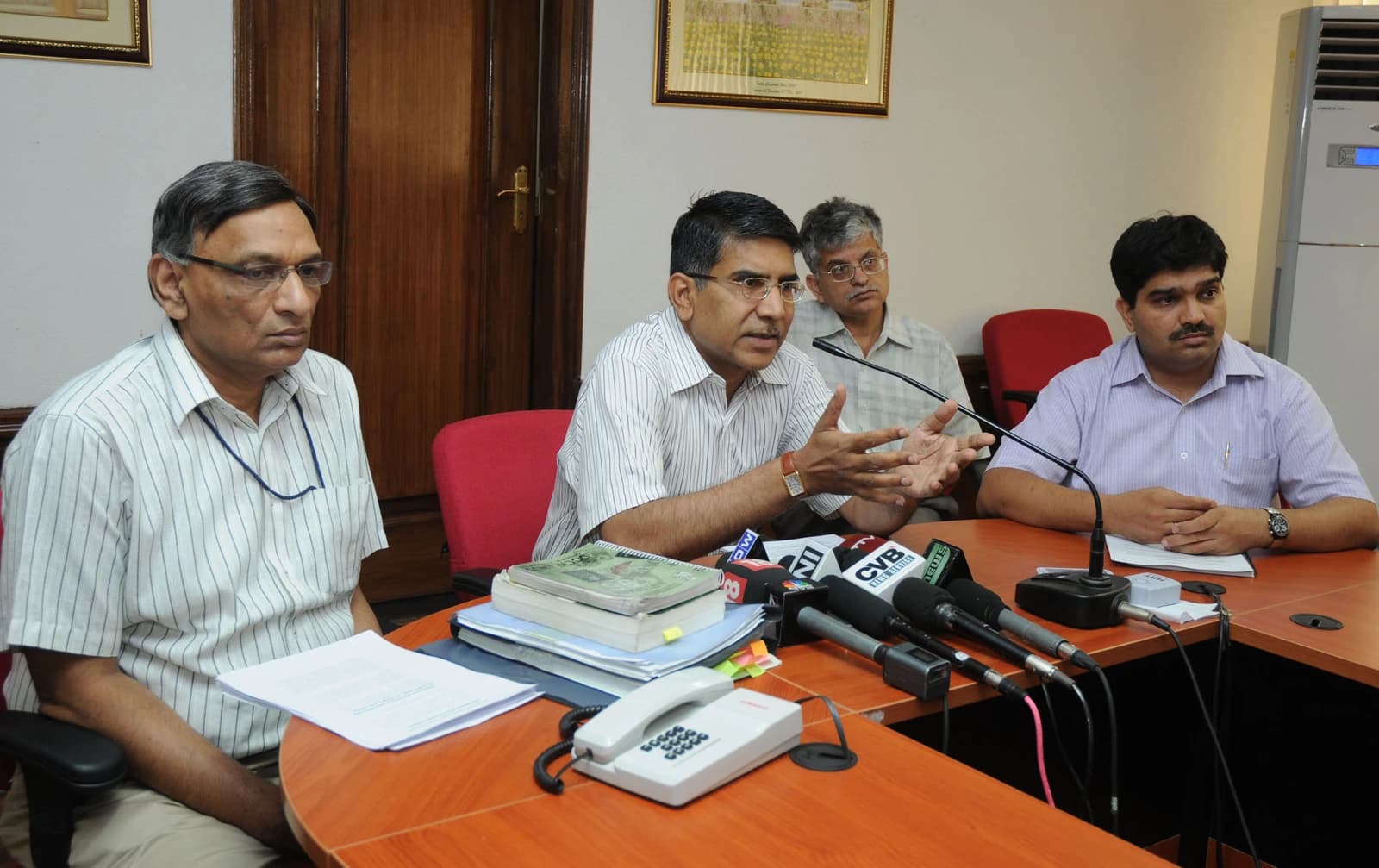
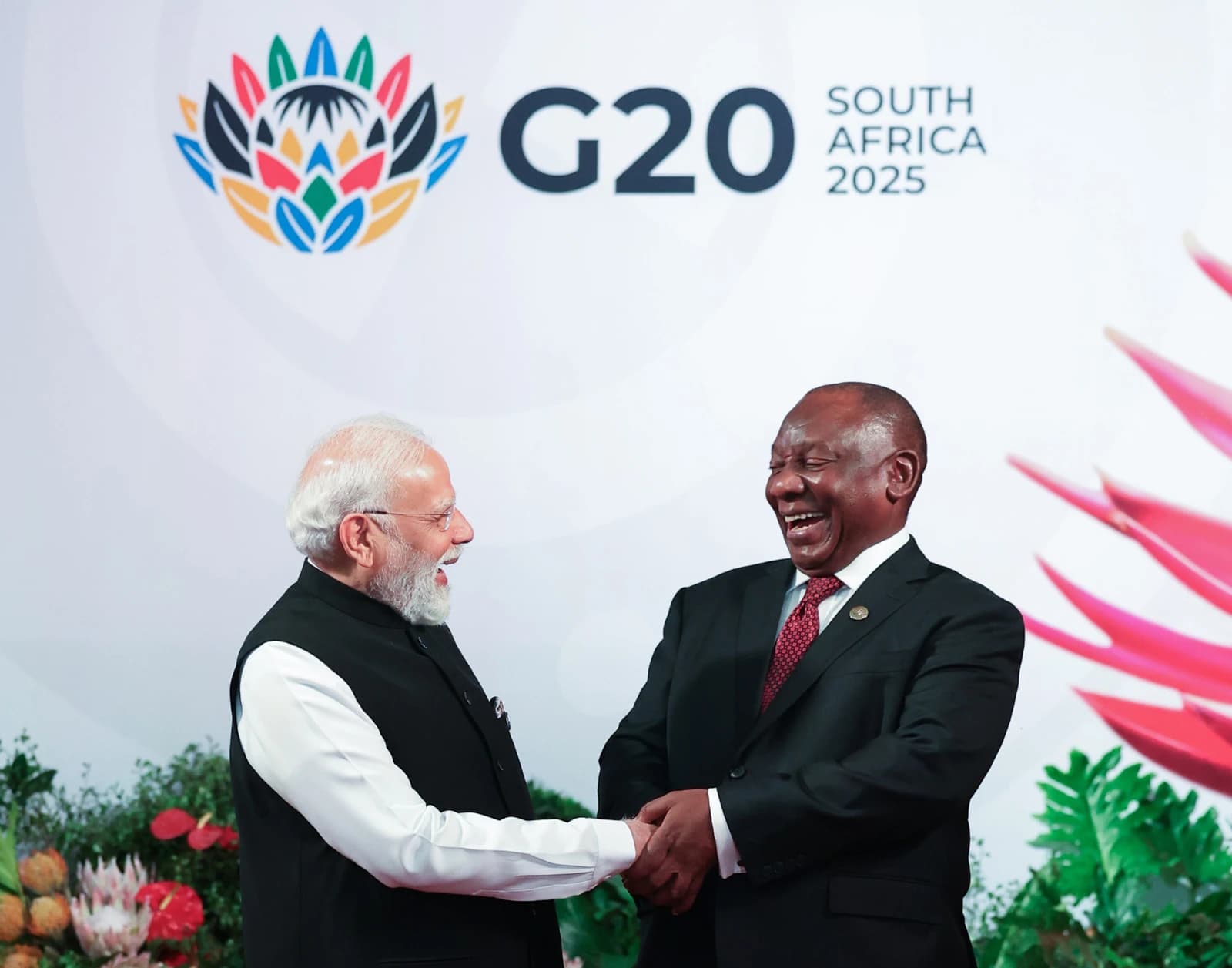
Foreign Minister S. Jaishankar called the first V4-India foreign ministers’ meeting a “new historical opportunity,” and both sides agreed to deepen ties across politics, economics, technology, defense and people-to-people links. The creation of an annual trade forum and regular ministerial meetings suggests the UNSC backing is part of a broader effort to institutionalize ties with Europe, not just a one-off diplomatic gesture.
For investors, the story is less about an imminent change in UN rules — which would still require a difficult and politically fraught reform process — and more about India’s rising geopolitical capital. The more support New Delhi accumulates, the stronger its case as a long-term beneficiary of global realignment, with potential spillovers for defense, infrastructure, technology and cross-border trade partnerships.
The next test will be whether India can convert this symbolic momentum into broader backing from Europe, the Global South and key UN members who would have to endorse any change. If it does, the campaign for a permanent seat could become another marker of India’s transition from a regional power to a central player in global institutions.
| Entity | Gains | Losses |
|---|---|---|
| India | ▲Diplomatic legitimacy | ▼Delay in UNSC reform |
| V4 countries | ▲Closer ties with India | ▼Limited leverage if reform stalls |
| China | ▲— | ▼Pressure on veto over reform |
| Current P5 members | ▲Status quo influence | ▼Greater reform scrutiny |