India’s economy may be expanding faster than almost any other major market, but JPMorgan Chase Chief Executive Jamie Dimon says the bigger question for investors is whether New Delhi will keep opening the door to competition.
India Growth and Competition in Focus, Dimon Says

That matters because growth alone does not guarantee capital flows. For India to turn its demographic and economic momentum into lasting market gains, foreign companies need a fairer shot at competing, and domestic rules have to stop protecting incumbents at the expense of productivity. Dimon’s comments cut to the core of the India investment debate: the country is still one of the best long-term stories in emerging markets, but its policy framework can decide how much of that story shareholders actually capture.
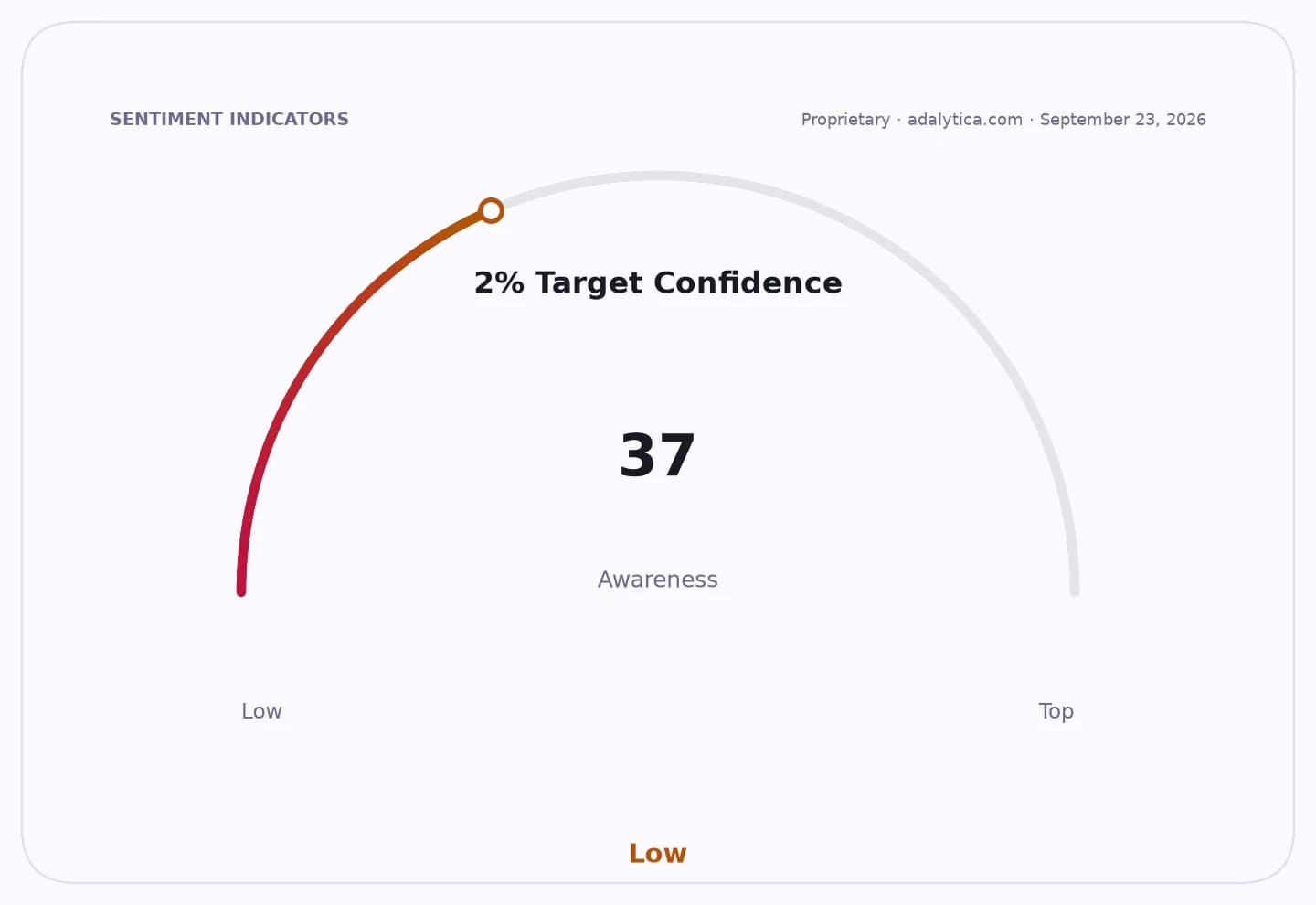
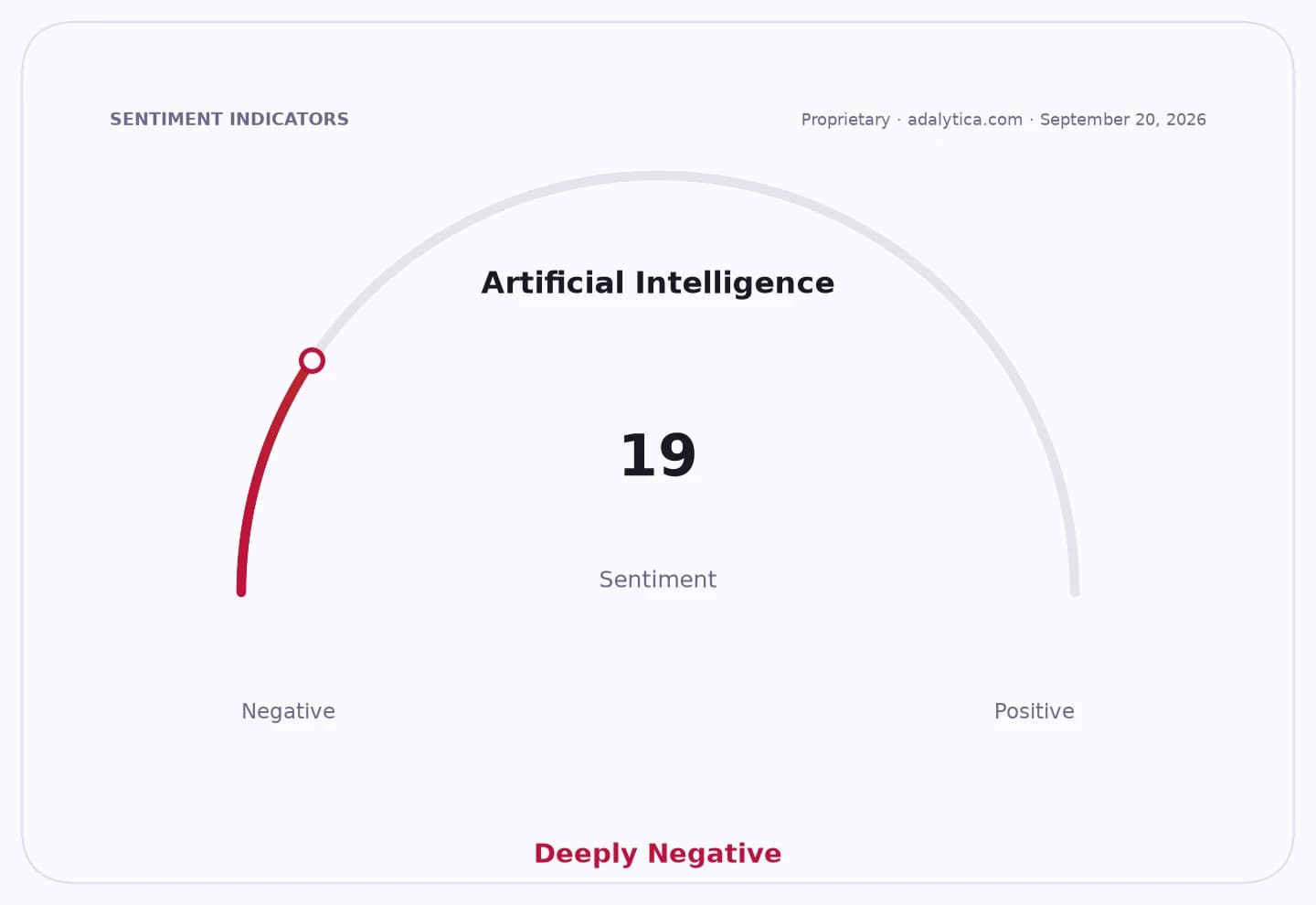
Sentiment IndicatorsⓘProprietary · adalytica.com · September 25, 2026
This is a snapshot — live sentiment, awareness and momentum for 130+ markets update continuously in the dashboard.Open AlphaPulse
“India is probably the fastest-growing economy on the planet,” Dimon said, while warning that foreign companies “often have a hard time competing here because they’re not allowed to.” He added that local firms can use regulations to block rivals, calling that “bad for all Indians.” That is a blunt reminder that India’s equity premium is tied not just to growth, but to reform.
For investors, the message is straightforward. India remains a compelling destination for patient capital, especially in consumer, financial, infrastructure and technology-linked businesses. But the best returns will likely go to companies that can thrive despite bureaucracy, not because of it. The market has already learned that in India, policy friction can shape valuations as much as earnings growth.
Dimon’s remarks also reinforce why global investors keep watching the Reserve Bank of India and the government’s broader macro stance. He expressed confidence in the central bank’s efforts to raise dollars through foreign currency deposits to support the rupee, a sign that currency stability still matters for foreign ownership. In emerging markets, a steady currency and credible policy often matter as much as GDP growth.
He also sounded upbeat on the United States, saying higher inflation and heavy sovereign borrowing were part of the backdrop for currencies and bonds, but that America remained “a strong investment destination.” That puts India’s challenge in sharper focus: it is competing not only with peers, but with the world’s deepest capital markets for foreign money.
The long-term takeaway for investors is not to dismiss India’s growth story, but to separate the structural winners from the policy hostage risks. If regulators continue to protect incumbents, foreign investment could stay below the country’s potential. If competition improves, India’s earnings growth could compound for years. For now, it is still a market worth owning — but selectively, and with patience.
| Entity | Gains | Losses |
|---|---|---|
| Indian consumers | ▲More competition, lower prices | ▼Higher costs from protectionism |
| Foreign companies | ▲Fairer access if rules loosen | ▼Exclusion from key markets |
| Indian incumbents | ▲Protected market share | ▼Greater pressure from rivals |
| Long-term investors | ▲Better reform-driven returns | ▼Slower capital appreciation from policy friction |