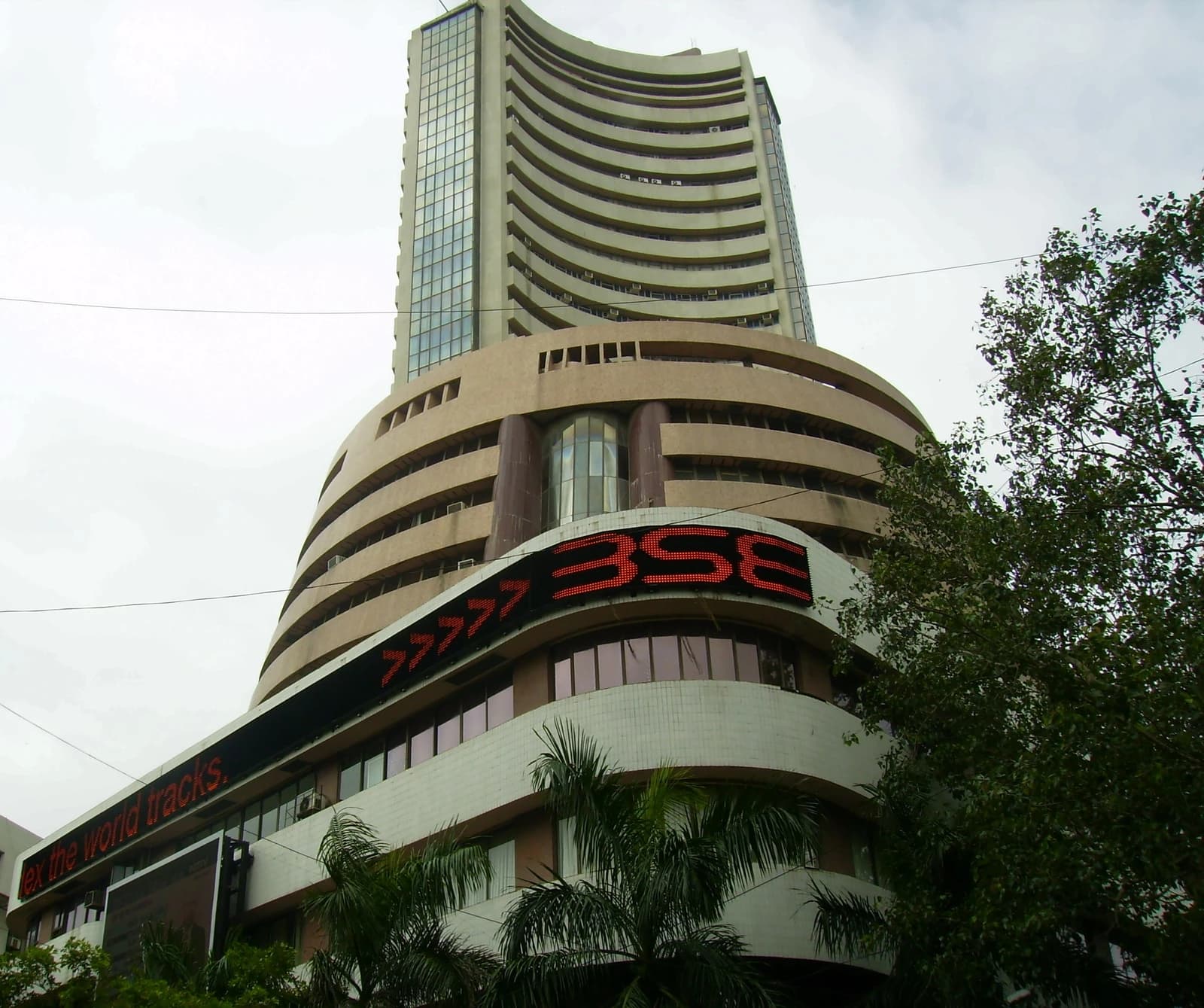
India’s market regulator is making a clear point to Wall Street: scale and reputation will not shield foreign traders from scrutiny in the country’s $5 trillion stock market.
India SEBI tightens scrutiny on foreign traders
That matters because India is no longer treating global capital as untouchable. The Securities and Exchange Board of India is moving more aggressively against suspected manipulation, front-running and information-sharing, and the campaign is already forcing banks and high-frequency firms to rethink how they trade in one of the world’s fastest-growing equity markets. For investors, the message is straightforward: compliance costs are rising, trading strategies are under more pressure and some of the easy money from India’s market boom may be getting harder to capture.
Sentiment IndicatorsⓘProprietary · adalytica.com · September 10, 2026
This is a snapshot — live sentiment, awareness and momentum for 130+ markets update continuously in the dashboard.Open AlphaPulse
The latest flashpoint came in late August, when SEBI accused JPMorgan’s Copthall Mauritius Investment Ltd. and the local broker Mansi Share of placing outsized orders in Sensex stocks during the closing auction, with some securities seeing those entities account for more than 90% of orders. Regulators said large chunks of those orders were later cancelled, moving indicative closing prices without fully executing the trades. SEBI said the trading ban would be lifted once nearly 37 million rupees, or about $390,000, in alleged unlawful gains were returned.
The case follows last year’s high-profile action against Jane Street, which SEBI accused of market manipulation — an allegation the firm denies. The US trading giant has deposited more than $500 million in escrow to comply with the order while it appeals in Indian court. SEBI has also gone after Bank of America, which settled a separate case in May for about $613,000, and has sought information from Capital Group in another trading matter.
The broader significance is not the size of the penalties. It is the shift in the rules of engagement. Under Tuhin Kanta Pandey, who became SEBI chair last year, the regulator has leaned more heavily on technology to track suspicious patterns, especially sharp or unexplained market swings. That has made India look less like an emerging market where foreign firms can operate with relative latitude and more like a jurisdiction where global banks must defend every trade.
That is already changing behavior. Lawyers say firms are racing to upgrade local compliance systems, while some high-frequency traders and market makers are pulling back from India’s newer closing-auction mechanism, fearing they may have to prove they were not manipulating prices. That has reduced liquidity in the auction window and, in turn, added volatility to the benchmark index. In other words, tighter enforcement is not just a legal story; it is a market-structure story with direct consequences for price discovery, execution quality and short-term trading profits.
For investors, the bigger implication is that India’s equity market is maturing — and becoming more expensive to play. That is bad news for traders relying on volume, speed and regulatory gaps, but it is constructive for long-term allocators who want a cleaner market with stronger guardrails. The risk is that tighter scrutiny could compress activity in some high-turnover strategies and shave returns for firms that built their India franchises on complexity and scale.
The market underestimates how quickly this can become a capital-allocation issue. India is still attracting global money, but higher compliance standards mean the winners will be firms with deep local infrastructure, disciplined controls and the patience to treat the market as a structural growth opportunity rather than a tactical trade. That favors the largest universal banks, established exchanges, risk-management vendors and local brokers that can absorb the compliance burden.
The takeaway is that India is not shutting Wall Street out — it is raising the price of entry. That should reshape how global firms size their exposure, how they structure trades and where they spend on compliance. For investors, the opportunity is in the toll roads around the trade, not the traders who get squeezed by them.
| Entity | Gains | Losses |
|---|---|---|
| SEBI | ▲More market control | ▼Perception of leniency |
| JPMorgan, Jane Street and peers | ▲Market access long term | ▼Trading flexibility, margins |
| Local exchanges and compliance vendors | ▲Higher demand | ▼— |
| High-frequency traders | ▲— | ▼Liquidity, auction profits |