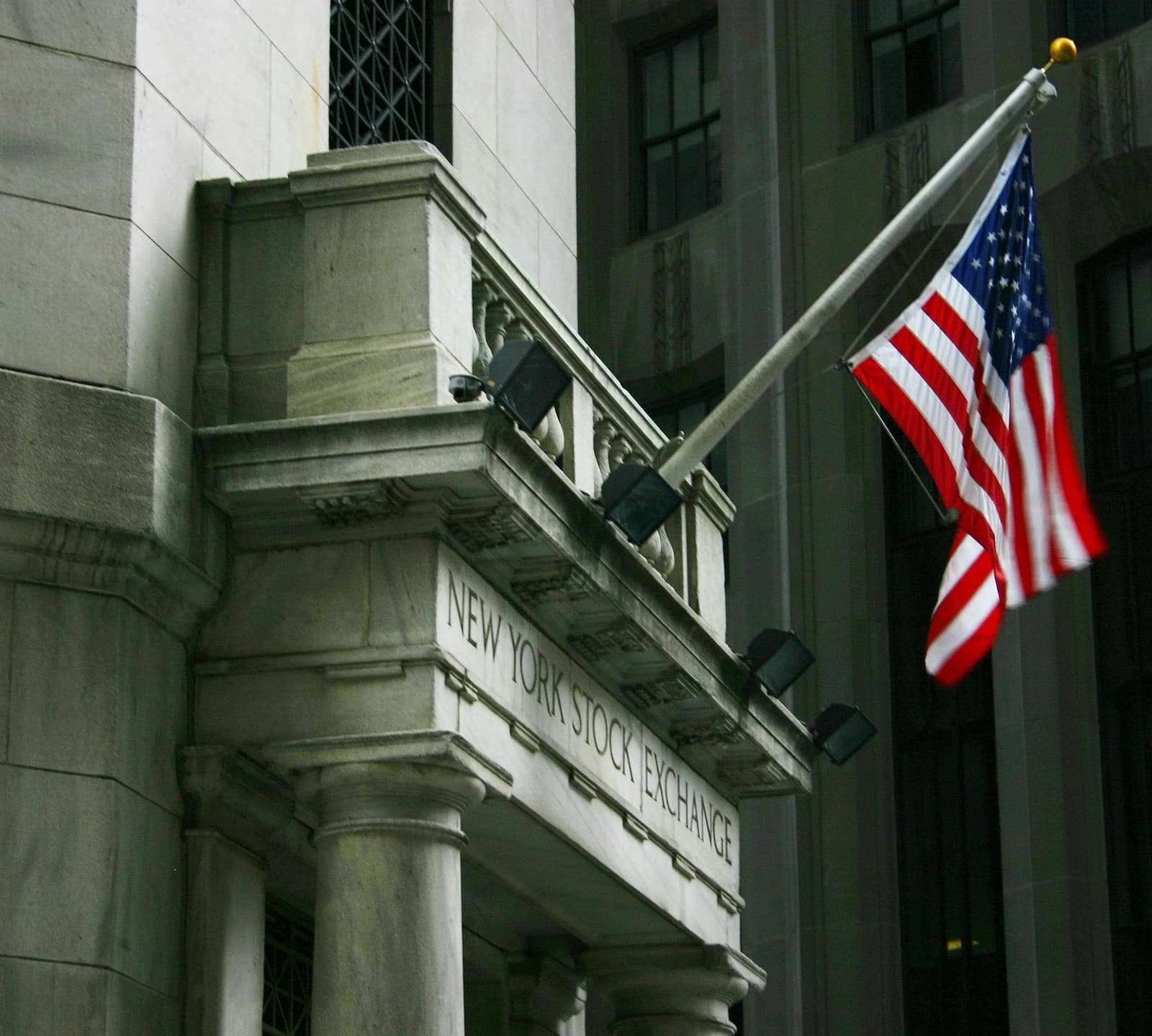
A widening global crackdown on financial fraud is exposing a familiar and highly profitable playbook: organized scams that target retail investors, siphon cash through false promises and leave regulators racing to catch up after the damage is done.
Global Fraud Crackdown Raises Compliance Demand

The seed case — the alleged fortune built by a French-Israeli operator at the expense of thousands of small investors — sits in the middle of that pattern. Even without the market’s usual catalysts of earnings, rate cuts or policy shifts, fraud of this scale matters economically because it destroys household savings, erodes trust in capital markets and raises the cost of policing them. The losers are not just the victims; the broader system pays through tighter compliance, more legal risk and a higher barrier for legitimate issuers trying to raise money.

The latest enforcement push shows authorities are responding to that threat with more force. In one recent operation, police arrested 22 people in a fake apostille scheme, while investigators continue to pursue several large scams, including a Ponzi-style market fraud in Turkey and a Medicare-related case tied to a laboratory owner. In another major case, members of an NDIS and tax-fraud syndicate were handed a combined 31 years in prison after a lengthy investigation. The message is clear: financial crime is becoming a bigger cross-border enforcement priority.
For investors, the implication is twofold. First, retail-led bubbles and unregulated offerings remain fertile ground for fraudsters, especially where online promotion, opaque structures and weak oversight converge. Second, every crackdown reinforces the value of transparency, custody controls and regulated market venues. That is where the real asymmetric opportunity lies: not in chasing the scam, but in owning the infrastructure that makes scams harder to run.
The market underestimates how much this theme can compound. As governments intensify investigations, compliance software, fraud detection, identity verification and regulated financial intermediaries should benefit from more demand. At the same time, any exchange, broker, or platform with weak controls faces a higher penalty from both regulators and investors.
The next catalyst is likely to be more arrests, more asset seizures and more lawsuits as authorities deepen the probes. If this trend continues, the investment takeaway is straightforward: avoid opaque high-yield promises, and favor the picks-and-shovels of trust, verification and regulated market access. That is where the durable capital inflow should go.
| Entity | Gains | Losses |
|---|---|---|
| Regulators / prosecutors | ▲More enforcement power | ▼Limited by cross-border complexity |
| Compliance and fraud-tech firms | ▲Higher demand | ▼None |
| Legitimate exchanges / brokers | ▲Trust premium | ▼Higher compliance costs |
| Retail investors / victims | ▲Potential better protection | ▼Lost savings and confidence |