A cyber-fraud ring in Gujarat has exposed how quickly retail investors can be stripped of cash when stock-market promises come wrapped in a slick mobile app and social media marketing.
Gujarat investment app fraud case after 1.47 crore scam
Police in Valsad said a group behind a fake investment platform collected more than 1.47 crore rupees from investors by luring them with claims of high returns and then showing fabricated profits inside the app, before allegedly demanding a 15% commission when one victim tried to withdraw funds. That demand triggered the complaint that led to the arrests of three accused, with more suspects still under investigation.
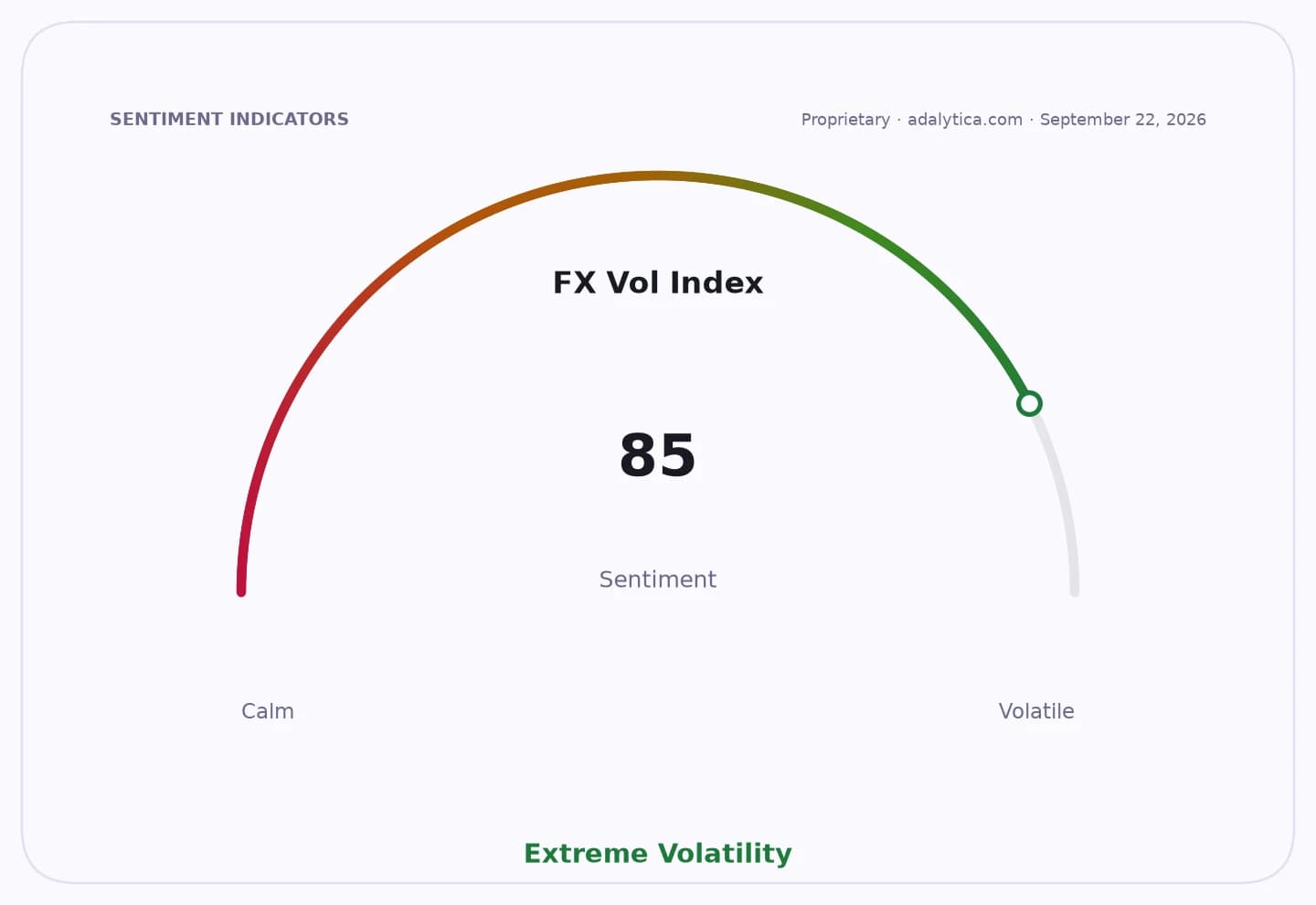
Sentiment IndicatorsⓘProprietary · adalytica.com · September 20, 2026
This is a snapshot — live sentiment, awareness and momentum for 130+ markets update continuously in the dashboard.Open AlphaPulse
The case matters economically because it is part of a broader shift in market access: the same digital tools that have made trading easier for first-time investors have also lowered the cost of large-scale fraud. In an environment where retail participation in equities has broadened, confidence becomes a market input. When investors fear that a trading app, influencer pitch or WhatsApp tip is a trap, participation can cool, especially among smaller savers most sensitive to losses.
The alleged scheme was structured to mimic legitimate trading. Police said the operators created a fake investment company and app, promised guidance on share-price moves and displayed unrealized gains to persuade victims to transfer money into multiple bank accounts. One of the accounts linked to an accused reportedly received 18.70 lakh rupees from the fraud. Investigators have also begun freezing the bank accounts used in the operation, a sign authorities are moving not just against the individuals but against the transaction chain that kept the scam running.
For investors, the episode is a reminder that the market’s biggest risk is not always price volatility. It is fraud risk, especially when returns are marketed as easy, fast and guaranteed. The alleged 15% fee on “profits” is a classic pressure point in cyber scams: once victims believe money has been made, fraudsters create a second hurdle to extract even more cash or to keep the deception alive. That dynamic is especially dangerous in retail trading, where trust in digital interfaces can outweigh skepticism.
The market backdrop makes the warning sharper. Broader risk appetite has been uneven, with investors already dealing with volatile equities and shifting macro signals. In such periods, scams often become easier to sell because promises of quick gains sound more appealing when public markets are choppy. The narrative is not about one isolated cybercrime but about the collision between financial inclusion and financial exploitation.
For policymakers and exchanges, the case adds pressure to tighten screening of app-based investment offerings, bank-account monitoring and digital advertising around stocks. For investors, the lesson is simpler: if an unknown platform promises unusually high returns, shows easy “profits” and then asks for a fee to release money, the trade is likely not an investment at all. It is a warning.
| Entity | Gains | Losses |
|---|---|---|
| Fraud suspects | ▲Illicit cash flow | ▼Arrests, asset freezes |
| Investors | ▲None | ▼Capital losses, trust erosion |
| Police and regulators | ▲Enforcement leverage | ▼Higher fraud scrutiny burden |
| Legitimate brokers/apps | ▲Trust gap closed by oversight | ▼Reputational drag from scam headlines |