A former Robinhood engineer’s arrest on U.S. fraud charges puts a fresh spotlight on one of the crypto market’s oldest investor risks: insiders trading ahead of customers. For Robinhood, the case matters less because of the roughly $50,000 prosecutors say was made than because it goes straight to the integrity of the platform’s crypto business, which has become an increasingly important growth engine for the company and a key part of its long-term investing story.
Robinhood Insider Trading Probe Hits Crypto Listings
The U.S. Department of Justice said Hefu Chai, a Menlo Park resident who worked on crypto listings at Robinhood, and fellow engineer Huaisong “Jerry” Xiang used confidential information to buy cryptocurrency-linked futures contracts before Robinhood publicly announced new token listings. Those announcements typically pushed up the underlying coins, allowing the pair to profit, prosecutors allege. Chai was arrested Tuesday on commodities fraud and wire fraud charges, while Xiang, a New Jersey resident, is scheduled to be arraigned in New York.
Sentiment IndicatorsⓘProprietary · adalytica.com · September 19, 2026
This is a snapshot — live sentiment, awareness and momentum for 130+ markets update continuously in the dashboard.Open AlphaPulse
For investors, the takeaway is straightforward: the business model may be winning, but the governance bar has to stay high. Robinhood has spent years rebuilding its reputation from the meme-stock era into a broader retail brokerage with crypto, options and cash management all contributing to growth. Any suggestion that employees could exploit a confidential listing process cuts at the trust premium that helps a financial platform attract and keep customers. That is especially true in crypto, where retail users already face a market full of scams, leverage and headline risk.
The alleged scheme also matters beyond Robinhood because it shows regulators are willing to treat crypto-linked misconduct like traditional market abuse. The DOJ said the case involves derivatives tied to tokens and listed on Hyperliquid, underscoring that insider-trading rules are not limited to stocks. That message could make compliance teams across fintech and crypto exchanges more cautious around token listings, product launches and internal access controls.
Robinhood said it has “zero tolerance” for insider trading and immediately reported the matter to law enforcement and regulators. That response is important, and so is the fact that prosecutors say Chai had access to a confidential Slack channel used by a select group of employees responsible for new crypto listings. In other words, the issue is not just one bad actor. It is the operational risk that comes with scaling a fast-moving crypto platform inside a consumer finance company.
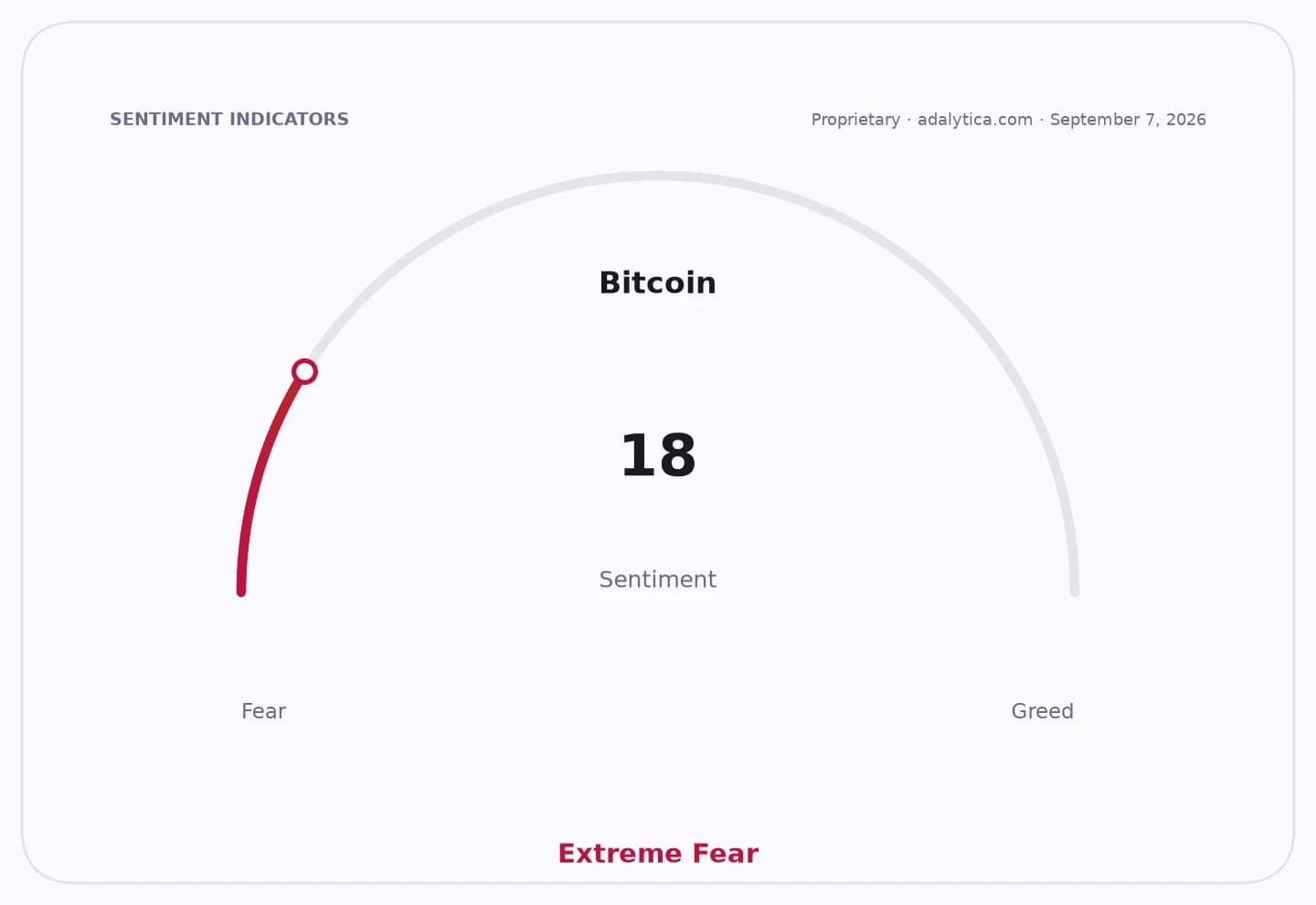
The stock market has already shown how much sentiment can swing around crypto exposure. Robinhood shares recently traded at $119.82, well above their 50-day moving average of about $103, while Coinbase shares have also rebounded sharply from earlier weakness. Bitcoin itself has been hovering around $81,565, a reminder that the broader crypto backdrop remains volatile even as institutional interest endures. The Adalytica Bitcoin Fear & Greed Index is neutral, suggesting investors are not euphoric, but they are engaged.
That mix leaves long-term investors with a familiar question: can Robinhood keep compounding while proving it can police itself? The answer will likely depend on execution, not headlines. If the company keeps growing its customer base, widening its product set and tightening controls around crypto and derivatives, this episode may prove to be a painful but contained compliance event rather than a structural flaw. But if trust erodes, the damage would be harder to repair because brokerage businesses are built on confidence.
For patient investors, the lesson is not to overreact to a criminal case that may involve limited dollar losses. It is to watch whether Robinhood’s management treats this as a one-off breach or a signal that the company’s controls need another hard reset. In a business where trust is the moat, that difference matters. Worth watching closely.
| Entity | Gains | Losses |
|---|---|---|
| Robinhood customers | ▲Tighter compliance | ▼Confidence if trust slips |
| Robinhood | ▲Chance to reset controls | ▼Reputation and scrutiny |
| DOJ and regulators | ▲Enforcement credibility | ▼None directly |
| Crypto insiders | ▲Less room for abuse | ▼Access to easy profit |