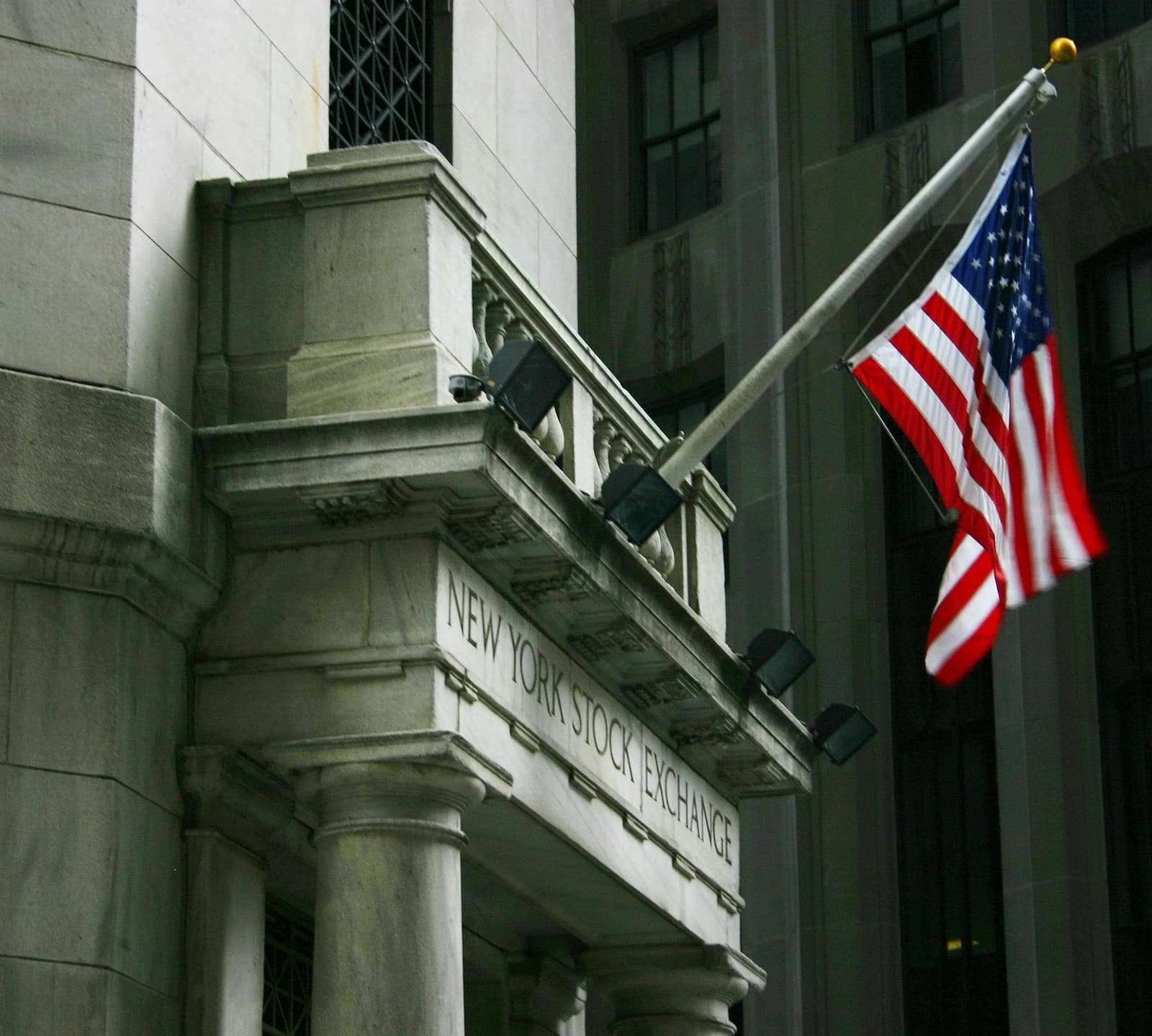
The SEC has opened a temporary route for tokenized stocks to trade more broadly in the U.S. after the Senate’s failure to advance the CLARITY Act left crypto market-structure legislation stalled, giving the industry a stopgap policy win even as a durable framework remains out of reach.
SEC opens temporary route for tokenized stocks
The move matters because tokenized equities could become one of crypto’s most commercially important products, linking Wall Street assets to blockchain rails and potentially expanding trading hours, settlement speed and access. But the new “Innovation Exemption” is only an interim measure under existing SEC authority, not the permanent legal foundation that exchanges, brokerages and tokenization platforms have been pushing Congress to deliver.
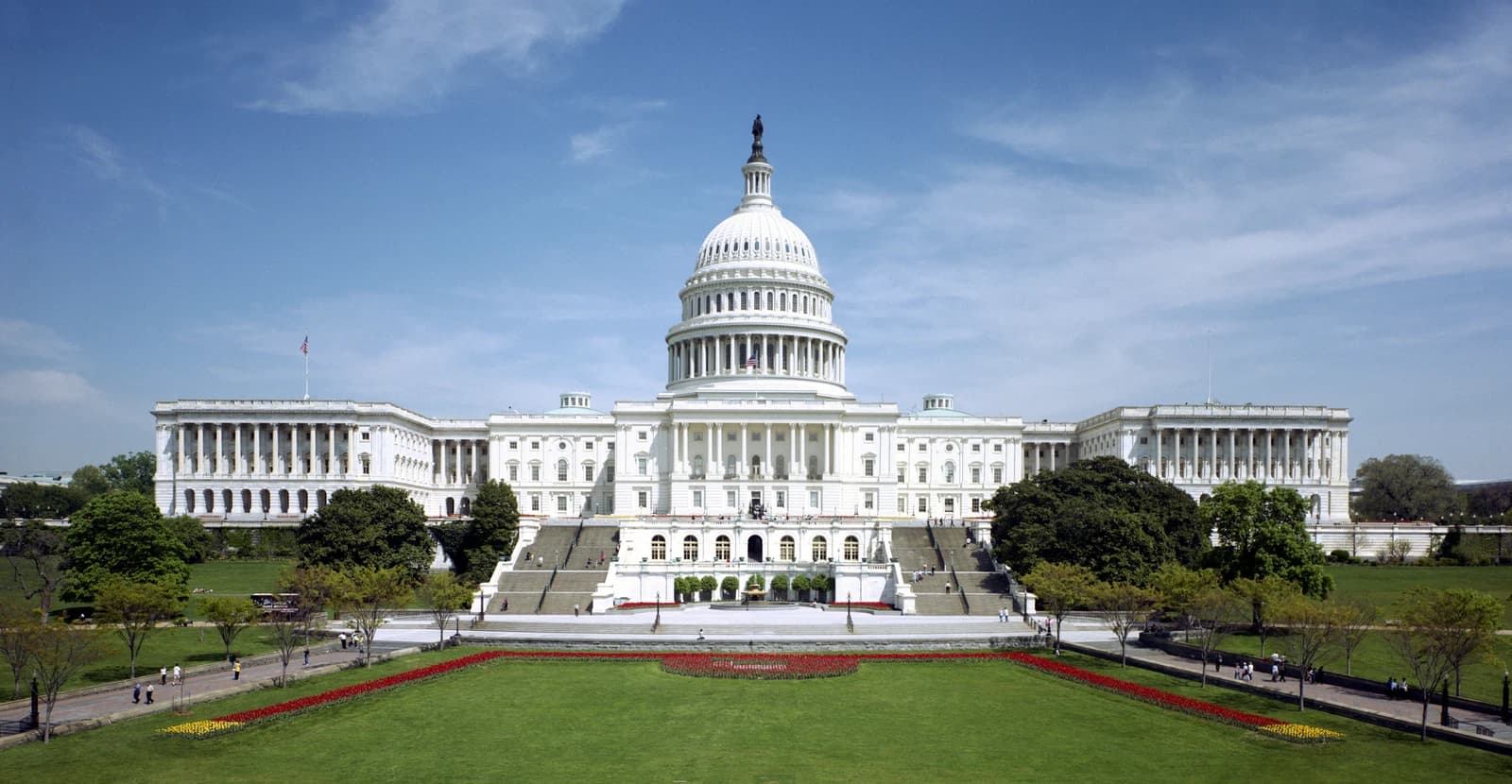
Sentiment IndicatorsⓘProprietary · adalytica.com · September 25, 2026
This is a snapshot — live sentiment, awareness and momentum for 130+ markets update continuously in the dashboard.Open AlphaPulse
For investors, the announcement sharpens the split between regulatory momentum and legislative uncertainty. Coinbase chief executive Brian Armstrong said the bill’s failure was disappointing but argued the SEC and CFTC still have tools to create clear rules, underscoring expectations that Washington’s agencies may shape the next phase of crypto market structure even without Congress.
The Senate vote, which fell 50-49 and missed the 60-vote cloture threshold, effectively put the CLARITY Act on ice as lawmakers prepare to leave Washington ahead of the November midterms. Senator Thom Tillis switched from yes to no in a procedural move that keeps the bill alive for possible reconsideration later, but the near-term path is narrow.
That political setback makes the SEC’s decision more important for markets trying to price the next catalyst in digital assets. The agency’s exemption could let early participants test on-chain stock trading in the U.S., potentially benefiting exchanges, brokerages and crypto platforms positioned to support tokenized products, while traditional market operators face the risk of new competition.
Shares of Coinbase, Robinhood and Interactive Brokers are already in focus as investors look for the firms best placed to capture any expansion in tokenized securities, crypto trading activity and retail participation. COIN has recovered from its early-year lows and closed recently around $198, HOOD has rebounded to about $123, and IBKR has held near $92, reflecting how closely the group remains tied to policy shifts in digital assets and trading volumes.
Bitcoin, meanwhile, remains under pressure, with market sentiment still driven by macro uncertainty and shifting rate expectations, limiting the near-term upside for the broader crypto complex. The next test is whether the SEC’s temporary framework attracts enough early adoption to push Congress back toward a lasting market-structure deal after the election.
| Entity | Gains | Losses |
|---|---|---|
| SEC | ▲More policy control | ▼Pressure to define lasting rules |
| Tokenization platforms | ▲Interim market access | ▼No permanent legal clarity |
| Coinbase, Robinhood, IBKR | ▲Potential new trading flow | ▼Regulatory uncertainty persists |
| Congress / Senate holdouts | ▲Political leverage | ▼Crypto reform momentum fades |