XRP slipped to $1.50 after lawmakers rejected the CLARITY Act, but the bigger market story is Ripple’s effort to keep the token’s investment case alive as U.S. crypto rules remain unsettled.
XRP Falls to $1.50 After CLARITY Act Rejection
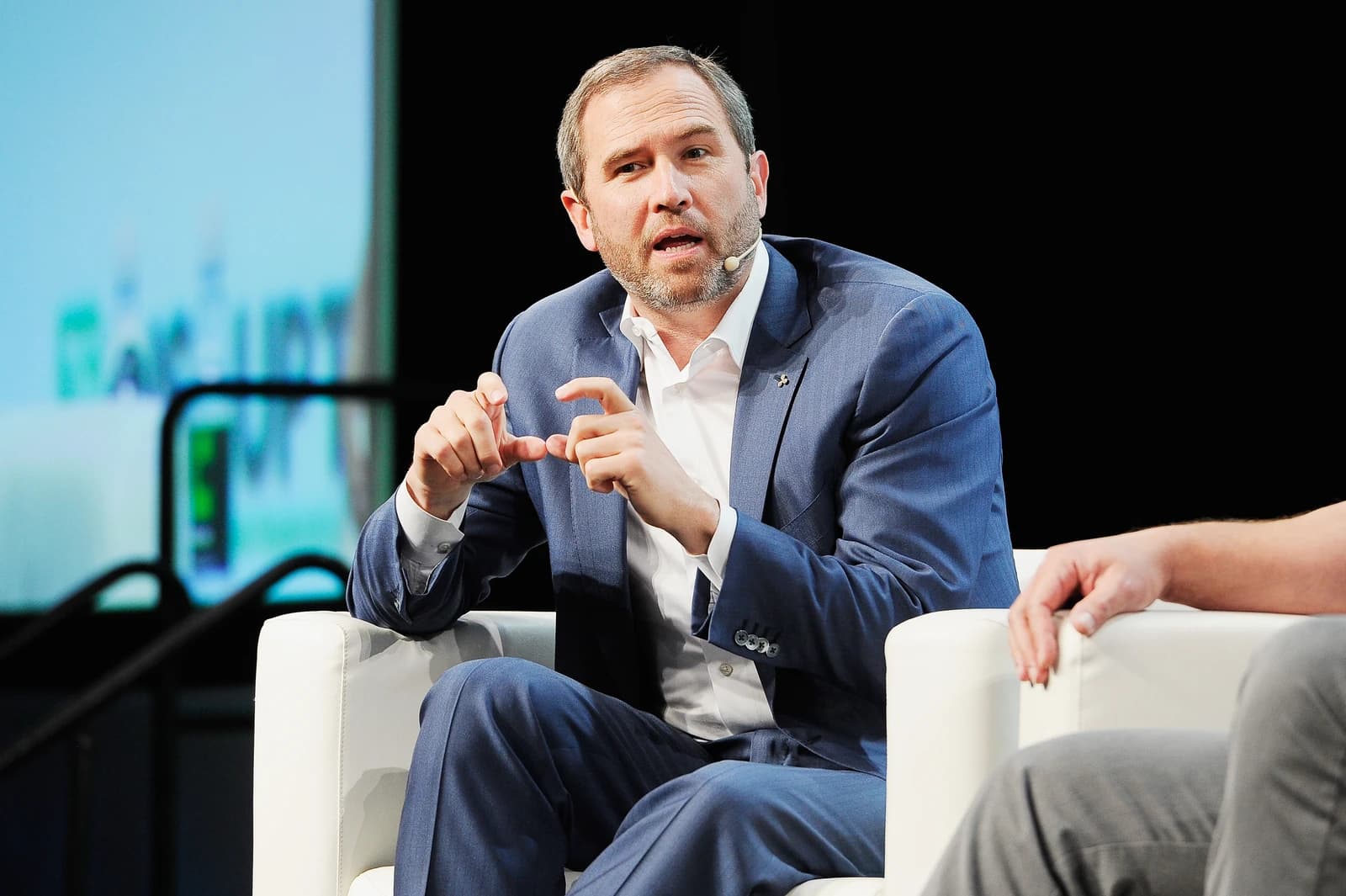
The move matters because XRP is still trading like a policy-sensitive asset, not a pure payment token. A clearer regulatory framework would have reduced the discount investors apply to anything tied to Ripple’s ecosystem, potentially broadening exchange access, institutional participation and the odds of a deeper ETF market. Instead, the rejection keeps the legal overhang in place and leaves traders focused on what Ripple chief executive Brad Garlinghouse says comes next.
That uncertainty is showing up in the tape. XRP has climbed from a February low of $1.21 but remains far below its earlier peaks, and its 50-day moving average of about $1.29 is still below the spot price, suggesting a recovery is underway but not yet strong enough to confirm a durable trend. The relative strength index at 57.2 indicates momentum has improved without tipping into overbought territory, while the moving-average convergence line remains only modestly positive. In other words, the market is repricing hope, not certainty.
For investors, the policy setback cuts both ways. Bulls can argue that the rejection merely delays rather than destroys the regulatory path, and that any sign of progress from Ripple could reawaken demand for XRP and related crypto equities. Bears will say the failure to pass the bill reinforces a familiar pattern: each legislative pause keeps XRP vulnerable to headline-driven swings and limits the re-rating that would come from a clean U.S. framework. That matters not just for XRP holders, but for shares of Coinbase and other crypto platforms that benefit when legal clarity draws more activity into the sector.
The broader narrative is that XRP’s price continues to reflect the gap between Ripple’s corporate messaging and Washington’s pace. Garlinghouse’s next move will matter because policy, not just technology or adoption, remains the main driver of sentiment around XRP. If Ripple can turn the rejection into a new lobbying push, settlement narrative or market-access catalyst, traders may look past the setback. If not, XRP is likely to keep trading as a proxy for regulatory disappointment.
| Entity | Gains | Losses |
|---|---|---|
| Ripple/XRP bulls | ▲Buy-the-dip opportunity | ▼Policy clarity delayed |
| Ripple/Brad Garlinghouse | ▲New lobbying angle | ▼Near-term credibility risk |
| Coinbase and crypto exchanges | ▲More trading volatility | ▼Slower regulatory repricing |
| XRP bears | ▲Continued legal overhang | ▼Risk of policy rebound |