Crypto’s biggest political money machine is again pouring tens of millions into Ohio, underscoring how the industry still views Senate control as the fastest route to durable U.S. regulation.
Fairshake plans $30 million against Sherrod Brown
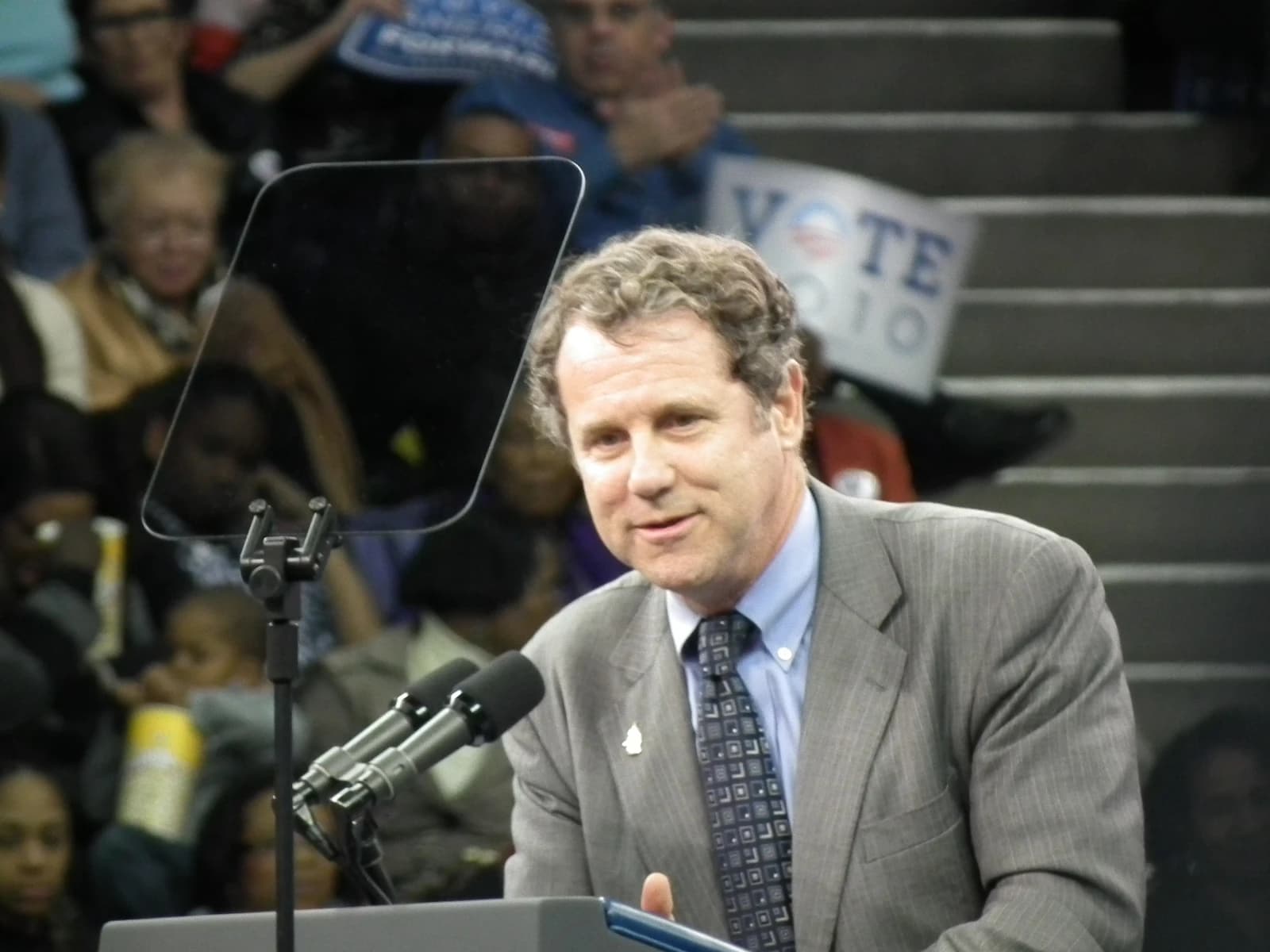
Fairshake said it will spend $30 million to try to defeat Democrat Sherrod Brown’s bid to return to the Senate, the largest single-candidate outlay in the 2026 cycle and the latest sign that digital-asset firms are willing to spend at near-corporate-scale levels to shape the policy map in Washington. The push comes with more than $90 million still sitting in Fairshake’s war chest, meaning the industry’s final weeks of spending could reshape several tight races.
Sentiment IndicatorsⓘProprietary · adalytica.com · September 25, 2026
This is a snapshot — live sentiment, awareness and momentum for 130+ markets update continuously in the dashboard.Open AlphaPulse
The economic logic is straightforward: crypto firms want lawmakers who can move legislation, not just talk about it. Brown, long one of the Senate’s sharpest critics of digital assets, spent years blocking the industry’s preferred market-structure bill as chairman of the Banking Committee. His removal in 2024 helped clear the way for Republicans and made room for progress on stablecoin rules and the Digital Asset Market Clarity Act, even though the broader market-structure package remains unfinished.
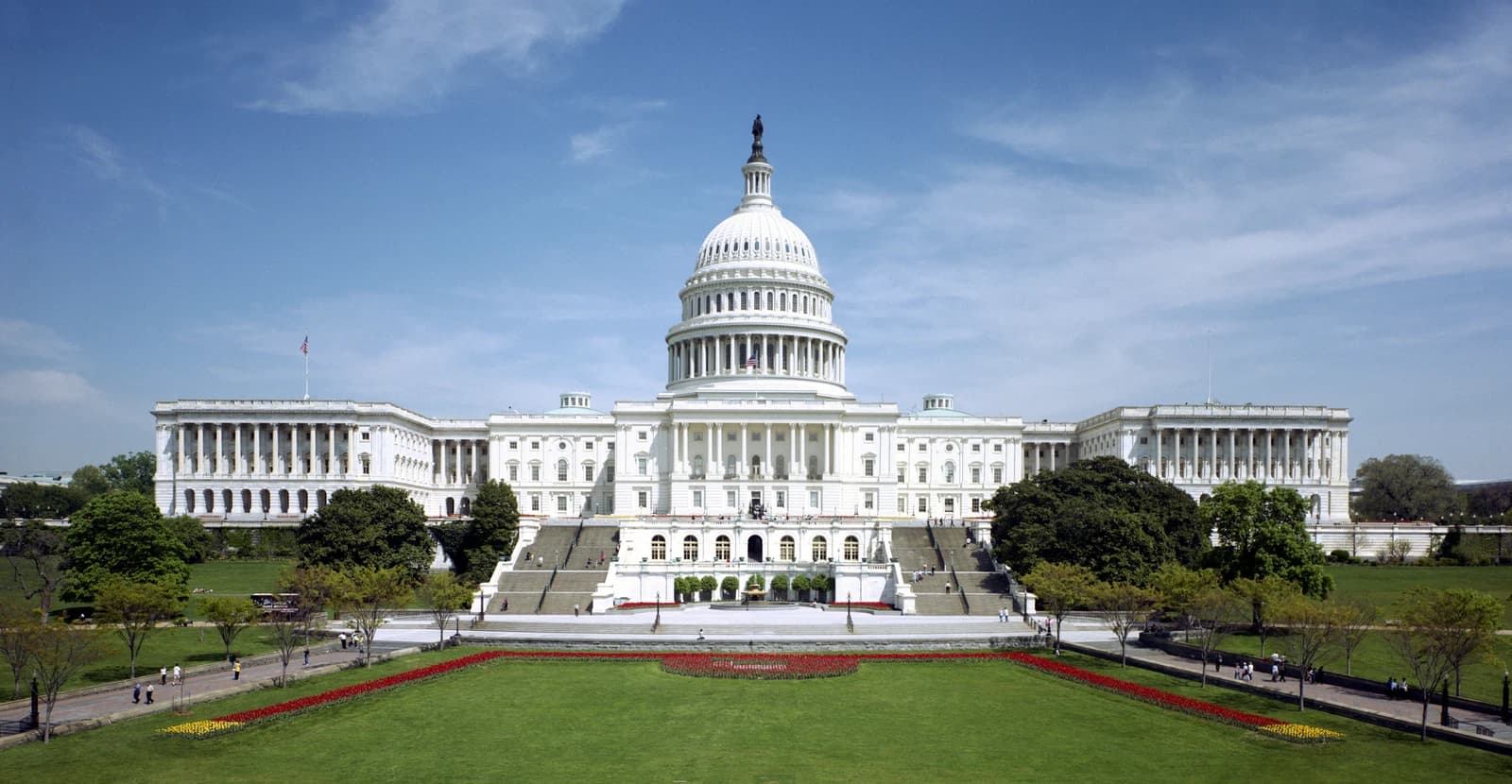
That is why the spending matters beyond Ohio. It is not simply about one Senate seat, but about the balance of power on committees that determine whether crypto gets a workable federal framework or remains trapped in piecemeal enforcement. The industry’s wager is that a few pivotal seats can alter the legislative calendar, regulatory posture and, ultimately, the cost of doing business for exchanges, token issuers and infrastructure providers.
Investors have long treated policy as a valuation driver for the sector. Coinbase, Ripple Labs and Andreessen Horowitz-backed political efforts have already shown they can help produce friendlier lawmakers, but not yet the full statutory clarity the industry wants. For Coinbase and peers, that means the upside case still rests partly on Washington reducing legal uncertainty around exchanges, stablecoins and token classification. The downside case is equally clear: another Brown-era block on banking oversight could delay legislation, keep enforcement risk high and limit institutional adoption.
The timing also highlights how crypto lobbying has matured into a recurring campaign strategy rather than a one-off defense. Fairshake’s spending against Brown two years ago was its largest ever at the time, and its decision to repeat the playbook suggests the sector believes elections are now part of its operating environment. The ads themselves often omit crypto entirely, but the goal is obvious: buy enough political room for lawmakers friendly to the industry to shape committee agendas.
Polls show Brown narrowly trailing Republican incumbent Jon Husted, while betting markets still give Brown a fighting chance, a reminder that the race remains competitive enough for outside money to matter. Fairshake’s remaining budget means the Ohio fight is unlikely to be its last major intervention before November, keeping crypto at the center of the broader battle over Senate control and the future of U.S. digital-asset rules.
| Entity | Gains | Losses |
|---|---|---|
| Fairshake / crypto industry | ▲More pro-crypto lawmakers | ▼Policy uncertainty, Brown victory |
| Sherrod Brown | ▲Campaign attention, fundraising contrast | ▼Outside spending against him |
| Coinbase, Ripple, a16z-backed allies | ▲Better odds of legislation | ▼Senate gridlock |
| Investors in crypto-linked firms | ▲Regulatory clarity potential | ▼Prolonged enforcement risk |