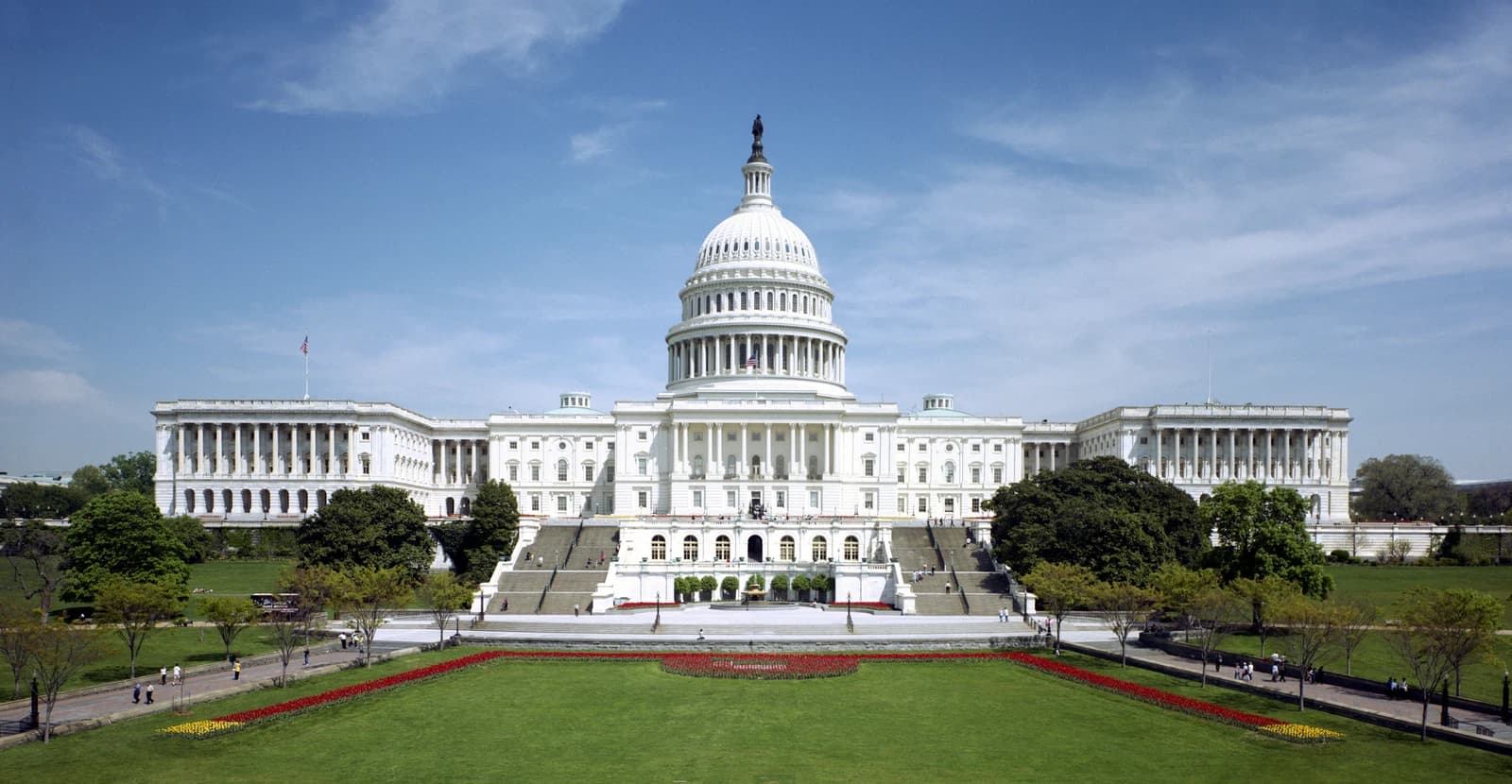
The US Senate’s failure to advance the Clarity Act leaves the digital-asset industry without the federal rulebook it has been lobbying for, prolonging regulatory uncertainty just as bitcoin and crypto-linked stocks were already under pressure from volatile markets.
US Senate Fails to Advance Clarity Act

The vote matters because the bill was meant to answer one of the industry’s most consequential questions: when a token is a security, when it is a commodity and which agency gets to police it. Without that statutory line, oversight remains split between the Securities and Exchange Commission and the Commodity Futures Trading Commission, forcing firms to navigate enforcement, rulemaking and legal risk instead of a clear licensing framework.
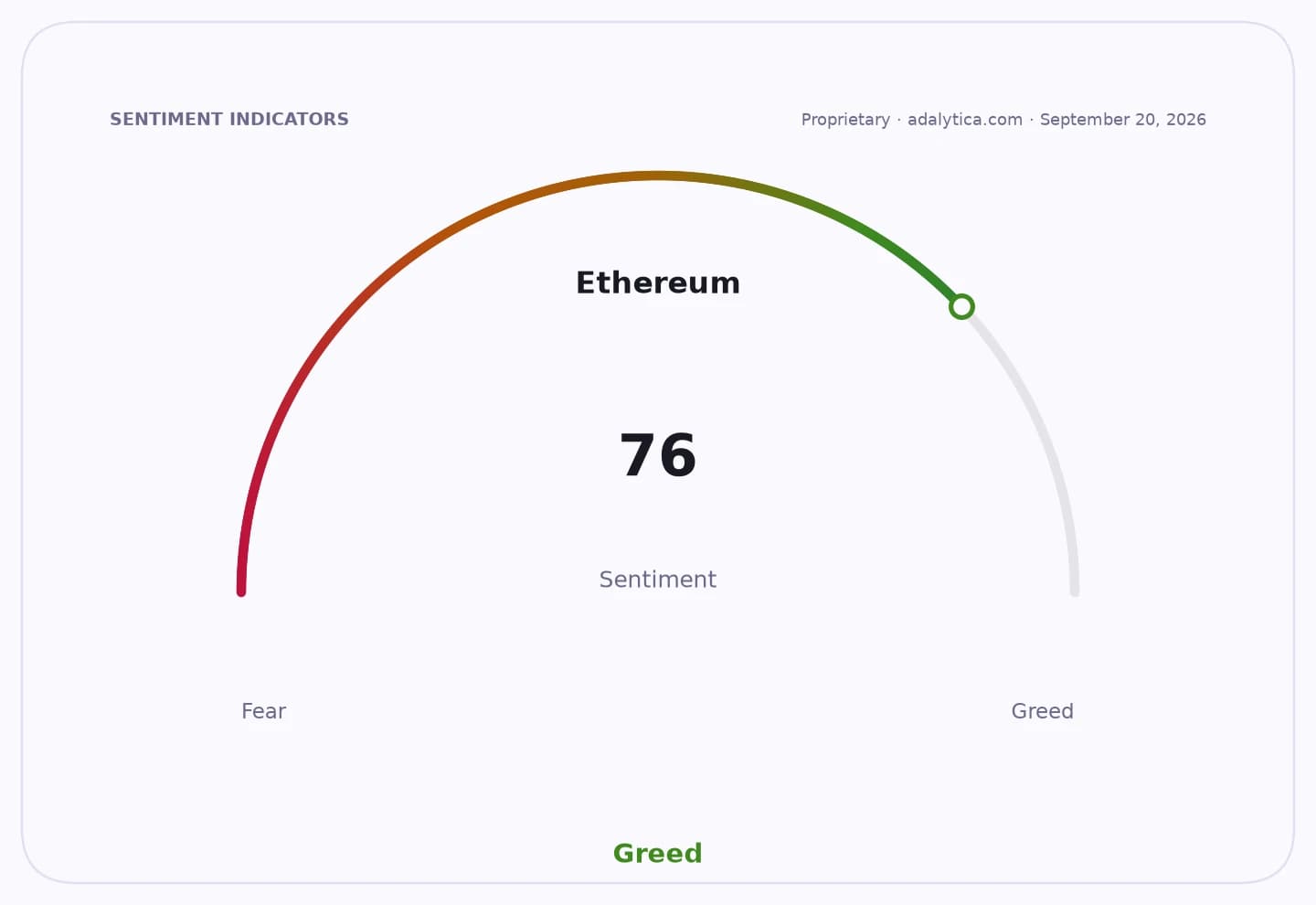
Sentiment IndicatorsⓘProprietary · adalytica.com · September 18, 2026
This is a snapshot — live sentiment, awareness and momentum for 130+ markets update continuously in the dashboard.Open AlphaPulse
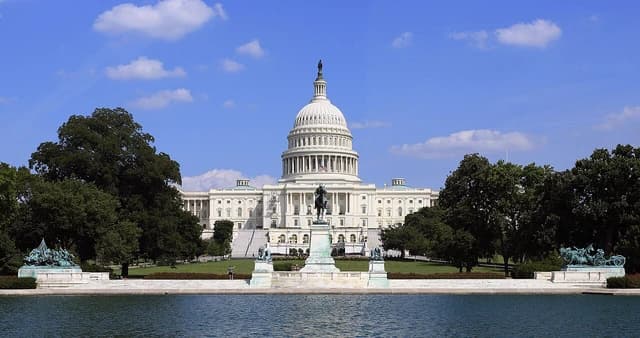
For investors, the immediate impact is on valuation and sentiment across the crypto complex. Bitcoin was trading at $81,296.27 on Sept. 18, rebounding from $76,403.77 a day earlier, but still far below its recent highs and well short of the kind of policy premium that proponents of the legislation had hoped for. Coinbase, a direct proxy for trading activity and regulatory clarity, closed at $194.25 after a sharp two-day swing, while MicroStrategy jumped to $153.92, underscoring how quickly crypto beta can move when policy expectations change.
The setback is especially important because listed crypto companies have built their investment case around the prospect of a more predictable US framework. Coinbase’s business depends on exchange volumes and the ability to list assets with greater confidence over their regulatory status. MicroStrategy remains leveraged to bitcoin itself. Both names tend to benefit when investors believe Washington is moving toward formal recognition of digital assets as a durable part of the financial system. A failed Senate vote does the opposite: it raises the risk that growth will continue, but under a fragmented and litigated regime.
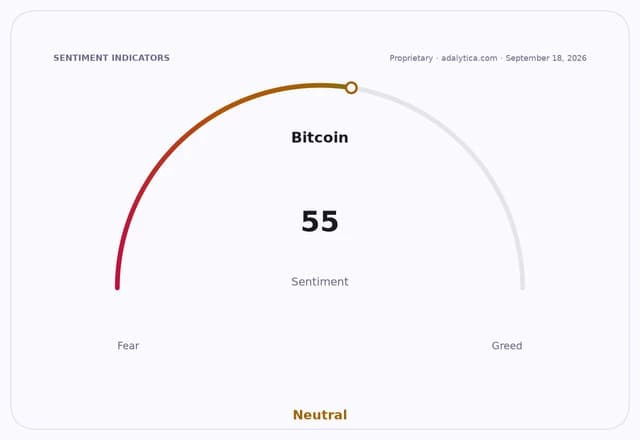
That fragmentation also has macro implications. A lack of clarity discourages institutional adoption at the margin by keeping compliance costs high and prolonging the possibility of sudden enforcement shifts. It also leaves the sector more exposed to swings in risk appetite, especially when higher-for-longer rates and a still-sticky credit backdrop make speculative assets less forgiving. Adalytica’s Bitcoin Fear & Greed Index was at 55, a neutral reading, while the broader market’s trade signals also pointed to mixed positioning rather than conviction.
The politics are no easier. The House had already approved the CLARITY Act, but the Senate’s failure shows how hard it remains to forge a bipartisan compromise on crypto at a time when lawmakers are still split between promoting innovation and tightening investor protection. The industry may yet return with a narrower bill or seek incremental regulatory guidance, but investors should assume the current state of play persists: policy support is still possible, but a clean federal framework is now delayed.
Until Washington resolves the basic question of how digital assets should be classified and supervised, crypto markets are likely to remain driven more by liquidity, speculation and agency action than by statute. That keeps the upside for bulls intact, but leaves the downside in place as well.
| Entity | Gains | Losses |
|---|---|---|
| SEC/CFTC | ▲More regulatory discretion | ▼Less statutory clarity |
| Coinbase | ▲Ongoing exchange activity | ▼Higher compliance uncertainty |
| MicroStrategy/bitcoin longs | ▲Policy hopes still alive | ▼Delayed regulatory premium |
| Crypto industry | ▲Chance for revised bill | ▼Near-term legal ambiguity |