They made off with one of the biggest bitcoin heists in U.S. history, but the real mistake was what came next: a month-long spending spree that helped bring the whole operation down. For investors, that’s a reminder that crypto crime is not just a law-enforcement story — it’s part of the market’s long-running battle over trust, custody and legitimacy.
Bitcoin theft case highlights crypto security risks
Federal prosecutors say Malone Lam and 17 others used a “social engineering” scam to steal more than 4,100 bitcoin, worth over $240 million at the time, from a Washington resident. Instead of disappearing quietly, the group bought sports cars, rented mansions, flew private jets and splashed cash at nightclubs, making themselves easy to track. Lam alone allegedly spent more than $569,000 in a single evening in Los Angeles, while his circle used stolen crypto to buy watches, Lamborghinis, Ferraris and legal defense.
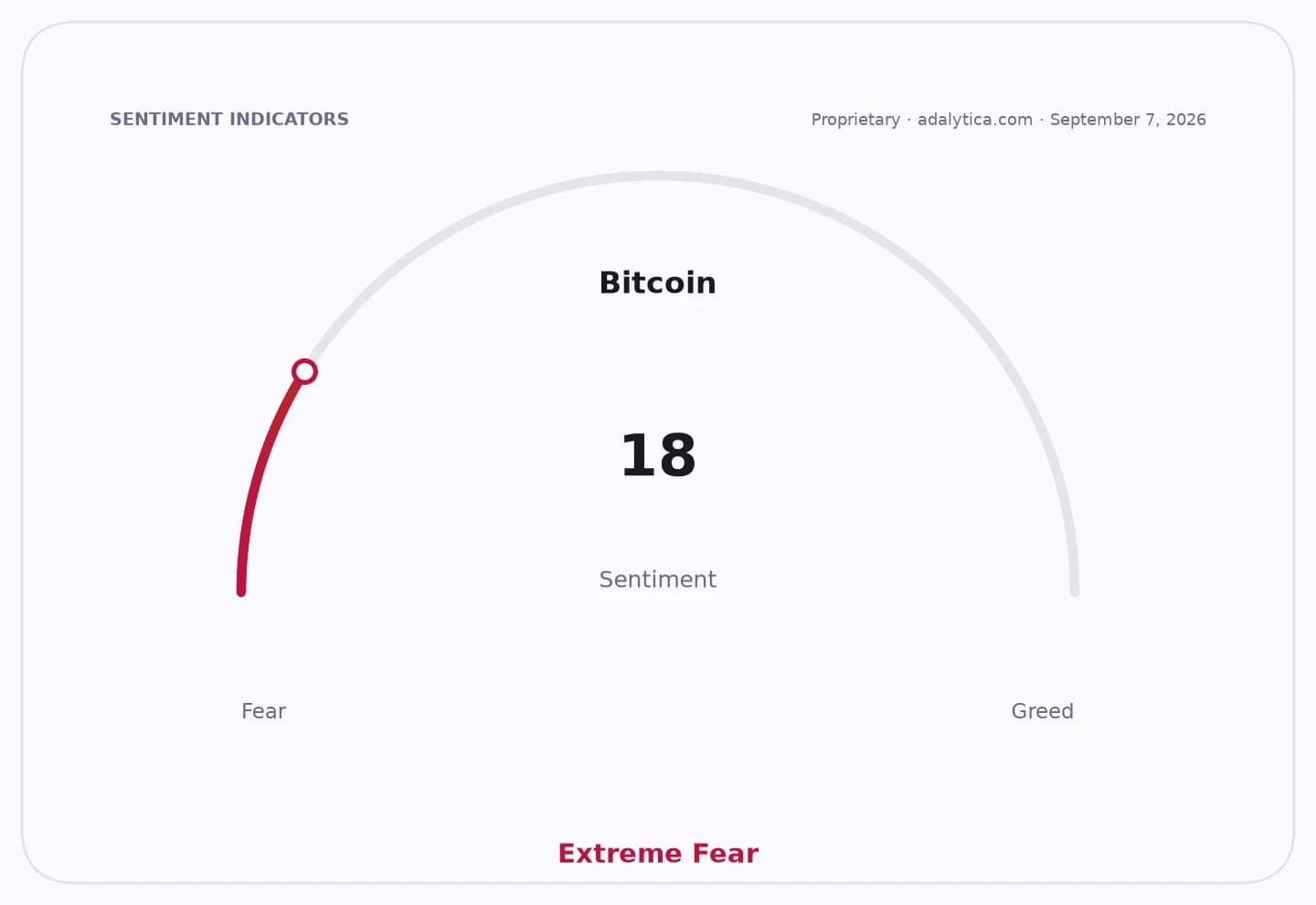
Sentiment IndicatorsⓘProprietary · adalytica.com · September 7, 2026
This is a snapshot — live sentiment, awareness and momentum for 130+ markets update continuously in the dashboard.Open AlphaPulse
That matters economically because every large-scale crypto theft reinforces the same point: digital assets may be fast and borderless, but they are only as secure as the weakest human link. In this case, the weak link was not code but persuasion. The victim was manipulated into surrendering access to Google Drive and security codes after callers posed as Google and Gemini representatives. For the broader crypto economy, that is a costly problem. The FBI says complaints of cryptocurrency investment fraud rose nearly 50% in 2025, suggesting the scam economy is growing even as prices remain far above the levels seen in prior bear markets.
It also matters for investors because crime, regulation and market confidence feed on one another. Crypto markets can absorb bad headlines in the short run, but persistent fraud risk keeps mainstream money cautious and raises the cost of doing business for exchanges, custodians and service providers. Coinbase, which appears in the court filings as one of the exchanges used in the laundering trail, and other platform operators benefit when the industry looks more compliant and institutional. They lose when headlines reinforce the old view that crypto is a magnet for speculation, theft and easy money.
The timing is awkward for the industry, too. The Trump administration has taken a far more hands-off approach than the Biden White House, and the Justice Department has already disbanded a unit devoted to crypto-related crimes. That lighter touch may please some digital-asset companies, but it also leaves the market with a credibility gap if enforcement doesn’t keep up with the scale of the fraud. When criminals can move millions through exchanges and cash out into luxury assets, investors are left wondering how much of crypto’s “freedom” is really just a lack of oversight.
The long-term lesson is simple: crypto is still developing the institutional guardrails that mature asset classes take for granted. Bitcoin itself remains a major investable asset, but the ecosystem around it is still vulnerable to human error, weak security practices and fast-moving criminal networks. Bitcoin traded around $79,000 in recent data, far below its highs, while technical readings showed it easing from overbought territory into a more neutral range. For long-term investors, that volatility is exactly why custody, compliance and reputation matter as much as price charts.
If prosecutors secure a conviction, the case will stand as a cautionary tale for the next wave of digital-asset speculators: fast gains can vanish just as quickly when they are built on fraud. For investors, the better strategy remains boring but durable — own quality crypto exposure only as part of a diversified portfolio, and treat platform security as a core part of the investment case. The party may be over for these scammers, but the industry’s trust problem is still worth watching.
| Entity | Gains | Losses |
|---|---|---|
| FBI and prosecutors | ▲Stronger enforcement case | ▼Higher fraud workload |
| Crypto exchanges and custodians | ▲Push for tighter standards | ▼Reputational pressure |
| Long-term bitcoin investors | ▲Cleaner market over time | ▼More short-term volatility |
| Crypto scammers | ▲None | ▼Assets, freedom, credibility |