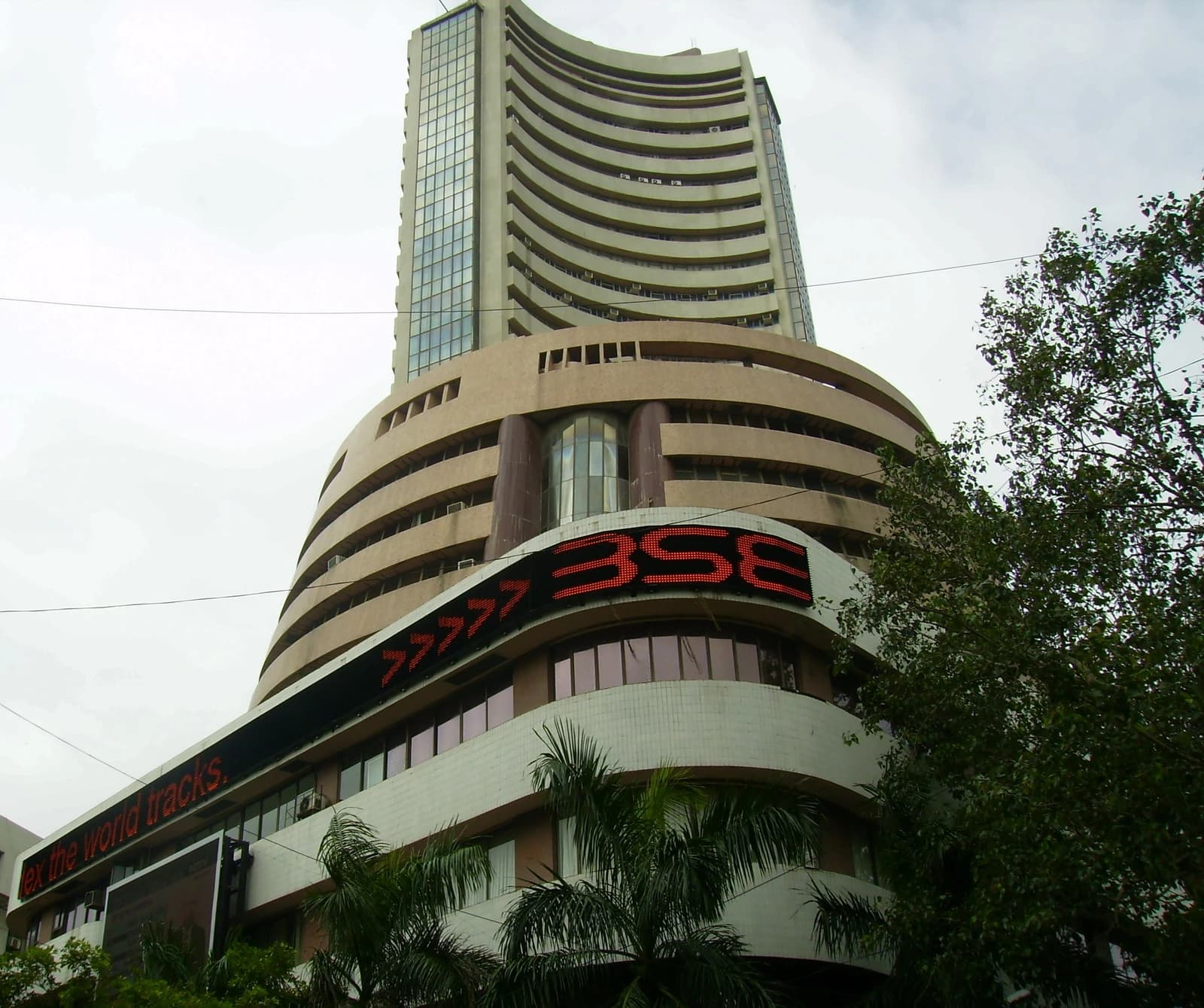
JPMorgan Chase is moving to restore its India trading business after a market-abuse probe tied to alleged index manipulation, a sign the bank wants to draw a line under a risk event that briefly threatened one of the world’s fastest-growing trading arenas.
JPMorgan Restores India Trading After Probe

The resumption matters because India has become a larger source of flows for global banks as foreign participation, derivatives activity and cross-border capital movement deepen. For JPMorgan, the return to trading suggests the firm sees the commercial opportunity as too important to leave idle, even as it continues to manage legal and reputational exposure from the investigation.
Sentiment IndicatorsⓘProprietary · adalytica.com · September 10, 2026
This is a snapshot — live sentiment, awareness and momentum for 130+ markets update continuously in the dashboard.Open AlphaPulse
The timing also underscores how sensitive global banks remain to compliance failures in emerging markets where trading volumes are growing faster than regulatory infrastructure. Any allegation of manipulation around benchmark or index-related activity can quickly spill beyond one franchise, raising questions for counterparties, clients and regulators about internal controls and the cost of doing business in India’s capital markets.
For investors, the issue is less about the immediate earnings impact than about franchise durability. JPMorgan’s shares have been resilient, with the stock holding above both its 50-day and 200-day moving averages, while momentum indicators such as RSI have normalized after earlier swings. That leaves the core investment case intact, but the episode is a reminder that trading revenue in high-growth markets can come with more operational risk than the market often prices in.
The broader narrative is that Wall Street banks are still pushing harder into India as the country opens more of its financial system to global capital, even as scrutiny of market conduct remains intense. If JPMorgan can resume activity without further escalation, it limits disruption to a strategically important business line. If the probe widens or triggers penalties, it could force tighter controls across regional trading desks and make rivals more cautious about expanding in the market.
What happens next will depend on whether regulators close the matter without material sanctions and whether JPMorgan can keep rebuilding client relationships in India without a lingering discount on trust.
| Entity | Gains | Losses |
|---|---|---|
| JPMorgan Chase | ▲India trading access | ▼Short-term reputational risk |
| India market clients | ▲Banking liquidity | ▼Uncertainty over controls |
| Competing global banks | ▲Less JPM disruption | ▼Tougher compliance scrutiny |
| Regulators | ▲Stronger market oversight | ▼Pressure to prove enforcement |