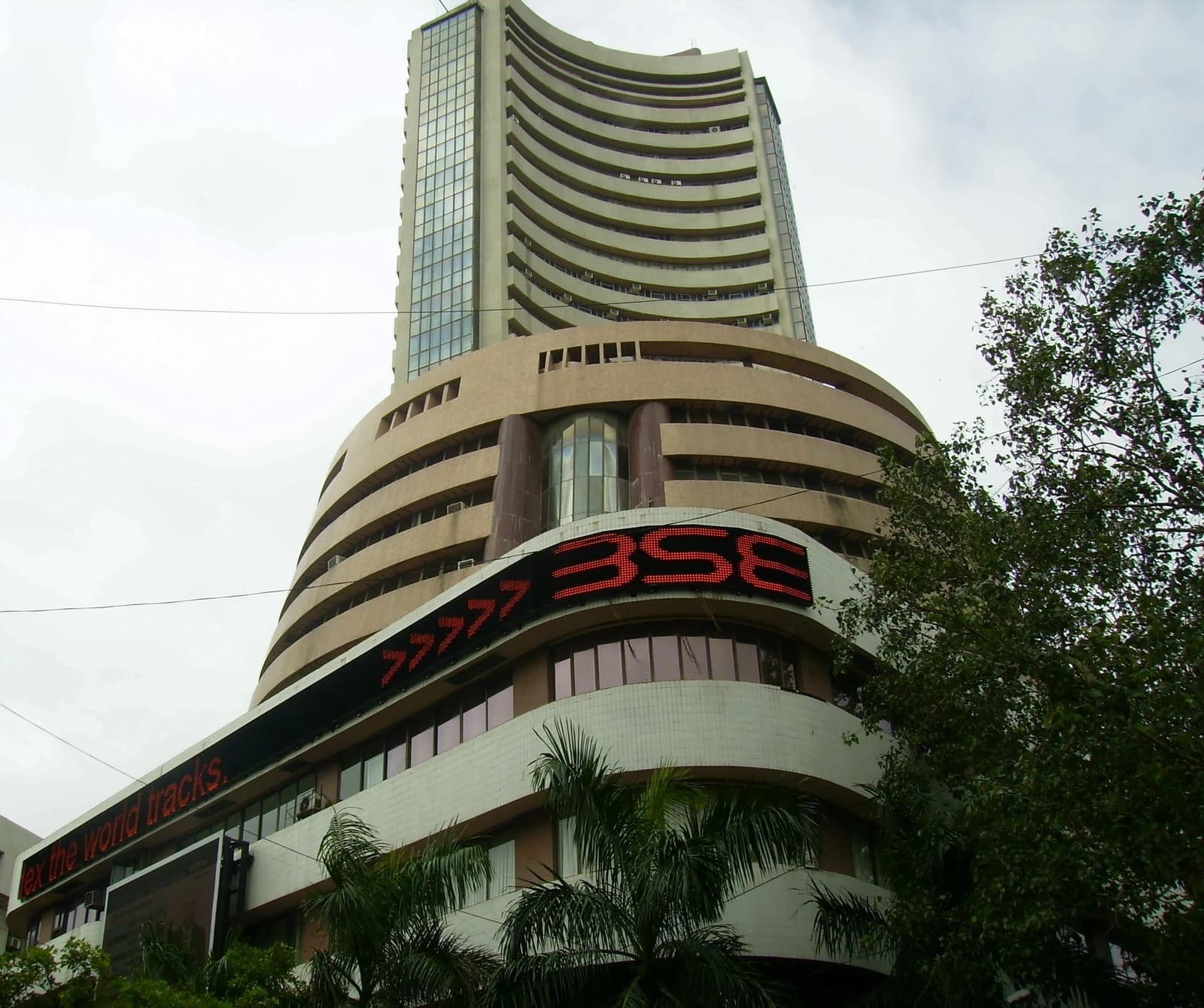
India is moving into a potentially costly five-day banking disruption next week as the Chief Labour Commissioner steps in to try to defuse a three-day strike planned by bank unions from Sept. 28 to 30.
India bank unions plan Sept. 28-30 strike
The timing is what makes the stoppage economically sensitive. The protest would overlap with the final days of the month, when companies process salaries, vendors settle dues and banks handle a heavy load of clearing and settlement transactions. Because the strike follows a weekend, the effective interruption to customer services could stretch to five days, raising the risk of delayed payments, slower cheque clearing and frictions in routine cash management.
Sentiment IndicatorsⓘProprietary · adalytica.com · September 25, 2026
This is a snapshot — live sentiment, awareness and momentum for 130+ markets update continuously in the dashboard.Open AlphaPulse
For the banking system, even a short work stoppage can ripple through the broader economy when it lands at month-end. India’s financial infrastructure has become more digital, but it still depends on banks to process payroll, reconcile accounts and support offline transfers and back-office settlements. A disruption during half-yearly closing would also be awkward for lenders and corporate treasurers trying to reconcile books, manage liquidity and meet reporting deadlines.
The immediate investor issue is not just operational inconvenience but execution risk. Public-sector banks are likely to bear the brunt of the strike if unions follow through, but the consequences would extend to private banks, payment workflows and small businesses that rely on continuous access to banking services. Any sign of delayed salary credits or stretched settlement cycles can also dent confidence in the reliability of financial plumbing, especially in a period when domestic consumption and cash flow are already under scrutiny.
Authorities are trying to avert that outcome through conciliation, but the unions are still pushing ahead. That leaves a narrow window for a compromise on pay, staffing or service conditions before the end-of-month crunch begins. If no agreement emerges, the episode will test how much economic activity in India can be absorbed by digital channels alone — and how much still depends on uninterrupted branch-level banking.
For investors, the key watchpoint is whether the dispute ends as a contained labour issue or broadens into a reminder that India’s formal financial system remains operationally vulnerable at peak transaction periods. A swift resolution would limit the impact to a short-term service disruption; a prolonged strike would have wider implications for liquidity management, payment delays and confidence in public-sector banks.
| Entity | Gains | Losses |
|---|---|---|
| Bank unions | ▲Bargaining leverage | ▼If talks fail, public support |
| Bank management / government | ▲Avoided disruption if deal is reached | ▼Operational continuity |
| Corporates / payroll users | ▲Quick resolution | ▼Salary and payment delays |
| Public-sector banks | ▲Stable operations | ▼Clearing, branch and settlement disruption |