NHM employees in Jammu and Kashmir have ended their strike after getting written assurances from the government, but the real story is that nearly 12,000 health workers are still waiting on the pay, job security and social benefits they say should already be in place.
J&K NHM Employees End Strike After Government Assurances
That matters economically because public health services depend on these workers to keep clinics, outreach programs and mission-level care functioning across the union territory. When a strike runs for days, it does more than disrupt hospital workflows — it raises the risk of delayed treatment, deeper public frustration and higher administrative costs for the state, which ultimately has to settle disputes or absorb the fallout.
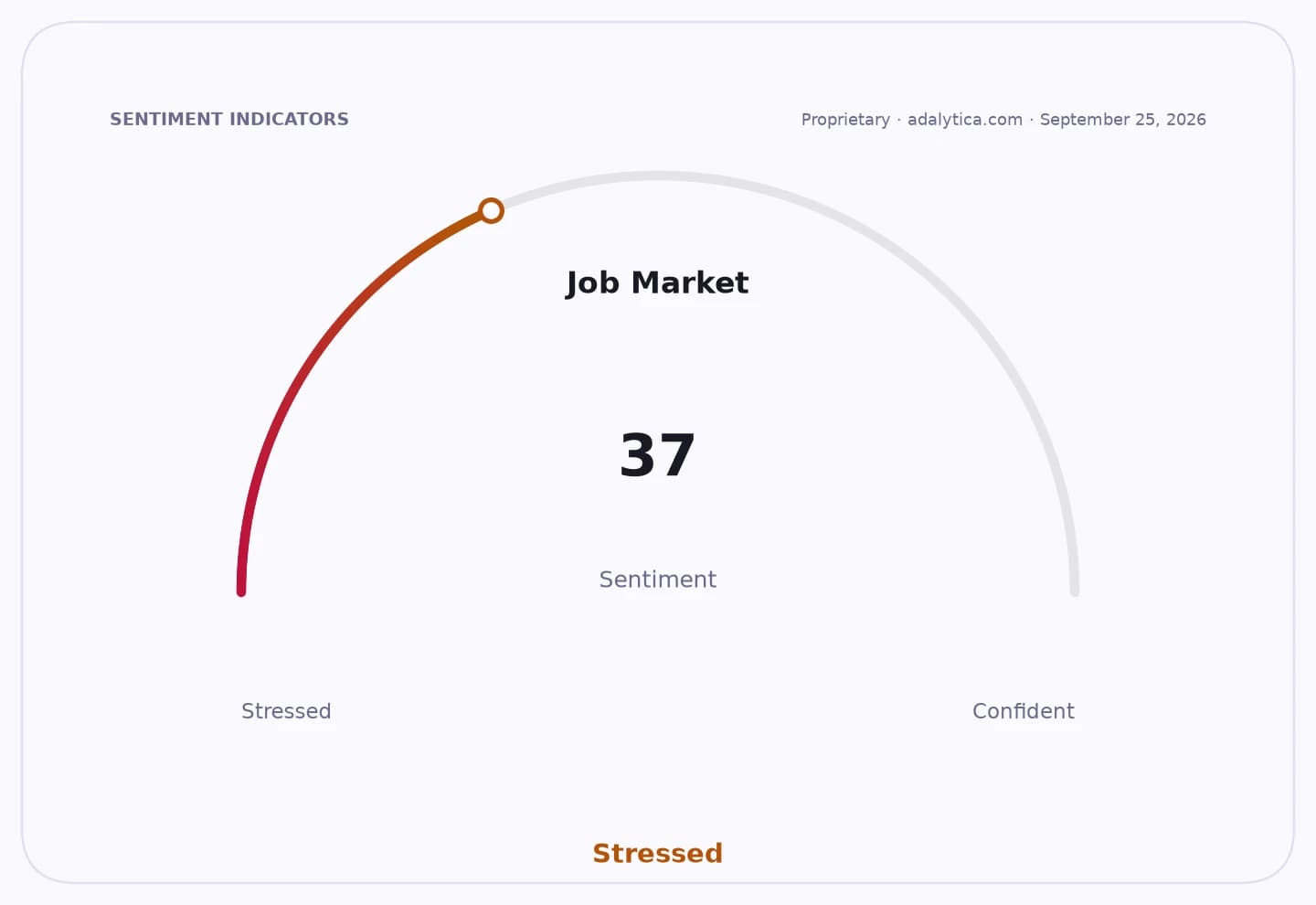
Sentiment IndicatorsⓘProprietary · adalytica.com · September 21, 2026
This is a snapshot — live sentiment, awareness and momentum for 130+ markets update continuously in the dashboard.Open AlphaPulse
The National Health Mission employees had been on strike since Sept. 5, pressing for a comprehensive job policy, salary revision and social-security benefits. Their union said the walkout was a last resort after repeated talks failed, and the decision to suspend it came only after a meeting with government officials and written assurances from the Health Department.
A committee has now been formed to examine the demands, with a report to be submitted to the government. The employees have given the administration one month to act, a deadline that turns this from a simple labor dispute into a near-term test of whether the Omar Abdullah government can convert promises into policy.
For investors, the immediate market impact is limited, but the broader lesson is familiar: labor peace in essential services is usually bought with higher wage bills, better benefits or both. In a region already balancing fiscal pressure with public-service needs, any eventual settlement could set a precedent for other state-linked workers seeking similar terms.
Adalytica’s job-market sentiment gauge, meanwhile, points to a labor backdrop that remains firm despite the strike ending, suggesting worker leverage is still intact. That is a reminder that even when strikes end, the negotiating power of essential workers does not necessarily disappear.
For long-term investors, the takeaway is simple. This is less about a one-off protest than about the cost of keeping critical public systems staffed. If the government moves quickly, the strike may fade into the background. If it does not, another round of disruption would only reinforce the same message: in essential services, unresolved labor demands eventually become economic demands. Worth watching.
| Entity | Gains | Losses |
|---|---|---|
| NHM employees | ▲Written assurances | ▼Immediate strike leverage |
| J&K government | ▲Time to negotiate | ▼Pressure to settle quickly |
| Patients and health services | ▲Risk of restored service | ▼Disruption from the strike |
| Taxpayers/public finances | ▲Short-term calm | ▼Higher wage and benefit costs |