Russia’s Nizhny Novgorod region is emerging as one of the country’s easier places to find work, ranking sixth in a new national assessment of labor-market well-being as Moscow and other wealthy regions compete for scarce workers and push pay higher.
Russia Nizhny Novgorod ranks sixth in labor market

The ranking matters because Russia’s labor market is being reshaped by chronic personnel shortages, shorter working days and rising wage costs that are filtering through key sectors from healthcare to transport. For employers, that means tighter recruitment and higher retention expenses; for workers, it means better bargaining power and, in some regions, faster wage growth.
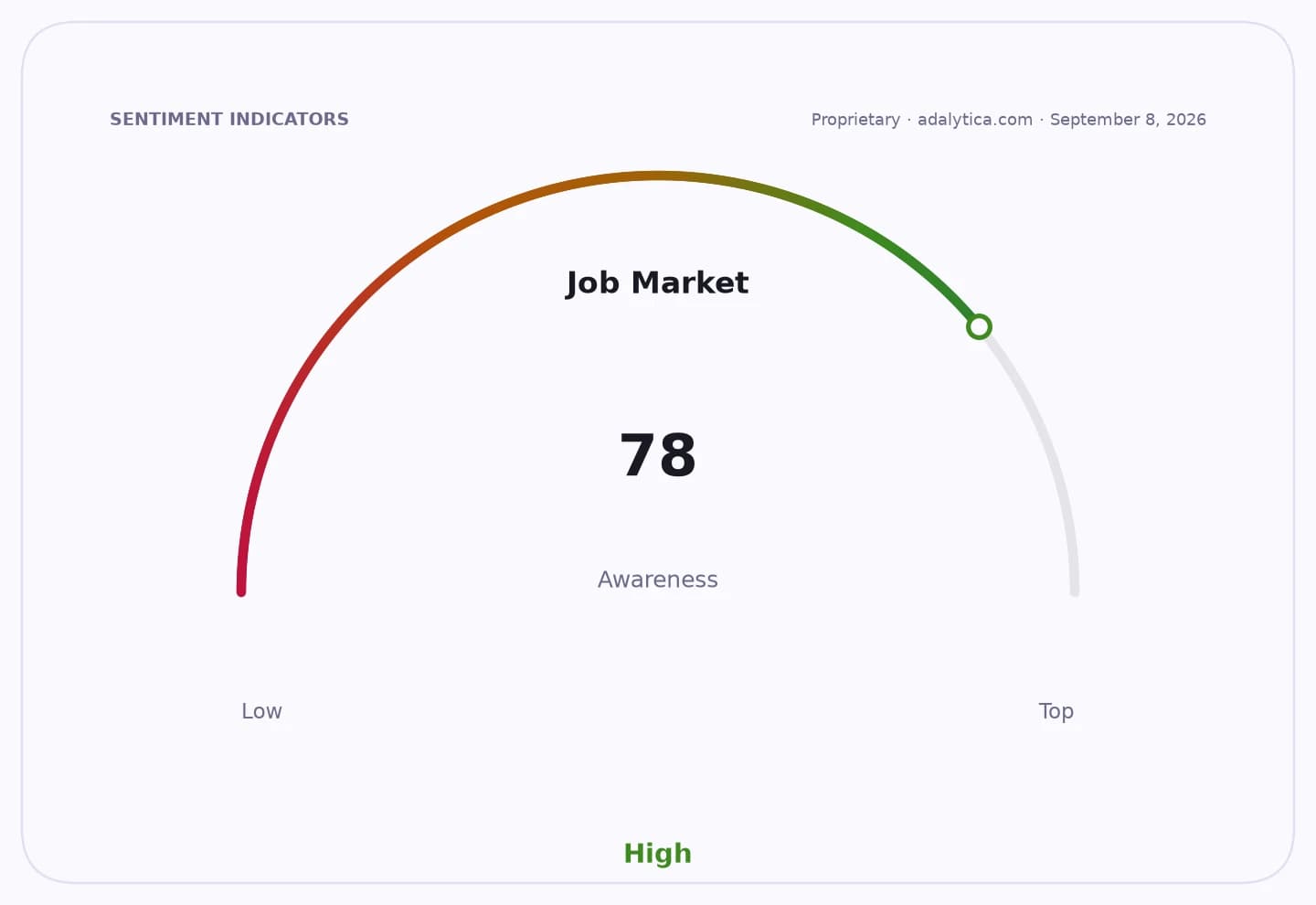
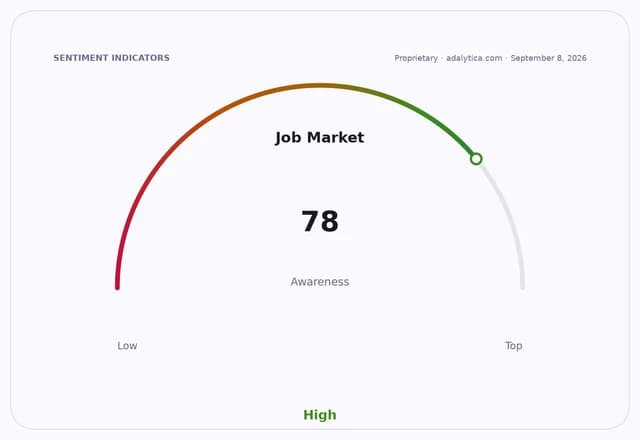
Sentiment IndicatorsⓘProprietary · adalytica.com · September 8, 2026
This is a snapshot — live sentiment, awareness and momentum for 130+ markets update continuously in the dashboard.Open AlphaPulse

RIA Novosti said the Nizhny Novgorod region placed sixth in the country in terms of labor-market well-being, underscoring how the industrial center outside Moscow is holding up in a period of broad labor tightness. Moscow region remains among the top three, while average salaries above 150,000 rubles a month are already reported in nine regions as of June, a sign that the competition for talent is no longer limited to the capital.
Policy makers are also moving to cushion the squeeze. Russia is preparing a larger sick-leave payment formula and working on a new salary scheme for medical workers, part of a wider effort to stabilize staffing in essential services. The average working day has also shortened, reflecting both labor scarcity and changing employer behavior.
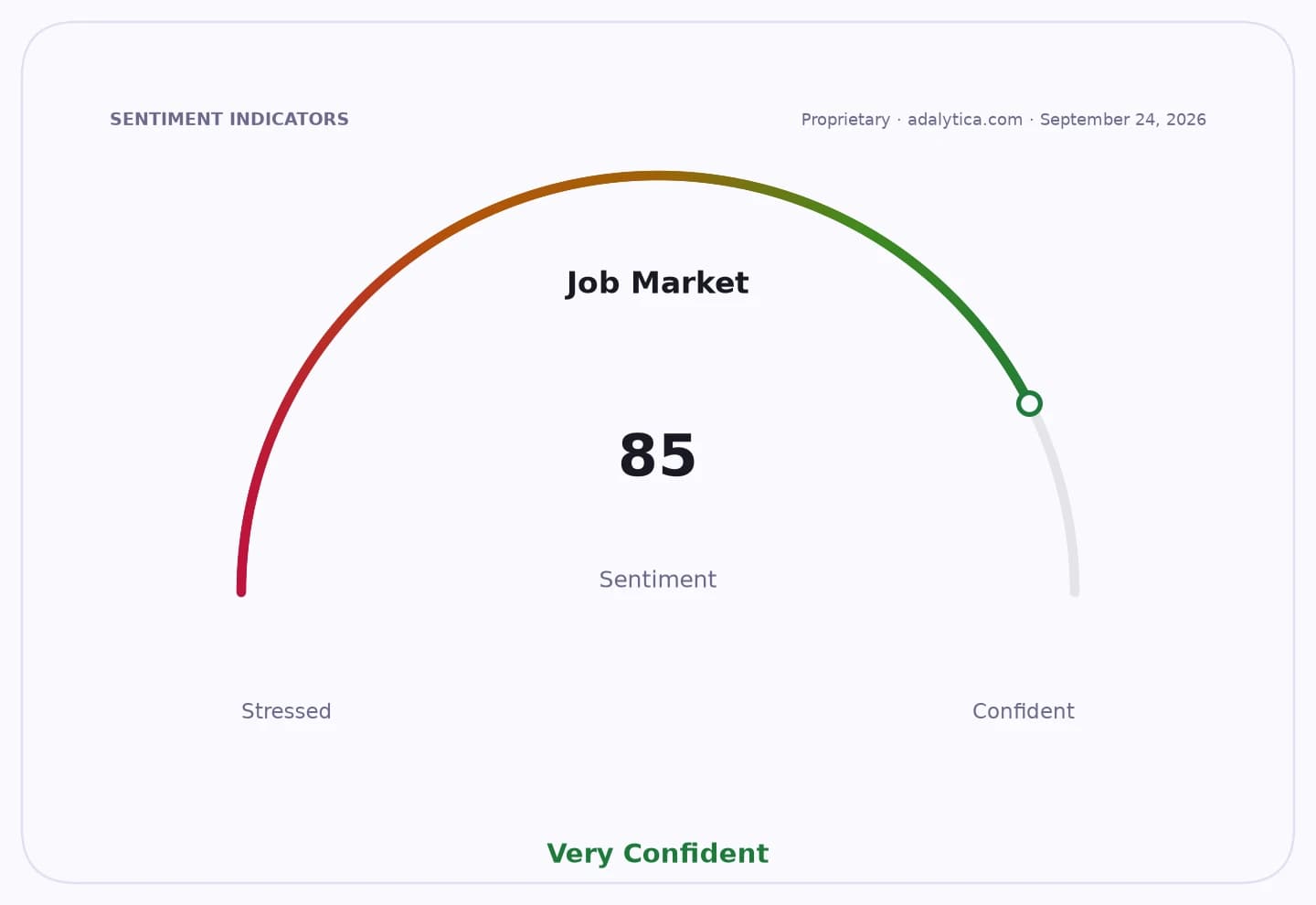
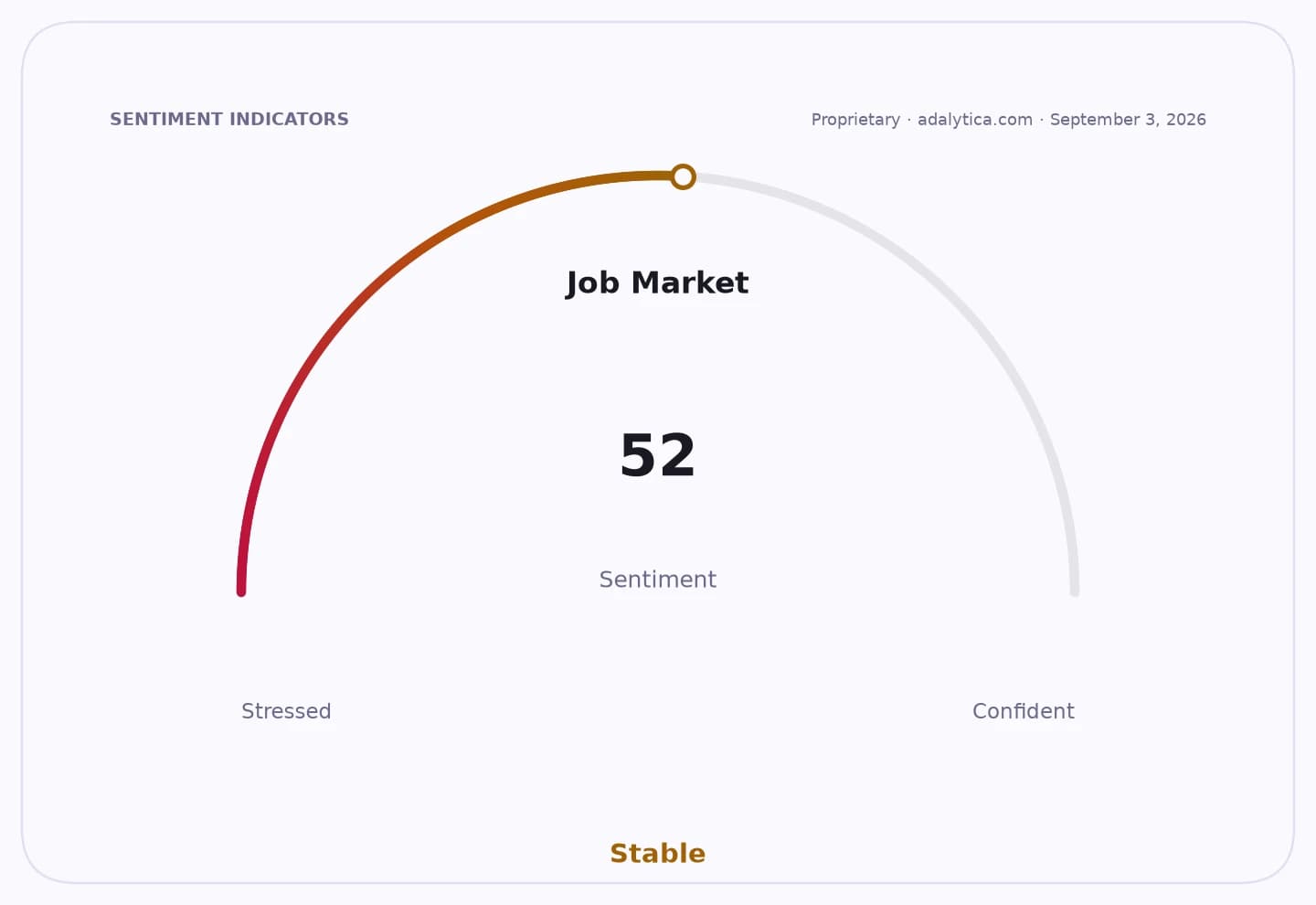
Investor relevance is clearest in sectors with heavy wage exposure. Higher labor costs can pressure margins for transport, healthcare, retail and industrial employers, while regions with stronger employment conditions may see faster consumer spending and less downside to household demand. The data also support the view that Russia’s labor market remains structurally tight even as broader recession fears linger, with proprietary Adalytica labor indicators showing job-market sentiment at 85 and payroll sentiment at 91, both in “greed” territory, while consumer-confidence recession sentiment sits at 4, or extreme fear.
For markets, the next catalyst is whether wage reforms and benefit changes actually slow turnover and ease shortages, or instead confirm that employers will have to keep paying up to secure staff.
| Entity | Gains | Losses |
|---|---|---|
| Nizhny Novgorod region | ▲Better job prospects | ▼Less labor scarcity pressure |
| Moscow region | ▲Top-tier labor market status | ▼Higher wage competition |
| Workers | ▲Stronger bargaining power | ▼Longer hours in tight sectors |
| Employers | ▲More stable staffing if reforms work | ▼Higher payroll and benefit costs |