Australia is moving ahead with a once-in-a-generation rewrite of its employment services system after nearly 350 submissions highlighted a demand for more tailored, locally responsive help for jobseekers and employers.
Australia Employment Services Reform Review
The consultation, published by the Australian government on Thursday, matters because employment services sit at the center of labor-market policy and budget spending: a system that places people into sustainable work faster can cut welfare dependency, lift participation and improve productivity. For investors, the reform is most relevant for policy-sensitive sectors tied to hiring, training and labor-market administration, where changes to provider models, employer engagement and public funding can alter margins and demand.
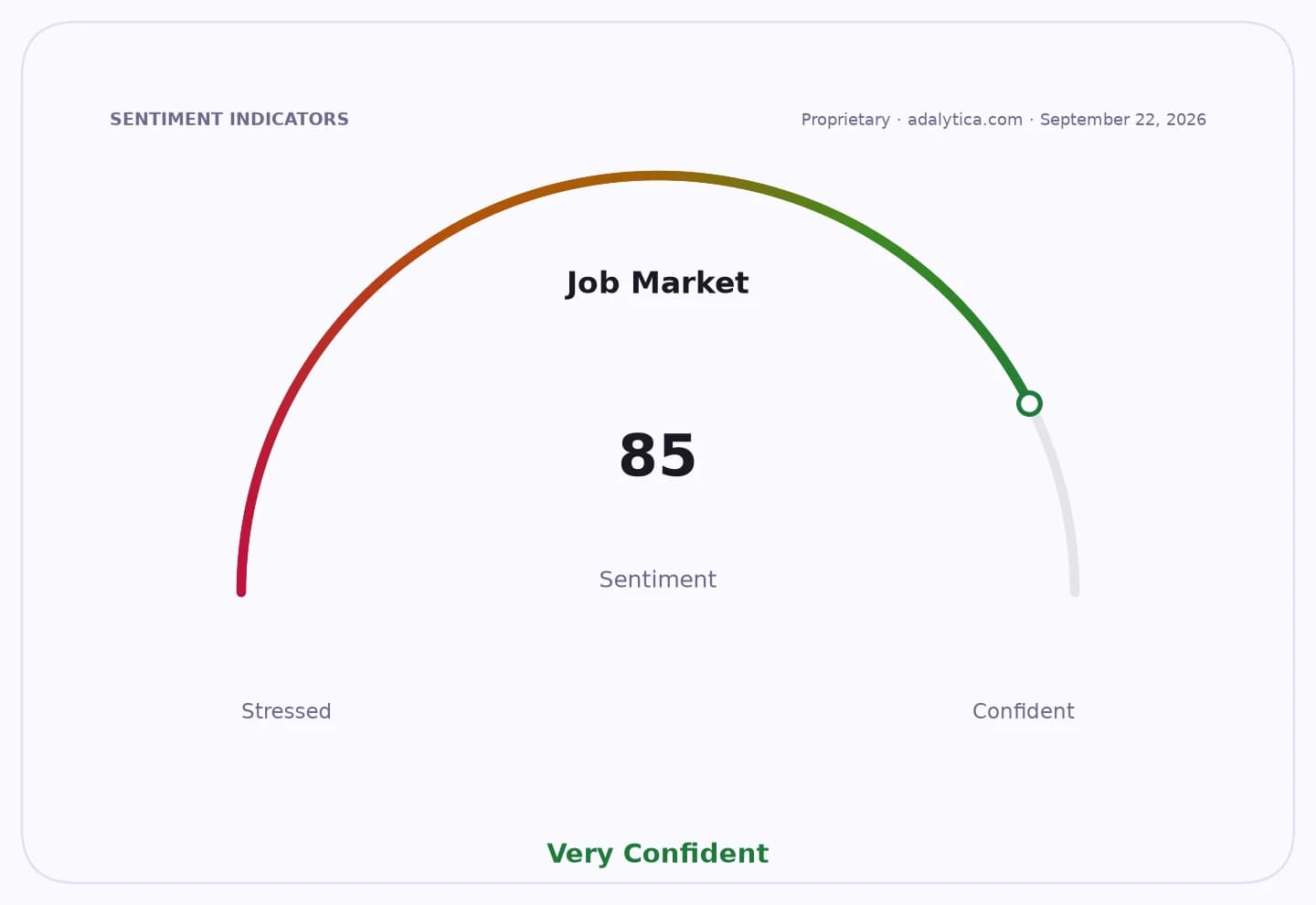
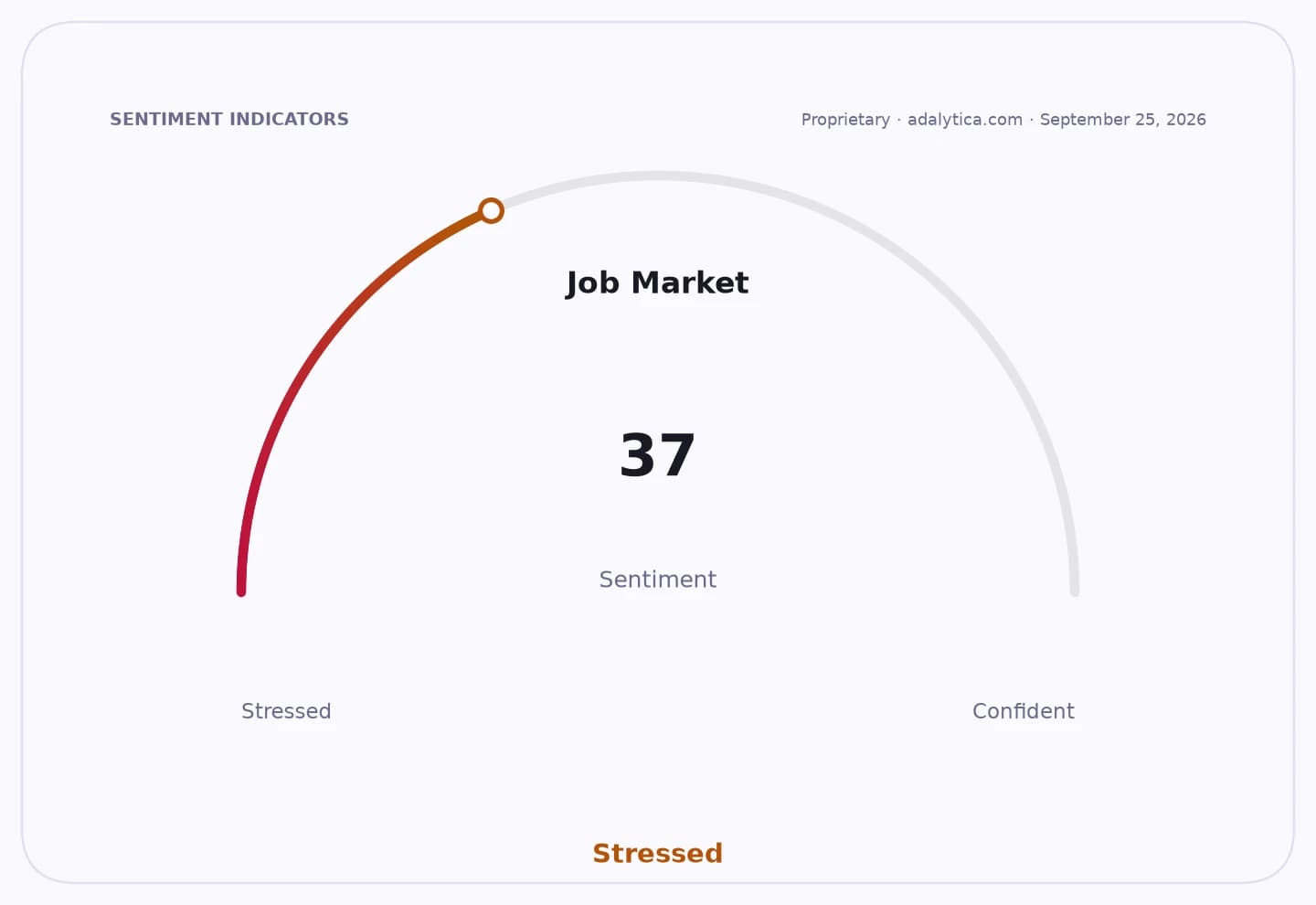
Sentiment IndicatorsⓘProprietary · adalytica.com · September 25, 2026
This is a snapshot — live sentiment, awareness and momentum for 130+ markets update continuously in the dashboard.Open AlphaPulse
Submissions to the Shaping the Future of Employment Services discussion paper pointed to the same set of pressure points — support that reflects different barriers to work, stronger engagement, better links to other services, more employer involvement and services that fit local labor markets. The government said the views came from jobseekers, providers, employers, advocates, community groups and First Nations stakeholders.
Employment and Workplace Relations Minister Amanda Rishworth said the process was a “once-in-a-generation opportunity” to reshape the system so it better supports Australians into “suitable and sustainable work.” She said the government was taking time to “listen, learn and get this reform right,” underscoring that the redesign is still being worked through rather than locked in.
Job Market — 30-day sentimentadalytica.com
Explore this data interactively — full history, time series and cross-market comparisons.Open AlphaPulse
The consultation also lands against a broader labor-market backdrop in which policymakers are under pressure to make work more accessible and durable, not just available. That puts emphasis on matching services to local conditions, improving coordination with other supports and avoiding a one-size-fits-all approach that can leave long-term jobseekers cycling through the system.
For investors, the key near-term question is how much the eventual model shifts funding, compliance and delivery toward providers that can prove better outcomes. Any move toward more individualized support and deeper employer links could favor firms able to operate at scale across regions, while increasing pressure on weaker providers exposed to stricter performance standards.
The government says the submissions will feed into the design of the reformed system alongside feedback from people with lived experience and other experts. The next market-relevant catalyst is the release of more detailed reform proposals, which will show whether Canberra opts for incremental changes or a broader reset of how Australia pays for and measures employment services.
| Entity | Gains | Losses |
|---|---|---|
| Jobseekers | ▲More tailored support | ▼One-size-fits-all services |
| Employers | ▲Better candidate matching | ▼Friction in hiring pipeline |
| Employment providers | ▲Efficient, outcome-focused operators | ▼Weak performers under tougher standards |
| Government | ▲Higher placement credibility | ▼Political risk if reform stalls |