Indonesia’s manpower ministry is urging companies to expand productive, inclusive and adaptive workplace practices, framing employee engagement as a broader economic issue that can lift competitiveness, innovation and long-term job quality.
Indonesia urges firms to improve workplace practices

Sekretaris Jenderal Kementerian Ketenagakerjaan Cris Kuntadi said firms that build a better work environment have a stronger foundation to become more productive and sustainable, and he called on award-winning companies to share best practices rather than keep them inside their own operations.
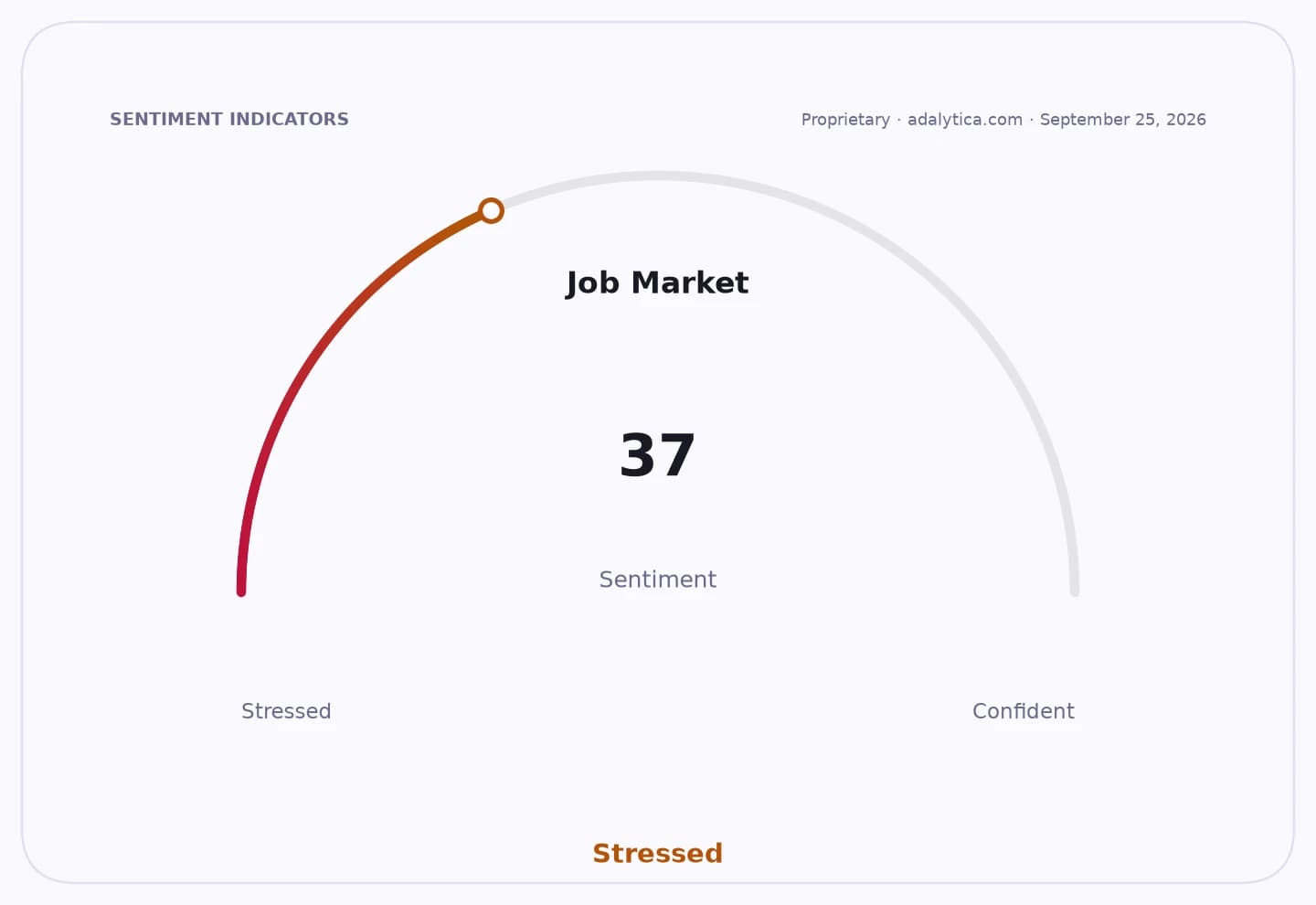
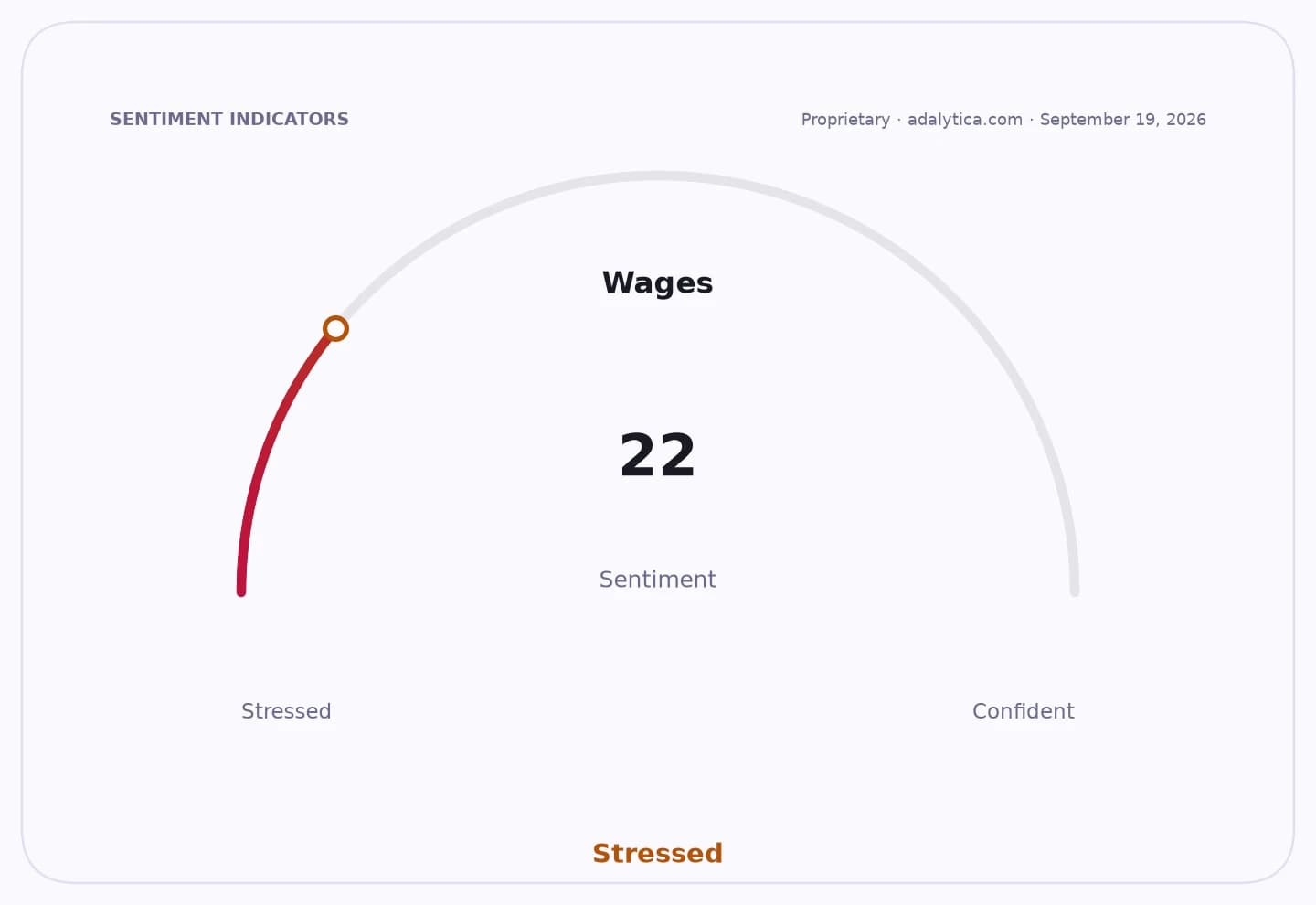
Sentiment IndicatorsⓘProprietary · adalytica.com · September 10, 2026
This is a snapshot — live sentiment, awareness and momentum for 130+ markets update continuously in the dashboard.Open AlphaPulse
The push matters because Indonesia’s labor market is still under pressure to create higher-quality jobs, not just more openings. Policies that improve workplace culture can help firms retain workers, raise output and reduce turnover costs, which is increasingly important as employers across sectors balance wage pressures, skills shortages and the need for greater flexibility.
Cris also said future recognition programs should put more emphasis on inclusive hiring, including opportunities for people with disabilities, and should eventually extend beyond private companies to the public sector. That widens the policy lens from traditional productivity metrics to labor participation and organizational culture across the economy.
For investors, the message reinforces a structural theme in Indonesia’s employment market: companies with stronger human-capital practices may be better positioned to outperform on growth and profitability over time. Better engagement can support steadier staffing, lower recruitment churn and more resilient service delivery, especially in labor-intensive industries.
The backdrop is a labor market where demand remains uneven and employers are still measured in hiring decisions, making productivity gains more valuable than simple headcount growth. The next catalyst will be whether the ministry turns the message into formal standards or broader recognition rules that could influence corporate behavior across both private and public employers.
| Entity | Gains | Losses |
|---|---|---|
| Productive employers | ▲Higher retention, stronger output | ▼Higher compliance expectations |
| Workers, including disabled jobseekers | ▲Better inclusion, improved conditions | ▼Slower rollout if policies lag |
| Government ministries | ▲Broader labor policy reach | ▼Pressure to enforce standards |
| Firms with weak HR practices | ▲— | ▼More scrutiny on workplace quality |