India’s planned diplomatic reset with Washington is coming under strain just as President Donald Trump’s administration pushes a tougher Russia sanctions bill that could force New Delhi to weigh its exposure to Moscow against the value of closer US ties.
India-US Tensions Rise Over Russia Sanctions Bill
The uncertainty matters because India sits at the intersection of three sensitive currents: its dependence on discounted Russian crude, its effort to preserve strategic autonomy, and Washington’s desire to tighten pressure on the Kremlin over Ukraine. For investors, that mix raises the risk of higher policy friction for one of the world’s fastest-growing major economies, even if the immediate market impact is likely to show up first in sentiment rather than asset prices.
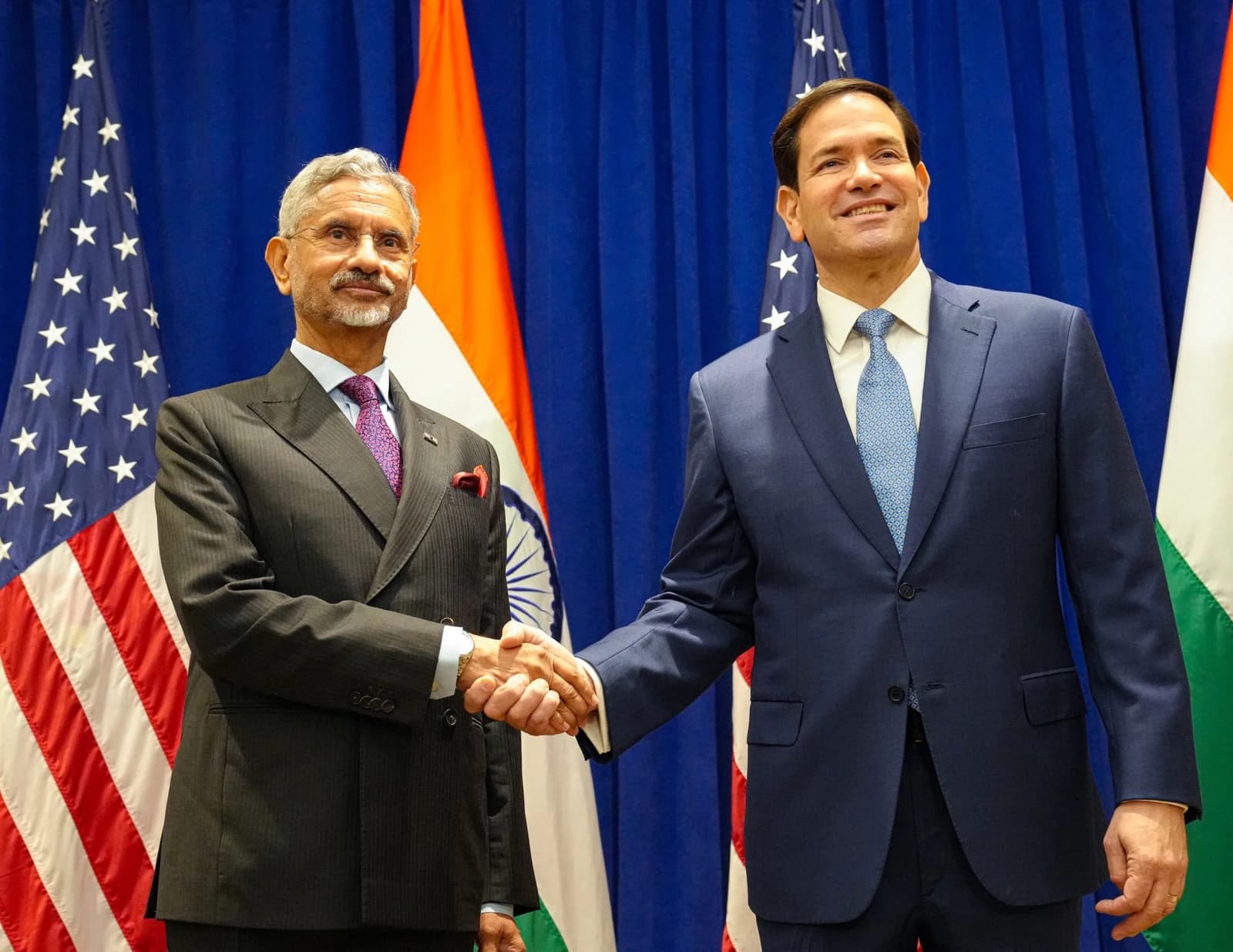
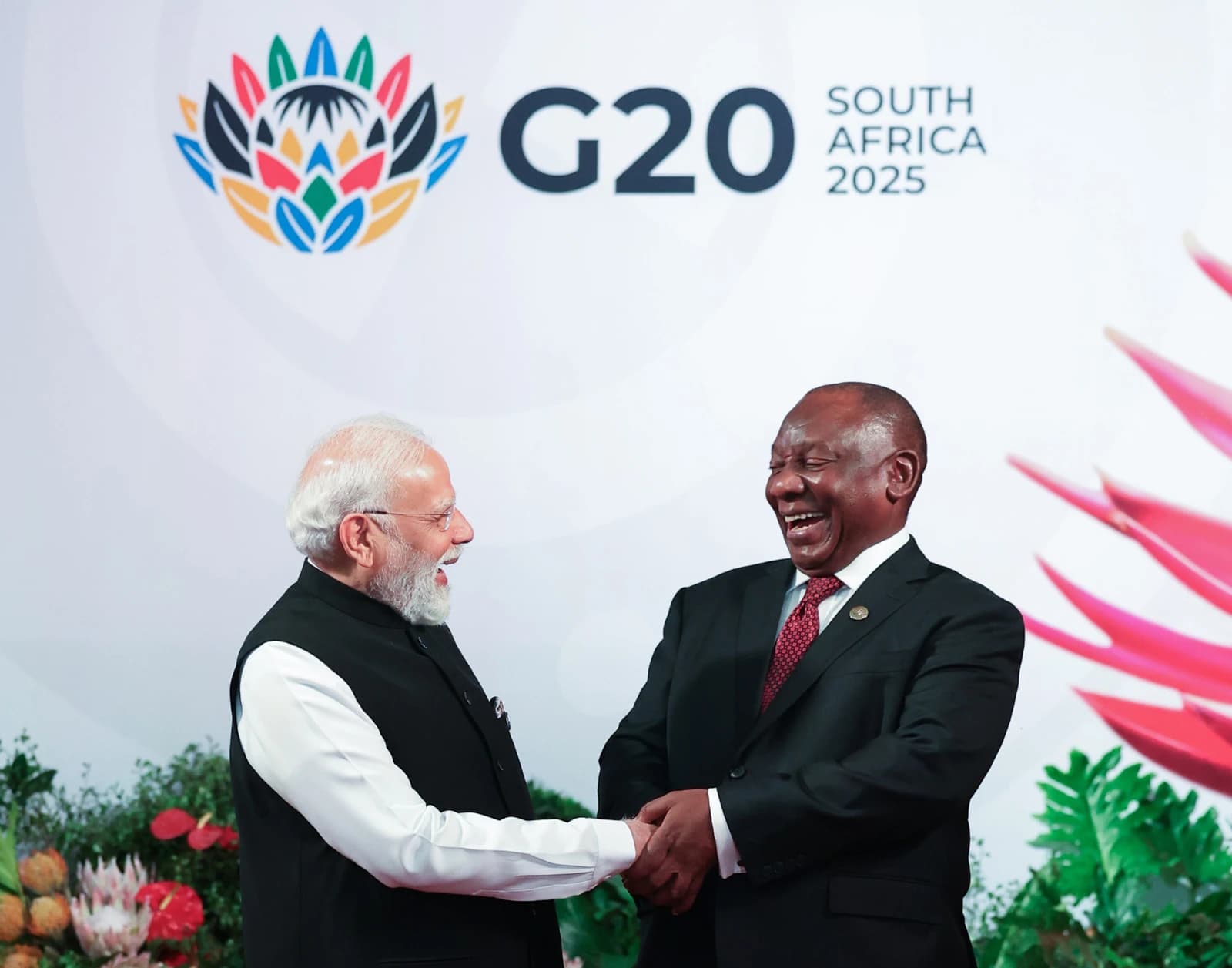
A source in New Delhi said India would carefully assess the state of its relationship with the US before deciding not only on the proposed bilateral component of Prime Minister Narendra Modi’s visit, but also on his participation in the G20 summit. That makes the visit more than a protocol question: it is a test of how far both capitals are willing to stretch a partnership that has deepened on security and technology but remains vulnerable to sanctions politics.
The timing is awkward for New Delhi. The congressional bill, approved to intensify pressure on Russia, is aimed at limiting Moscow’s ability to finance the war in Ukraine. Any broader enforcement push could widen the gap between US objectives and India’s energy and strategic calculations, particularly if Washington seeks stronger compliance from buyers of Russian barrels or tighter scrutiny of financial and trade channels tied to Moscow.
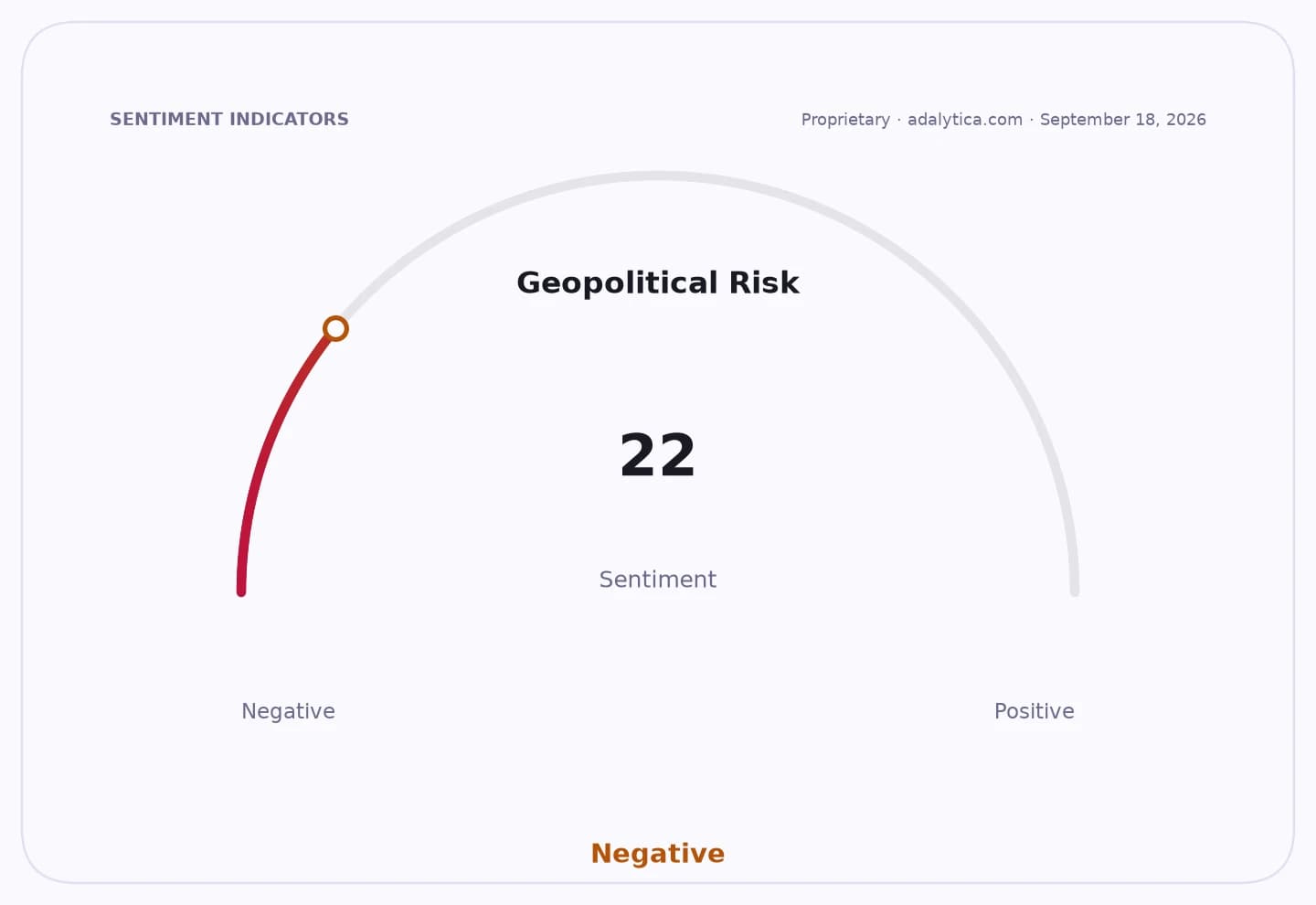
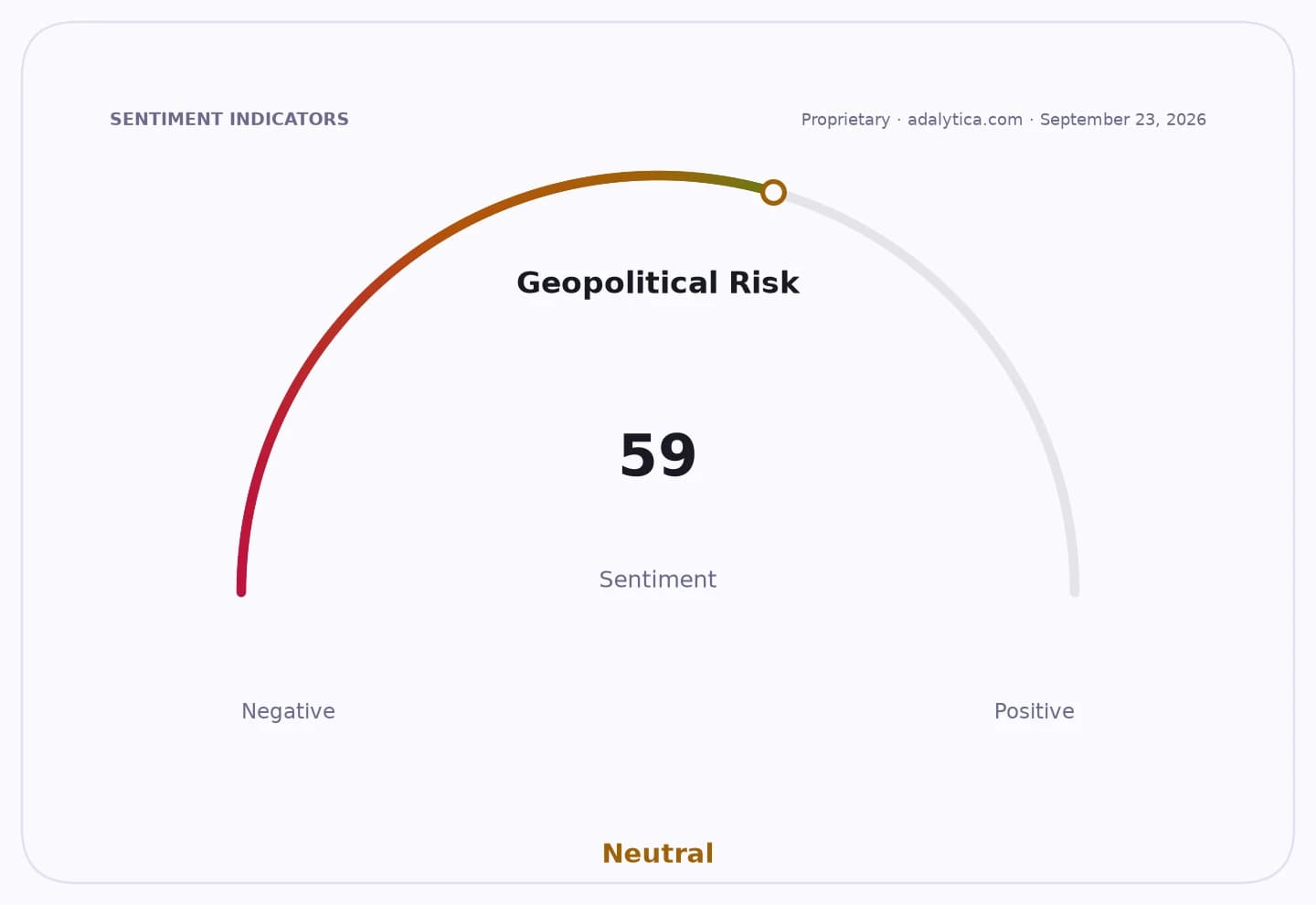
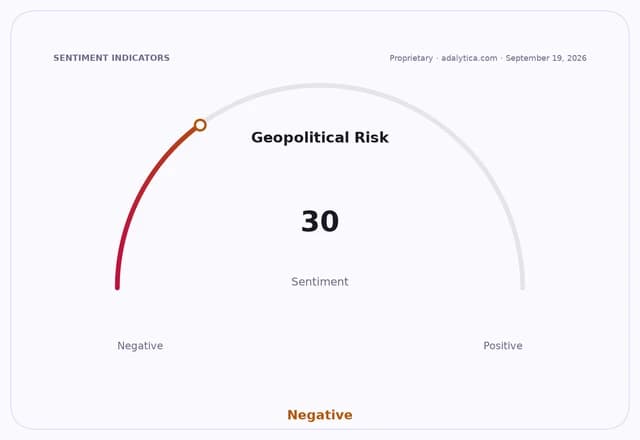
Geopolitical Risk — 30-day sentimentadalytica.com
Explore this data interactively — full history, time series and cross-market comparisons.Open AlphaPulse
India has so far resisted joining Western sanctions, arguing that its purchases of Russian oil help stabilize domestic inflation and secure supplies at a discount. That has been economically useful for India, but it also leaves the government exposed if the US hardens its secondary sanctions posture or makes Russia-related policy a bigger issue in bilateral talks. The risk is not simply diplomatic embarrassment. It is that India could face a more complicated policy environment for trade, defense procurement and capital flows if ties deteriorate.
Markets have not yet priced in a full rupture, but the broader geopolitical backdrop has weakened risk appetite. Adalytica’s Global Stability Sentiment gauge sits at 30, in “Fear” territory, after a 22-point jump over the past week but a 24-point decline over the past month, underscoring how quickly geopolitical mood can shift even when investors remain focused on macro data and central banks.
Indian equity ETFs have also shown some softness. The iShares India ETF, INDA, closed most recently at 48.02, below its 50-day moving average of 49.24 and its 200-day average of 50.16, with RSI readings around 33 pointing to a market that is technically weak but not yet in full washout territory. The iShares MSCI India ETF, EPI, was little changed at 41.66, also under both its 50-day and 200-day moving averages. That pattern suggests investors are cautious on India exposures even before any concrete policy escalation from Washington.
The bull case is that the dispute remains manageable. The US still sees India as a counterweight in Asia, and both sides have incentives to avoid derailing cooperation on defense, semiconductors and supply chains. In that scenario, the sanctions bill becomes another source of negotiation friction rather than a structural break.
The bear case is that Russia policy turns into a broader test of alignment. If the US pushes harder on enforcement and India is seen as resistant, the issue could spill into the diplomatic calendar, trade talks and investor perception of policy risk. For portfolio managers, that would be less about near-term earnings and more about whether India’s premium valuation is justified by a stable geopolitical backdrop.
What happens next will depend on whether both sides keep the dispute compartmentalized. If Modi’s visit is scaled back or delayed, markets will read that as evidence that sanctions politics have begun to intrude on one of the US’s most important emerging-market partnerships. If the trip proceeds and the two governments issue a calibrated statement, investors may conclude the relationship remains intact, even if the Russia issue is far from resolved.
| Entity | Gains | Losses |
|---|---|---|
| US hawks | ▲Pressure on Russia | ▼Risk of friction with India |
| India government | ▲Leverage for strategic autonomy | ▼Diplomatic uncertainty |
| Russia | ▲None | ▼Higher sanctions pressure |
| INDA/EPI investors | ▲Potential dip-buying if tensions ease | ▼Policy-risk premium |