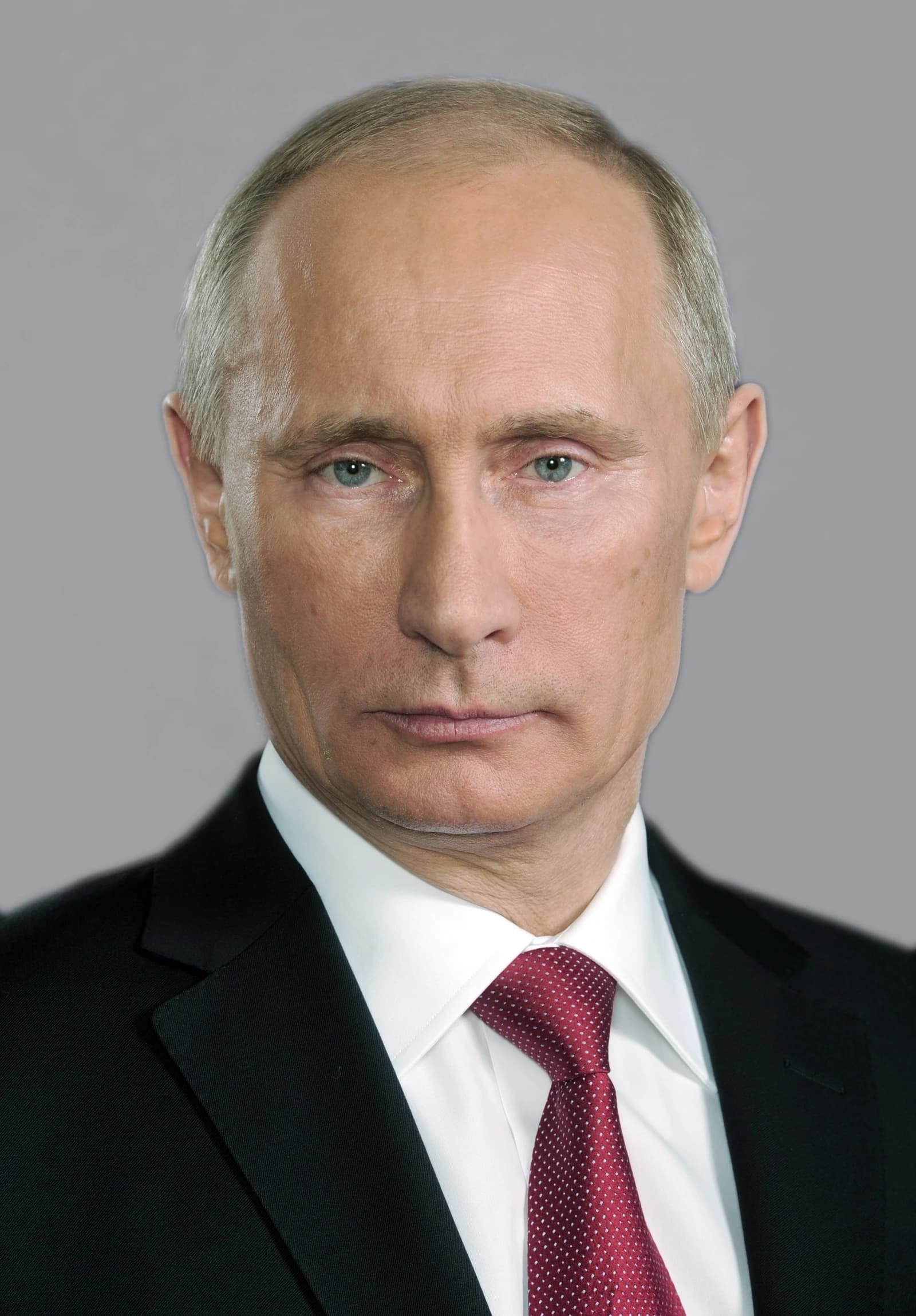
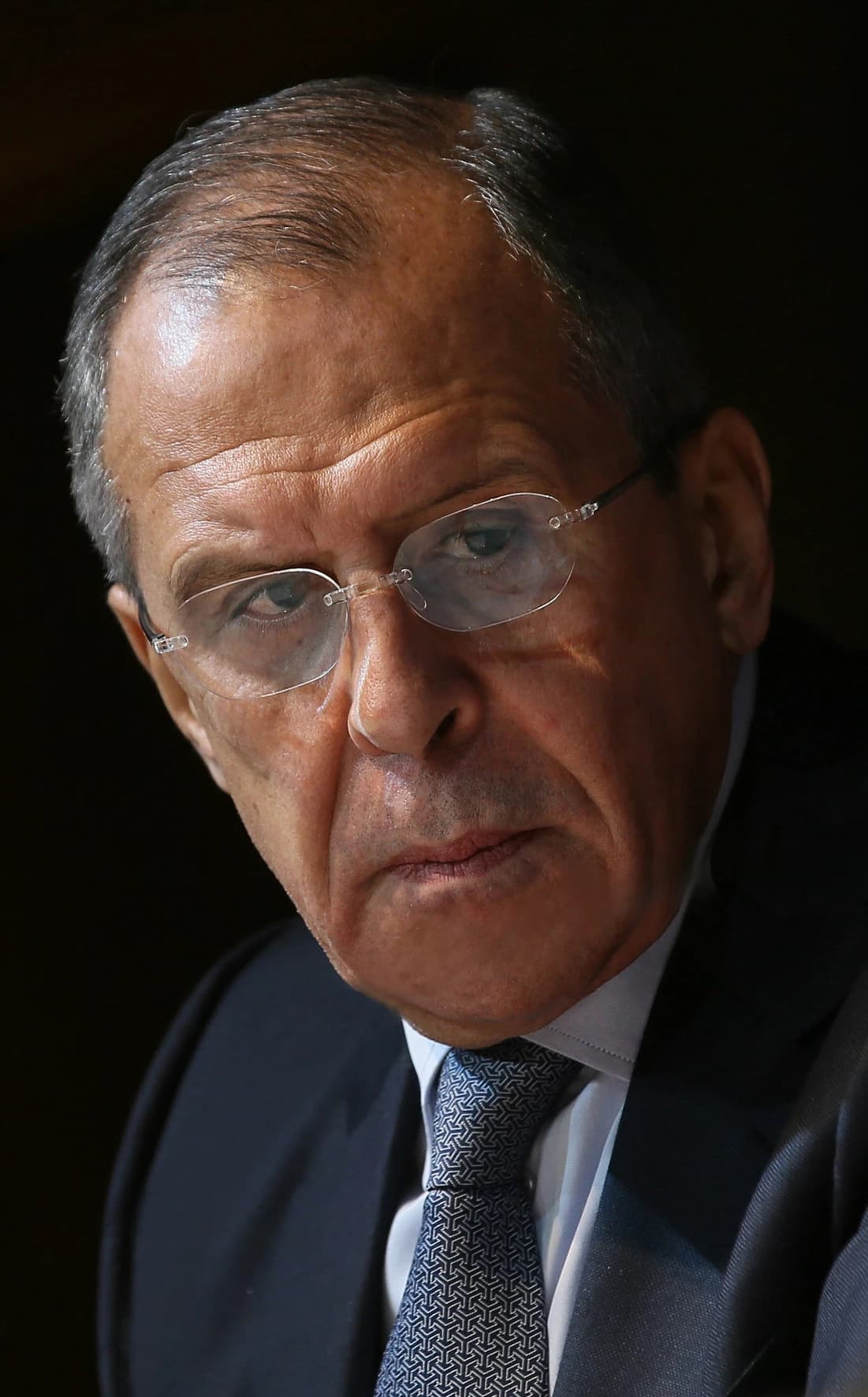
Vladimir Putin’s call on Russians to turn out for upcoming elections is a reminder that domestic politics remains part of Moscow’s wider effort to project stability and deter dissent at a time when geopolitical risk is already elevated.
Russia Election Appeal Keeps Political Risk in Focus
The appeal matters economically because Russian policy is being shaped under sanctions, war spending and tighter external constraints, all of which leave little room for political uncertainty. For investors, that combination keeps the investment case for Russian assets largely driven by politics and risk management rather than fundamentals: access remains limited, valuations are heavily distorted and liquidity is thin, while any sign of internal strain or policy drift can ripple through sanctions-sensitive markets and neighboring currencies.
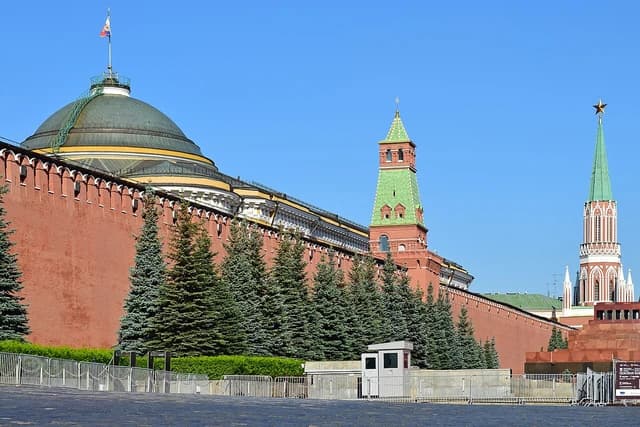
Putin framed voting as a “thoughtful, responsible decision” and as a response to those who want to weaken Russia, language that underscores how the Kremlin is tying electoral participation to national resilience. That messaging is meant to reinforce legitimacy and continuity, both of which matter to a state economy that is already being redirected toward wartime priorities and import substitution.
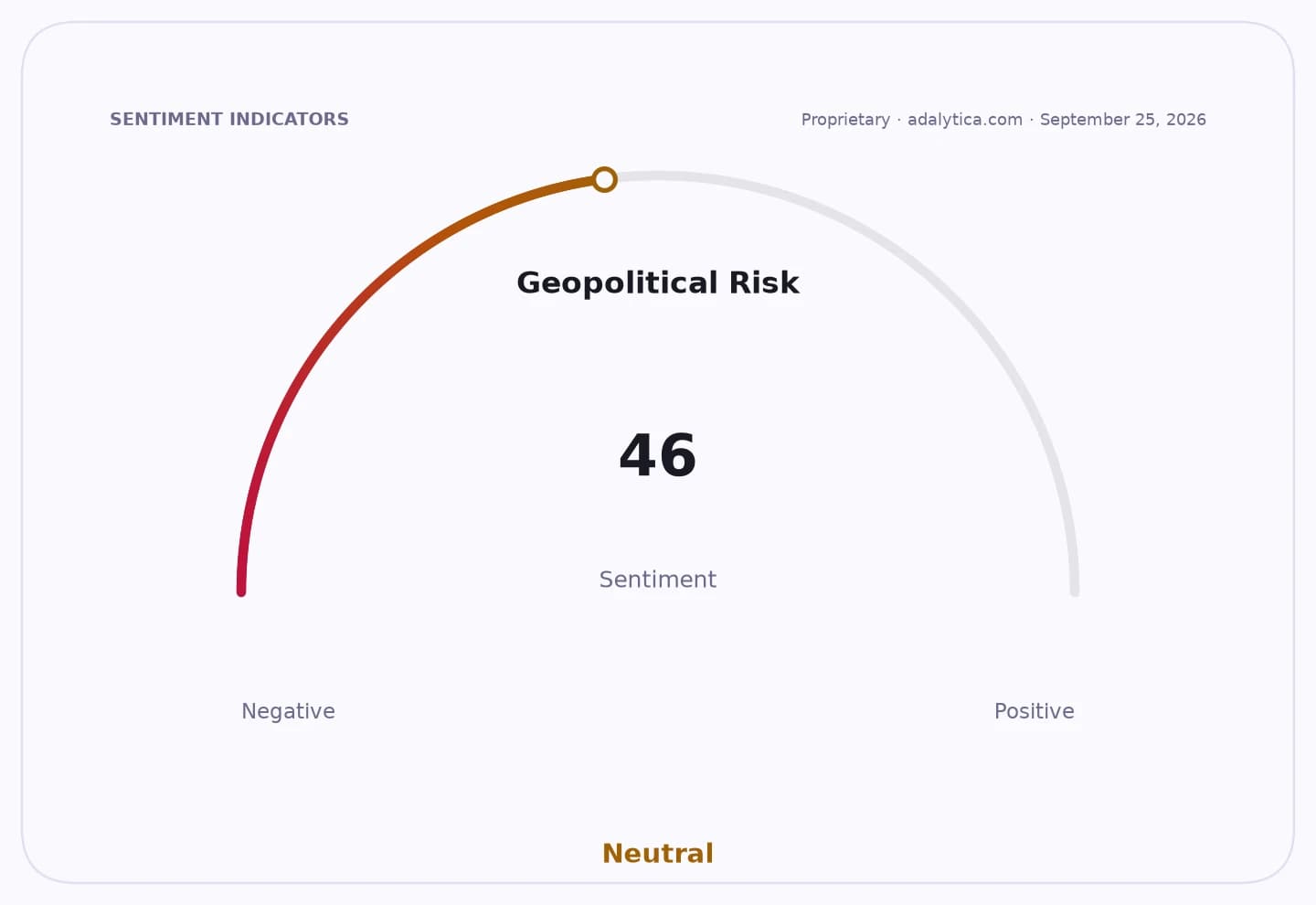
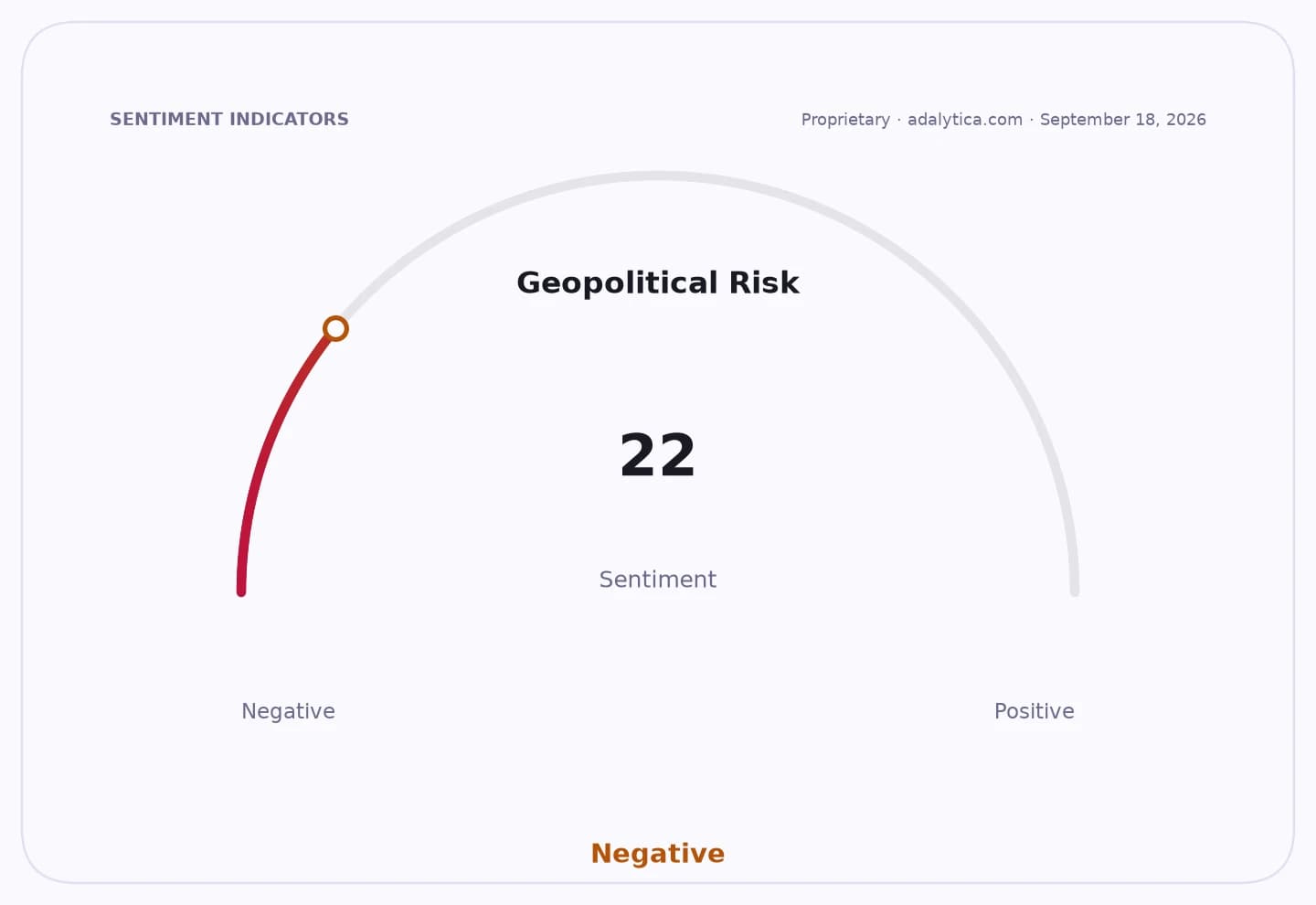
The broader market backdrop suggests investors remain wary of geopolitical shocks. Adalytica’s Global Stability Sentiment sits in “Fear” territory at 22, a sharp deterioration from earlier in the quarter, reflecting how quickly political and security narratives can alter risk appetite. In that environment, even a routine election appeal is read through the lens of state control, conflict durability and the probability of further escalation.
Geopolitical Risk — 30-day sentimentadalytica.com
Explore this data interactively — full history, time series and cross-market comparisons.Open AlphaPulse
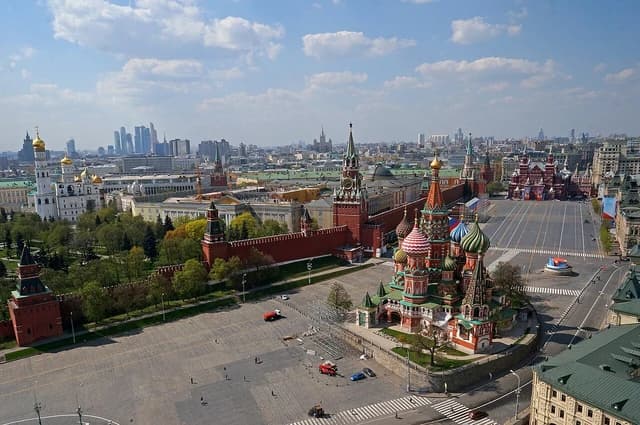
Currency and Russia-linked risk gauges also point to persistent caution. The yen, often used as a barometer for global risk aversion, has stayed firm enough to suggest defensive positioning, while Russia-focused ETFs remain effectively sidelined by the same sanctions regime that limits direct exposure. For multinationals, lenders and commodity traders, the practical issue is not the election itself but the signal it sends about continuity in policy, repression and external confrontation.
For now, the message from Moscow is one of political mobilization, not reform. Investors will be watching whether turnout rhetoric is followed by a cleaner administrative transition or by renewed pressure on opponents, because the latter would reinforce the view that Russia’s economic trajectory will remain subordinated to security policy and confrontation with the West.
| Entity | Gains | Losses |
|---|---|---|
| Kremlin | ▲Legitimacy narrative | ▼Political uncertainty |
| Putin administration | ▲Voter mobilization | ▼Perception of weakness |
| Russia-linked assets | ▲Continuity premium | ▼Sanctions overhang |
| Foreign investors | ▲Clearer policy signal | ▼Higher geopolitical risk |