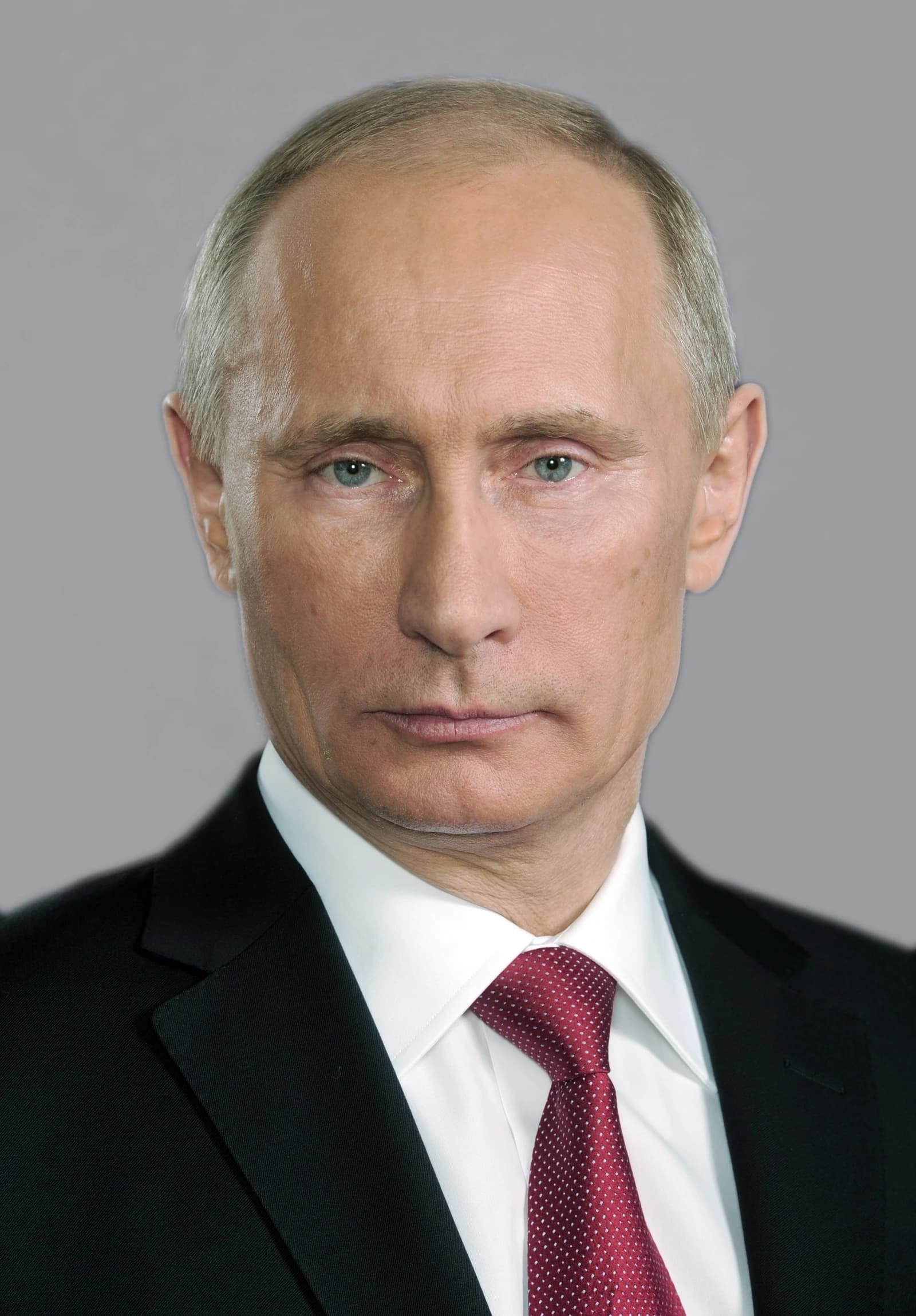
Putin’s United Russia party has secured a record 355 seats in Russia’s 450-seat Duma, giving the Kremlin an even bigger parliamentary supermajority as the war in Ukraine drags on and domestic political dissent is pushed further out of view.
United Russia wins 355 seats in Russia Duma vote
That matters because it reinforces what markets and policymakers already know: Russia is not heading toward any meaningful political opening, but deeper centralization. A Duma so firmly under Kremlin control makes it easier for President Vladimir Putin to extend the war footing at home, rubber-stamp military spending, and keep sanctions-battered economic policy aligned with wartime priorities rather than market discipline.
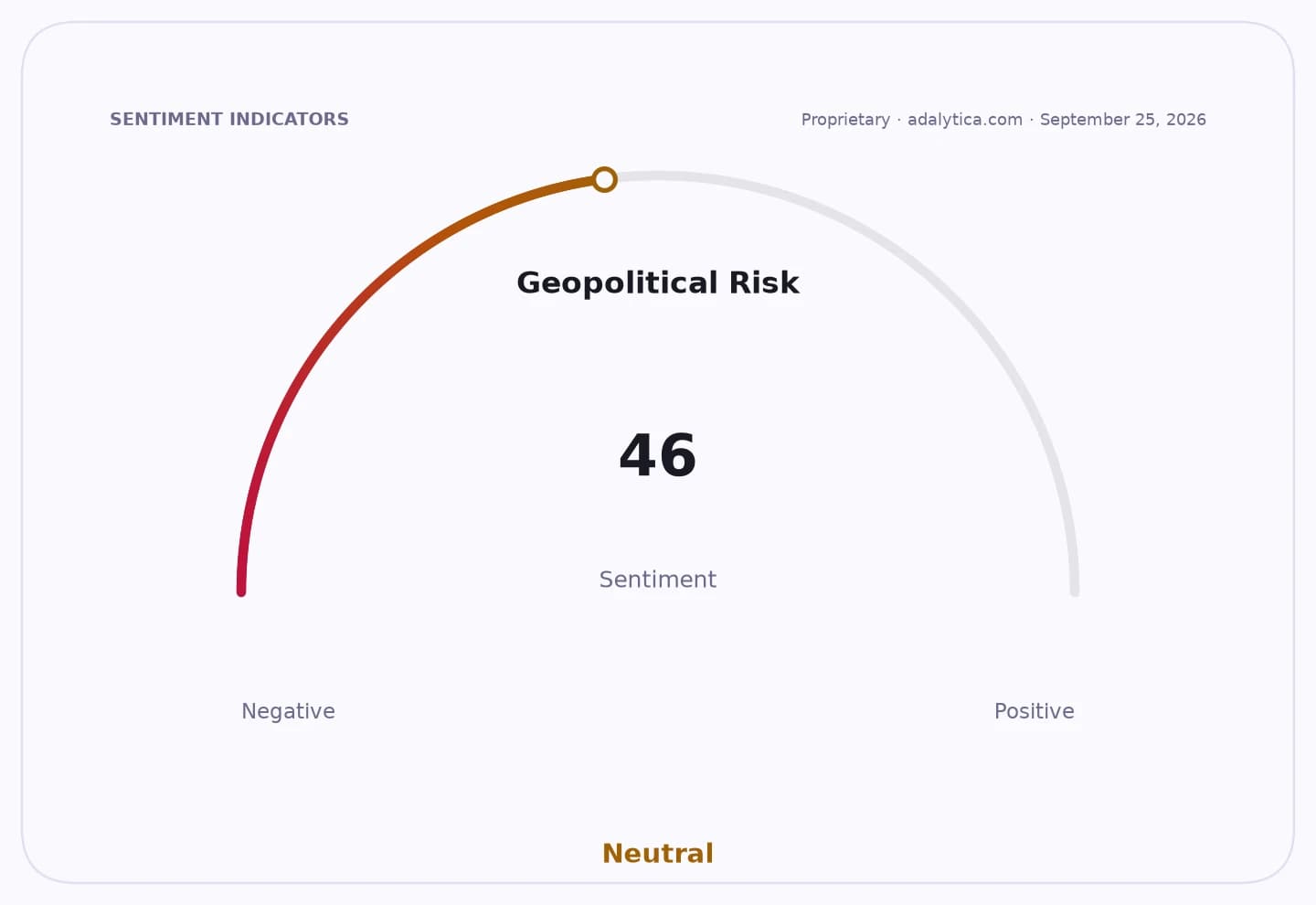
Sentiment IndicatorsⓘProprietary · adalytica.com · September 25, 2026
This is a snapshot — live sentiment, awareness and momentum for 130+ markets update continuously in the dashboard.Open AlphaPulse
The result also underscores how little competitive politics remains in Russia. With no parties critical of Putin allowed to take part, the vote was never about policy change. It was about durability. Turnout was reported at more than 59%, and the Communist Party finished a distant second with 40 seats, while the nationalist LDPR won 25 and New People took 20. United Russia’s haul beats its previous record of 343 seats in 2016.
For investors, the practical takeaway is not a fresh tradable catalyst in Russian equities — still constrained by sanctions, capital controls and reputational risk — but a longer-duration geopolitical one. A stronger Kremlin political mandate lowers the odds of de-escalation and keeps the sanction regime, defense posture and energy disruption premium in place. That continues to favor defense spending in NATO economies, energy security investment, and companies tied to supply-chain re-shoring, grid resilience and commodity substitution.
The market underestimates how much wartime politics can outlast battlefield headlines. A supermajority in Moscow does not just strengthen Putin at home; it lengthens the timeline for any normalization with the West, which means the best opportunities are still in the pick-and-shovel beneficiaries of a fractured global order, not in Russia itself.
| Entity | Gains | Losses |
|---|---|---|
| United Russia / Kremlin | ▲Tighter control | ▼Political accountability |
| Putin’s war agenda | ▲Easier legislative backing | ▼Constraints on spending |
| NATO defense contractors | ▲Longer security demand | ▼Peace dividend expectations |
| Russia-linked investors | ▲None | ▼Sanctions, illiquidity, risk premium |