Germany is moving to turn Ukraine’s battlefield needs into a new defense-industrial supply chain, and that is the most important economic signal in Friedrich Merz’s trip to Kyiv.
Germany Ukraine defense production deal in Kyiv
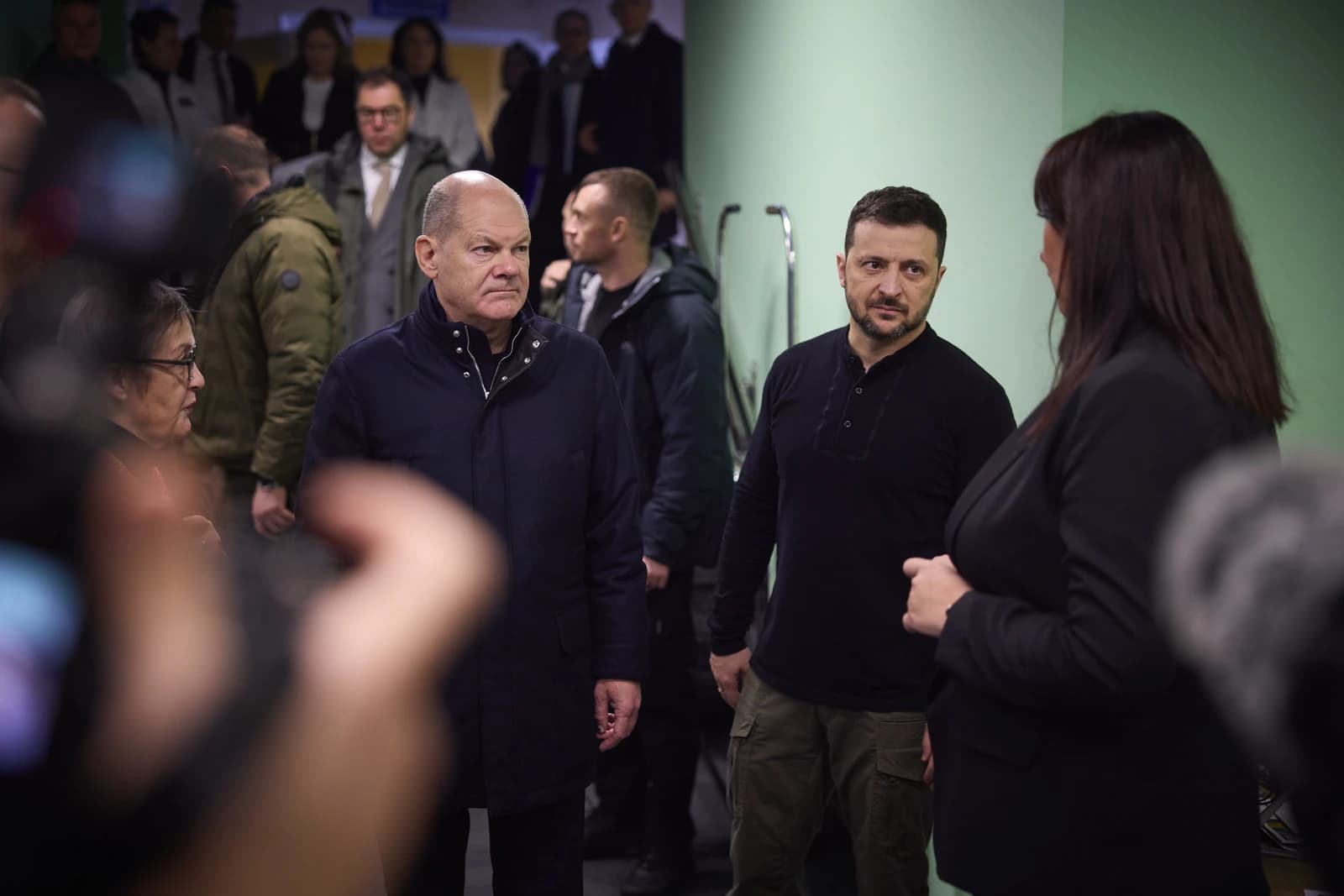
The German chancellor arrived with an industrial delegation and a promise of deeper military and energy support, but the real market-moving development is the push to finalize joint production of interceptor drones, long-range weapons and related software. That matters because it shifts the war from a one-way aid story into a procurement and manufacturing cycle that could keep capital flowing into German and Ukrainian defense firms for years.
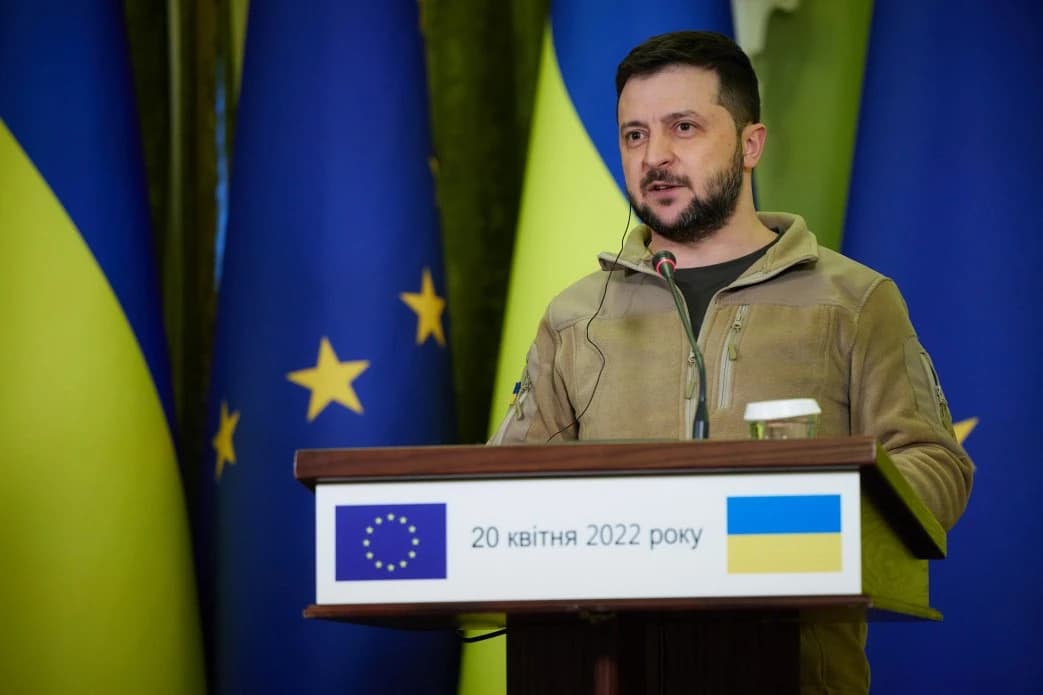
Merz said he came to Kyiv because Ukraine will need “all support” in the coming weeks and warned that if Russia is not stopped, “its war machine will turn against us.” That line is more than rhetoric. It frames the conflict as a permanent European security shock, which is exactly the kind of environment that tends to lift defense budgets, accelerate orders and justify higher valuations for suppliers with exposure to air defense, drones and electronic warfare.
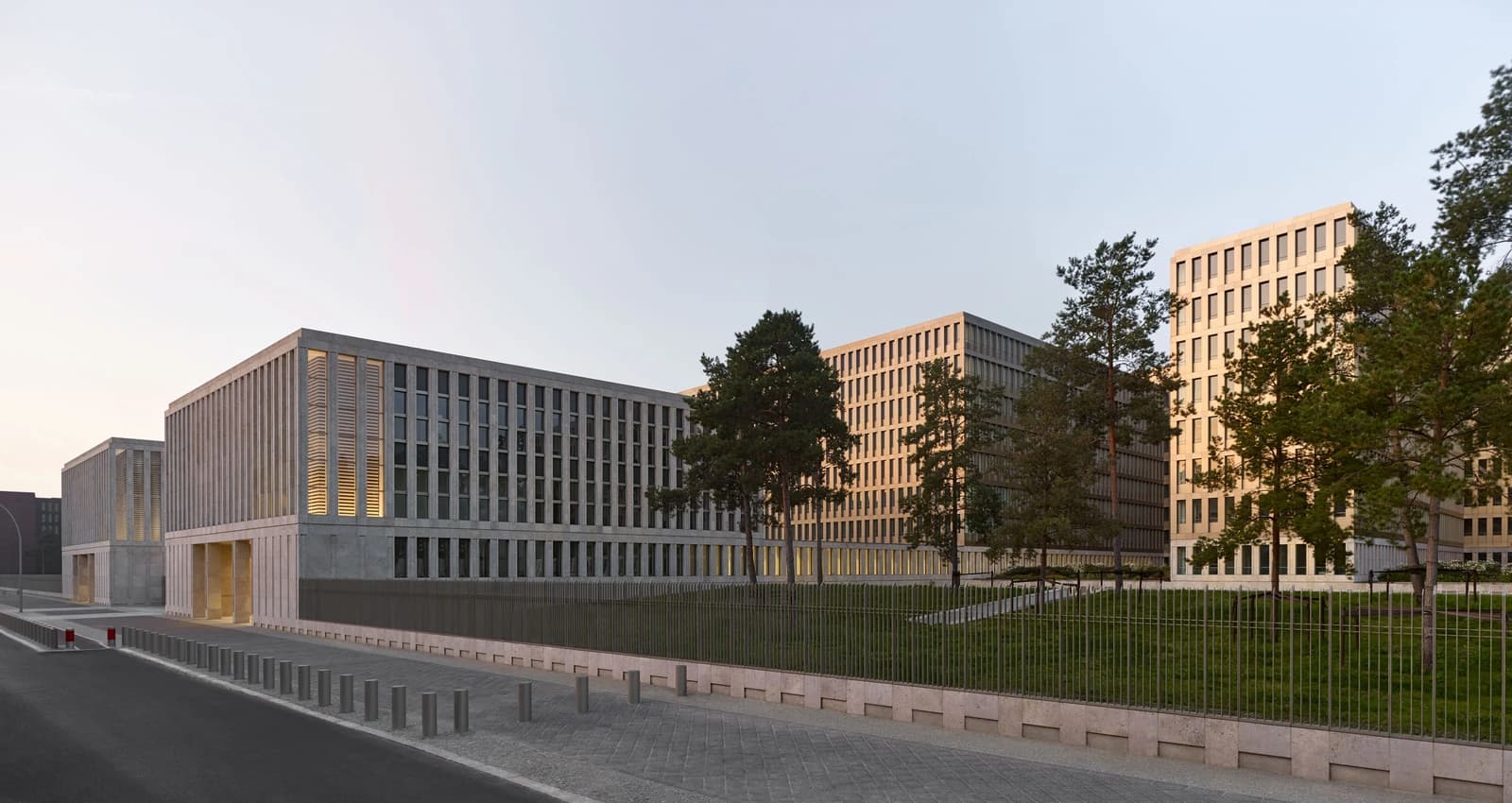
The delegation itself tells the story. Siemens Energy, Hensoldt, Diehl Defence and Quantum Systems were among the companies represented, underscoring that Berlin is not just writing checks — it is trying to anchor production, technology transfer and infrastructure protection inside Europe’s own industrial base. German officials say the expanded cooperation could bring technology and financial resources back into the domestic defense sector while strengthening protection against drone strikes on critical infrastructure.
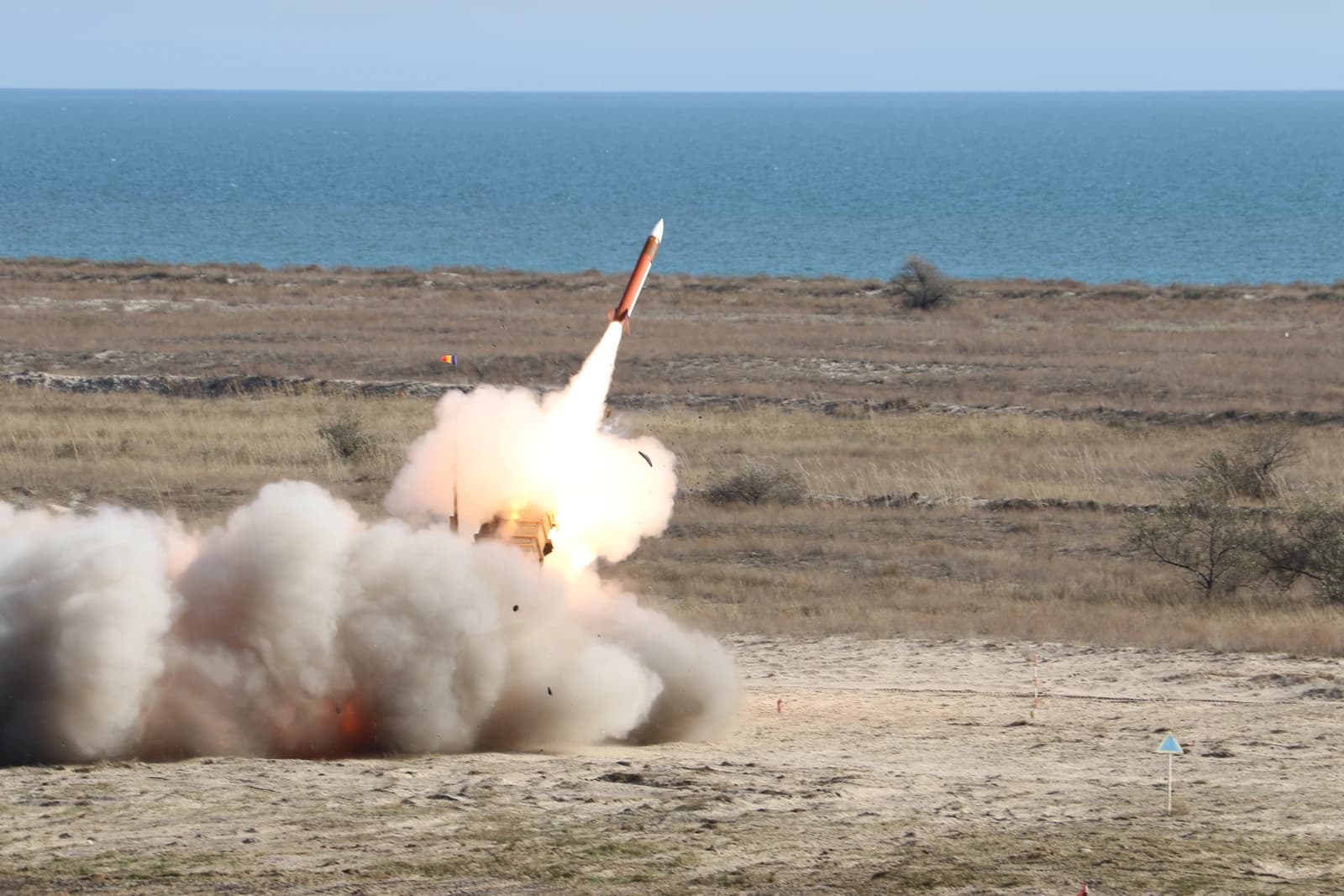
That is where the investable thesis becomes clearer. Ukraine has become a live-fire testbed for low-cost interceptors, long-range strike systems and battlefield software. Quantum Systems has already tested systems designed to stop high-speed Russian attack drones, and its joint venture with Ukrainian partner WIY Drones is set up to manufacture the Strila interceptor and related air-defense technology. Kyiv says it wants to finalize deals with Germany covering drones, missiles and software, including weapons with ranges of more than 1,000 kilometers. If those programs move ahead, they should benefit the companies that sell sensors, autonomous systems, guidance software, propulsion, defense electronics and counter-drone systems.
The market has already begun to price in that shift. Germany’s Rheinmetall-style defense trade has been broadly rerated across Europe, and the U.S. primes are not immune. Lockheed Martin, Northrop Grumman and Boeing may not be the direct beneficiaries of a German-Ukrainian drone production pact, but they sit inside the same global rearmament cycle that this visit reinforces. In contrast, civilian-facing industries and import-dependent European sectors remain exposed to a longer period of security spending, energy risk and supply-chain disruption.
The broader macro implication is straightforward: Europe is being pushed toward wartime industrial policy. A drone war does not reward only the largest missile contractors; it rewards the ecosystem around them, from sensors and power systems to software, communications and hardened infrastructure. That is why the presence of energy executives alongside defense firms matters just as much as the weapons talks. Russia’s strikes on Ukraine’s power system have made grid resilience, backup generation and distributed energy assets strategic rather than optional.
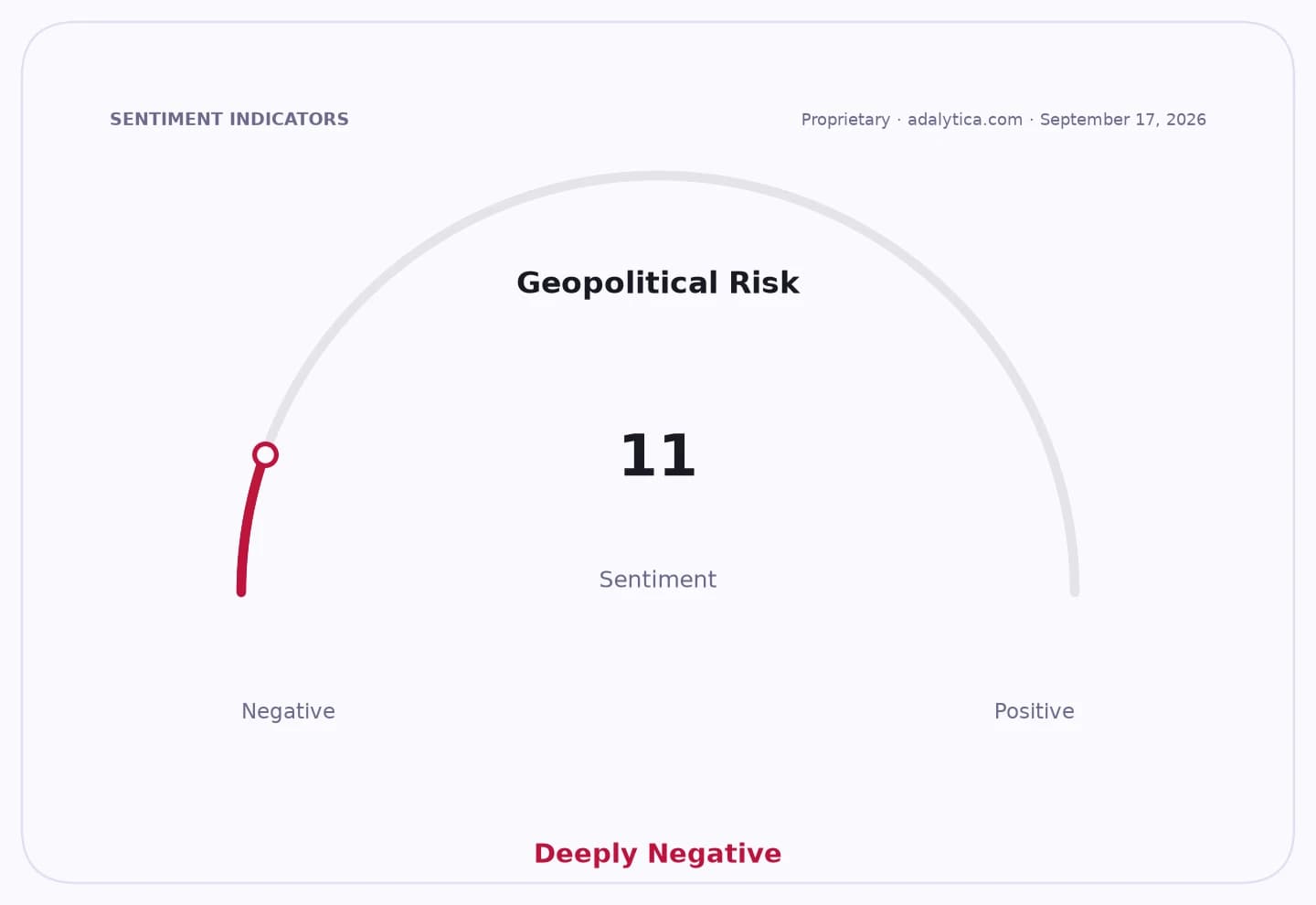
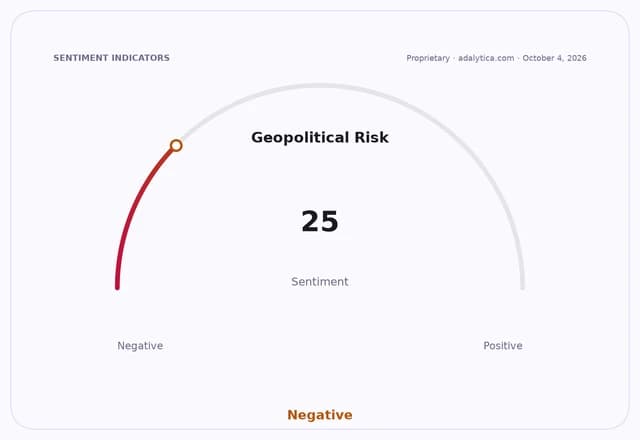
Adalytica’s Global Stability Sentiment gauge is flashing extreme fear, which fits the escalation on the ground and helps explain why governments are moving faster on procurement. When geopolitical stress rises this sharply, markets tend to reward capacity, not just capability.
Our thesis is that investors are still underestimating the second-order winners of this war: drone makers, counter-drone specialists, defense electronics suppliers and energy-security firms. The headline risk is tragedy and escalation. The investable reality is a multi-year capex cycle in Europe’s security stack. For investors, the right move is to lean into defense and infrastructure names tied to air defense, autonomous systems and grid protection before the next procurement wave is fully reflected in prices.
| Entity | Gains | Losses |
|---|---|---|
| Quantum Systems / WIY Drones | ▲Drone production orders | ▼Cheap one-off aid flows |
| Hensoldt / Diehl Defence | ▲Air-defense demand | ▼Complacent peacetime budgets |
| Siemens Energy | ▲Grid-hardening contracts | ▼Vulnerable energy infrastructure |
| Russia / exporters of instability | ▲Tactical pressure | ▼Strategic surprise and sanctions tailwind |