Kyiv’s bridge attacks and widening strikes on power infrastructure show how the war in Ukraine is moving into a more dangerous phase for Europe: not a battle of fronts, but a campaign to break the systems that keep a country functioning. For investors, that matters because the conflict is no longer just about territory on a map. It is about energy flows, logistics, industrial capacity and the rising cost of security across NATO’s eastern flank.
Ukraine infrastructure attacks lift defense and grid spending
The immediate economic impact is obvious in Ukraine. When bridges over the Dnepr are knocked out or closed, the country’s internal supply chain gets slower, costlier and more fragile. That can choke off military resupply, but it also disrupts civilian movement, trade and the flow of goods between east and west. In a war economy, infrastructure is not background scenery — it is the operating system.
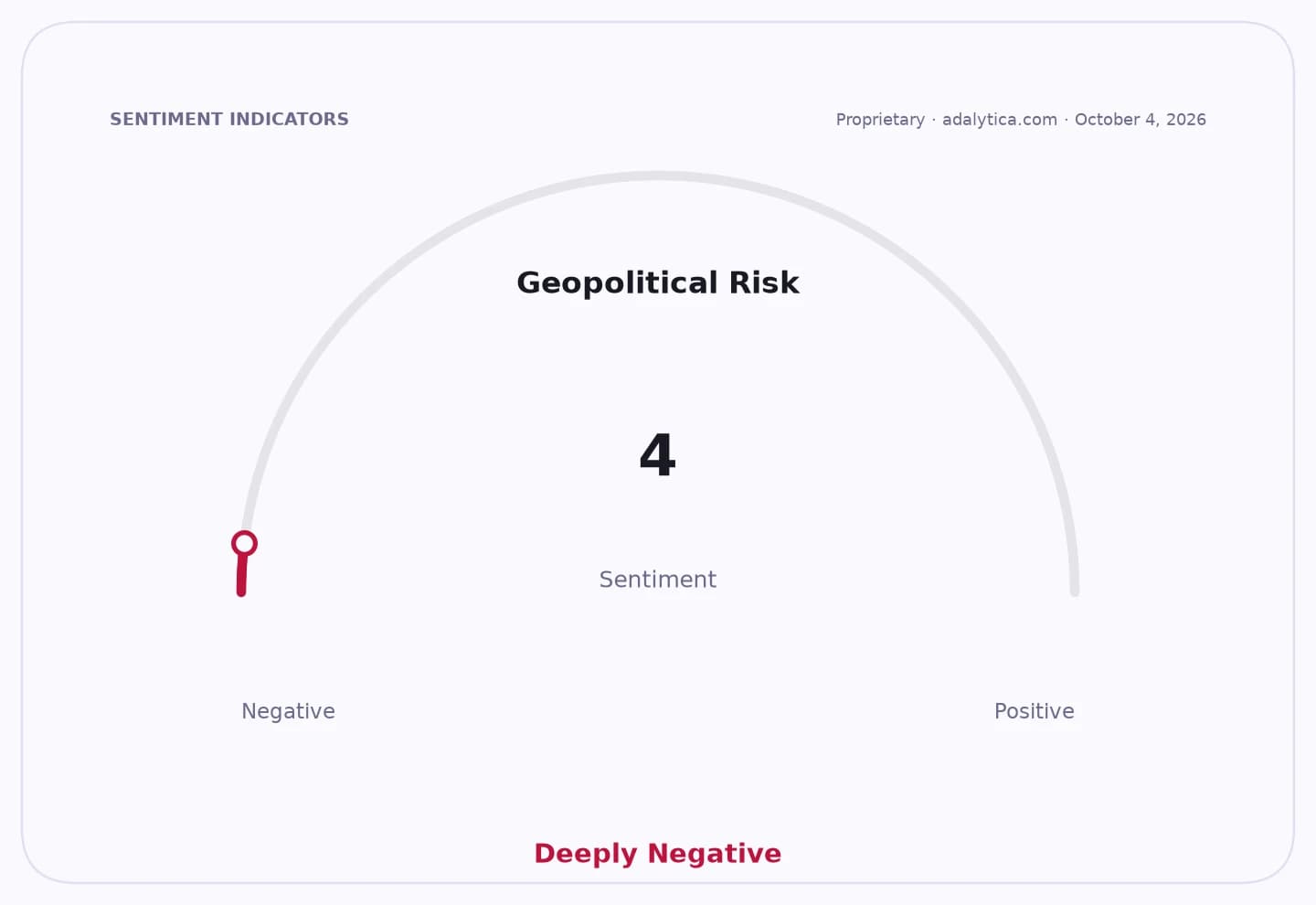
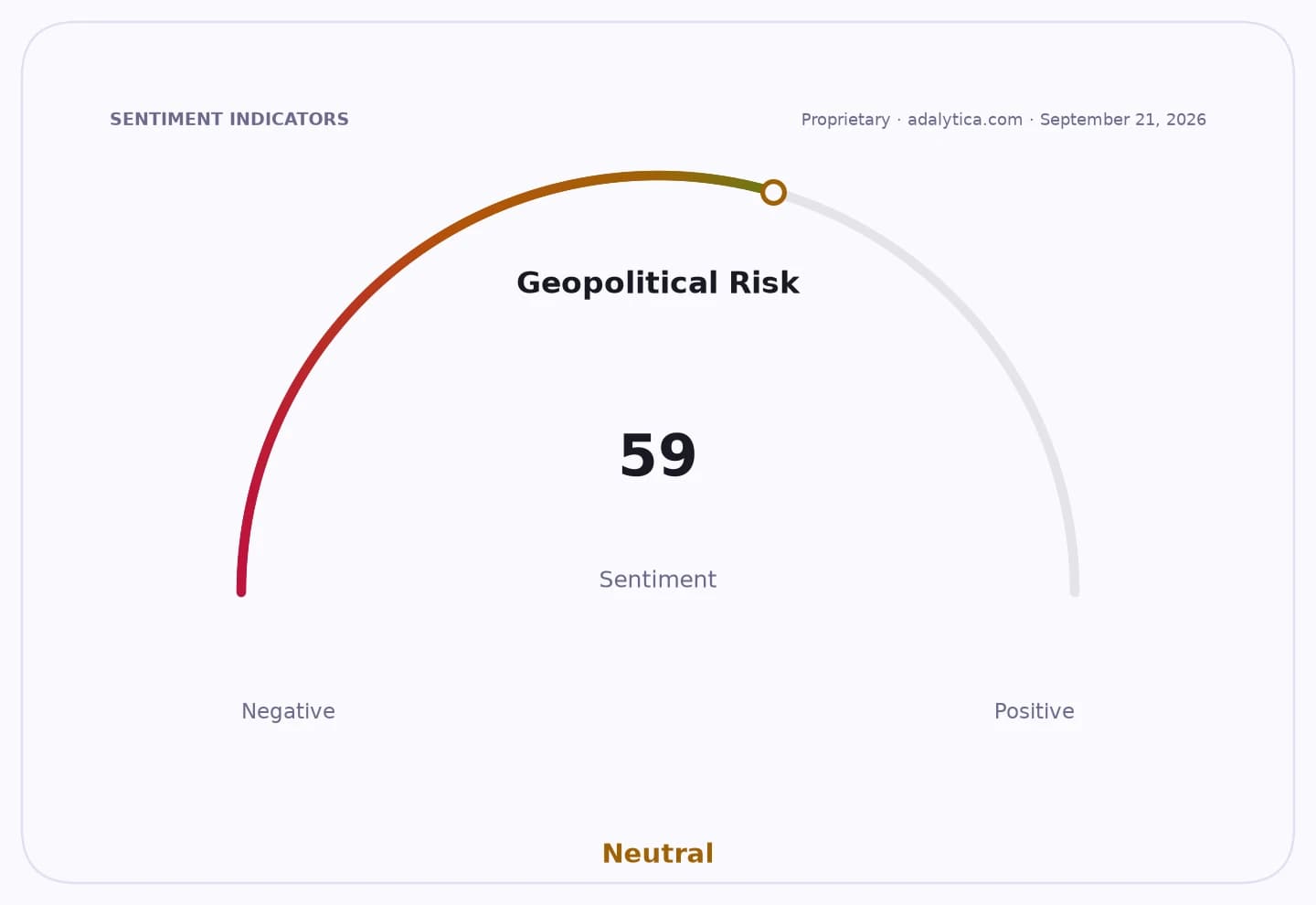
Sentiment IndicatorsⓘProprietary · adalytica.com · October 3, 2026
This is a snapshot — live sentiment, awareness and momentum for 130+ markets update continuously in the dashboard.Open AlphaPulse
The more important shift is doctrinal. The supplied material points to Russian forces treating bridges, high-voltage substations and other critical nodes as primary targets rather than collateral damage. That is a far more expensive form of warfare for the defender. A 750-kV transformer is not something Ukraine can replace quickly or cheaply; these are specialized assets with long lead times and difficult logistics. Once such systems are hit repeatedly, blackouts, industrial interruptions and transport bottlenecks can cascade through the economy.
That helps explain why the investor angle reaches well beyond Ukraine itself. Europe has spent much of the past two years learning to price energy shocks, defense budgets and supply-chain rerouting. A sustained infrastructure campaign in Ukraine raises the odds of more spending on air defense, grid resilience, military logistics and reconstruction — all themes that can support defense contractors, power equipment makers, engineering firms and cybersecurity companies over time. At the same time, it keeps pressure on European utilities and industrial users that remain exposed to regional energy volatility.
Geopolitical Risk — 30-day sentimentadalytica.com
Explore this data interactively — full history, time series and cross-market comparisons.Open AlphaPulse
The market tape is already telling a cautious story. The Energy Select Sector SPDR Fund, XLE, has climbed from the mid-40s last winter to around $62.82, showing how much investors are willing to pay for energy exposure when geopolitical risk stays elevated. Utilities, captured by XLU, are under more pressure, with the fund slipping to $39.83 and sitting below both its 50-day and 200-day moving averages. That divergence fits the broader narrative: in unstable times, markets favor assets tied to scarcity and strategic power while punishing sectors exposed to high capital costs and weak earnings visibility.
Credit markets also reflect the same tension. The high-yield spread measure in the context has widened to 3.24 percentage points, suggesting investors are a bit more wary about risk. That does not mean recession is imminent, but it does show how quickly geopolitical shocks can ripple into financing conditions, especially for companies and countries dependent on steady logistics, energy and capital access.
The larger story is that NATO’s eastern security problem is becoming an infrastructure problem. Bridges, grids and substations are now frontline assets, which means governments will have to spend more on resilience whether or not the war intensifies further. For long-term investors, that is less a trading cue than a secular theme: more defense, more hardening of critical infrastructure, more electrification backup, and more demand for companies that can build, protect and repair essential systems.
For patient investors, the lesson is straightforward. Wars that target infrastructure do not just destroy assets; they redirect capital for years. That can be painful in the short run, but it also creates durable demand in the industries that help societies absorb shocks. This is the kind of shift worth watching, and one that long-term portfolios should account for.
| Entity | Gains | Losses |
|---|---|---|
| Defense contractors | ▲More demand for air defense and logistics | ▼Higher scrutiny on costs |
| Grid and transformer makers | ▲Resilience spending and rebuild orders | ▼Supply bottlenecks |
| European utilities | ▲Little to none | ▼Higher input and security costs |
| Ukraine’s economy | ▲External support and repair funding | ▼Transport, power and industrial disruption |