Ukraine’s gas producers are heading into one of the toughest winters of the war with a brutal reality: the country may have gas in the ground, but that does not mean it can be brought to market fast enough, safely enough or at scale.
Ukraine gas producers face winter supply risks

That matters because domestic gas output is not just an energy story for Ukraine. It is a balance-of-payments story, an industrial output story and, most urgently, a heating-security story. With Russia stepping up attacks on energy assets and Ukraine bracing for a severe winter, every lost day of production increases the need for imports, emergency spending and infrastructure repairs.
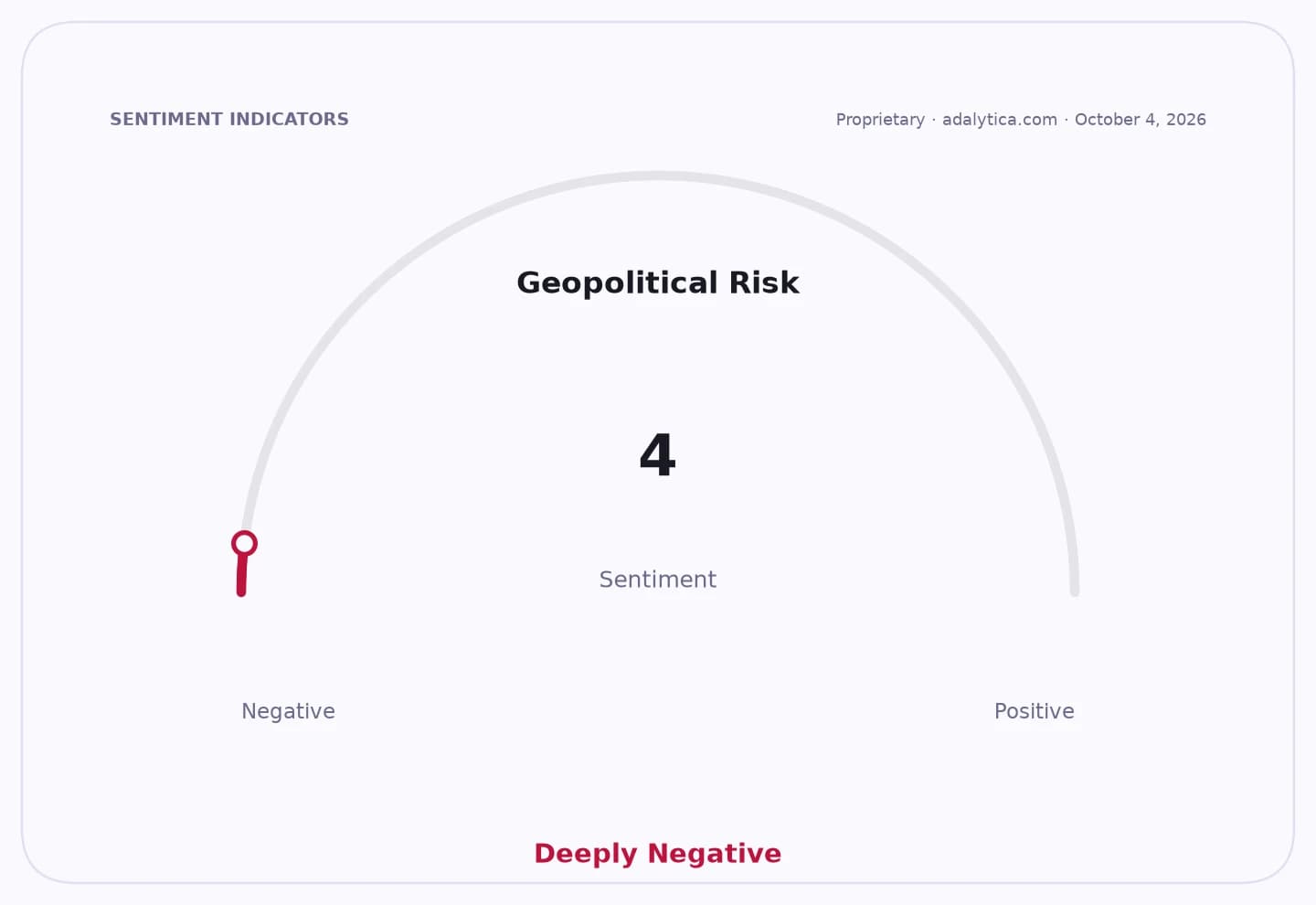
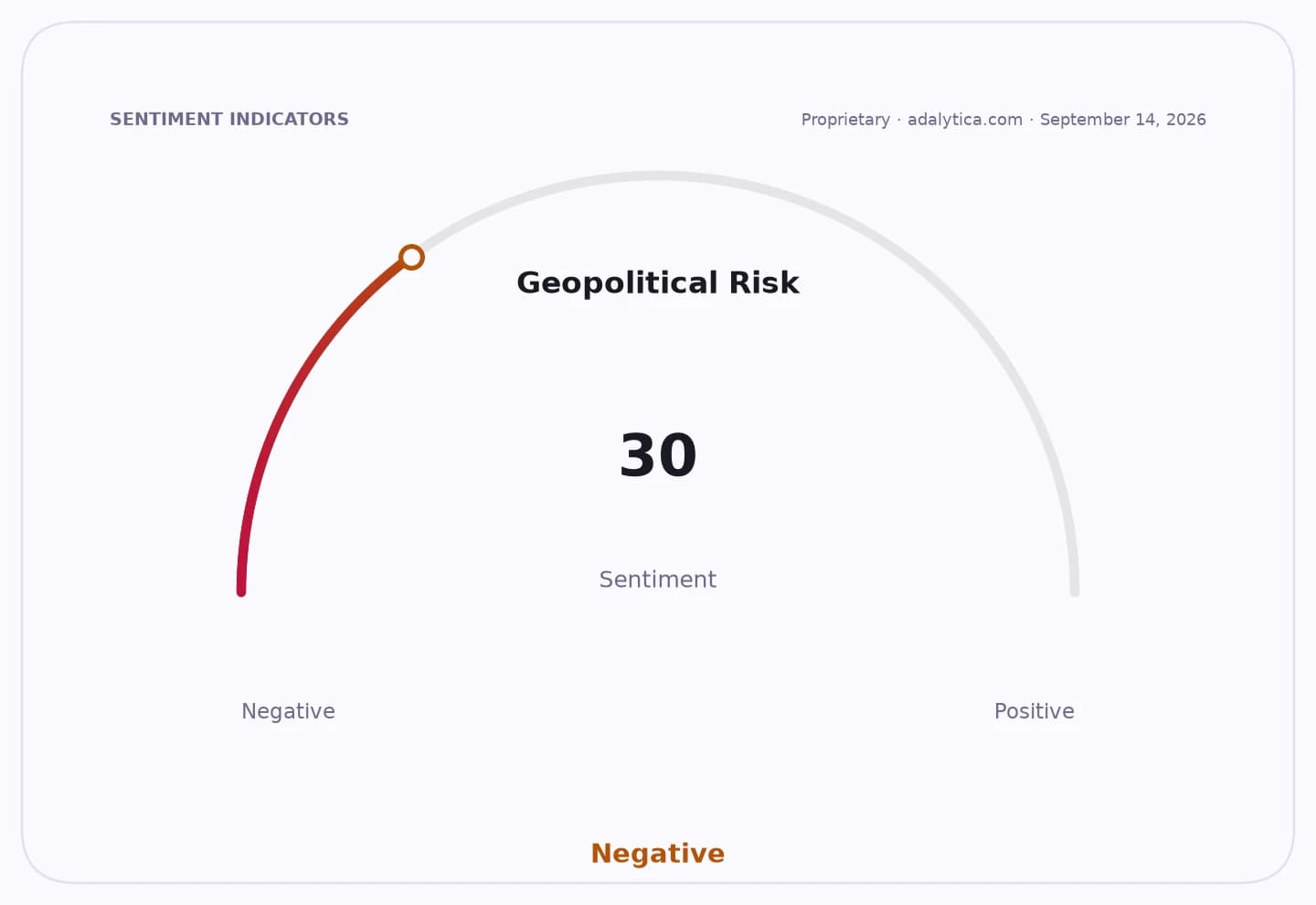
Sentiment IndicatorsⓘProprietary · adalytica.com · October 2, 2026
This is a snapshot — live sentiment, awareness and momentum for 130+ markets update continuously in the dashboard.Open AlphaPulse
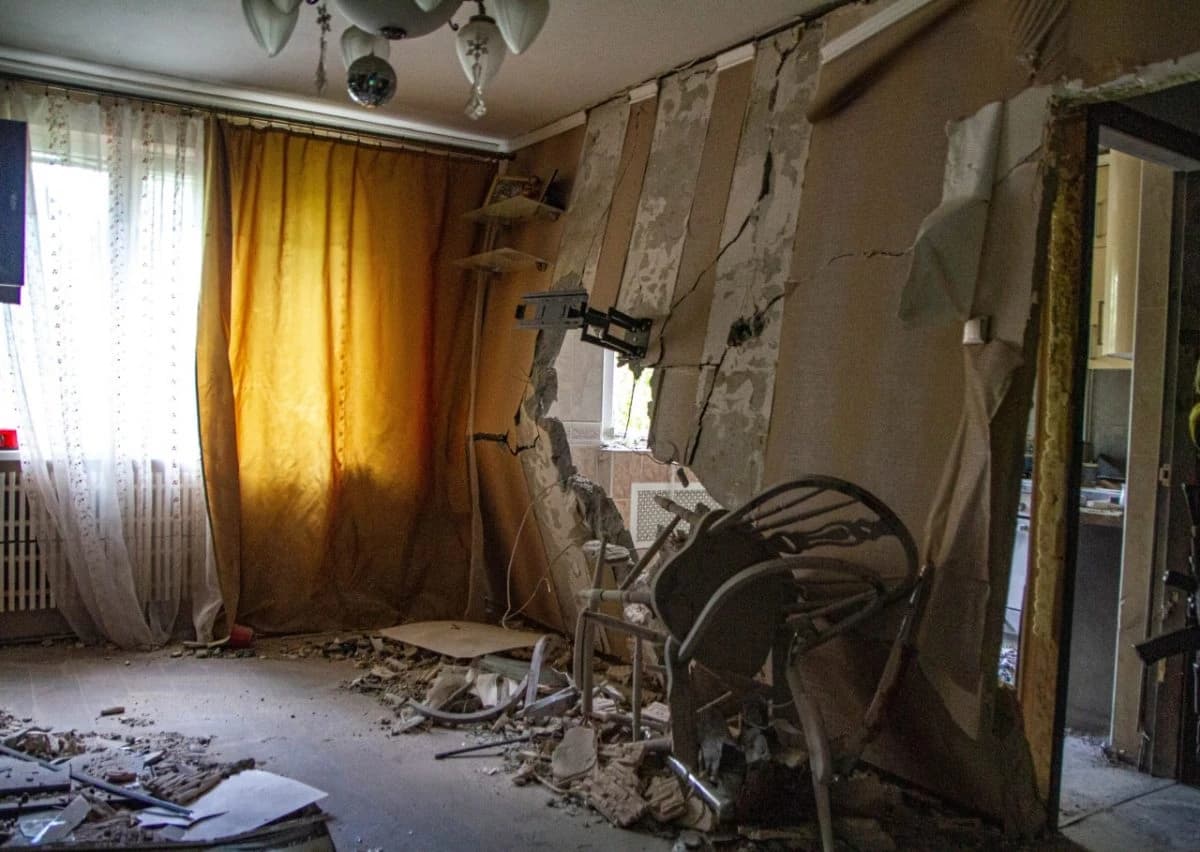
The first and most immediate problem is security. Russian strikes on Naftogaz Group assets have already reached 293 since the start of 2026, more than in all of 2025, according to the supplied data. That is not a background risk — it is a direct brake on production, a threat to workers and a recurring bill for damaged equipment, emergency repairs and physical protection. For investors, the implication is clear: even the best-run energy company can only grow so fast when its wells, processing plants and transmission assets are under attack.
The second problem is geology. Ukraine is not short of hydrocarbons, but that does not make extraction easy. Mature fields, complex reservoirs and the need for technical precision all mean output cannot simply be switched on like a tap. In practical terms, that slows the pace of any supply response just as winter demand rises. For a country trying to replace imported molecules with domestic ones, that is a major economic constraint, because every incremental barrel-equivalent or cubic meter produced at home reduces the need to spend scarce foreign currency abroad.
The third problem is regulation and policy. Strategic assets can be held back not only by war damage, but also by rules that make it harder to operate quickly, invest aggressively or prioritize output recovery. In wartime, that becomes a meaningful economic issue: delayed permits, restricted access or slow decision-making can leave domestic supply below potential even when companies have the expertise and equipment to do more.
The broader market backdrop underscores why this matters now. Natural gas has been volatile, with U.S. gas futures showing sharp swings and Adalytica’s natural gas trade signals flashing “Extreme Greed,” a reminder that energy markets are highly sensitive to weather, supply shocks and geopolitical risk. Oil prices have also been choppy, while the 10-year U.S. Treasury yield near 5.3% keeps the cost of capital elevated for energy infrastructure everywhere. In other words, Ukraine is trying to defend and rebuild its gas system in an environment where financing is expensive, energy markets are jumpy and physical disruption remains a daily hazard.
For investors, the long-term lesson is less about timing a trade and more about understanding resilience. Companies and countries that can keep producing through shocks tend to earn a premium over time, whether through lower import dependence, stronger cash generation or better strategic leverage. Ukraine’s gas sector still has a base of resources, professional teams and decades of know-how. But this winter will reward operational durability more than ambition.
The question for the months ahead is not whether Ukraine can magically “increase production,” but whether it can protect enough of the system to keep output stable and gradually rebuild from there. If it can, that supports energy security and economic resilience. If it cannot, winter will be measured not just in temperatures, but in imports, costs and lost growth.
| Entity | Gains | Losses |
|---|---|---|
| Ukraine households | ▲More secure heating | ▼Winter shortages |
| Domestic gas producers | ▲Higher strategic value | ▼Physical damage |
| Import suppliers | ▲Extra demand | ▼Lost market share |
| Russia | ▲Energy leverage | ▼Lower Ukrainian resilience |