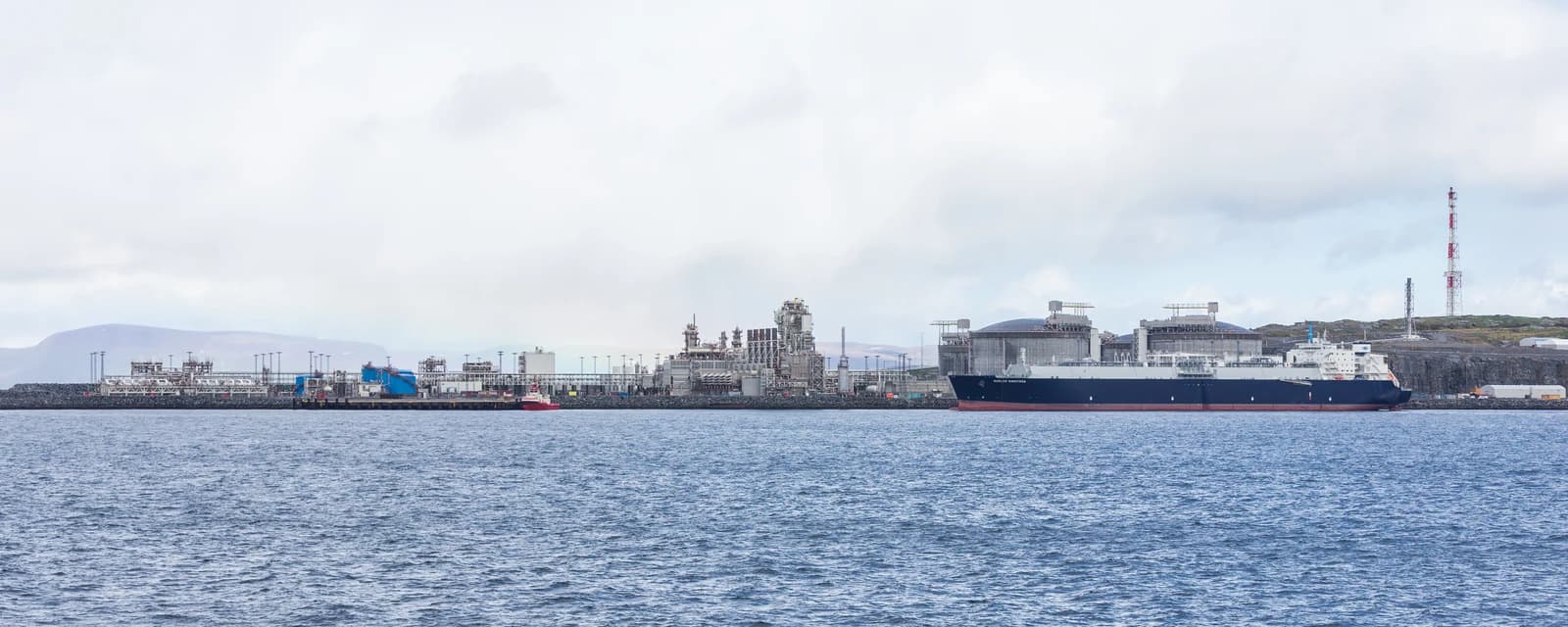
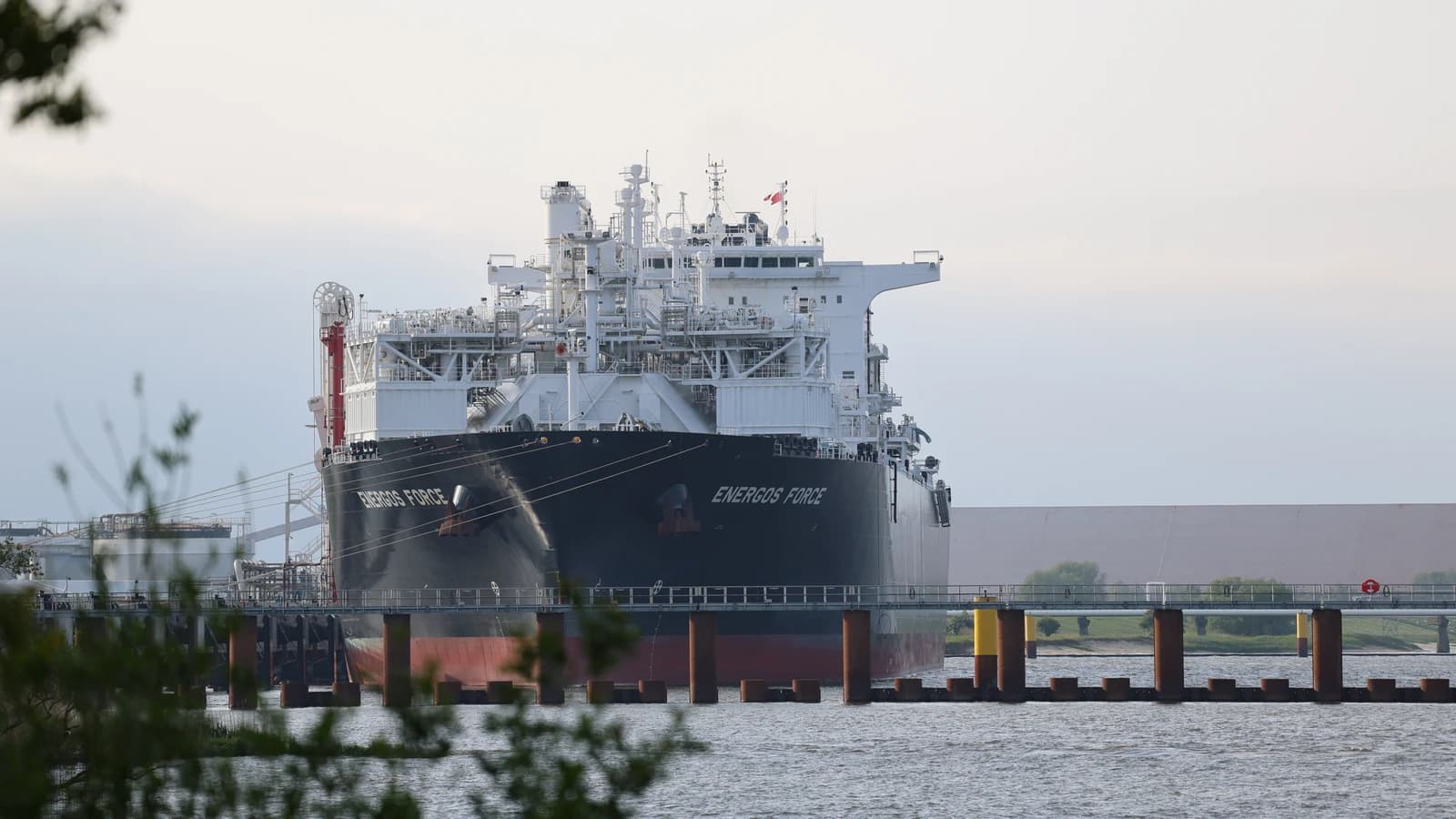
Germany and Ukraine have discussed cooperation in liquefied natural gas, a sign that Europe’s energy realignment remains a live policy priority as the region seeks to lock in supply, diversify routes and reduce exposure to geopolitical shocks.
Germany and Ukraine discuss LNG cooperation
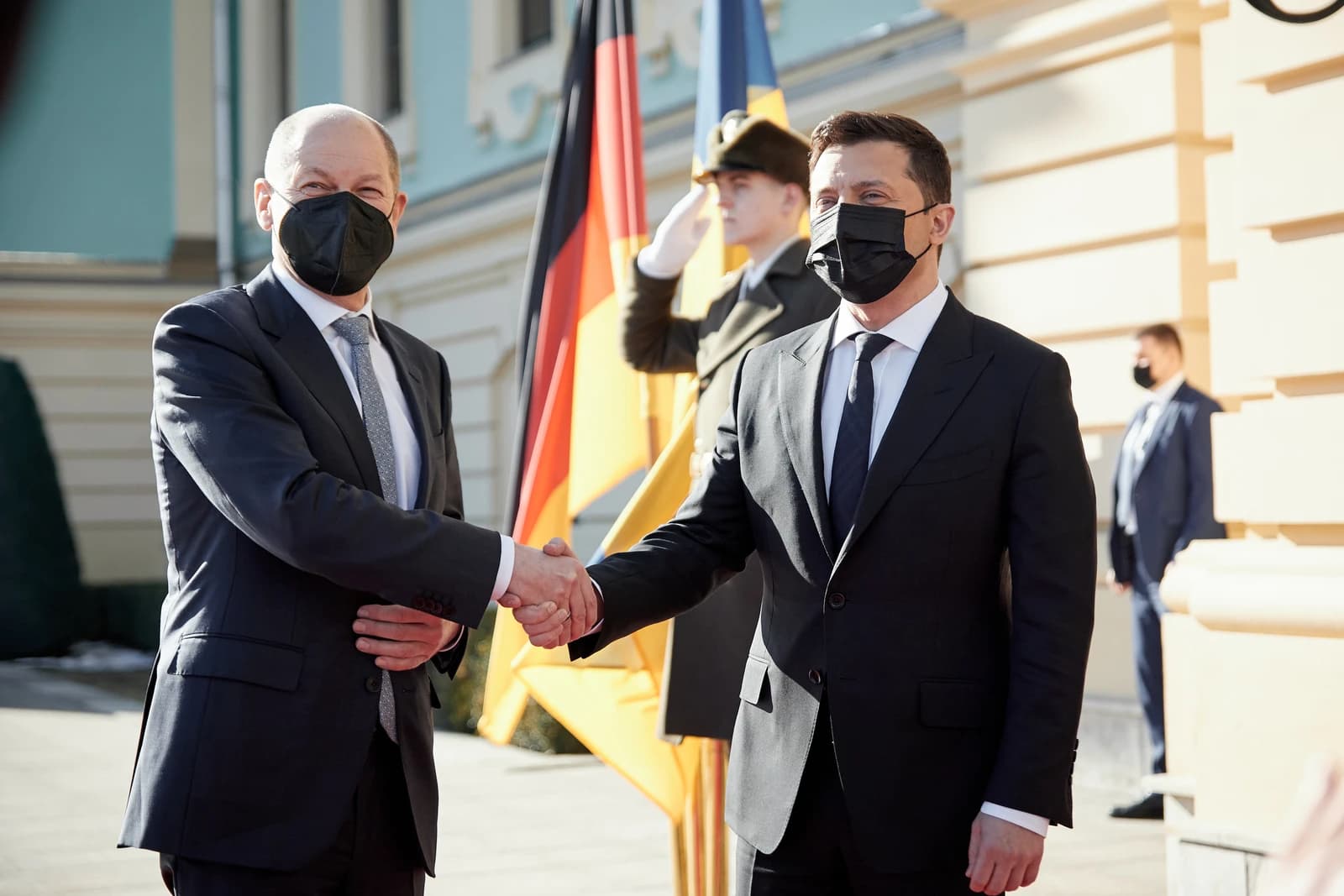
The economic significance is straightforward: LNG has become a core instrument of energy security in Europe since Russia’s invasion of Ukraine disrupted pipeline flows and forced buyers to rebuild gas supply chains at speed. Any German-Ukrainian cooperation in LNG would sit at the intersection of infrastructure, trade finance and long-term gas procurement, with implications for industrial costs, winter supply planning and the pace at which both countries can cushion themselves against price spikes.
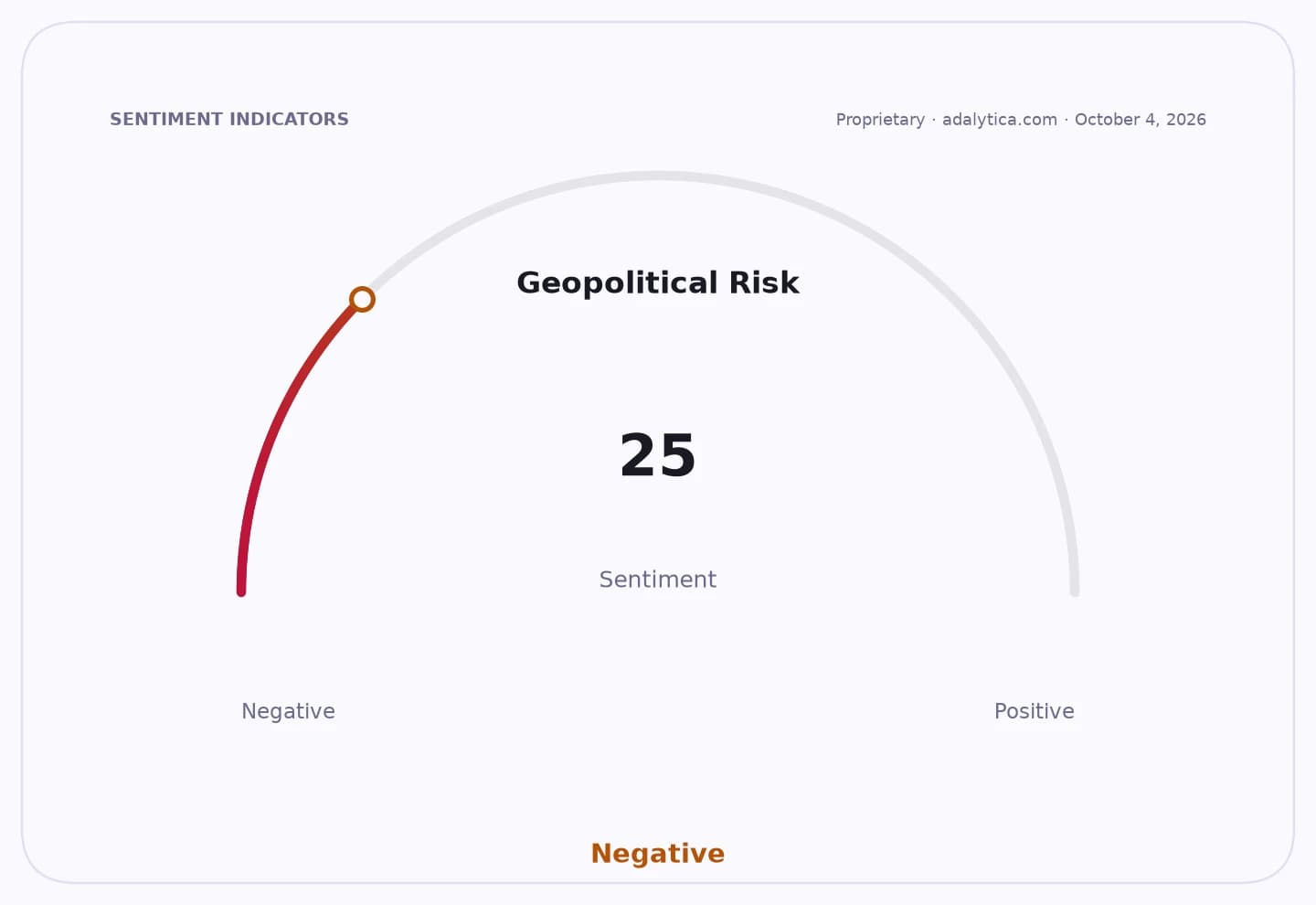
Sentiment IndicatorsⓘProprietary · adalytica.com · October 4, 2026
This is a snapshot — live sentiment, awareness and momentum for 130+ markets update continuously in the dashboard.Open AlphaPulse
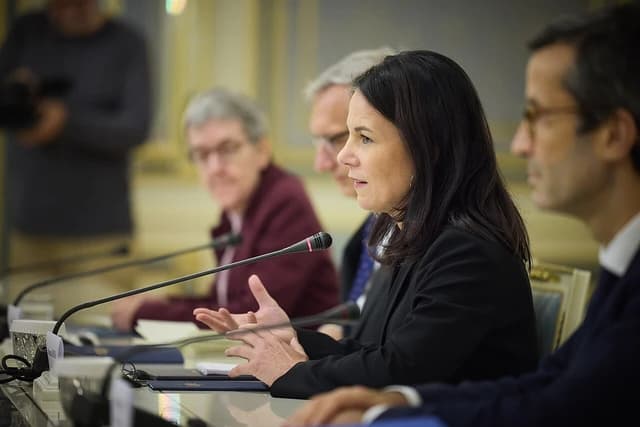
For Germany, the discussion fits a broader push to secure flexible gas imports for its manufacturing base, which remains sensitive to fuel costs and supply interruptions. For Ukraine, LNG cooperation is more than an energy topic; it is part of wartime resilience and future integration with European energy markets. If Kyiv can deepen access to LNG logistics, storage or procurement partnerships, it could strengthen its bargaining power and reduce vulnerability to physical disruptions.
The market backdrop underscores why such talks matter now. LNG producers and buyers continue to sign long-term contracts and expand infrastructure, indicating that the market still values duration and optionality over spot-only supply. Recent deals across the sector, including major long-term supply agreements and project approvals, show that utilities and governments are treating LNG as a strategic hedge rather than a cyclical trade.
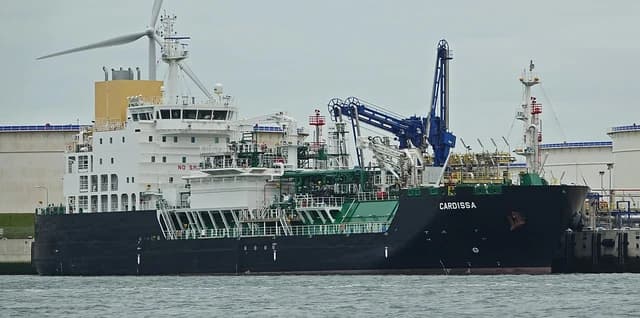
That is supporting sentiment for LNG-linked names and midstream infrastructure providers. Cheniere Energy, the main U.S. LNG exporter, has traded near the upper end of its recent range, while Enbridge and Shell have also benefited from investors’ preference for stable cash flows tied to gas transport and export capacity. Shell’s approval of a second phase at LNG Canada is another reminder that capital continues to flow toward export and regasification assets even as broader energy markets stay volatile.
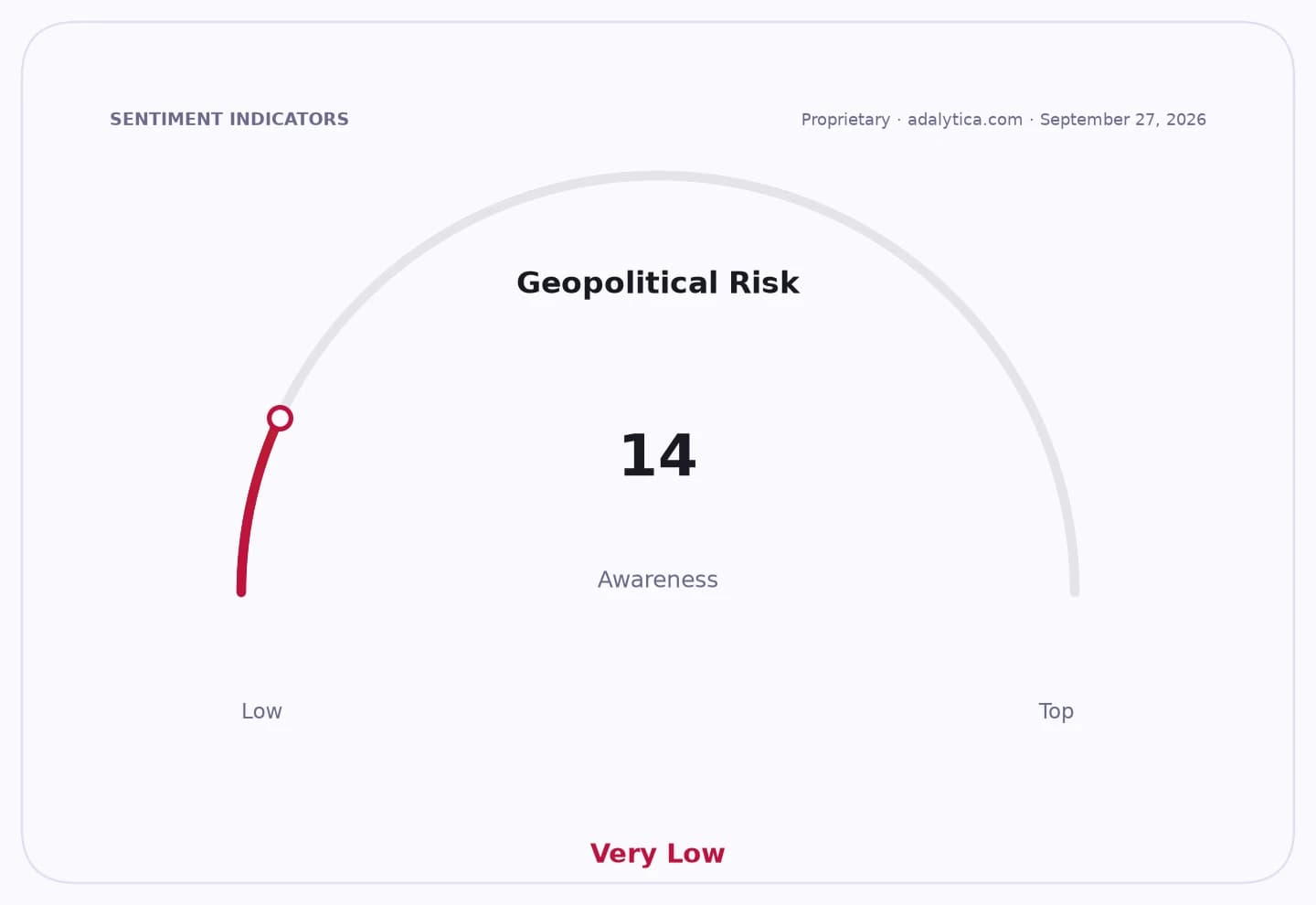
The macro environment adds urgency. Oil prices remain elevated relative to pre-crisis norms, 10-year U.S. Treasury yields are above 5%, and geopolitical risk indicators remain in “extreme fear,” all of which reinforce the appeal of contractual energy supply over open-market exposure. In that setting, LNG cooperation between Germany and Ukraine looks less like a bilateral talking point and more like part of Europe’s effort to harden its energy system against war, weather and price shocks.
For investors, the key question is not whether LNG demand exists, but which parts of the value chain benefit most. Long-term contract holders, export terminals and pipeline operators stand to gain if governments keep prioritizing security of supply. Spot-exposed buyers and power-intensive industries remain the vulnerable side of the trade, particularly if geopolitical tensions revive volatility in gas and shipping markets.
| Entity | Gains | Losses |
|---|---|---|
| Germany | ▲Supply diversification | ▼Spot price exposure |
| Ukraine | ▲Energy resilience | ▼Import vulnerability |
| LNG exporters | ▲Long-term contracts | ▼Short-term volatility |
| Midstream operators | ▲Higher throughput | ▼Contracting uncertainty |