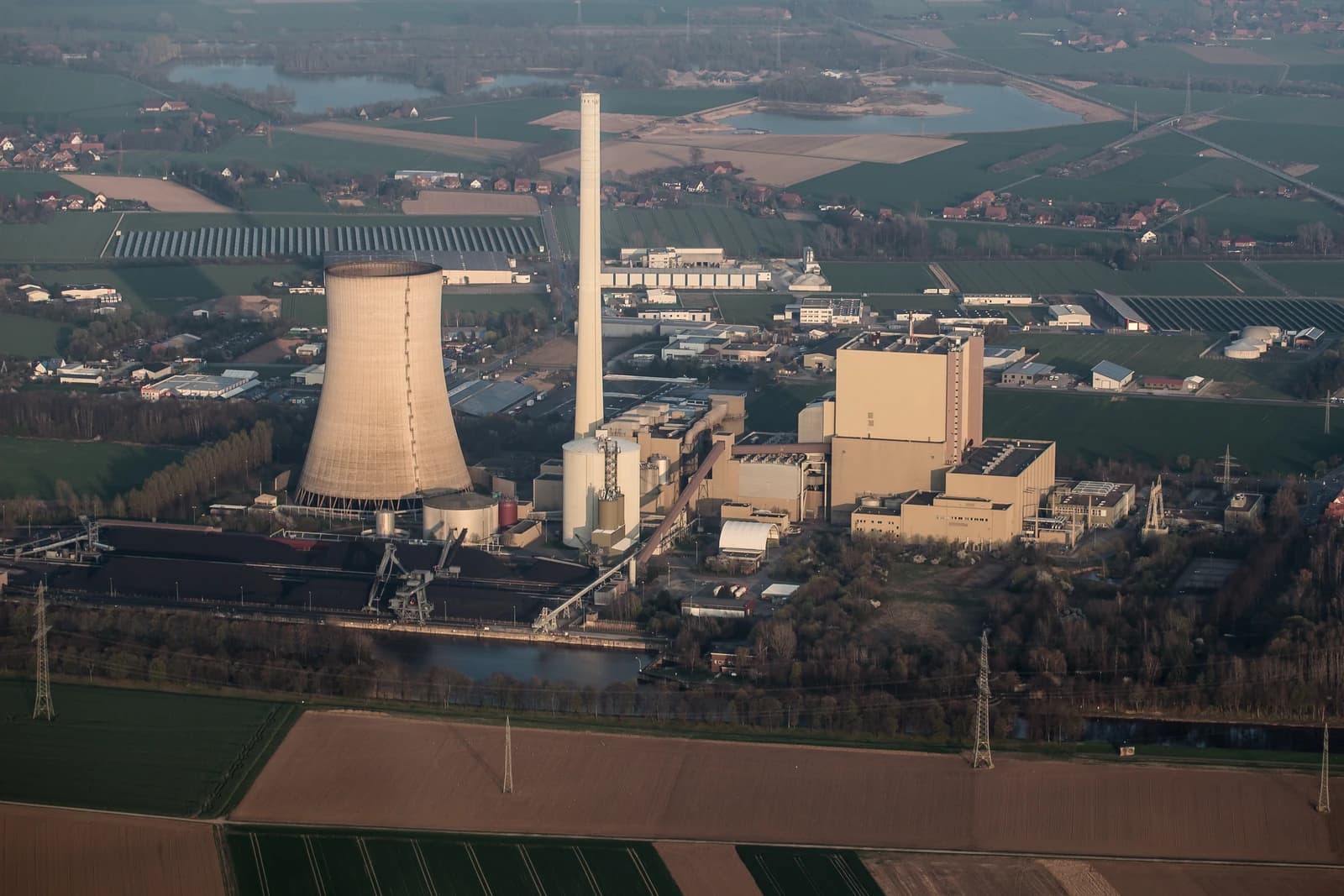
Germany’s economics minister is signaling that the country may get through winter without a gas shortage, a meaningful relief for households, industry and investors who spent the past two years pricing in Europe’s energy vulnerability. That matters because a hard winter gas squeeze can quickly spill into higher heating bills, weaker factory output and more pressure on already strained public finances.
Germany may avoid gas shortage this winter
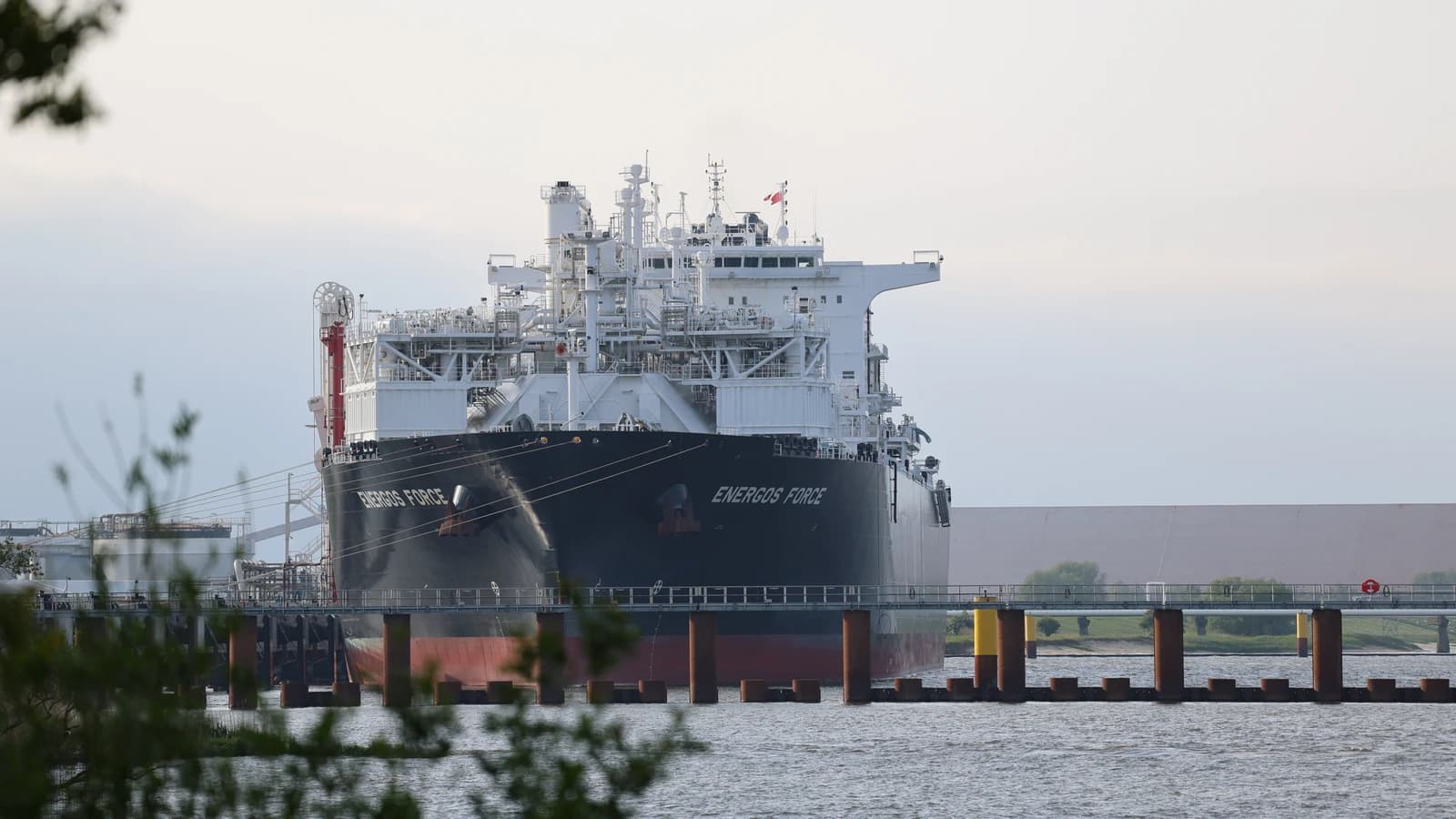
The immediate takeaway is not that Europe’s energy system is suddenly comfortable. It is that policymakers believe the emergency buffer is good enough to avoid outright rationing, even if the market remains tight. Germany has been pushing storage higher through state-backed measures, including instructions for Sefe, the state-owned gas importer, to boost reserves. That is the kind of intervention that can blunt the worst-case scenario: a scramble for supply that forces governments to choose between industrial users and residential demand.
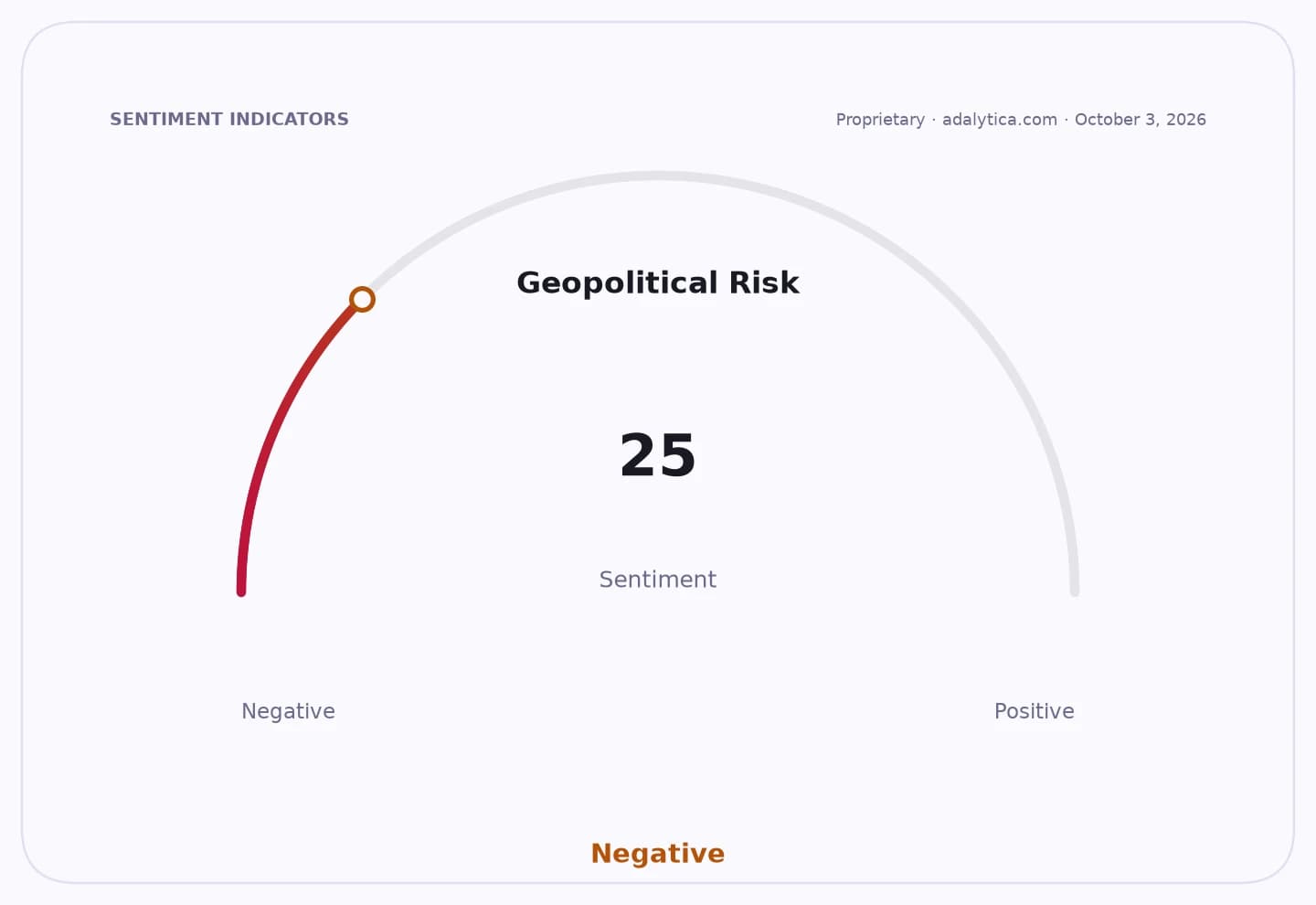
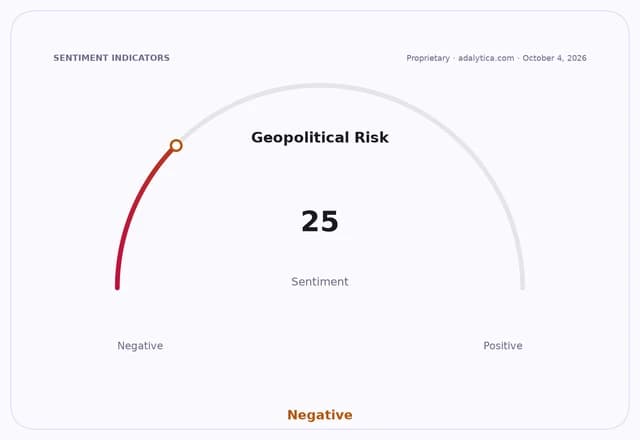
Sentiment IndicatorsⓘProprietary · adalytica.com · October 4, 2026
This is a snapshot — live sentiment, awareness and momentum for 130+ markets update continuously in the dashboard.Open AlphaPulse
For investors, the difference between “tight” and “shortage” is everything. A shortage would have forced another wave of panic buying across European gas markets, lifted power prices and renewed pressure on energy-intensive industries such as chemicals, metals and manufacturing. The absence of that extreme outcome is supportive for European risk assets, especially companies exposed to domestic demand and industrial activity. It also reduces the odds of a fresh policy shock that would punish utilities, importers and transporters with emergency rules or forced allocation.
Still, the market is not in the clear. Natural gas futures remain sensitive to every storage update and weather forecast, and the broader energy complex has been volatile as traders weigh winter demand against global supply. Technical readings on U.S. natural gas futures point to a market that is still trading above its 50-day average, with momentum neither overheated nor fully settled, a reminder that prices can move sharply on even modest shifts in supply expectations.
Geopolitical Risk vs NG=Fadalytica.com
Explore this data interactively — full history, time series and cross-market comparisons.Open AlphaPulse
The broader narrative is that Europe is moving from crisis management toward managed fragility. Norway is expected to keep supplies flowing, and Germany’s storage push suggests officials are trying to stay ahead of any cold-weather shock. That should help keep a floor under confidence in European industry, but it does not remove the structural lesson of the past few years: energy security is now a core economic variable, not a backdrop.
For long-term investors, the right response is less about trying to predict the coldest week of winter and more about watching which companies can absorb energy volatility without breaking their balance sheets. Energy producers, LNG exporters and firms with flexible supply contracts remain better positioned than users locked into high-cost power. If Germany avoids a shortage, that is a win for the economy — and a reason to keep energy exposure diversified, not concentrated in the most vulnerable names.
| Entity | Gains | Losses |
|---|---|---|
| German consumers | ▲Lower shortage risk | ▼Less room for relief if prices stay high |
| Industrial firms | ▲Fewer rationing fears | ▼Still face elevated input costs |
| LNG exporters | ▲Steady European demand | ▼Less panic-driven price spike |
| Energy importers | ▲Policy support and storage buffers | ▼Margin pressure if supply stays tight |