AfD officials are not just reviving a political slogan — they are actively discussing with Moscow how Russian gas could return to Germany, a move that would reopen one of Europe’s most important energy debates and potentially alter the economics of German industry.
Germany AfD Discusses Russian Gas Return With Moscow
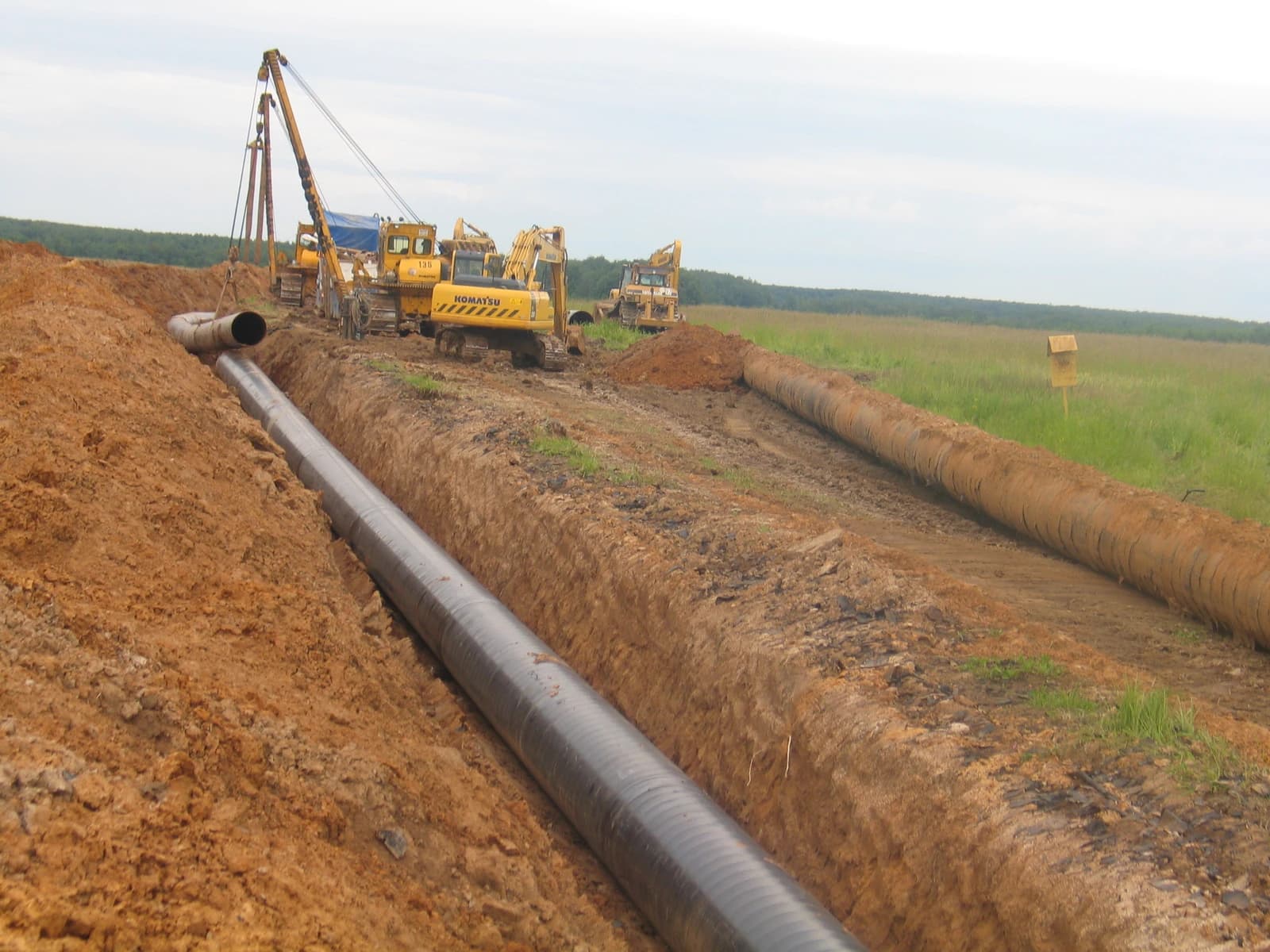
That matters because Germany’s industrial model was built on abundant, cheap gas, and the loss of Russian supply after the 2022 invasion of Ukraine forced companies and households to pay up for replacement fuel. Even now, the pressure is still visible in the market: German gas storage is only about 57% full heading into winter, a reminder that energy security remains fragile and expensive.
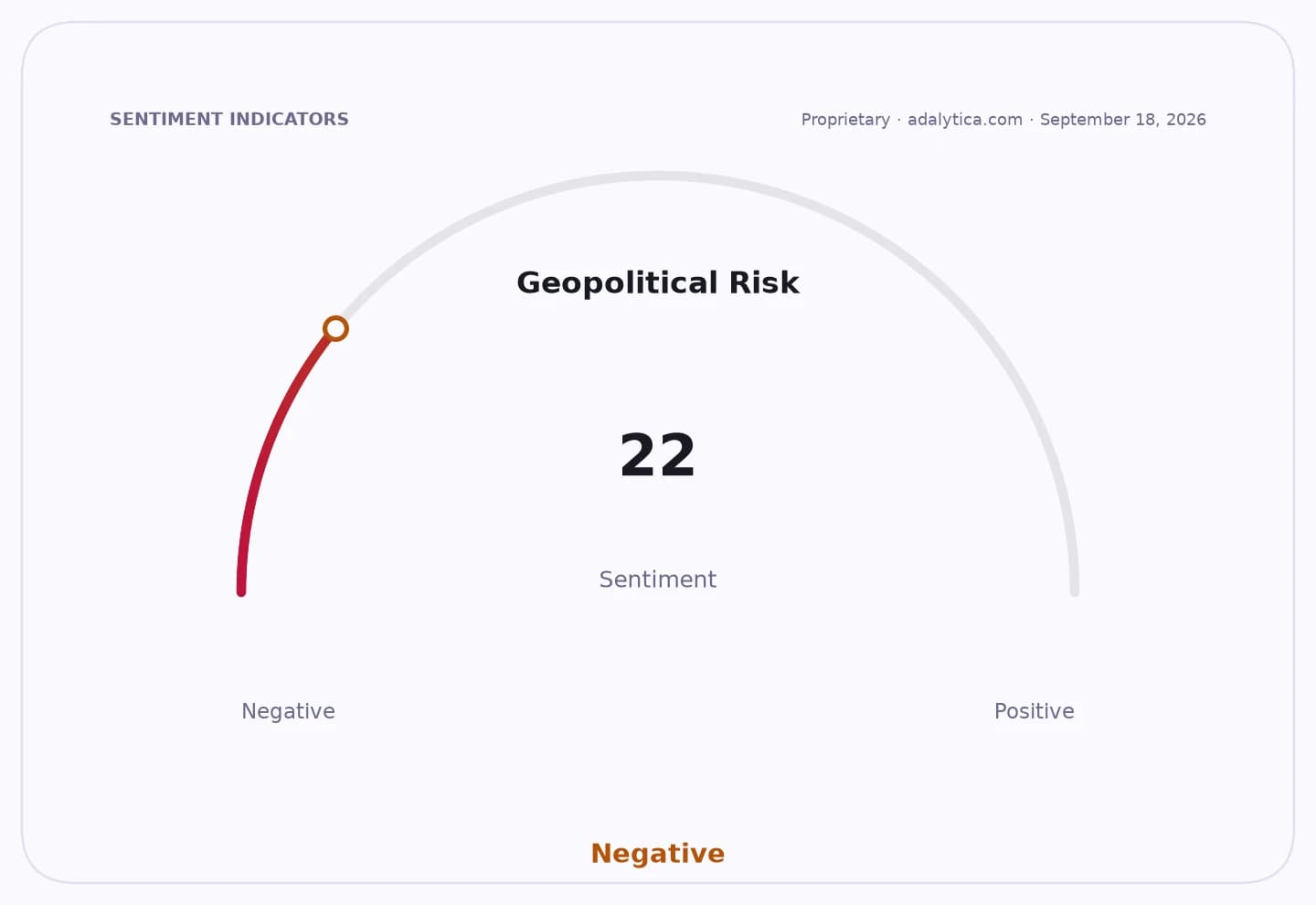
Sentiment IndicatorsⓘProprietary · adalytica.com · September 30, 2026
This is a snapshot — live sentiment, awareness and momentum for 130+ markets update continuously in the dashboard.Open AlphaPulse
Reuters said AfD leaders are preparing another meeting with the Russian side next year on possible gas deliveries, but only if Moscow and Kyiv first agree a framework for peace. The party also wants the United States involved, and possible venues include Israel, the UAE and India. That signals how politically sensitive any return to Russian gas would be, even if the idea is still far from a formal policy shift.
The economic argument is straightforward. Cheap pipeline gas lowers power and heating costs, supports chemicals, metals and manufacturing, and improves the competitiveness of exporters that have struggled with higher input prices since the war. Moscow has been making the same point, blaming Germany’s competitiveness problems on the decision to replace Russian gas with pricier supply, including imports from the U.S. Whether one agrees with that framing or not, the cost differential is real — and investors know it.
Markets are already pricing in a world where Europe’s energy story is still unstable. TTF gas futures have been volatile, and the broad message from the price action is that winter supply concerns have not gone away. In the U.S., natural gas prices have also swung sharply, underscoring how a political shift in Berlin could ripple through LNG trade flows, storage demand and pricing across the Atlantic.
For investors, the stakes are bigger than one party’s foreign-policy stance. A serious push to restore Russian pipeline flows would be bullish for energy-intensive German companies, potentially easing margin pressure for manufacturers and reducing the need for emergency state support. It could also weigh on U.S. LNG exporters and other suppliers that benefited when Europe scrambled for replacement gas after 2022.
But the risks are just as clear. Green politicians are already warning that Germany must not become dependent on Russia again, and that political resistance would be intense. Any restart would depend on a fragile peace framework, geopolitical trust that does not exist today, and infrastructure decisions around Nord Stream that remain deeply divisive.
For long-term investors, the most important takeaway is that Europe’s energy map is still in flux. German industry would love lower gas prices, but political reality may keep Russian supply out of reach for years. That makes diversified exposure to energy producers, LNG infrastructure and European industrial names the more prudent way to play the theme while the policy fight plays out.
| Entity | Gains | Losses |
|---|---|---|
| German manufacturers | ▲Lower energy costs | ▼Less competitive pricing pressure |
| U.S. LNG exporters | ▲Stronger Europe demand | ▼Potential volume loss |
| AfD | ▲Political traction on cheap energy | ▼Criticism over Russia ties |
| Russian gas sellers | ▲Chance to regain market share | ▼Continued exclusion from Germany |