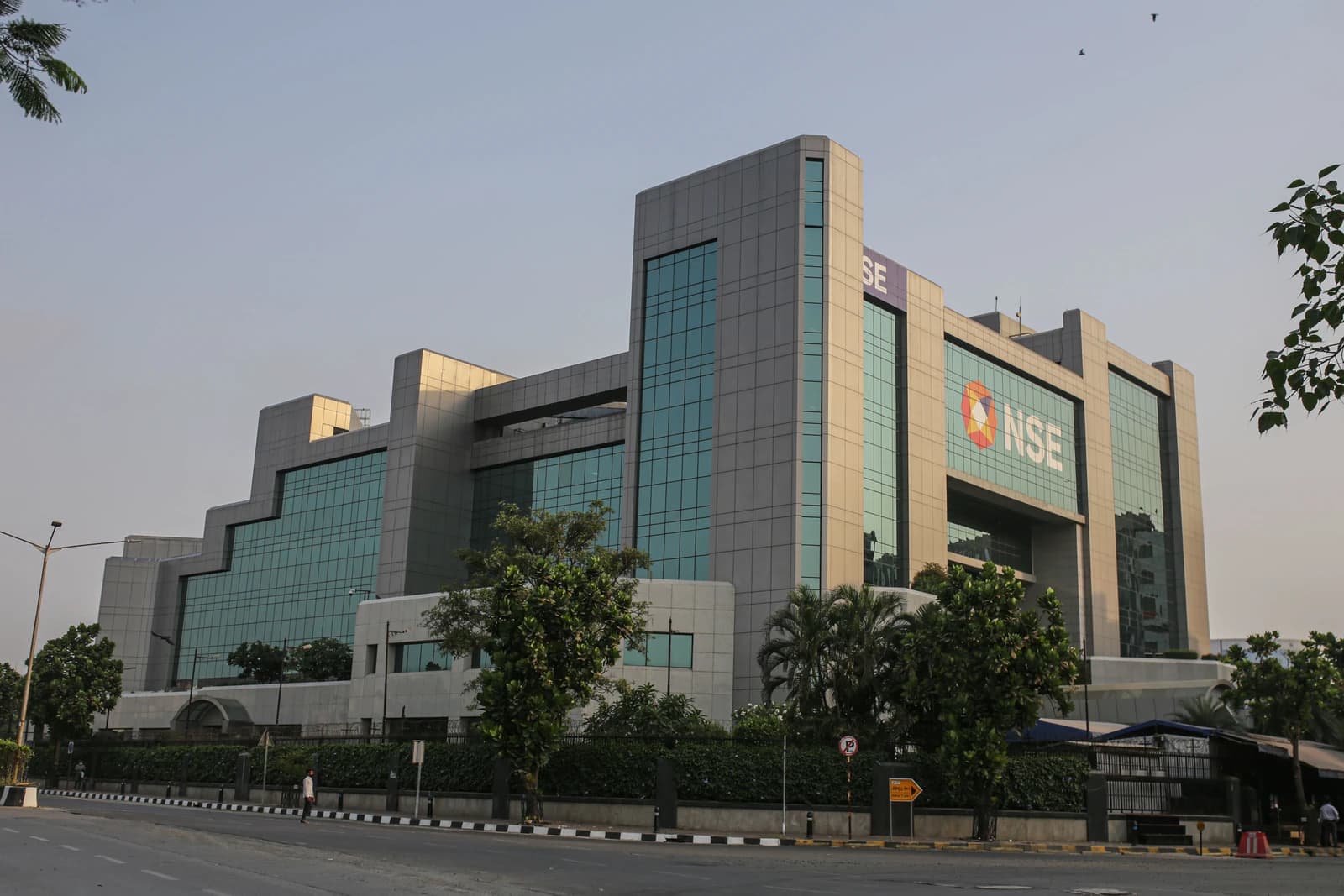
India’s infrastructure buildout is drawing fresh global capital because it is increasingly visible as a long-duration growth theme rather than a purely domestic public-spending story.
India infrastructure buildout attracts global capital
That matters economically because infrastructure sits at the center of India’s next phase of expansion: better roads, rail, ports, logistics and tourism networks raise productivity, lower transport costs and widen the pool of investable projects for foreign money. For investors, the opportunity is twofold — direct exposure to higher project pipelines and a potential rerating of companies tied to connectivity, construction, logistics and financial intermediation as capital formation deepens.

The appeal is being reinforced by a steady stream of project-specific spending. Odisha’s Rs 1,500-crore tourism infrastructure package and parallel upgrades to rail and police infrastructure across states point to a broader policy pattern: authorities are not just funding headline megaprojects, they are widening the infrastructure base that supports commerce, mobility and services. That diversification matters because it reduces reliance on a single sector and creates a more predictable flow of contracts for contractors, lenders and asset managers.
Market behavior suggests investors are already responding to that narrative. In India-related equities in the data set, Infy and HDB have traded well below their 200-day moving averages, while ICL has stabilized after a volatile stretch, with its price moving back above its 50-day average at points before losing momentum again. The mixed technical backdrop underscores a key point for investors: the opportunity is real, but it is still being separated from the noise of broader risk appetite, dollar moves and China-related sentiment shifts.
That macro overlay is important. Adalytica’s China growth-target sentiment has swung sharply higher, while its dollar trade signals show pronounced fear. For India infrastructure, that combination can cut both ways: a softer dollar and stronger emerging-market allocation flows are supportive, but a revival in China enthusiasm could compete for international capital, and a choppy global funding backdrop can delay project financing even when domestic demand is intact.
The bull case is straightforward. India has a large financing gap, a large domestic market and a policy framework that continues to prioritize capex, connectivity and logistics efficiency. Foreign investors looking for structural growth, inflation-linked assets or steady project cash flows have more reasons to engage than they did a few years ago. The bear case is equally clear: infrastructure is capital-intensive, execution-heavy and often hostage to regulation, land acquisition, bidding discipline and funding costs. A crowded trade would also raise the risk of overstretched valuations in the best-known names while second-tier projects remain harder to finance.
For investors, the key question is not whether India needs more infrastructure — it plainly does — but which parts of the ecosystem can convert that need into durable earnings and cash flow. The likely winners are firms with access to capital, credible execution and exposure to logistics and transport bottlenecks. The losers are projects that depend on easy financing, slow permitting or weak demand validation. As global investors continue to search for growth outside the developed world, India’s infrastructure complex is becoming one of the clearest places where macro policy and market opportunity now overlap.
| Entity | Gains | Losses |
|---|---|---|
| Global infrastructure investors | ▲Long-duration growth exposure | ▼Missed allocation if underweight |
| Indian contractors and lenders | ▲Larger project pipeline | ▼Execution and funding risk |
| State governments | ▲Better connectivity and activity | ▼Budget strain if projects overrun |
| Competing emerging markets | ▲Less India capital leakage | ▼Share of foreign inflows |