Russia said the atmosphere around Ukraine negotiations is changing, but the bigger message for investors is that Moscow is still signaling openness to talks without committing to a halt in fighting. That leaves the war risk premium intact across energy, gold and currencies, even as diplomacy inches forward at the United Nations.
Russia Signals Ukraine Talks as War Risk Stays

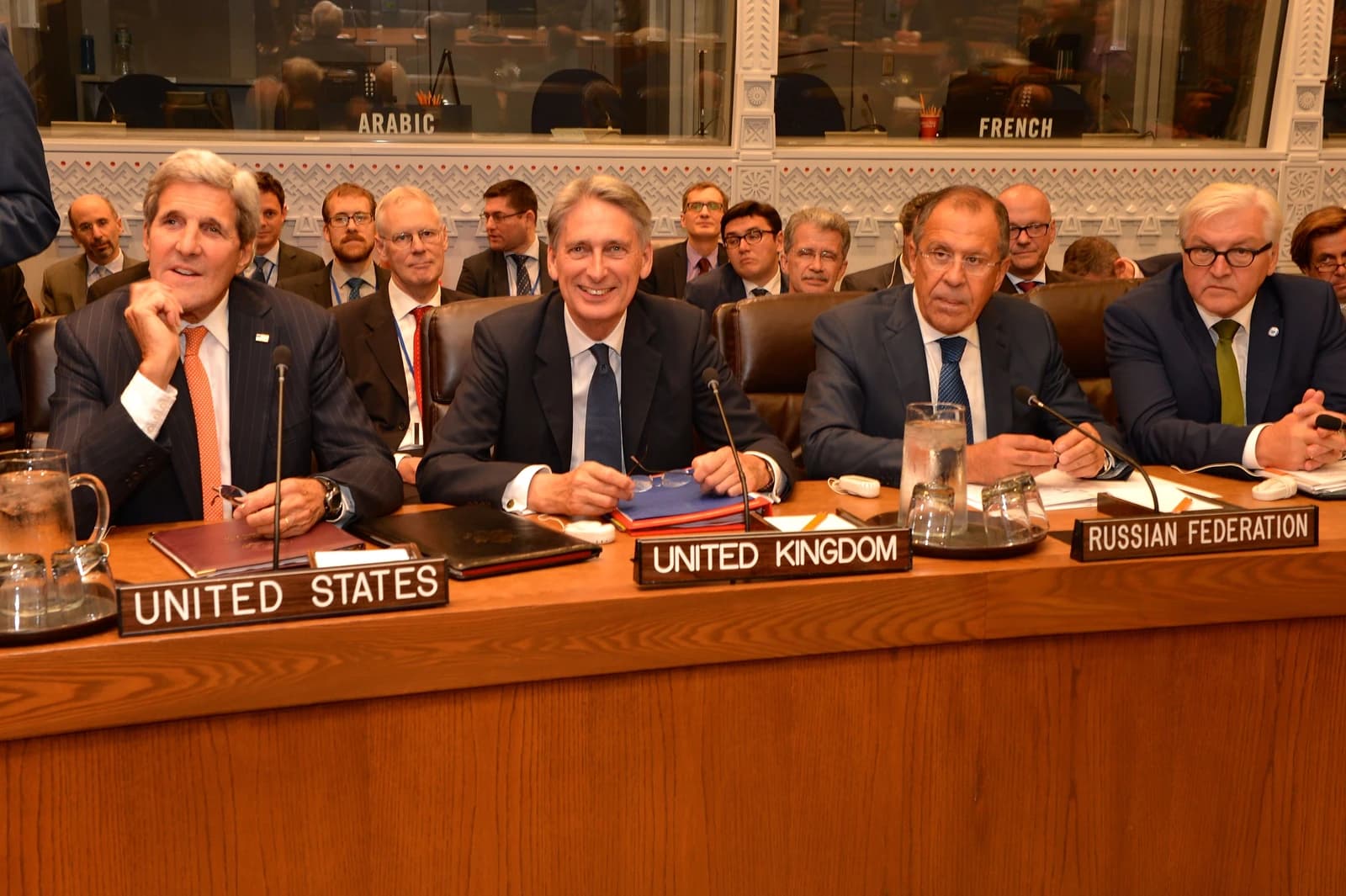
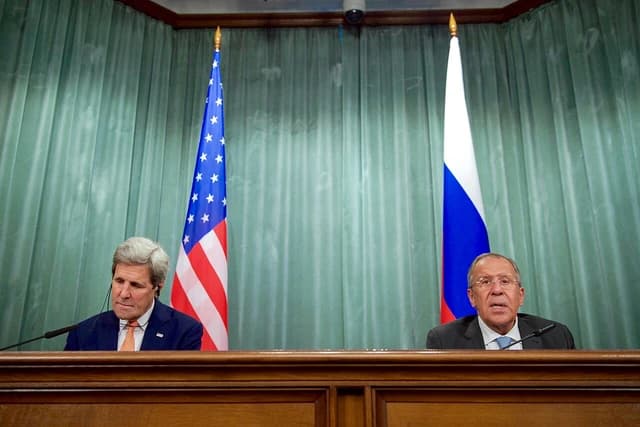
The remarks came from Russian senator Grigory Karasin, who said negotiations in New York showed the sides were on the “right path” toward a long-term settlement. He added, however, that the situation remains effectively controlled by NATO and the West, underscoring how far apart the parties still are on what a peace process would actually look like. Russian Foreign Minister Sergei Lavrov’s meeting with U.S. Secretary of State Marco Rubio at the UN General Assembly on Sept. 23 added to the sense that channels remain open, even if the substance is thin.
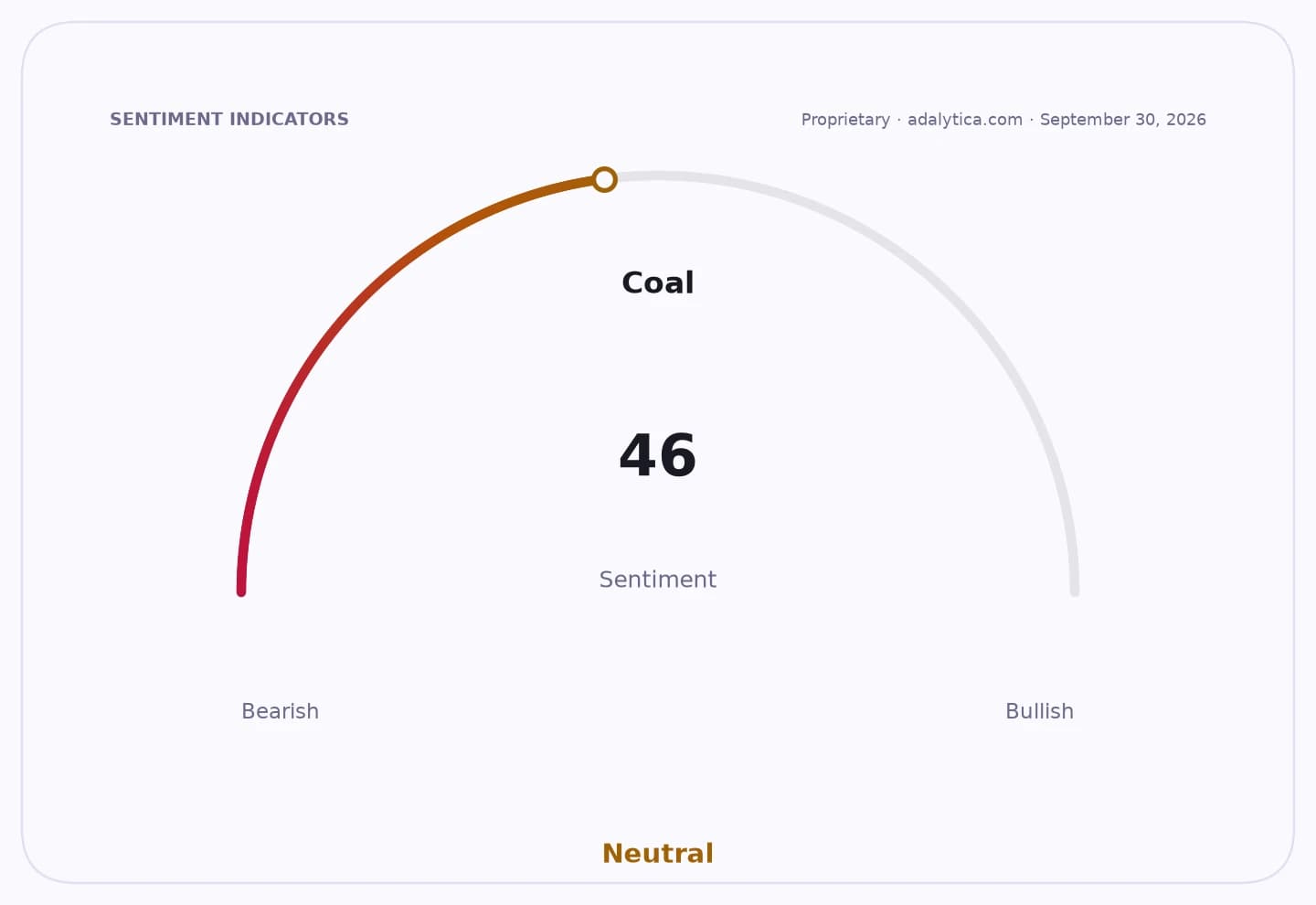
Sentiment IndicatorsⓘProprietary · adalytica.com · September 29, 2026
This is a snapshot — live sentiment, awareness and momentum for 130+ markets update continuously in the dashboard.Open AlphaPulse
For the global economy, that matters because any easing in the conflict could eventually reduce the supply shock that has hung over energy markets, shipping routes and agricultural trade since the invasion. But Moscow’s position — talks are acceptable, fighting continues — means the market cannot yet price in a true de-escalation. That is why oil remains sensitive to every diplomatic headline, and why gold continues to attract hedging demand whenever peace hopes fade.
The market reaction tells the story. U.S. Oil Fund shares, tracked by USO, have stayed elevated even after recent volatility, with the fund closing at 146.58 on Sept. 29, far above its 50-day moving average of 136.57 and 200-day moving average of 114.00. That kind of strength usually reflects traders keeping geopolitical risk embedded in crude prices. Gold has also seen a powerful run this year, though GLD has pulled back lately to 382.70, below both its 50-day and 200-day averages, as some investors trim havens while others wait for clearer evidence that diplomacy can stick.
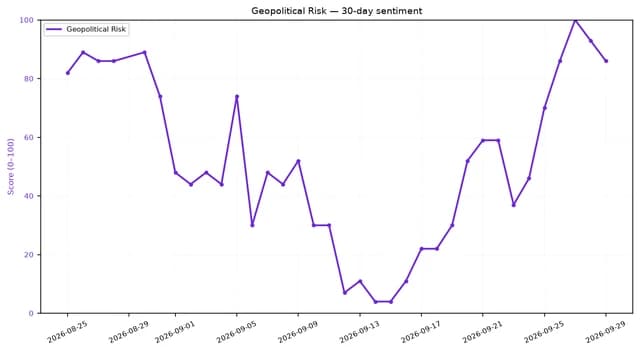
The deeper narrative here is not that peace is close. It is that both sides want to be seen as open to negotiations while preserving leverage on the battlefield. Ukraine’s leaders have accused Russia of stalling, and Germany has said Moscow does not appear serious about a real settlement. That is exactly the kind of ambiguity that keeps institutional investors cautious: it supports commodities tied to conflict risk, but it does not yet justify a wholesale repricing of global growth or inflation expectations.
For long-term investors, the lesson is simple. Geopolitical headlines can move oil, gold and defense stocks quickly, but durable portfolio decisions should still be based on fundamentals, diversification and a multiyear horizon. If talks gain real traction, energy and bullion could give back some of their war premium. If they stall, the same assets can remain valuable hedges. Either way, this is a story worth keeping on the watchlist.
| Entity | Gains | Losses |
|---|---|---|
| Russia | ▲Diplomatic flexibility | ▼Pressure for ceasefire |
| Ukraine | ▲Talk channel remains open | ▼No military pause |
| Oil investors | ▲War-risk support | ▼Peace-driven pullback |
| Gold holders | ▲Safe-haven demand | ▼Reduced crisis premium |