Russia is signalling that the war in Ukraine will continue, just as the conflict enters a more dangerous phase for civilians and energy markets ahead of winter.
Russia Says It Will Continue War in Ukraine
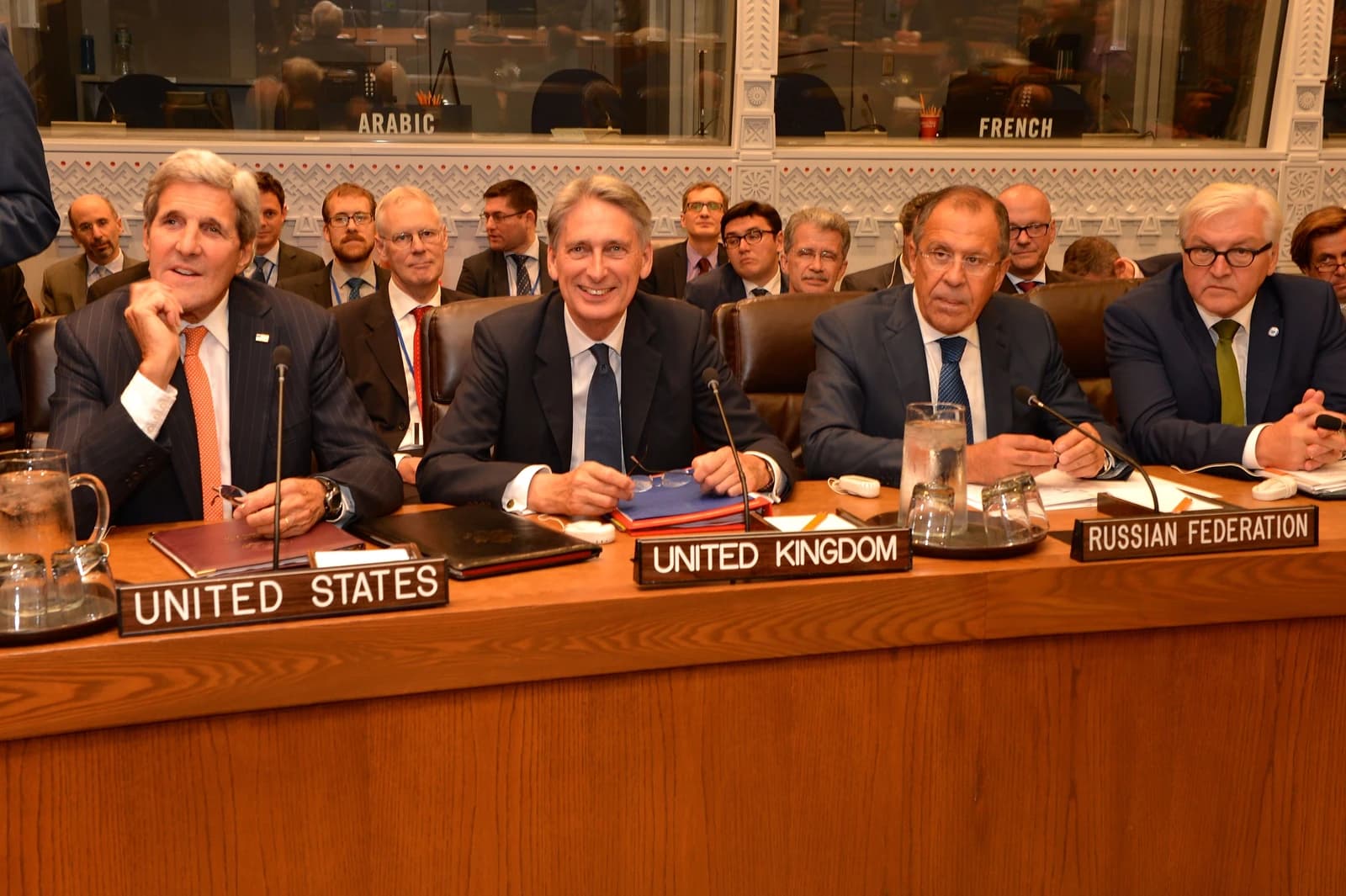
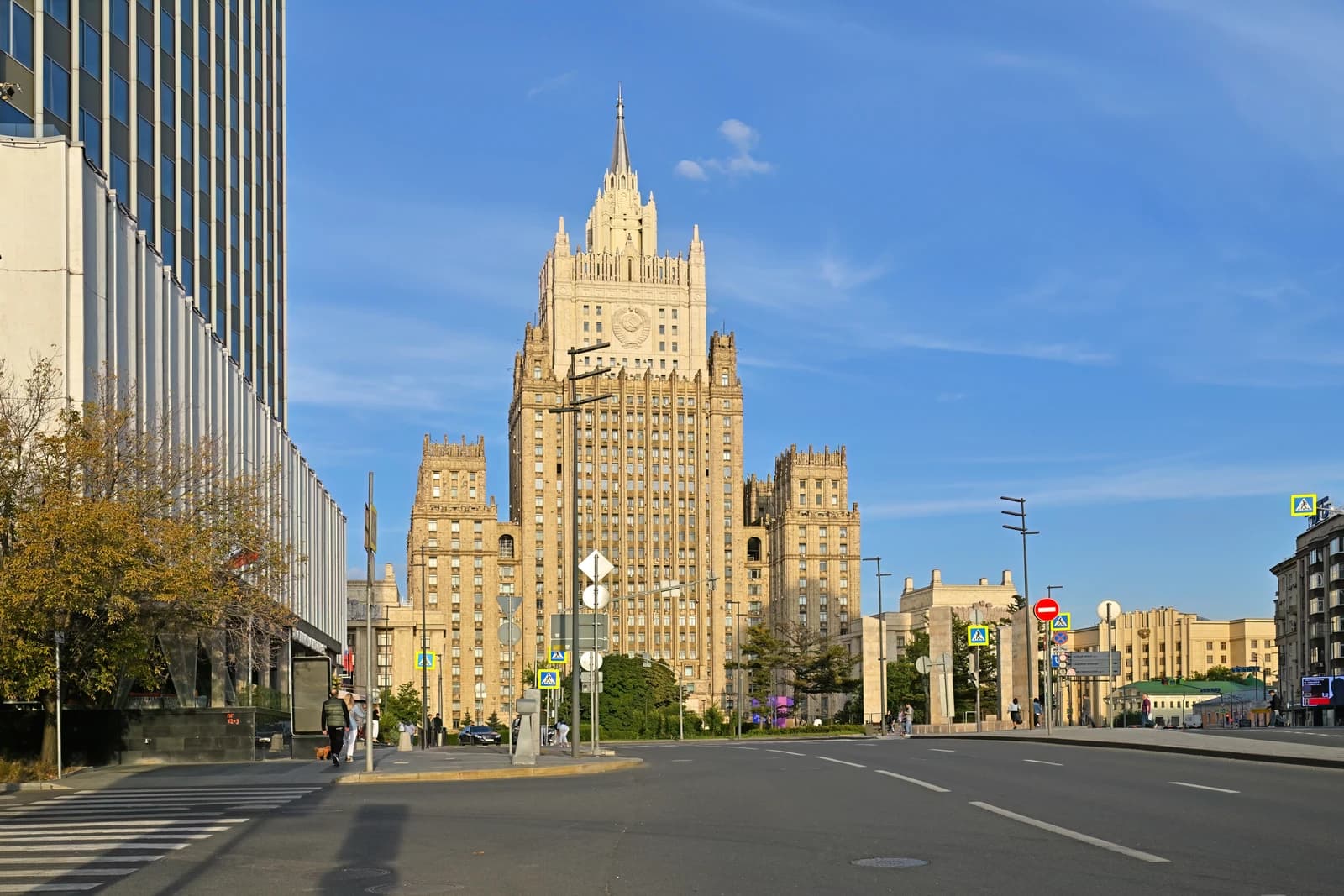
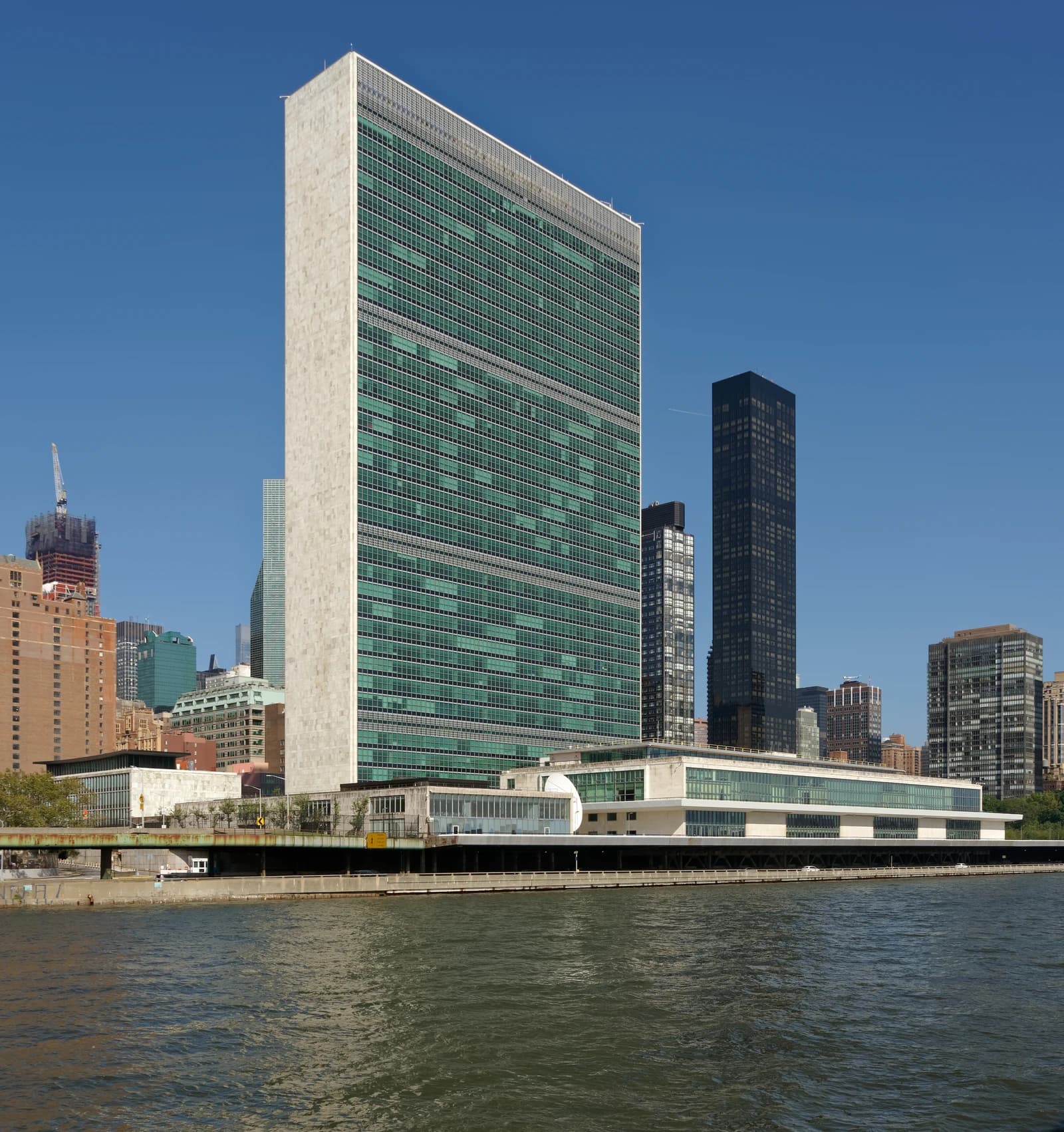
At a United Nations Security Council meeting in New York, Russian Foreign Minister Sergei Lavrov said Moscow “will not interrupt” what it calls its special military operation, while accusing Europe of trying to sabotage peace efforts. The message matters because it narrows expectations for any near-term ceasefire and reinforces the view in Kyiv, Washington and European capitals that the Kremlin is still betting on military pressure rather than compromise.
Sentiment IndicatorsⓘProprietary · adalytica.com · September 28, 2026
This is a snapshot — live sentiment, awareness and momentum for 130+ markets update continuously in the dashboard.Open AlphaPulse
The timing is significant for both the battlefield and the global economy. The UN warned that Ukraine is entering a “new and dangerous phase” of war, with more intense attacks, rising civilian casualties and growing regional spillovers. Rosemary DiCarlo, the UN’s political affairs chief, said the risk now extends beyond Ukraine’s front lines, pointing to cross-border drone incidents, attacks near transport corridors and heightened concern around nuclear facilities.
The most immediate economic risk is energy. With winter approaching, the UN said strikes on Ukraine’s power grid could leave millions without heat and electricity. That raises the odds of fresh disruption to industrial output, transport and household consumption inside Ukraine, while also adding to volatility in oil and gas markets if attacks broaden to Russian energy assets. US Secretary of State Marco Rubio said Washington will try to broker an understanding to halt strikes on energy infrastructure in both countries, but acknowledged that such an arrangement would be hard to reach because both sides see those attacks as strategic.
Geopolitical Risk — 30-day sentimentadalytica.com
Explore this data interactively — full history, time series and cross-market comparisons.Open AlphaPulse
For investors, the message is less about a sudden market catalyst than about sustained geopolitical risk. Oil prices have already been supported by heightened war-related uncertainty, with USO trading near $153.70 and above its 50-day moving average, while Adalytica’s oil trade signals show “Extreme Greed.” Gold, by contrast, has weakened as a haven bid faded, with GLD sliding to $377.65 and technical readings pointing to pressure below its 50-day and 200-day averages. That split suggests markets are still pricing a premium for energy risk, but not yet a broad flight into defensive assets.
The war also carries wider implications for Europe. Any escalation involving drones over NATO territory, sabotage or accidental incidents near borders would raise the chance of a direct confrontation and keep defense spending elevated. That is one reason the geopolitical backdrop remains highly charged even as equity markets elsewhere have been more focused on rates and earnings.
Rubio said a possible meeting between President Donald Trump and Vladimir Putin could happen on the margins of the G20 later this year, and Putin may also attend APEC in China. But Lavrov’s remarks underline the larger reality: diplomacy is still running behind the battlefield. Unless there is a credible pause on attacks against energy infrastructure, the war is likely to keep amplifying humanitarian damage, regional security risks and commodity-market volatility into the cold season.
| Entity | Gains | Losses |
|---|---|---|
| Russia | ▲battlefield leverage | ▼ceasefire prospects |
| Ukraine | ▲diplomatic backing | ▼power grid stability |
| Energy bulls | ▲risk premium | ▼haven flows into gold |
| Europe | ▲defense urgency | ▼regional security calm |