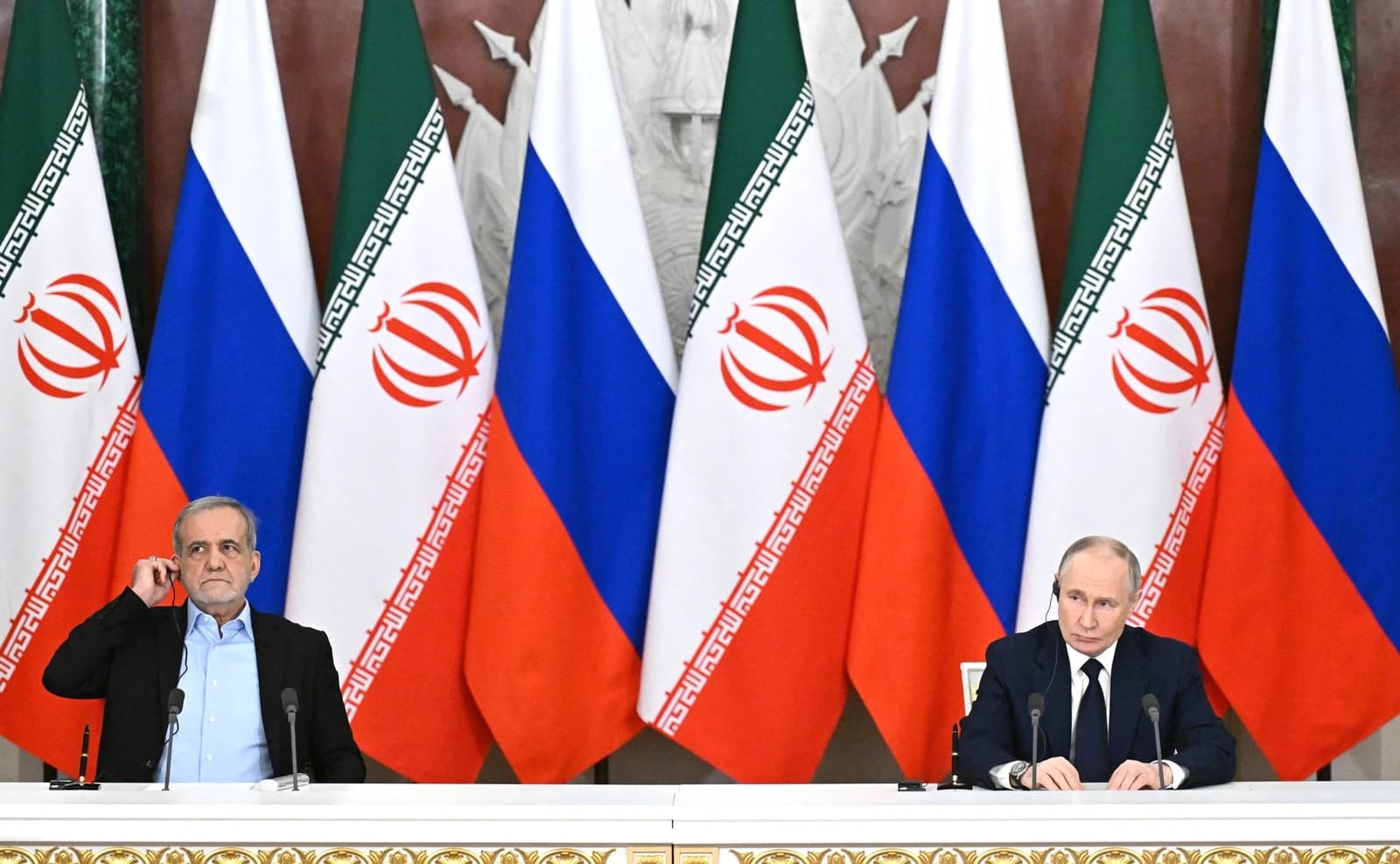
Ukraine’s war is becoming a grinding test of manpower, money and industrial capacity, and President Volodymyr Zelenskyy is trying to turn that reality into a political and financial pressure campaign on Moscow.
Ukraine war raises costs for Russia, boosts defense and oil

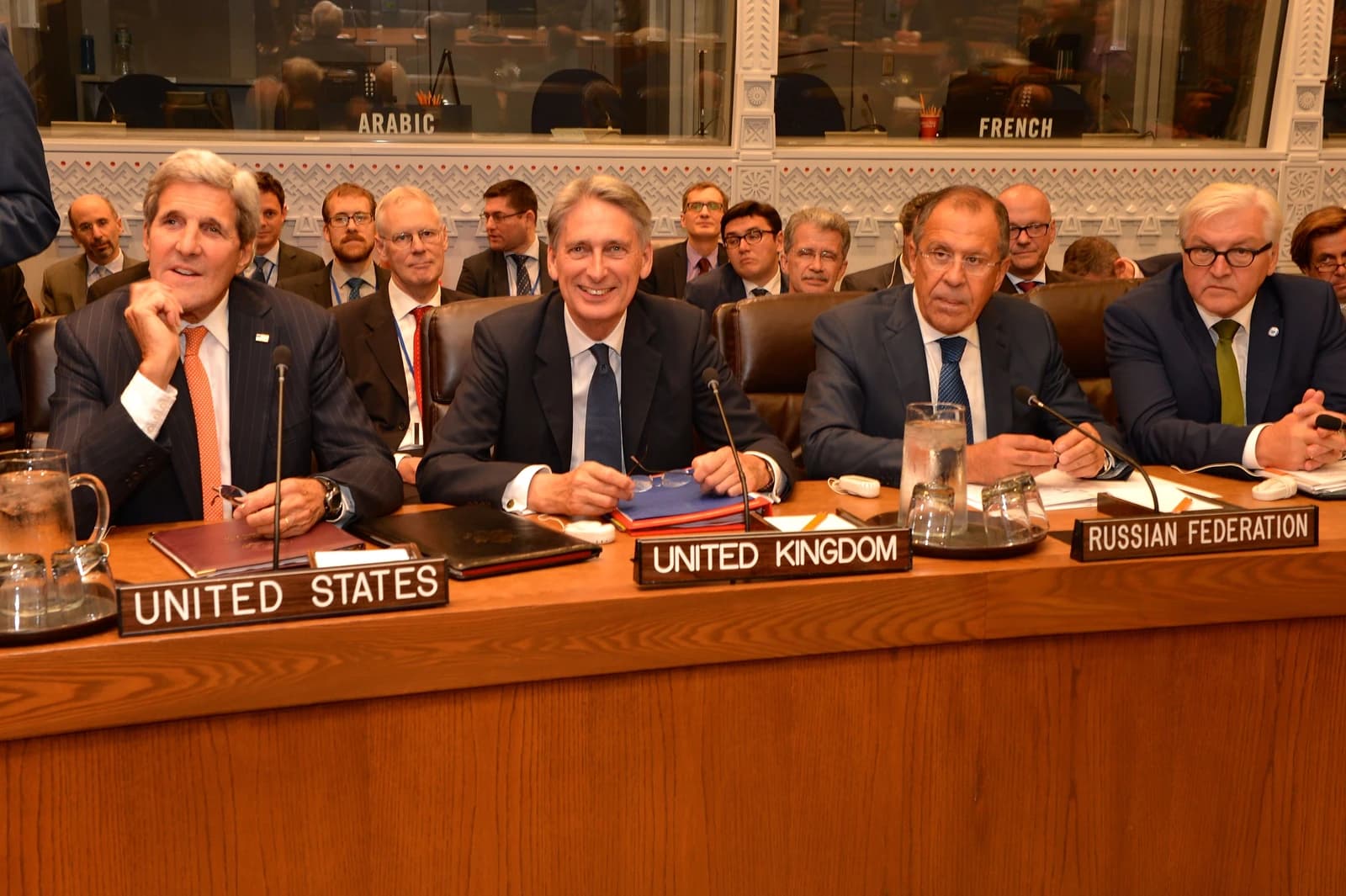
Speaking at the United Nations General Assembly, Zelenskyy said Russia lost 248,964 soldiers killed or badly wounded in the first eight months of the year while capturing just over 1,000 square kilometres of Ukrainian territory, a ratio he cast as proof that the Kremlin is paying an unsustainable price to keep its offensive going. That matters far beyond the battlefield: the longer Russia must spend blood and treasure to make incremental gains, the more pressure builds on its budget, its war-production base and the energy revenues that keep the machine running.
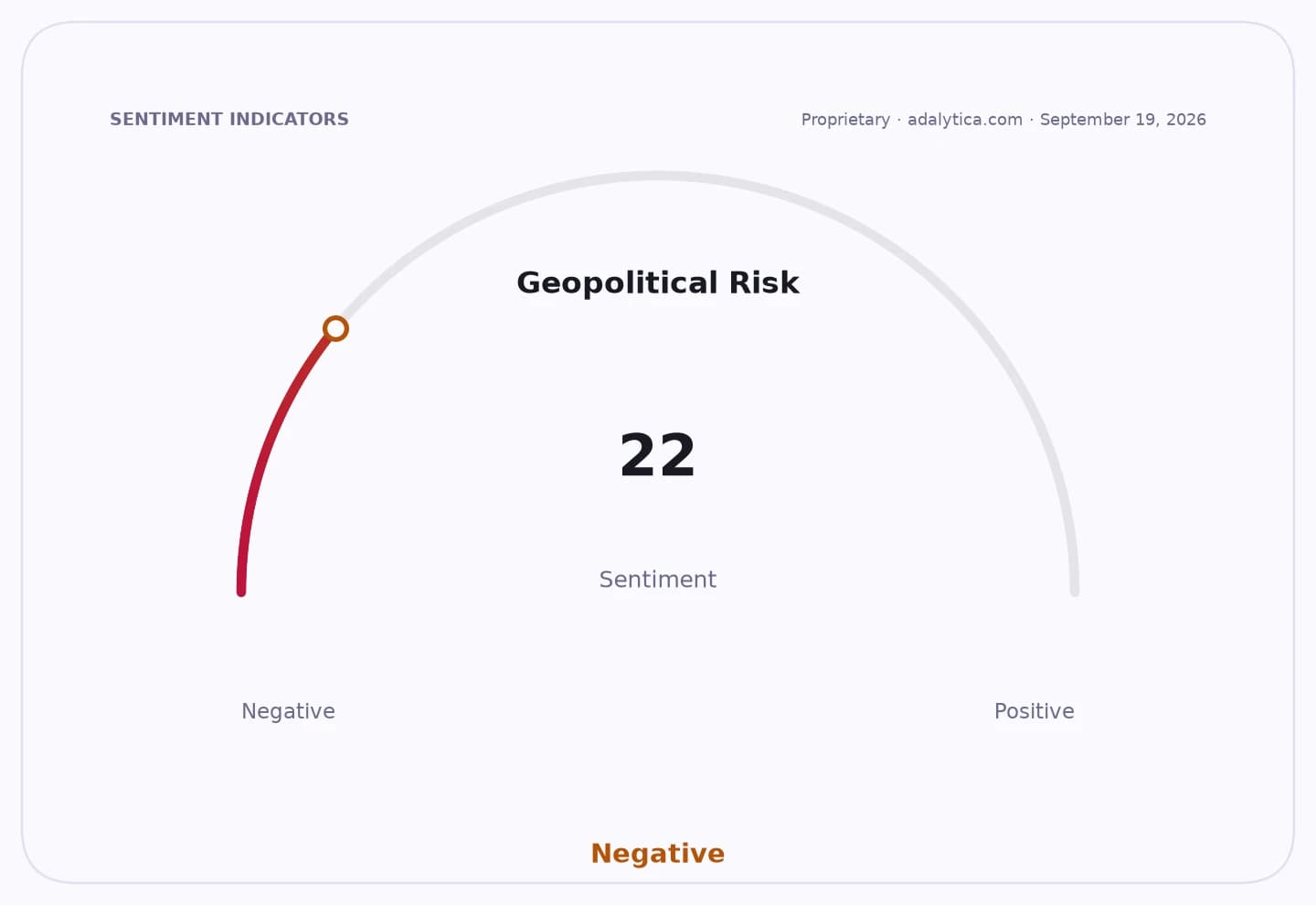
Sentiment IndicatorsⓘProprietary · adalytica.com · September 29, 2026
This is a snapshot — live sentiment, awareness and momentum for 130+ markets update continuously in the dashboard.Open AlphaPulse
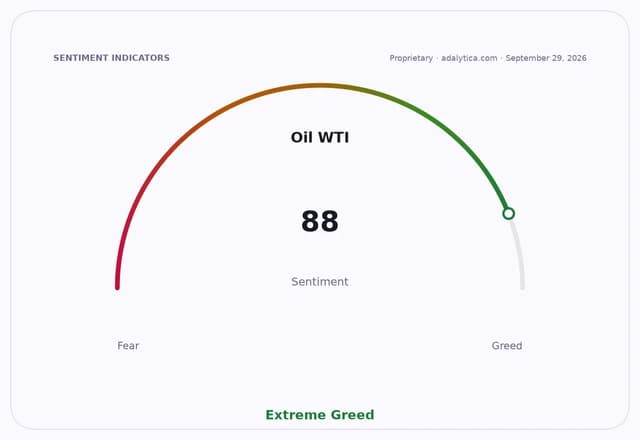
For investors, the message is blunt. A protracted war with rising casualty intensity tends to support the same trades that have dominated every escalation cycle since 2022: energy, defense, cyber and industrial suppliers. It also keeps geopolitical risk bid across assets, even when headlines briefly cool. The market may not yet be pricing the full second-order effect of a war that is not only persisting, but widening through Russia’s cooperation with North Korea and its need for outside financing.
Zelenskyy used his speech to argue exactly that. He said North Korean troops had been sent to support Russia’s weak points and warned that the partnership was upgrading Pyongyang’s missile and drone capabilities, potentially raising security risks across Asia. That widens the investment lens from Eastern Europe to the broader defense supply chain, where higher threat perception can sustain elevated procurement and modernization spending in the U.S., Europe and parts of Asia.
Geopolitical Risk vs USOadalytica.com
Explore this data interactively — full history, time series and cross-market comparisons.Open AlphaPulse
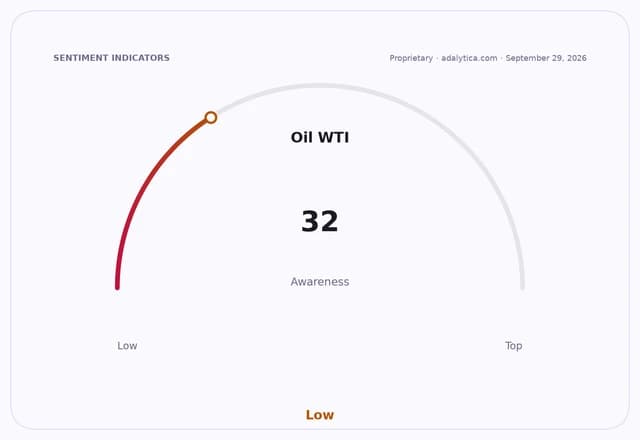
The oil market is also part of the story. Any conflict that drags on and forces Moscow to lean harder on export revenue keeps crude strategically important, even if day-to-day price action is noisy. USO has been trading well above its 50-day and 200-day moving averages, with recent volatility showing how quickly geopolitical premium can return. Adalytica’s Oil WTI Trade Signals still show extreme greed, underscoring that traders remain willing to buy energy exposure on the assumption that supply risk can re-emerge fast.
Gold has been less cleanly bid, but that may be a tactical rather than a structural call. GLD has pulled back sharply and now sits below both its 50-day and 200-day moving averages, while Adalytica’s Gold Fear & Greed Index shows extreme fear. That kind of washout often creates the best asymmetry: if the war worsens, if sanctions tighten, or if Russia’s financing strain spills into broader risk sentiment, gold can snap back quickly as a hedge.
The bigger thesis is that investors should stop treating the war as a static regional conflict. Zelenskyy’s numbers are a reminder that Russia is still burning through manpower for marginal territory, which increases the odds of deeper mobilization, larger fiscal strain and more pressure on commodity flows. That combination remains bullish for defense primes, oil-linked assets and selective hedges against geopolitical shock.
The actionable takeaway is simple: stay overweight the beneficiaries of prolonged instability — defense, energy and selected hedges — because the market is still underestimating how expensive this war is becoming for Russia and how long that cost can keep reverberating through global capital flows.
| Entity | Gains | Losses |
|---|---|---|
| Defense contractors | ▲Higher procurement demand | ▼War fatigue if spending slows |
| Oil producers / USO holders | ▲Geopolitical premium | ▼Demand destruction if escalation hits growth |
| Gold / GLD hedgers | ▲Safe-haven bid on escalation | ▼Pullback if risk appetite returns |
| Russia / Kremlin | ▲None | ▼Troop losses, fiscal strain, sanctions pressure |