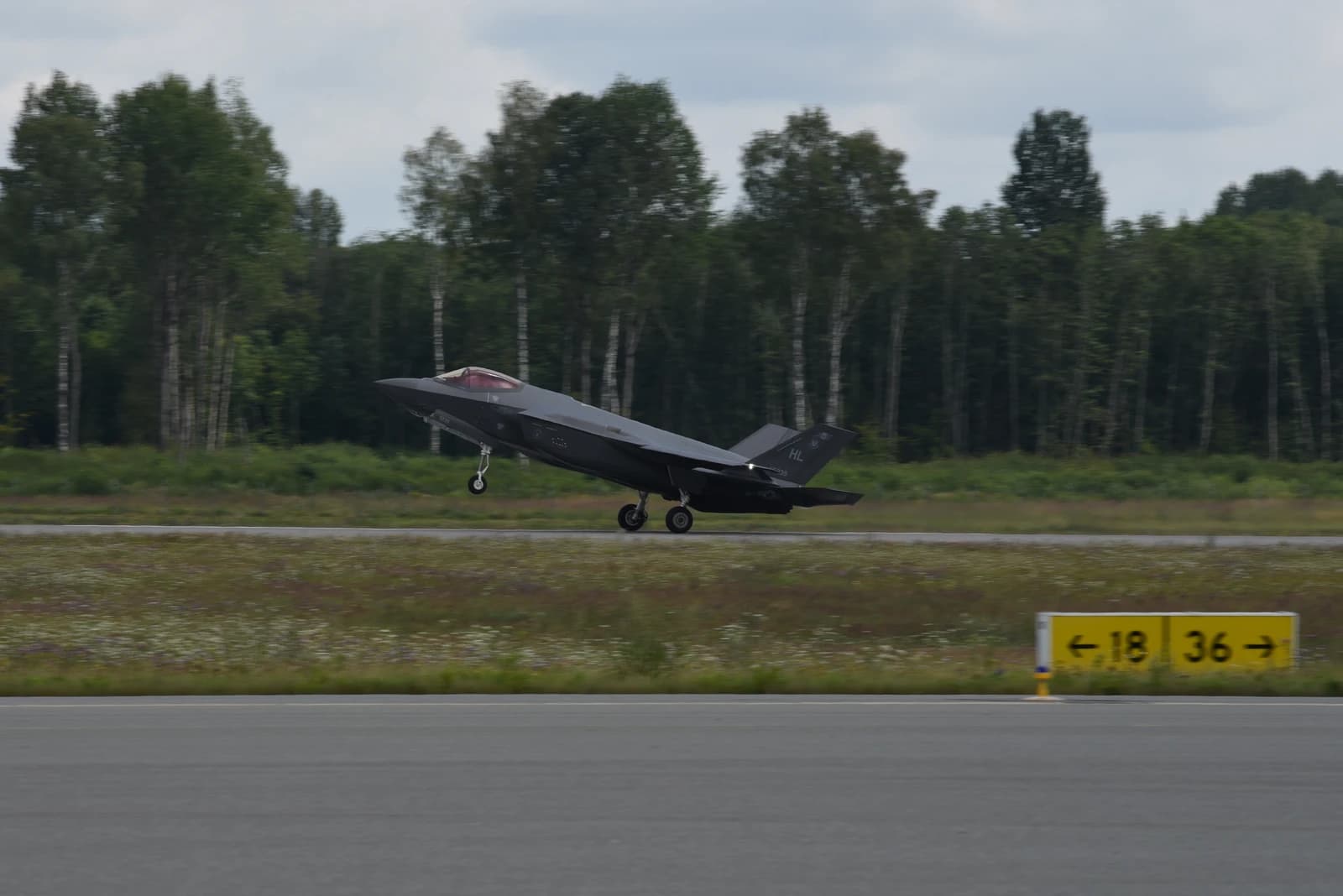
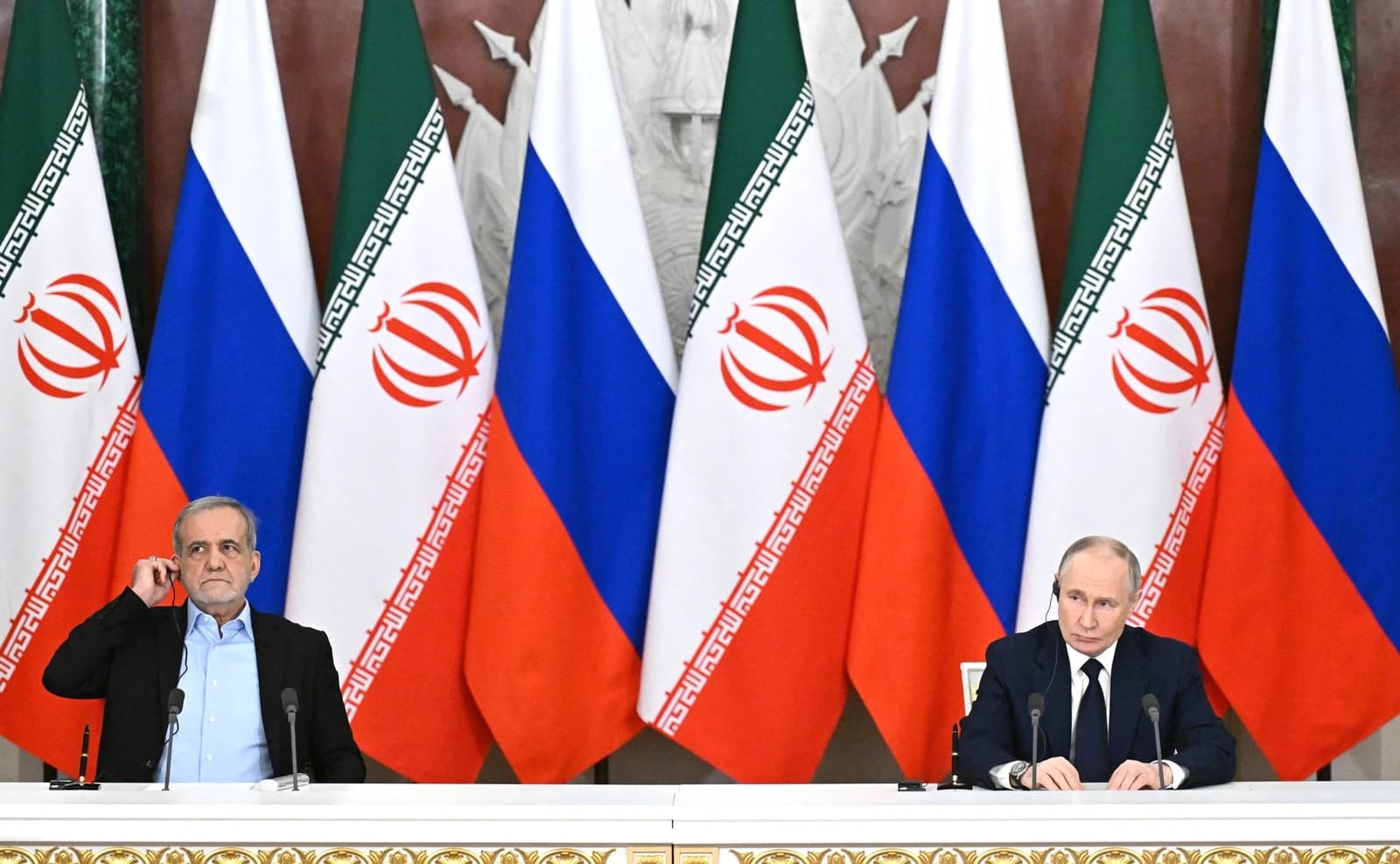
Europe’s security premium is rising again as Czech President Petr Pavel warned that NATO may eventually have to shoot down Russian aircraft or drones if Moscow keeps testing allied airspace, a reminder that the alliance’s response options are tightening just as its weapons stocks remain stretched.
NATO Defense Stocks Rebound on Airspace Risks
That matters because the market is no longer pricing geopolitics as a one-off headline risk. It is starting to look like a durable rearmament cycle, with higher defense spending, faster munitions production and broader demand for air-defense systems, radar, drones and interceptor missiles. In other words, the investment case is shifting from crisis trading to a secular industrial buildout.
Sentiment IndicatorsⓘProprietary · adalytica.com · October 1, 2026
This is a snapshot — live sentiment, awareness and momentum for 130+ markets update continuously in the dashboard.Open AlphaPulse
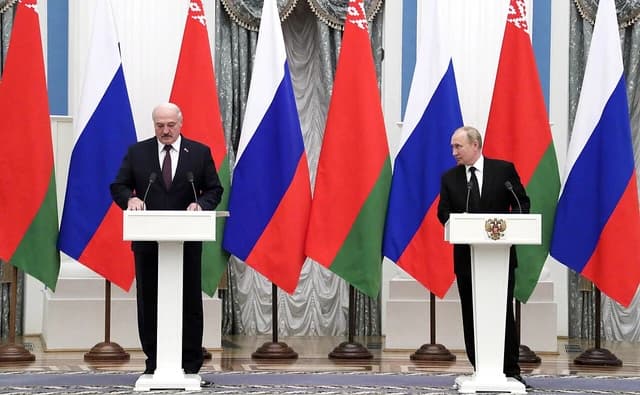
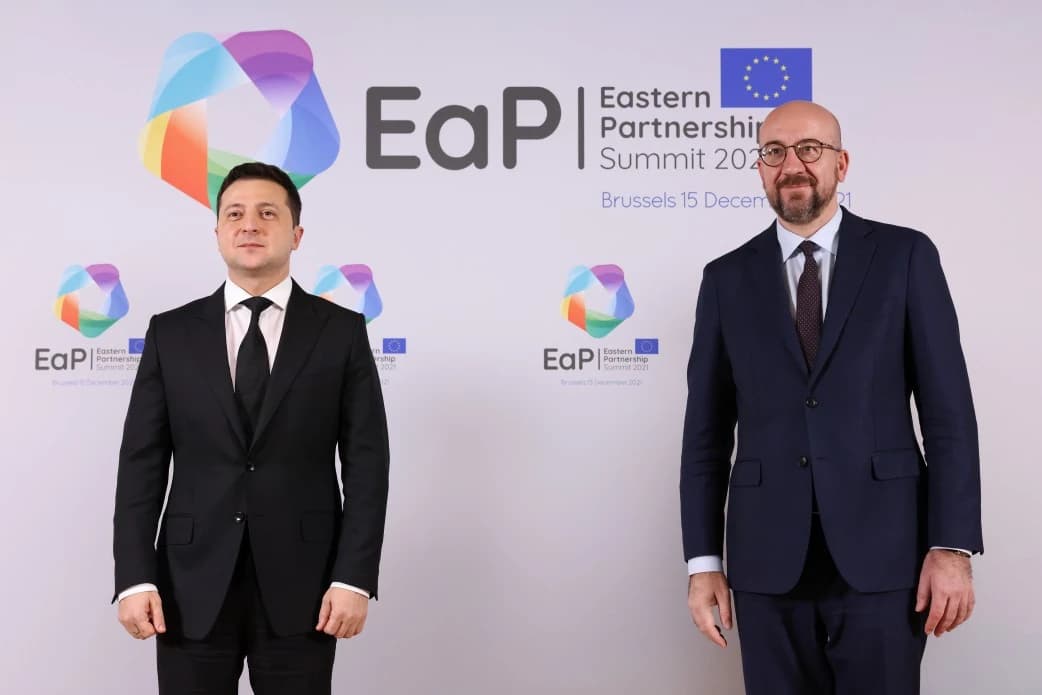
Pavel, a former chairman of NATO’s Military Committee, said restraint can read as weakness in Moscow’s eyes and argued that the alliance must make its willingness to respond unmistakable. His comments land at a time when tensions between Russia and NATO are already elevated, with nuclear warnings around Kaliningrad and fresh fears that the war in Ukraine could spill into direct confrontation with the alliance.
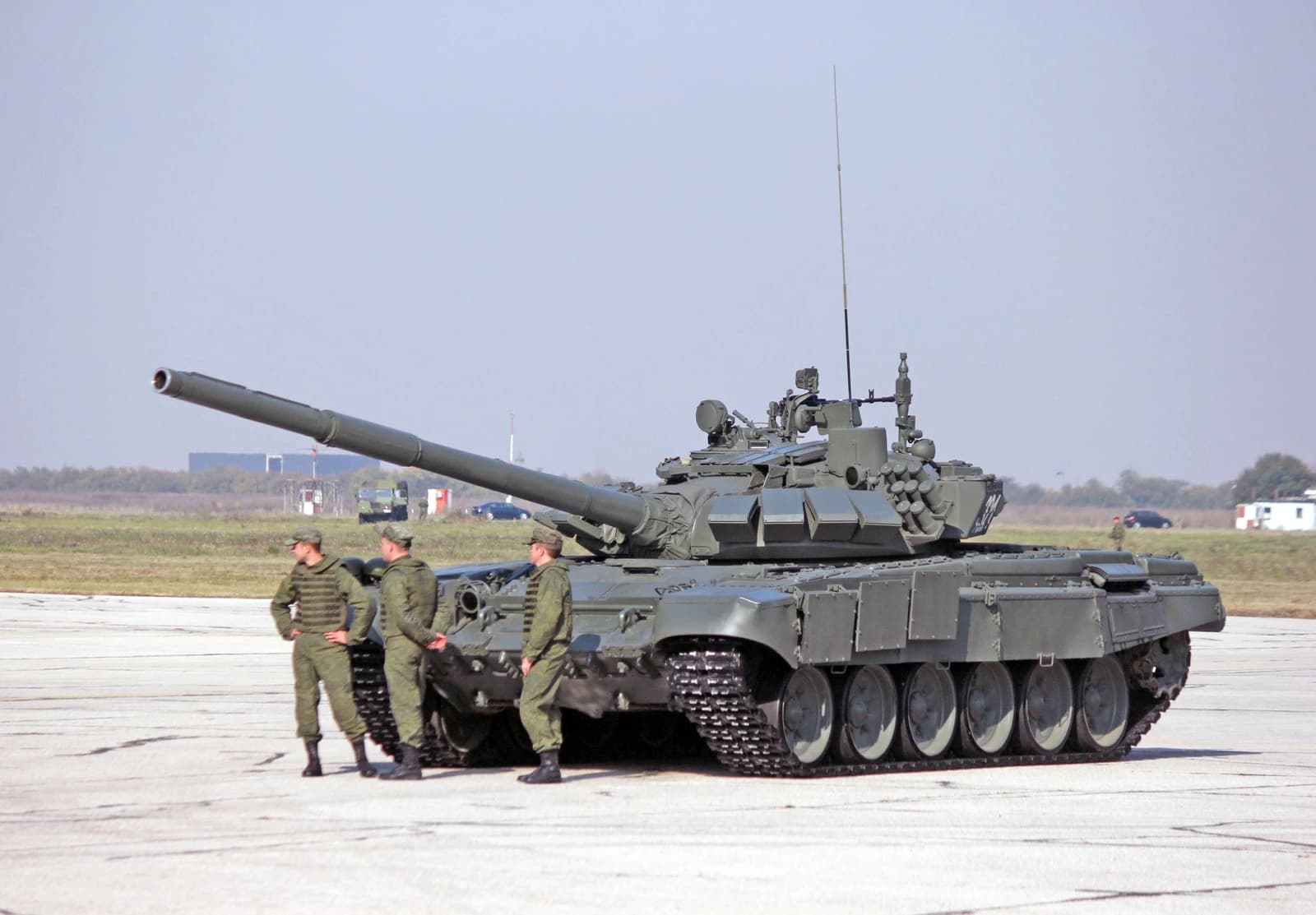
For investors, the important point is not whether NATO shoots first. It is that Europe and the U.S. are being forced to close capability gaps that years of underinvestment exposed. Pavel said the wars in Ukraine and the Middle East have drained stocks of weapons and defenses, especially precision and “smart” munitions, and that procurement systems are too slow and rigid to keep up. That is the kind of structural bottleneck that tends to drive multi-year capital spending, margin expansion for suppliers and sustained order visibility for prime contractors and specialty manufacturers.
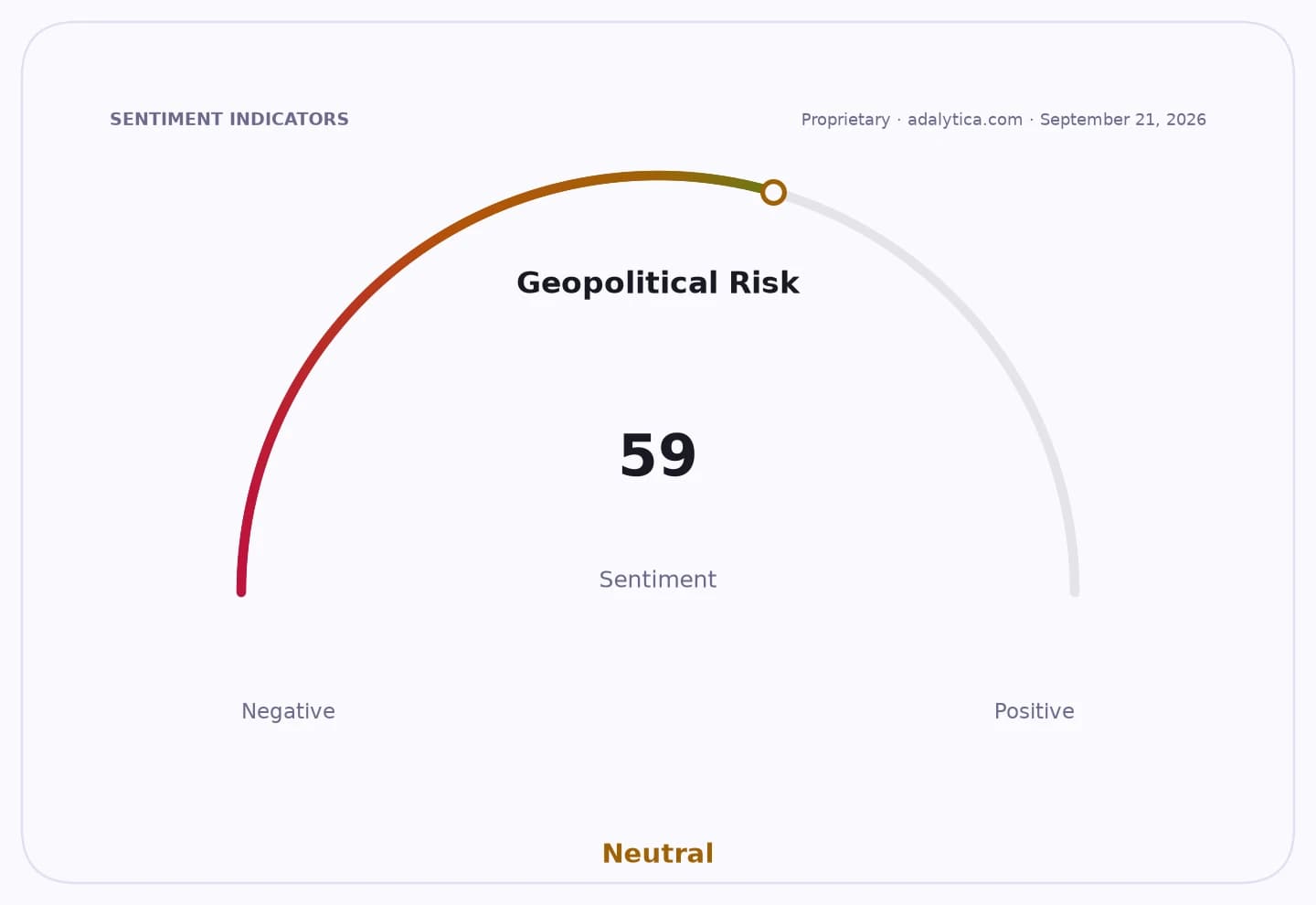
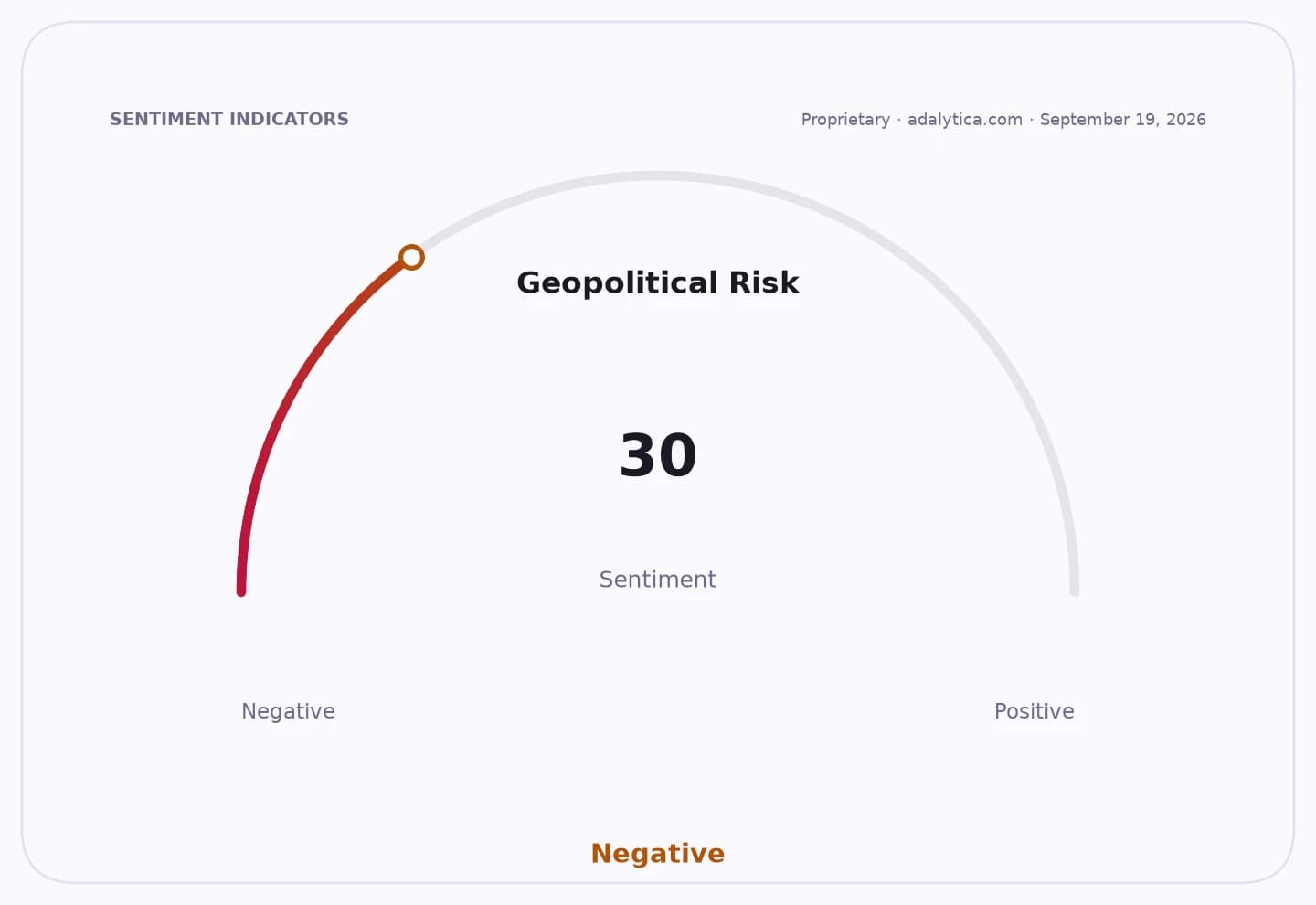
Geopolitical Risk — 30-day sentimentadalytica.com
Explore this data interactively — full history, time series and cross-market comparisons.Open AlphaPulse

The market already knows defense is in favor, but I think it still underestimates the second-order winners. The obvious beneficiaries are the large aerospace and defense names in the U.S. and Europe, but the better asymmetry may sit in the picks-and-shovels of rearmament: missile components, propulsion, sensors, electronics, explosives, drone countermeasures and supply-chain capacity. The need to replenish stockpiles favors scale, domestic production and long-duration backlogs, all of which can support pricing power.
That is why the move in defense and energy-linked assets should be read together. The XLE energy sector has been volatile but remains elevated versus where it stood at the start of the year, while defense exposure has held a stronger uptrend even after recent pullbacks. Geopolitical fear may fade in headlines, but the capex cycle it creates does not disappear quickly. If NATO members are serious about deterrence, the budget line items will have to follow the rhetoric.
Adalytica’s Global Stability Sentiment gauge still sits in neutral territory, but the awareness reading shows extreme fear, underscoring how quickly market participants can move from complacency to hedging when escalation risk rises. That combination usually benefits defense stocks first, then industrial supply chains, and finally energy and freight if the market starts to price broader disruption.
The thesis here is simple: the market underestimates how long the Ukraine war and NATO-Russia confrontation can keep Europe in rearmament mode. If allied leaders conclude that deterrence now requires more visible force posture, then the next leg of this cycle will favor the companies that can deliver missiles, sensors, aircraft, air defense and ammunition at scale. For long-term investors, that is where the asymmetric opportunity sits now.
| Entity | Gains | Losses |
|---|---|---|
| Defense contractors | ▲Bigger orders | ▼Budget-constrained rivals |
| Missile and ammo makers | ▲Stockpile replenishment | ▼Slow-moving suppliers |
| NATO members | ▲Stronger deterrence | ▼Higher fiscal strain |
| Russia | ▲Short-term leverage tests | ▼Escalation risk if challenged |