Russia says it is already adjusting its foreign policy toward the West for Europe’s plans to build a more autonomous defense system that could include Ukraine, a sign Moscow expects the security map around the war to harden further rather than move toward a settlement.
Russia adjusts policy as Europe weighs Ukraine defense
The warning matters because any wider European security architecture built around Ukraine would deepen the split between Moscow and the West even if it stops short of NATO-style automatic defense guarantees. For investors, the implication is that the war premium in European assets, defense stocks and energy markets is unlikely to fade quickly, with sanctions risk and military spending remaining elevated.
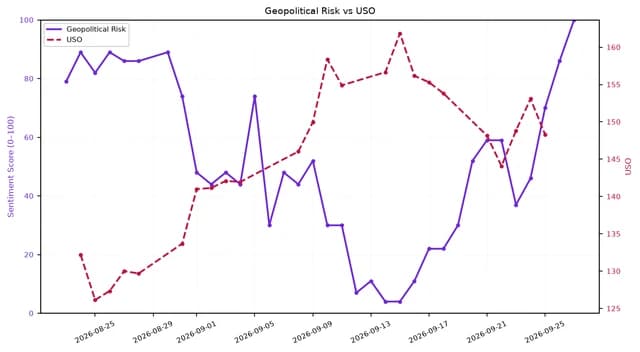
Sentiment IndicatorsⓘProprietary · adalytica.com · September 27, 2026
This is a snapshot — live sentiment, awareness and momentum for 130+ markets update continuously in the dashboard.Open AlphaPulse
Vladislav Maslennikov, head of the Russian Foreign Ministry’s European department, said Moscow takes into account Western plans to bring Ukraine into a new collective defense framework for Europe. He said European leaders were justifying the idea by pointing to a “mythical” Russian threat and argued the concept was anti-Russian at its core.
The remarks echo comments earlier this year from EU officials discussing a more autonomous European security system, as well as Foreign Minister Sergei Lavrov’s warning that Western capitals are weighing a new military bloc that could include the EU, Turkey, Britain and Ukraine.
The distinction between the EU’s mutual-assistance clause and NATO’s Article 5 is central for markets and policymakers. The EU mechanism does not force an automatic military response, but it still signals a broader institutional backing for Kyiv that could complicate any future ceasefire, keep defense budgets elevated and reinforce Europe’s need for weapons, ammunition and energy diversification.
A measured rise in global risk appetite, tracked by Adalytica.com’s Global Stability Sentiment gauge, suggests markets are still pricing an active geopolitical backdrop rather than a clean de-escalation. That supports demand for safe-haven assets and for defense-linked equities, while keeping pressure on countries and companies exposed to renewed sanctions or supply disruptions.
The next catalyst is whether European leaders turn the talk of a new defense framework into concrete commitments for Ukraine, and how Moscow responds in both diplomacy and battlefield rhetoric.
| Entity | Gains | Losses |
|---|---|---|
| Ukraine | ▲Broader security backing | ▼Fewer odds of quick peace |
| Europe/EU defense planners | ▲Strategic autonomy case | ▼Higher defense burden |
| Russia | ▲Negotiating leverage narrative | ▼More Western alignment against it |
| Defense contractors | ▲Sustained spending demand | ▼Peace-dividend hopes |