Ukraine’s battlefield is inching toward deadlock, and that matters far beyond the trenches: a war that is consuming Russian manpower at extraordinary cost but producing only small territorial shifts is exactly the kind of grinding conflict that keeps defense spending, drone demand and geopolitical risk premiums elevated.
Ukraine war stays stuck, defense demand rises
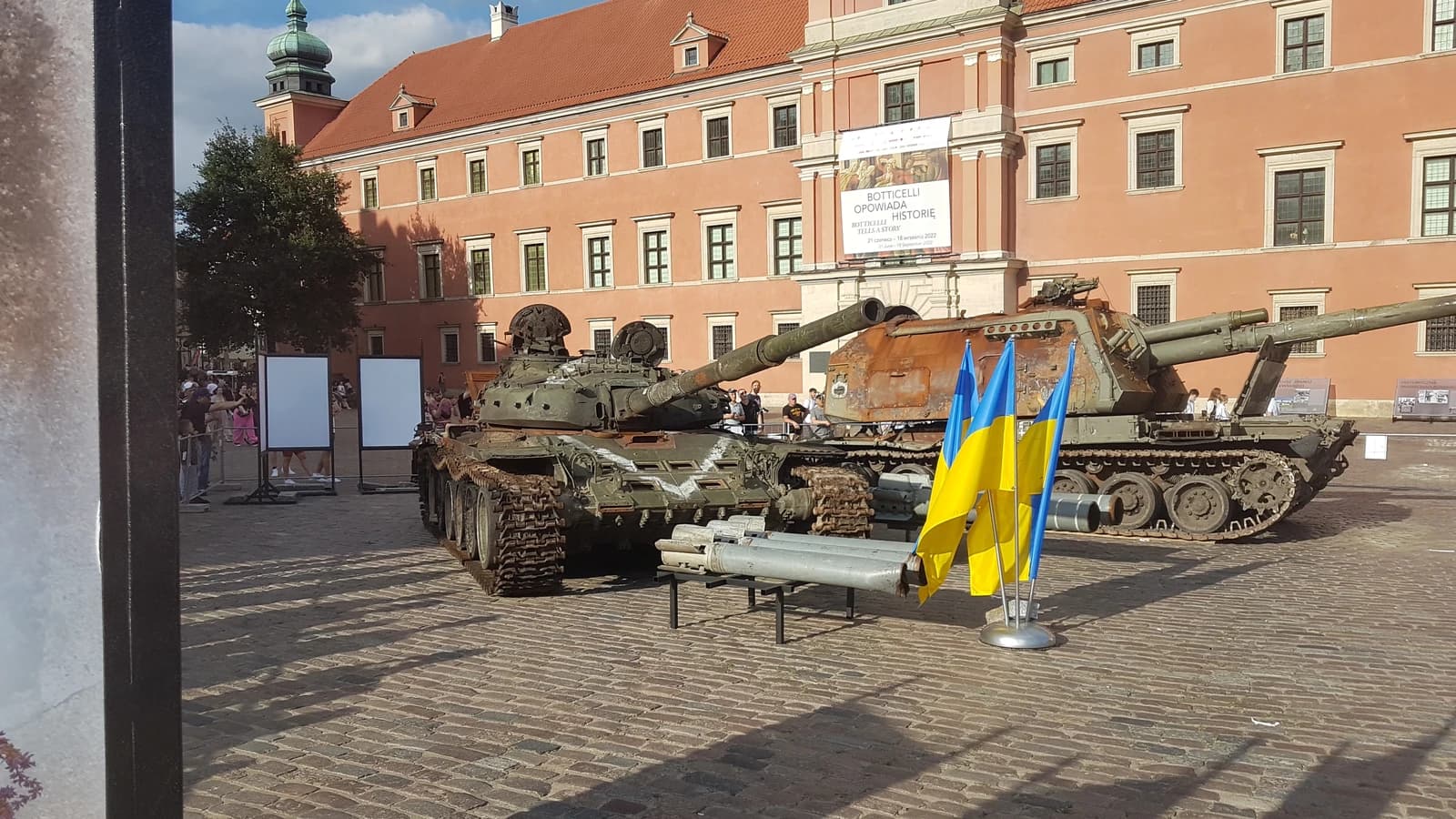
President Volodymyr Zelensky said Russia captured about 890 square kilometers of Ukrainian territory over the past year, while Ukrainian forces retook about 800 square kilometers, leaving Moscow with only a net gain of roughly 90 to 100 square kilometers. He said Russian losses totaled about 270,000 people, underscoring the asymmetry between territorial progress and the price Moscow is paying to achieve it.
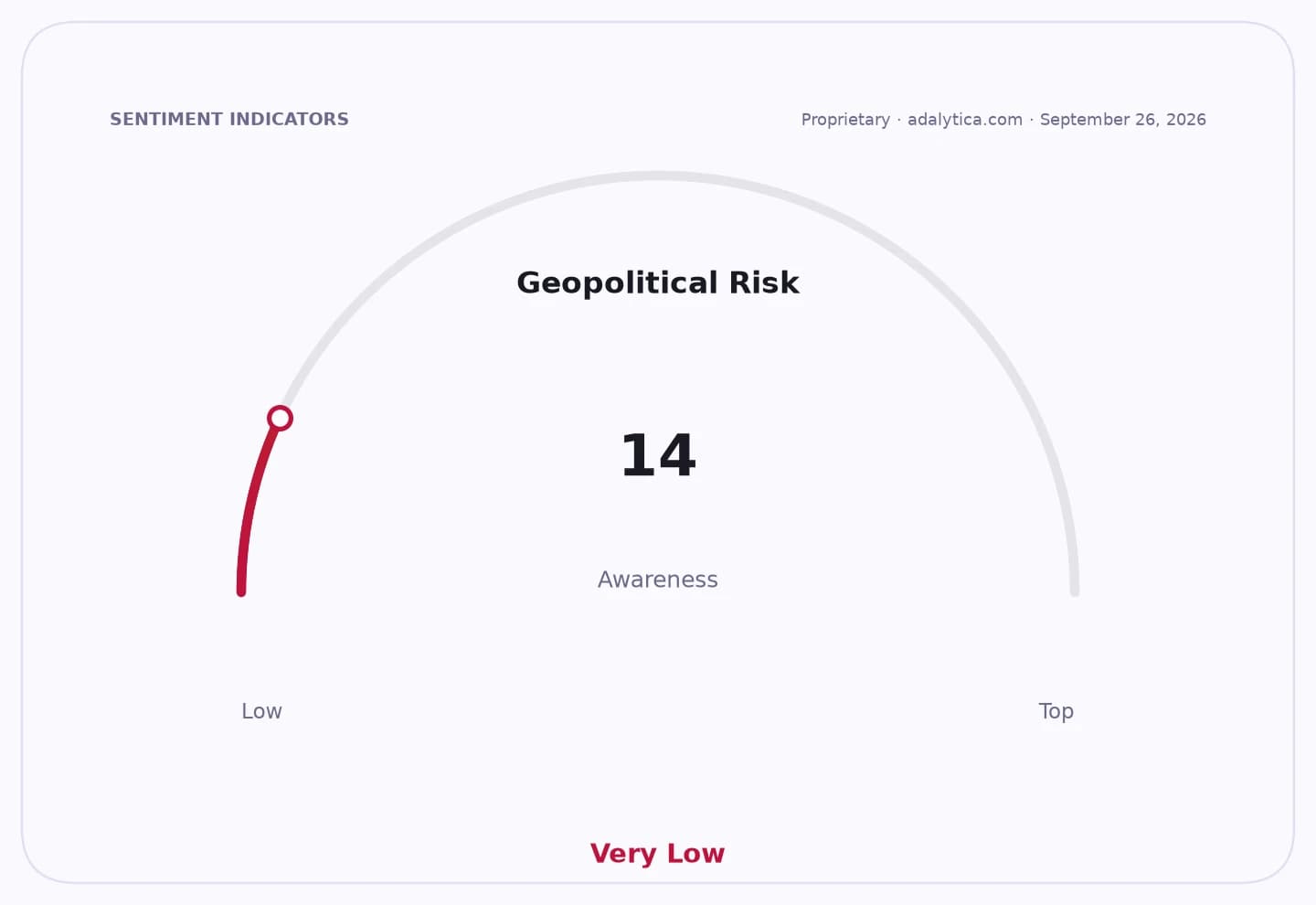
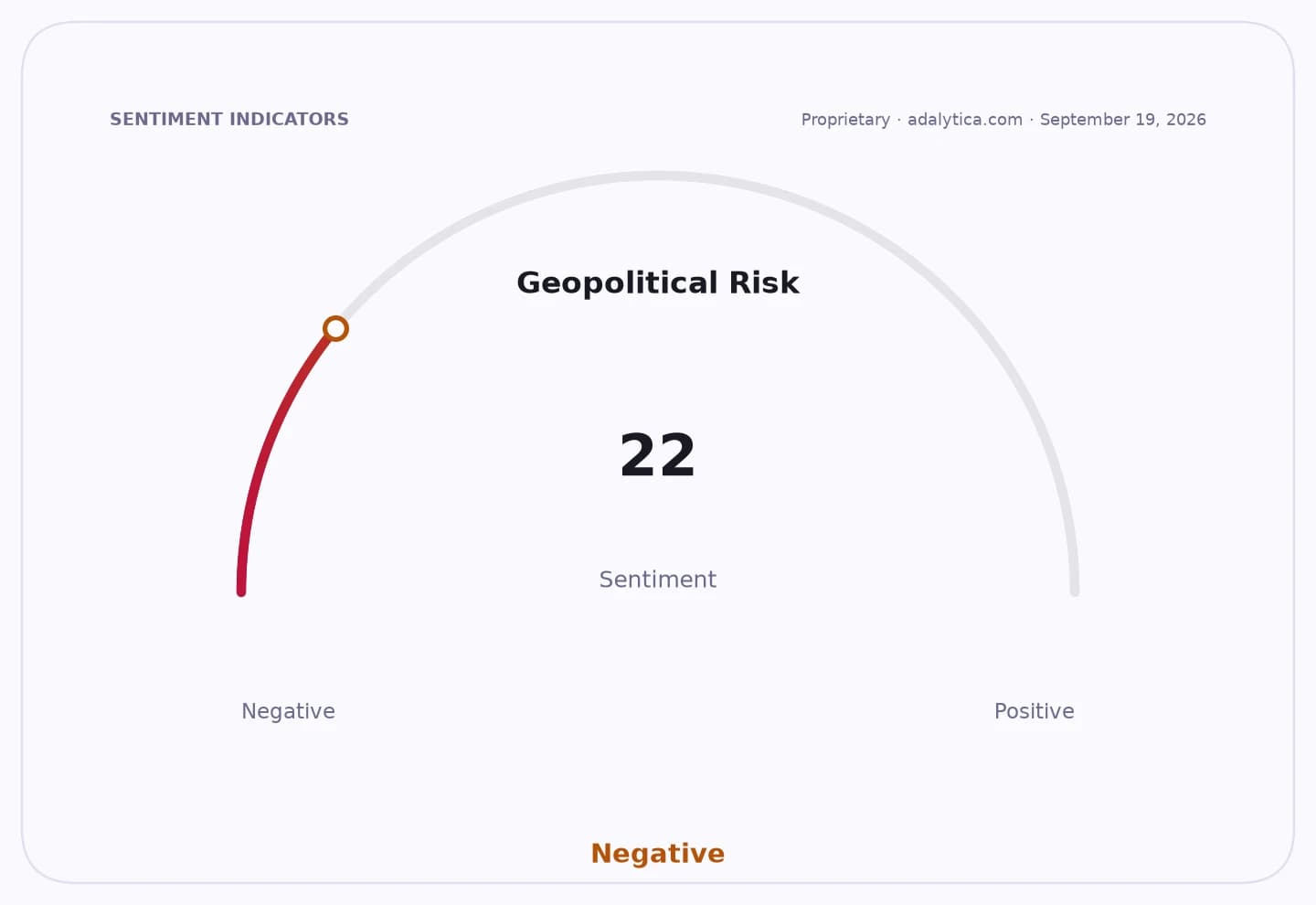
Sentiment IndicatorsⓘProprietary · adalytica.com · September 28, 2026
This is a snapshot — live sentiment, awareness and momentum for 130+ markets update continuously in the dashboard.Open AlphaPulse
That is the real investment story. The market should not read this as a conventional military advance by Russia. It is a costly attritional fight in which neither side is producing a decisive breakthrough, while Ukraine’s ability to claw back ground suggests the front is increasingly shaped by drones, robotics and precision strike systems rather than sheer manpower. Zelensky said the battlefield has effectively “almost frozen,” which is exactly the type of war that rewards countries and companies feeding the new industrial base of conflict.
For investors, the implication is simple: the war is not ending soon, and that keeps pressure on European defense budgets, ammunition replenishment, electronic warfare, drone production and border security. The winners are the suppliers of long-duration military capacity — from missile defense and surveillance to autonomous systems and battlefield software — not the legacy platforms that assume quick, conventional outcomes. The losers are any defense skeptics still betting that fatigue will translate into a rapid settlement or a sharp pullback in procurement.
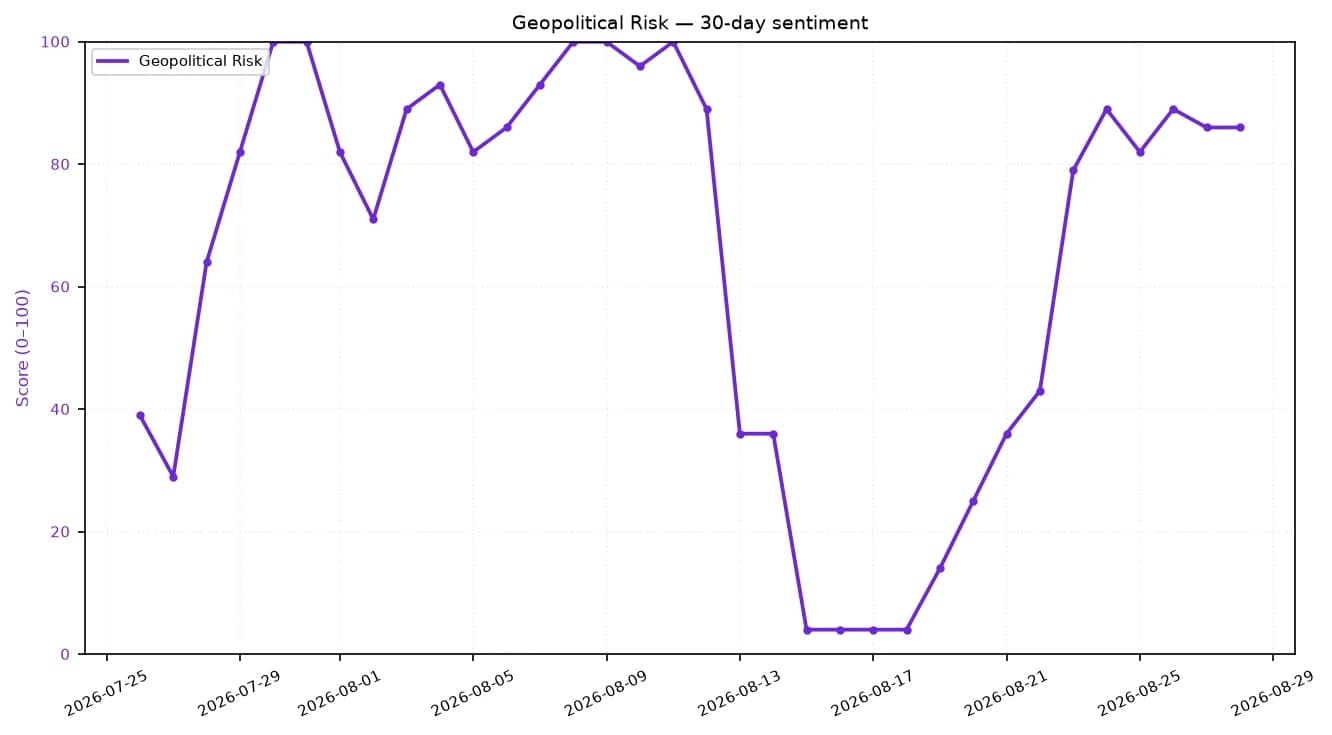
Geopolitical Risk — 30-day sentimentadalytica.com
Explore this data interactively — full history, time series and cross-market comparisons.Open AlphaPulse
Currency and sentiment markets are also listening. The U.S. dollar index ETF, UUP, has been firm, with recent technical readings showing the fund trading above both its 50-day and 200-day moving averages and RSI readings in overbought territory, a sign that geopolitical hedging demand remains intact. That fits the broader risk backdrop: Adalytica’s Global Stability Sentiment gauge is showing Extreme Greed on sentiment but Extreme Fear on awareness, a combination that often appears when investors are complacent about instability even as positioning quietly leans defensive.
The bigger narrative is that modern war is becoming an industrial and technological race. Ukraine’s battlefield gains now depend as much on drones, robots and intelligence networks as on artillery shells, and that shift is creating a multi-year tailwind for defense technology, AI-enabled targeting, and the logistics chains that support them. I believe investors who position early in that ecosystem are better placed than those waiting for a clean peace dividend that may never arrive.
The clearest takeaway is to stay long the picks-and-shovels of a prolonged conflict: drone makers, electronic warfare names, missile-defense suppliers and defense ETFs should continue to benefit as long as the front remains stuck and the cost of marginal gains stays brutally high.
| Entity | Gains | Losses |
|---|---|---|
| Ukraine drone and defense suppliers | ▲Higher demand | ▼Peace-driven slowdown |
| European defense contractors | ▲Replenishment orders | ▼Budget skepticism |
| Russia’s war machine | ▲Small territorial gains | ▼Heavy manpower losses |
| Risk hedges like UUP | ▲Safe-haven bid | ▼Lower geopolitics premium |