Iran’s president said Russia helped prevent a “unilateral approach” being imposed on Tehran, underscoring how Moscow is using its clout to shield its ally as U.S.-Iran negotiations remain fragile and the risk of wider sanctions-driven escalation stays elevated.
Iran Russia Talks Keep Sanctions Risk Elevated
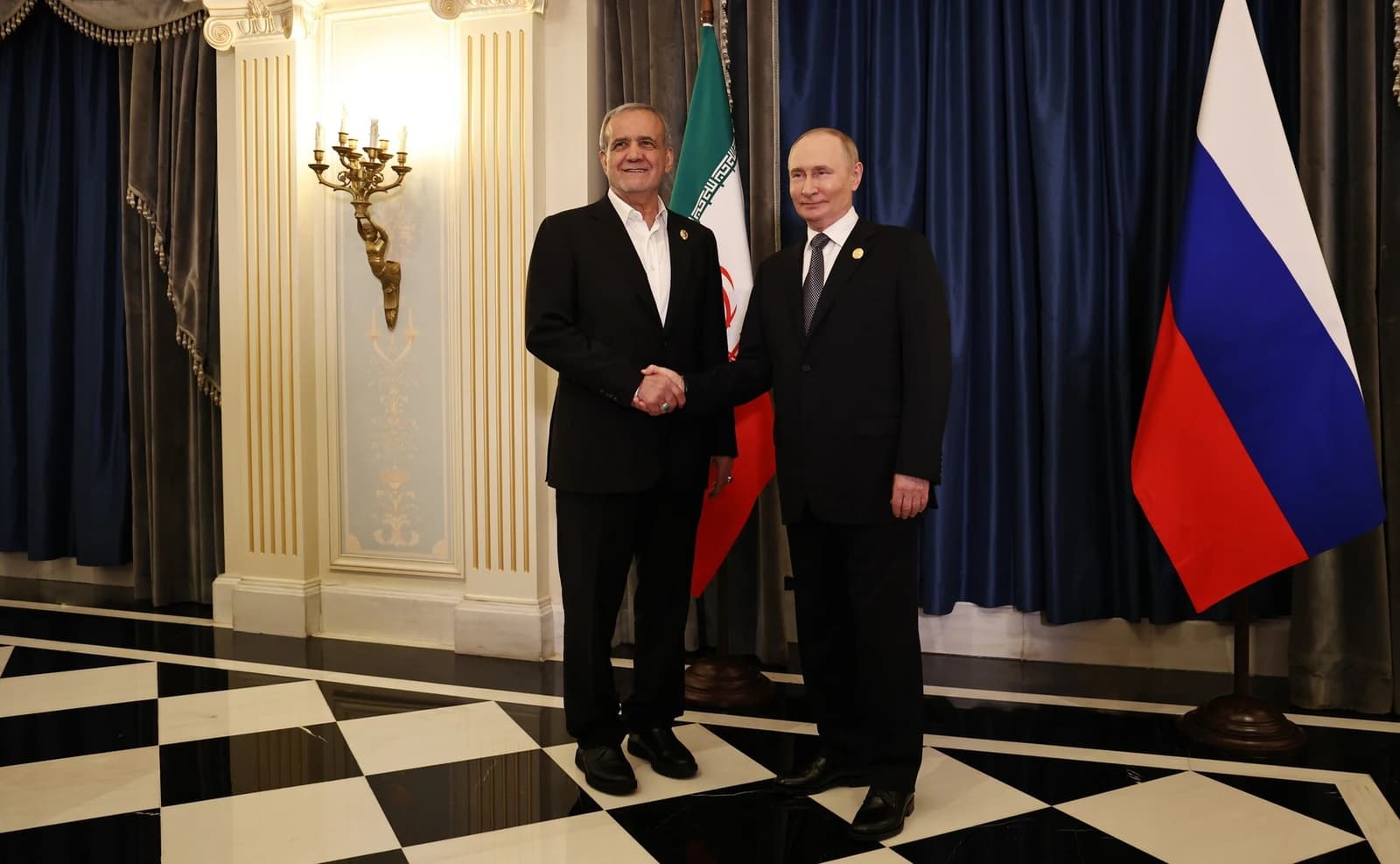
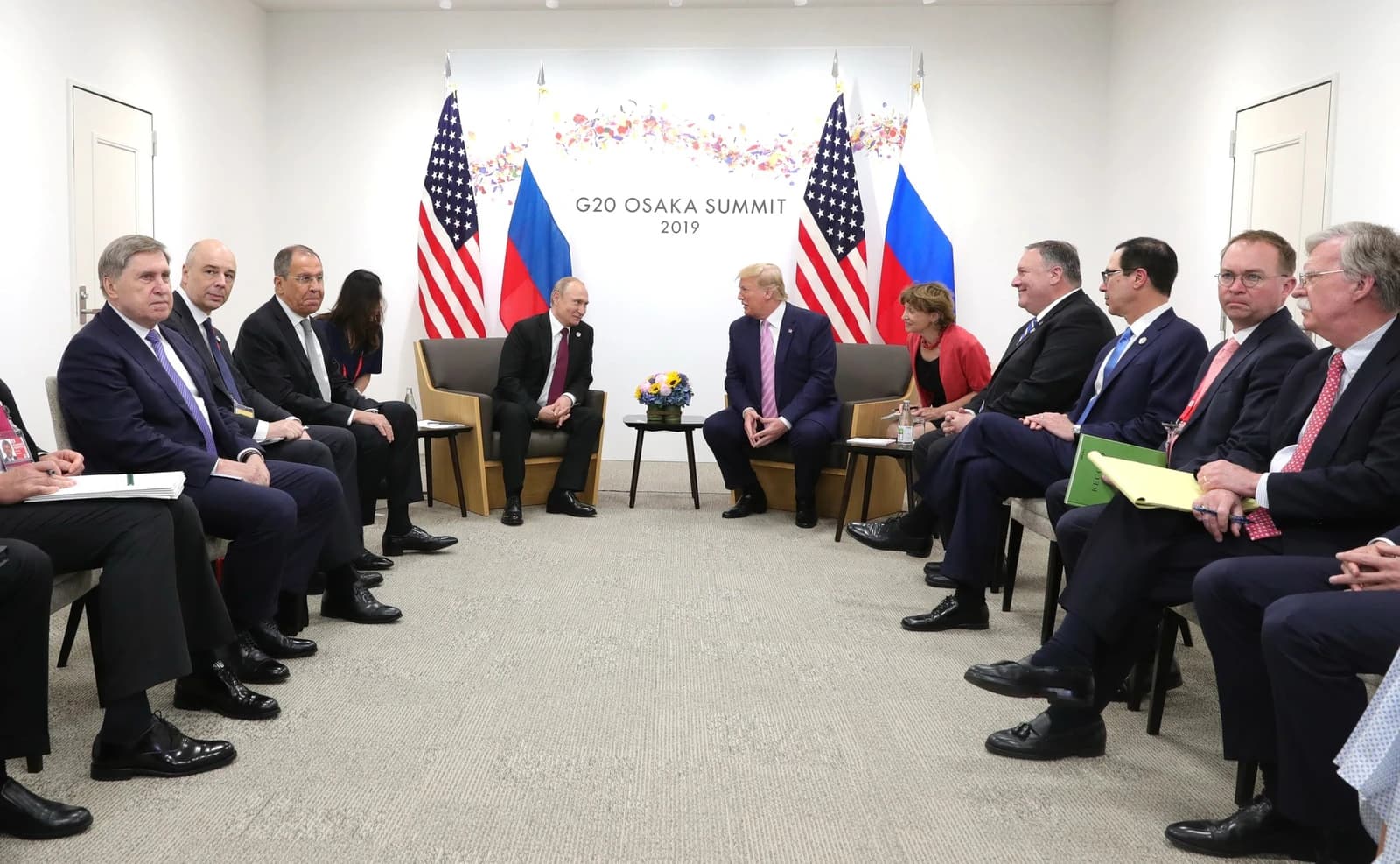
Masoud Pezeshkian’s comments, made during a meeting with Vladimir Putin in Turkmenistan, matter because they point to a diplomatic landscape in which Iran is trying to preserve room for maneuver with the West while leaning more heavily on Russia at a time of regional conflict, sanctions pressure and nuclear risk. For investors, that usually means a higher geopolitical risk premium across energy, gold and the dollar, while lowering the odds of a near-term breakthrough that would ease supply or sanction constraints.
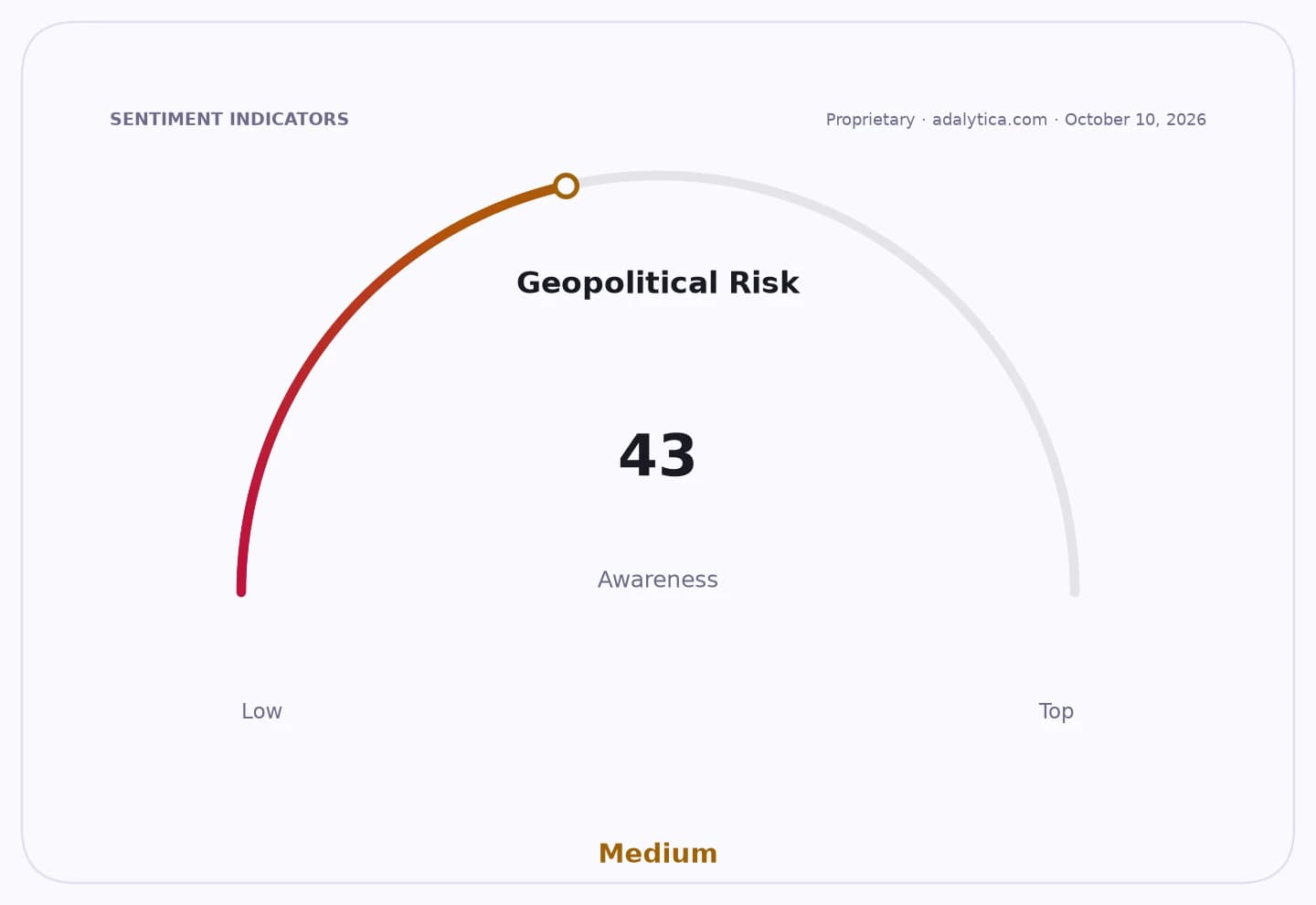
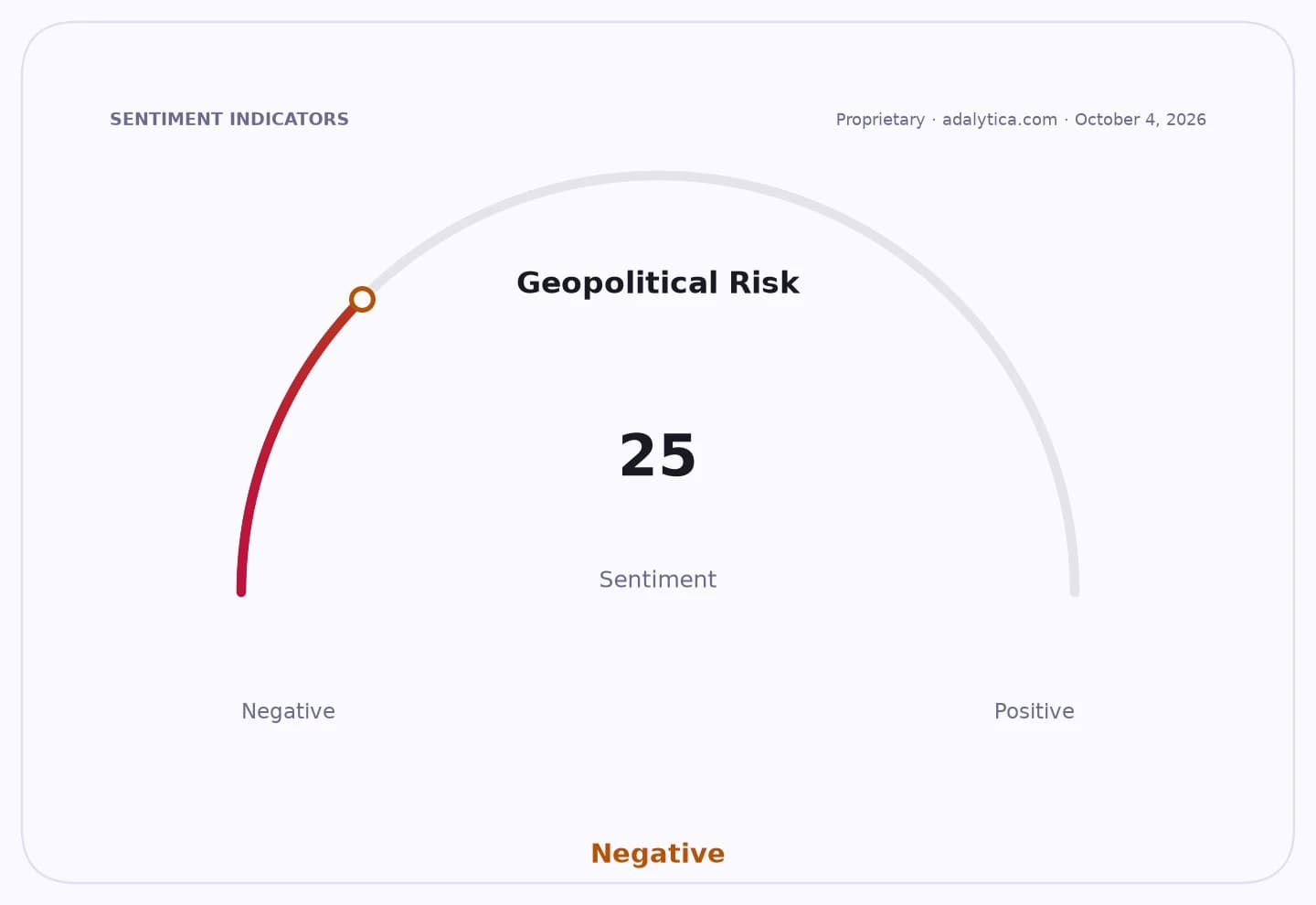
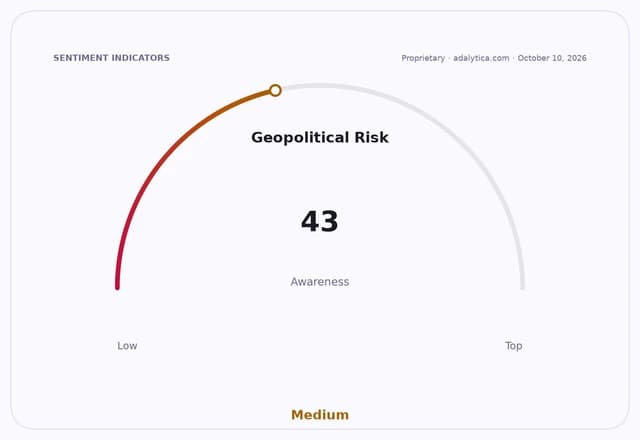
Sentiment IndicatorsⓘProprietary · adalytica.com · October 10, 2026
This is a snapshot — live sentiment, awareness and momentum for 130+ markets update continuously in the dashboard.Open AlphaPulse
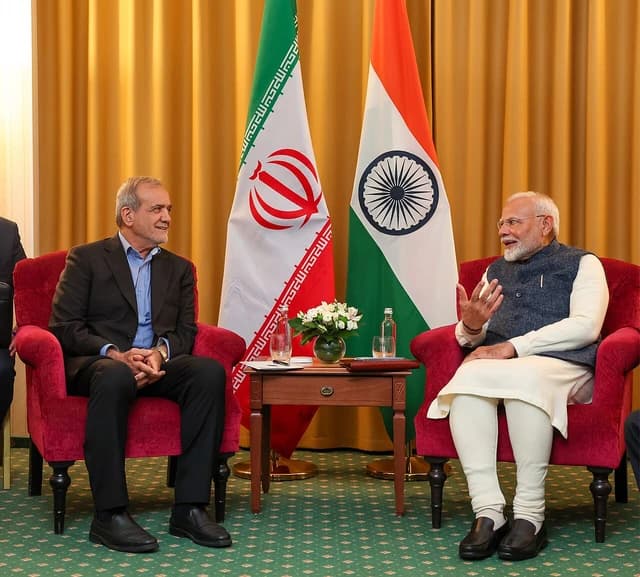
Pezeshkian thanked Putin for Moscow’s stance “in the UN” and said Russia had helped block attempts to impose a one-sided outcome on Iran. He also said Tehran wanted to move toward multilateralism and would not abandon talks with the United States, even after American attacks during the negotiation process. That combination — continued dialogue, but on terms Tehran says must respect its rights — suggests diplomacy is still alive, but little closer to a settlement.
The market backdrop reflects that tension. Oil fund USO remains sharply elevated, with its latest close at $148.20 after a strong run that has pushed it well above its 50-day moving average of $139.16 and 200-day average of $117.12. Gold proxy GLD, meanwhile, has firmed to $384.58 after a recent selloff, still near levels that indicate investors are hedging geopolitical and policy risk even as short-term momentum has cooled. The dollar fund UUP has also edged higher to 29.02, consistent with demand for defensive assets when Middle East and sanctions risks intensify.
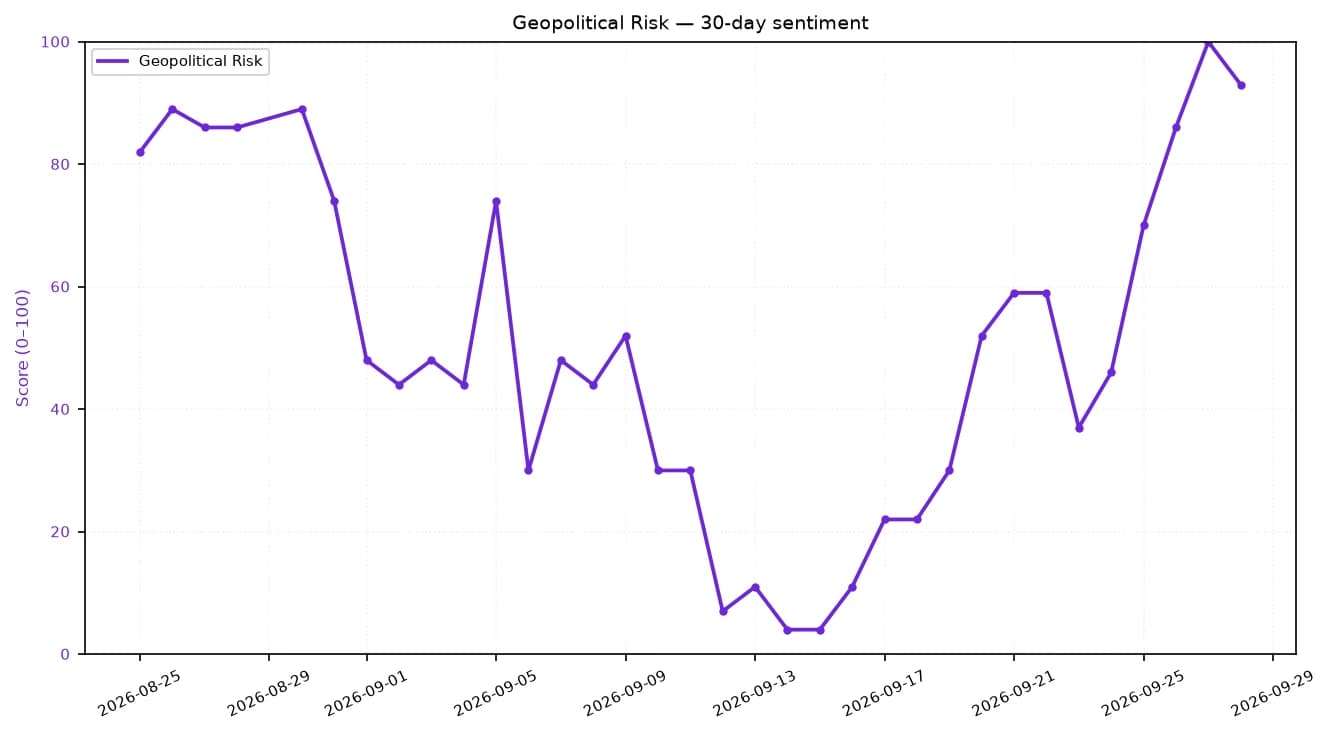
Geopolitical Risk — 30-day sentimentadalytica.com
Explore this data interactively — full history, time series and cross-market comparisons.Open AlphaPulse
The broader story is that Russia and Iran are deepening coordination at a moment when both are under Western pressure. Moscow has positioned itself as a diplomatic backstop for Tehran and has also been linked to discussions around Iran’s enriched uranium, a sign the nuclear file could become part of a wider bargaining game involving sanctions relief, security guarantees and regional leverage. That makes the talks less about a single bilateral dispute and more about the balance of power between Western-led pressure and an emerging counter-bloc.
For investors, the key question is whether this alignment reduces the chance of de-escalation. The bull case is that Russian mediation could keep channels open and eventually produce some form of managed compromise. The bear case is that it hardens positions, extends sanctions uncertainty and keeps energy, shipping and defense exposures sensitive to sudden headlines.
What to watch next is whether Iran’s renewed emphasis on multilateralism turns into a concrete negotiating track or simply confirms that any deal will be slower, narrower and more contingent on Moscow’s involvement than markets had hoped.
| Entity | Gains | Losses |
|---|---|---|
| Russia | ▲Diplomatic leverage | ▼Western influence |
| Iran | ▲Negotiating cover | ▼Near-term U.S. relief |
| U.S. | ▲Limited pressure tool | ▼Bargaining power |
| Oil and gold bulls | ▲Risk premium support | ▼De-escalation trade |