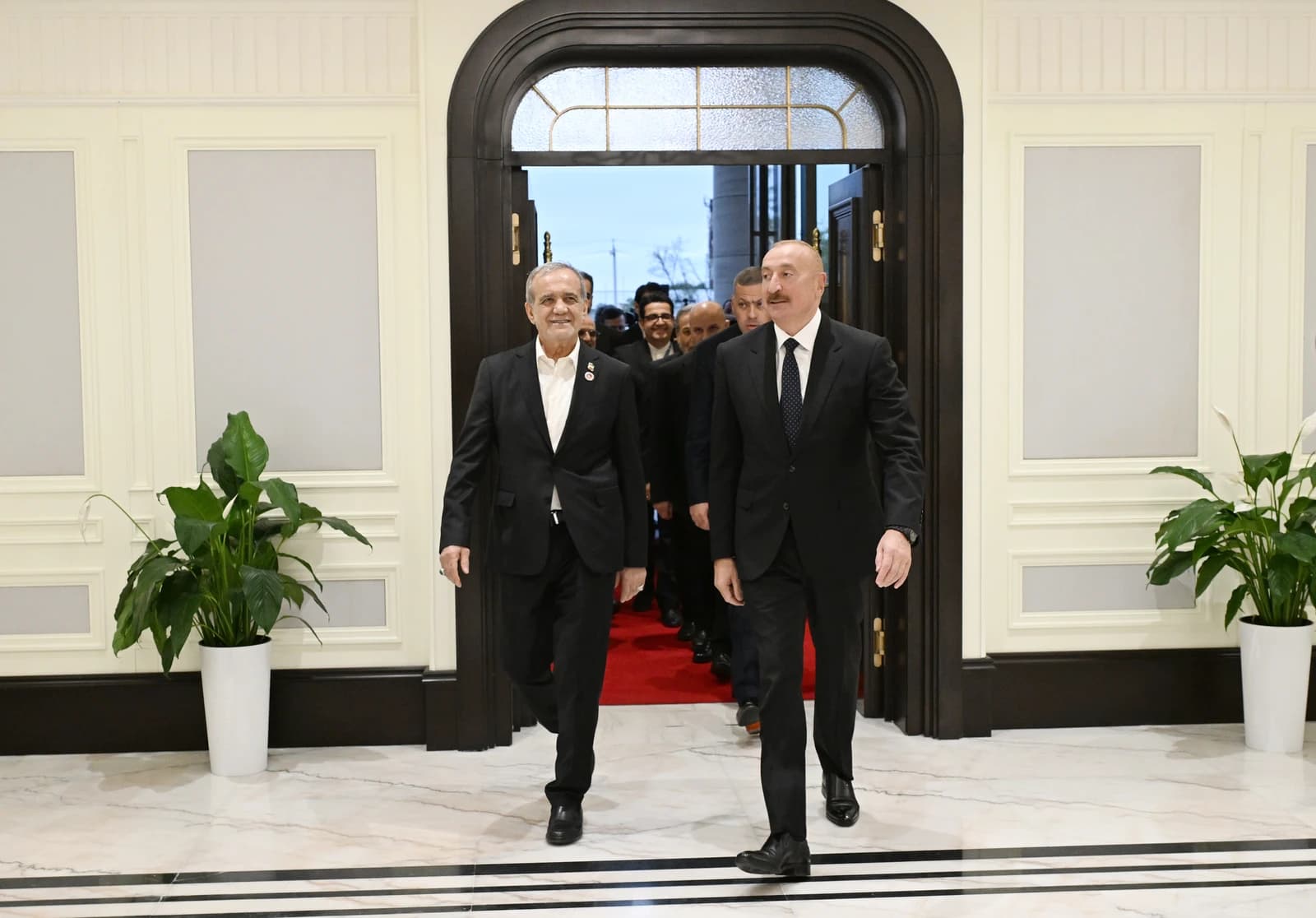
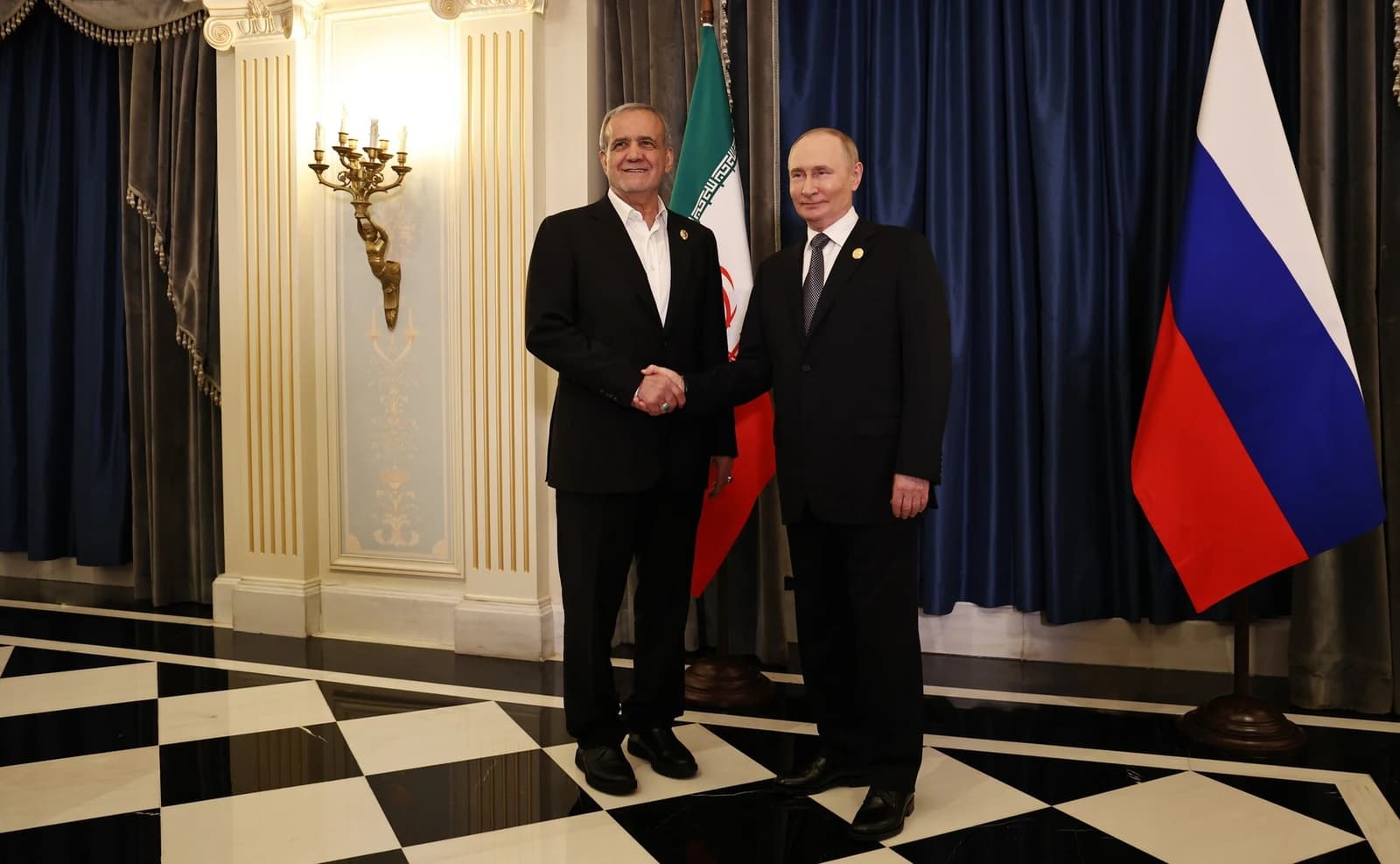
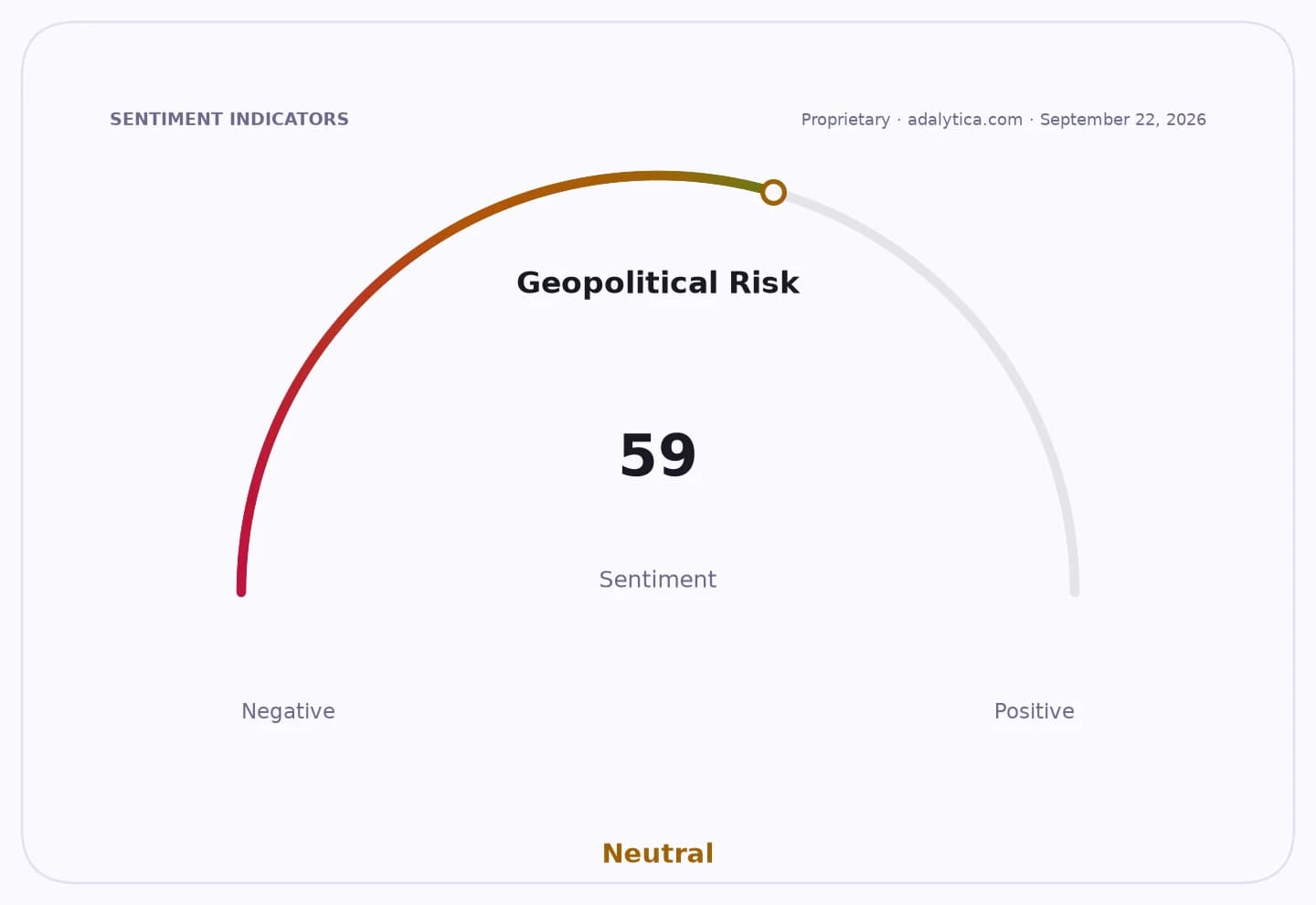
Vladimir Putin’s two-day trip to Turkmenistan is less about ceremony than about whether Russia can keep stitching together a workable regional bloc as sanctions, war and energy politics reshape the Caspian basin.
Russia, Iran, Turkmenistan Meet in Avaza
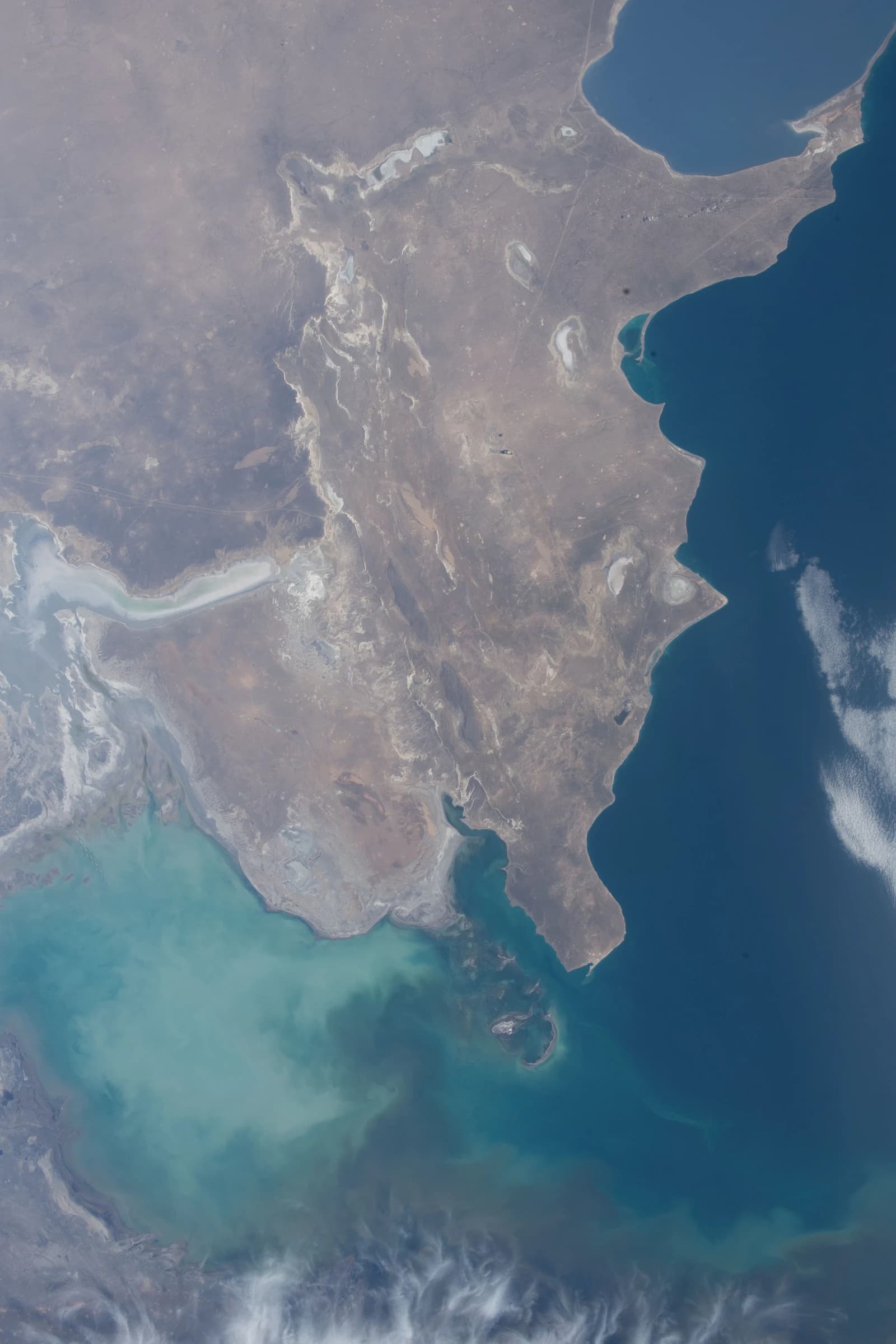
That matters because the meetings with Turkmenistan’s President Serdar Berdymukhamedov and Iran’s President Masoud Pezeshkian come at a time when Moscow is looking for reliable partners, alternative trade routes and diplomatic leverage far from Western capitals. The setting alone — the Caspian coastal resort of Avaza — underscores how central the region has become to Russia’s effort to preserve influence across Central Asia and the Middle East while the war in Ukraine grinds on.
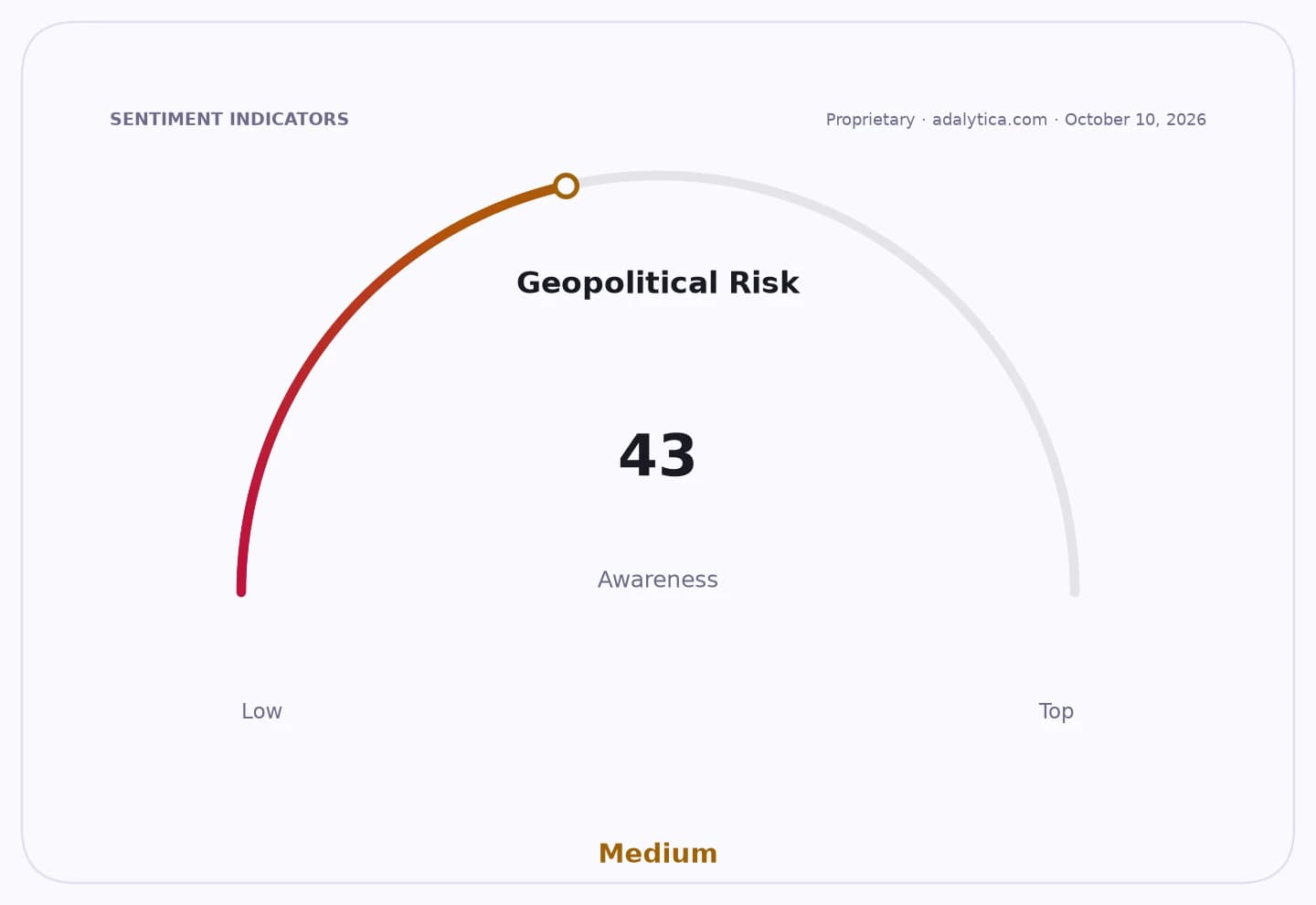
Sentiment IndicatorsⓘProprietary · adalytica.com · October 10, 2026
This is a snapshot — live sentiment, awareness and momentum for 130+ markets update continuously in the dashboard.Open AlphaPulse
For investors, the story reaches beyond geopolitics. Russia’s relationships with Turkmenistan and Iran can influence natural-gas flows, sanctions enforcement, shipping risks across the Caspian and broader energy-market expectations. Even when no deal is announced, summit diplomacy between three major hydrocarbon players can shape assumptions about supply, transit and pricing.
The economic angle is straightforward: Russia needs friends who can help keep commerce moving, and Iran and Turkmenistan each offer something Moscow values. Turkmenistan is a gas-rich state with a long history of balancing between larger powers, while Iran remains a key regional actor and a potential partner in transport and energy coordination. Putin’s schedule suggests the Kremlin is still trying to turn political proximity into practical cooperation.
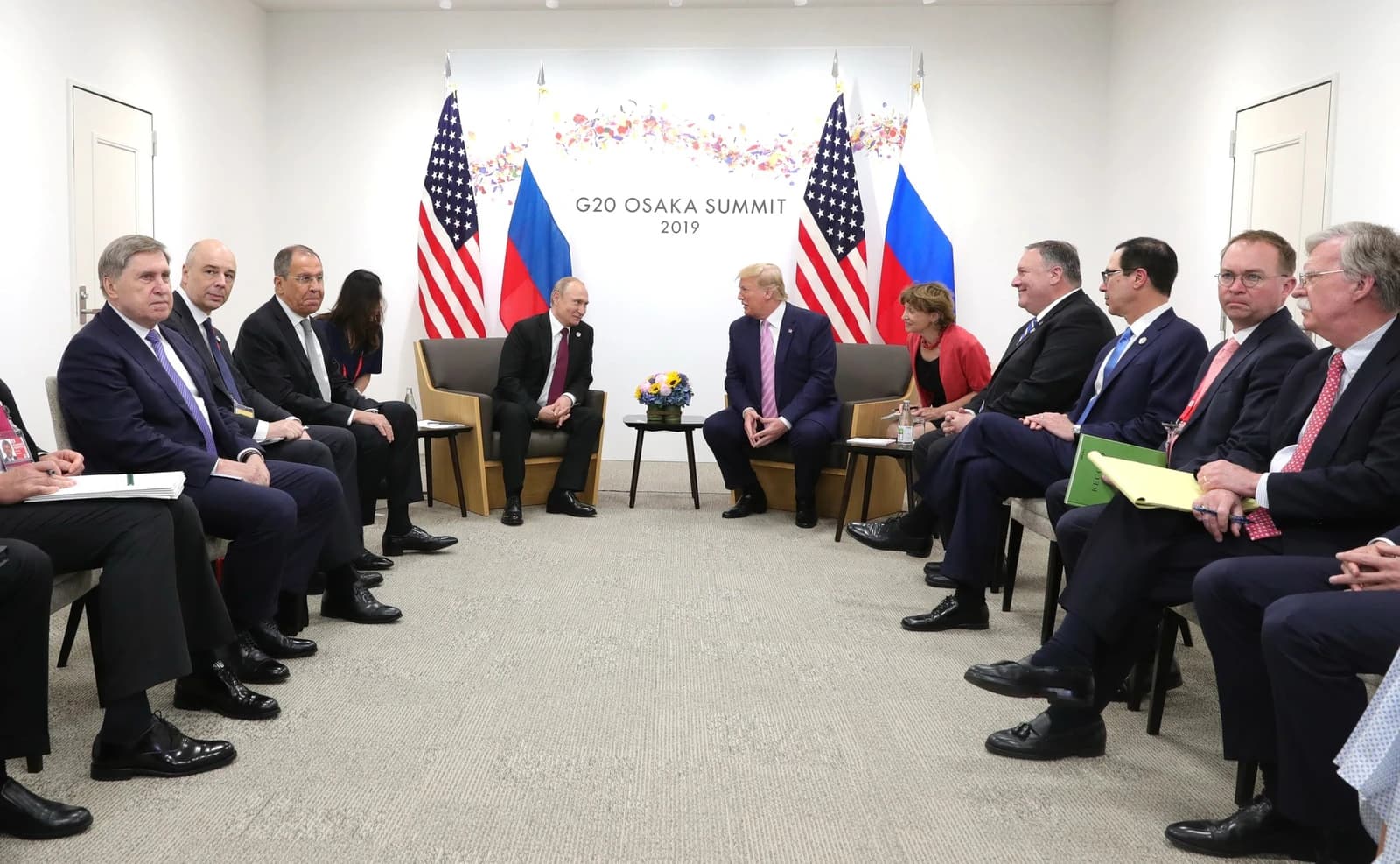
The broader backdrop is an increasingly tense one. Russia has said it is willing to help mediate between the United States and Iran, a reminder that Moscow sees Middle East diplomacy as part of the same strategic contest. At the same time, the Caspian region has become more important as global supply chains split into competing blocs and as countries seek routes that bypass chokepoints and sanctions pressure.
Markets are unlikely to react to the handshake itself, but investors should care about what it could mean over time. Any deepening coordination among Russia, Iran and Turkmenistan could matter for energy trading, regional pipeline politics and the risk premium attached to oil and gas supplies. That is especially relevant when oil-linked assets remain sensitive to geopolitical shocks and when traders are already watching for signs that the region’s producers may align more closely.
The practical takeaway is that this visit is another sign that Eurasian energy and security politics are converging. If Putin can turn summit diplomacy into durable cooperation, it could bolster Moscow’s regional standing and keep geopolitical uncertainty elevated — a backdrop that tends to support energy volatility and reward investors who stay diversified and think long term.
| Entity | Gains | Losses |
|---|---|---|
| Russia | ▲Regional influence | ▼Western isolation |
| Iran | ▲Diplomatic backing | ▼Pressure from sanctions |
| Turkmenistan | ▲Strategic relevance | ▼Neutrality risk |
| Energy investors | ▲Volatility opportunities | ▼Predictability |