The Moscow Exchange surged as investors wagered that warmer ties between the U.S. and Russia could eventually ease sanctions pressure and reopen one of the world’s most heavily discounted markets.
Moscow Exchange Rises on U.S.-Russia Thaw Hopes
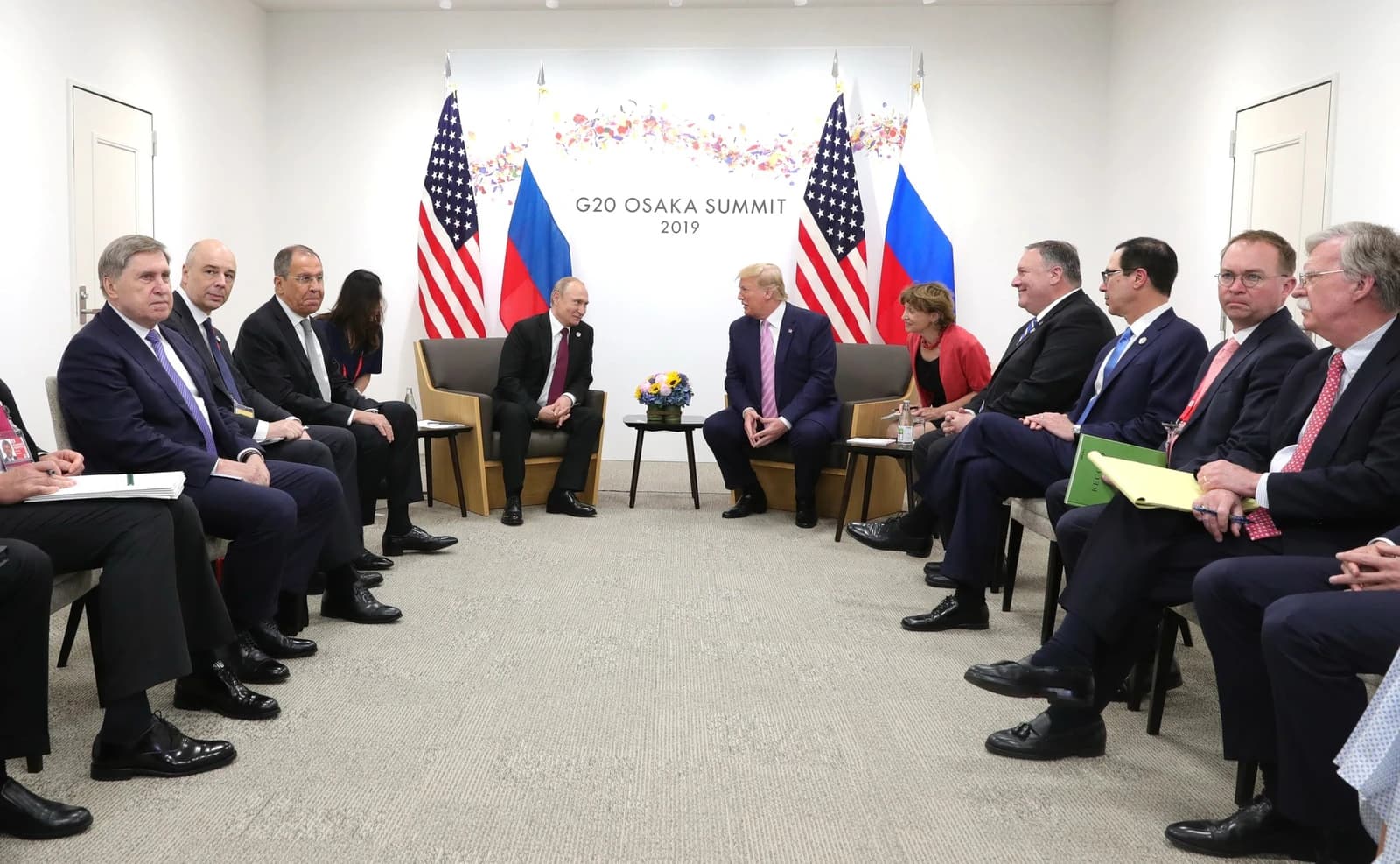
That matters because Russian assets have spent years trading less on company fundamentals than on geopolitics. When the Kremlin and Washington appear to be moving closer, even tentatively, the first price action is usually in stocks, the ruble and Russia-linked assets that have been starved of foreign capital and global liquidity since the invasion of Ukraine. A genuine diplomatic thaw would not just improve sentiment; it could change the cost of capital, the availability of trade finance and the valuation investors are willing to pay for Russian equities.
Sentiment IndicatorsⓘProprietary · adalytica.com · October 12, 2026
This is a snapshot — live sentiment, awareness and momentum for 130+ markets update continuously in the dashboard.Open AlphaPulse
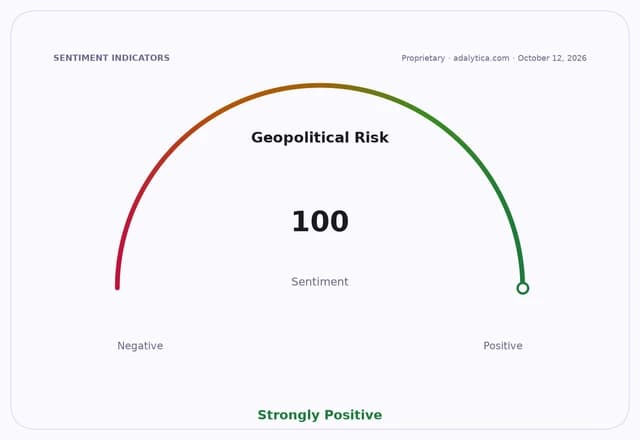
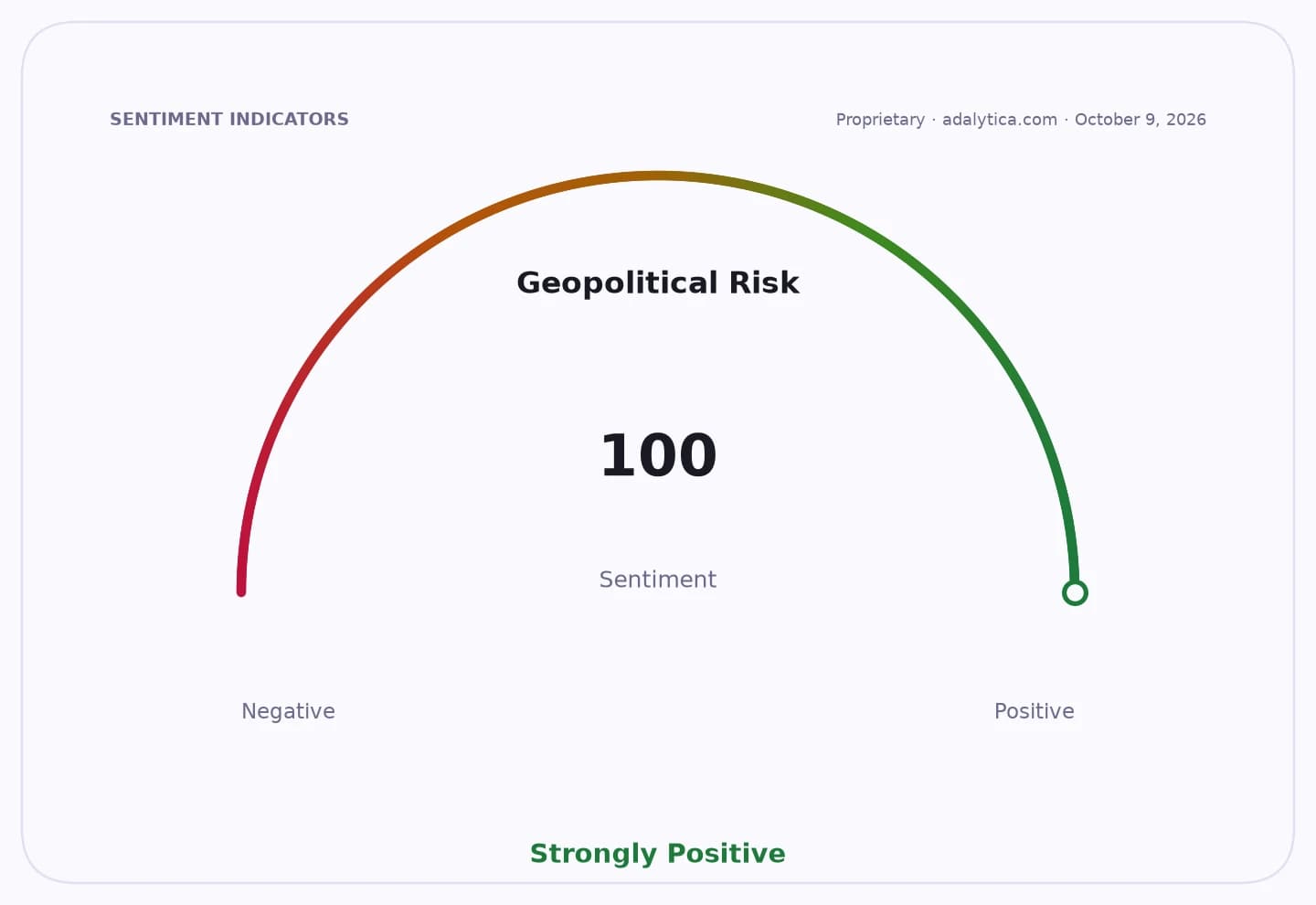
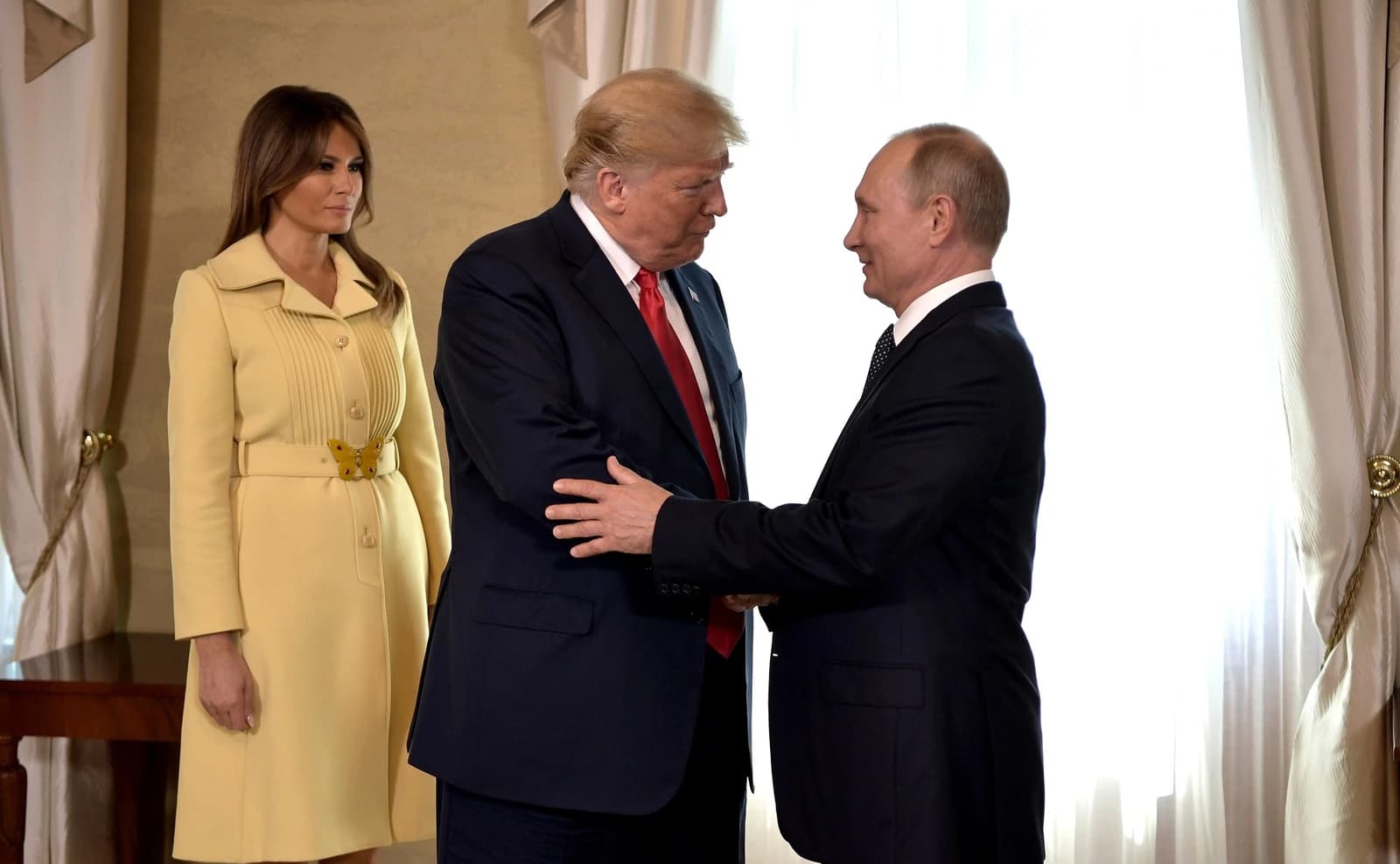
The move also shows how sensitive markets remain to headline risk in the Russia-Ukraine conflict. Any sign of coordination between the U.S. and Russian presidents can quickly revive hopes for a ceasefire framework, prisoner swaps, sanctions relief or at least a pause in escalation. That helps explain why Russia-linked sentiment is moving sharply higher even as broader global stability gauges remain conflicted. Adalytica’s Global Stability Sentiment gauge is flashing “Extreme Greed,” while awareness remains in fear territory, a sign that investors are chasing the possibility of de-escalation faster than they are pricing a full normalization.
For investors, the key question is not whether Russian equities can rally on diplomacy — they can, and quickly — but whether any rally is durable. The Moscow Exchange remains highly exposed to policy decisions in Washington and Moscow, and that means upside could be dramatic if sanctions ease, but downside would be just as severe if talks stall or tensions flare again. The U.S. dollar’s own trading signals also point to a market in motion, with greed rising as the currency reacts to shifting global risk appetite.
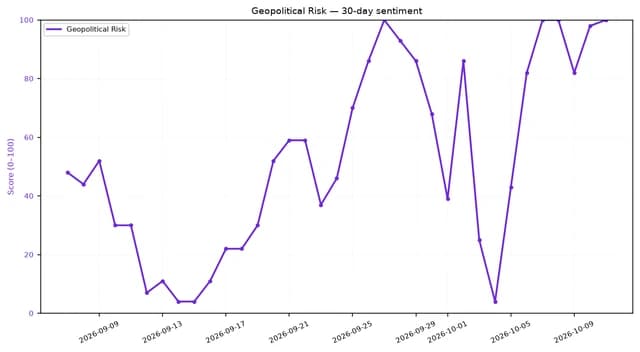
Long-term investors should treat the spike in Russian shares as a geopolitical trade, not a clean fundamental reset. Until there is evidence of lasting diplomatic progress, sanctions relief and a clearer path for cross-border capital flows, the market is likely to remain driven by headlines rather than earnings. For now, the Moscow Exchange is worth watching closely — but only with the understanding that in Russia, politics still sets the price.
| Entity | Gains | Losses |
|---|---|---|
| Moscow Exchange | ▲Higher valuations | ▼Short sellers |
| Russian exporters | ▲Better market access hopes | ▼Sanctions pressure |
| U.S.-Russia peace hopes | ▲Risk assets | ▼Geopolitical hedges |
| NATO and Europe | ▲None | ▼Higher escalation risk |