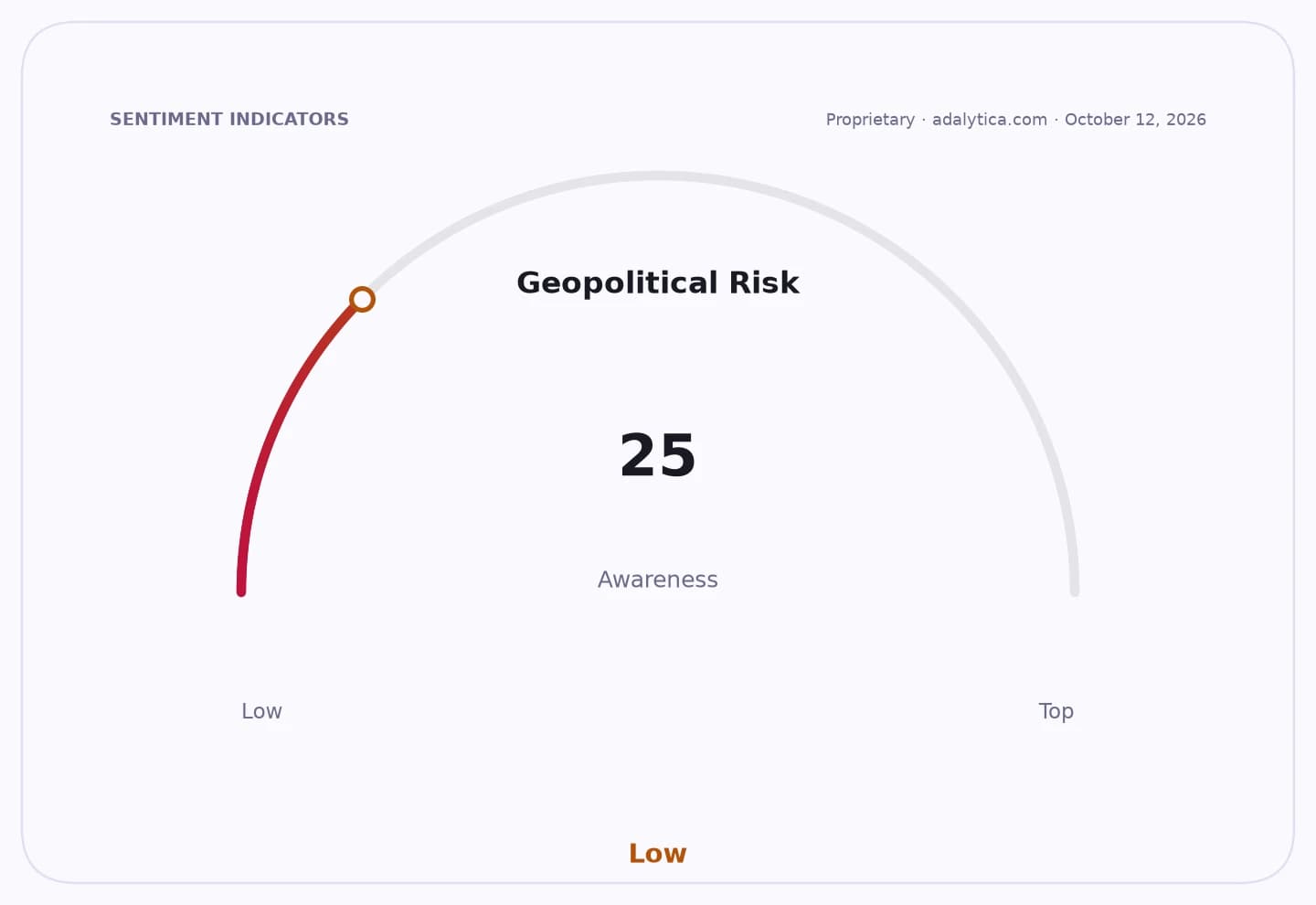
The European Union has approved its largest sanctions package against Russia since the full-scale invasion of Ukraine in 2022, adding 1,646 names to its blacklist and sharpening pressure on Moscow’s military-industrial complex.
EU Approves New Russia Sanctions Package
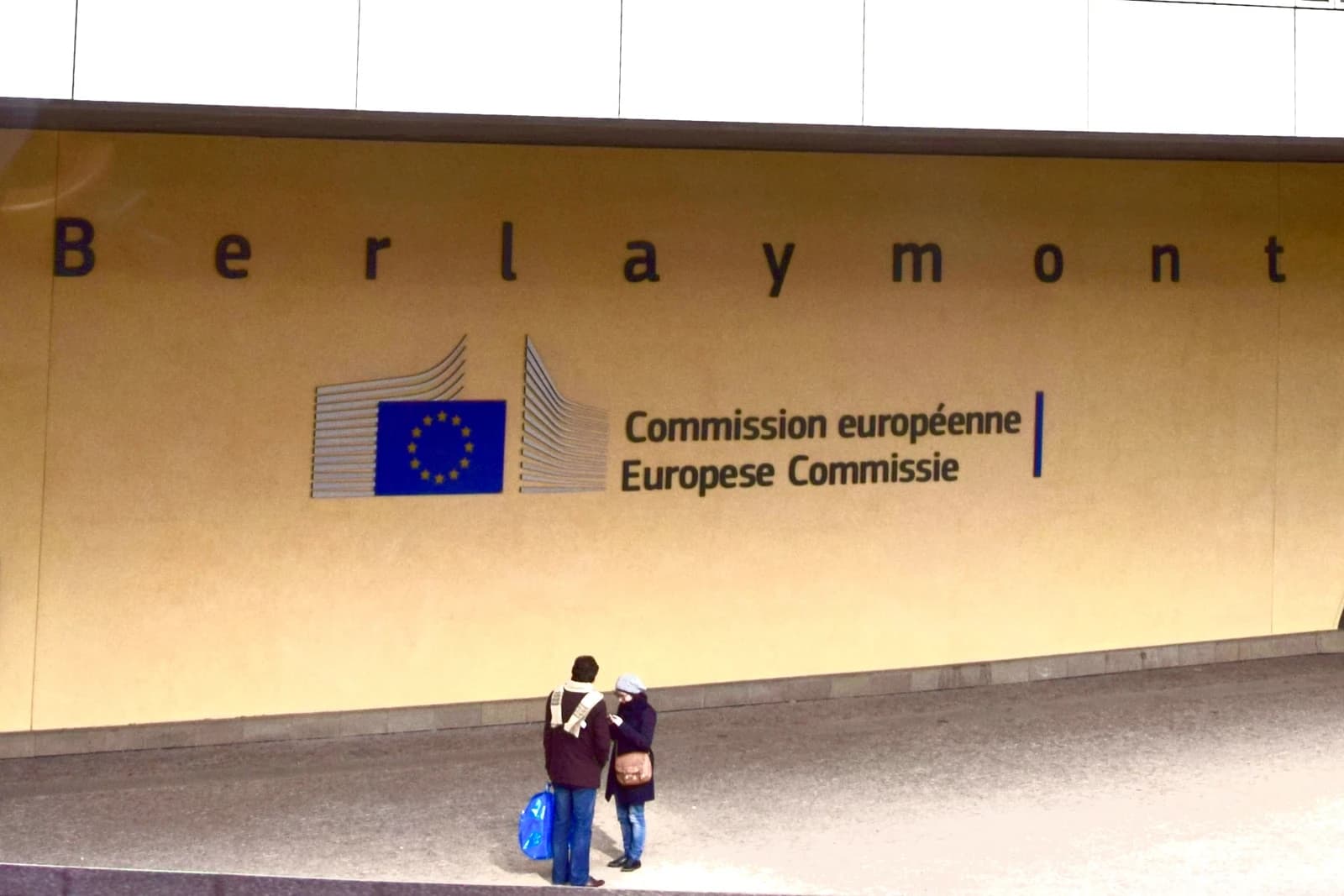
The move lands on Vladimir Putin’s birthday and underscores the bloc’s intent to keep tightening economic pressure even as Russia seeks relief from Western penalties and the US has eased some diesel restrictions. For investors, it reinforces the risk that Russia-related trade, energy flows and shipping remain vulnerable to sudden policy shifts and secondary sanctions.
Sentiment IndicatorsⓘProprietary · adalytica.com · October 12, 2026
This is a snapshot — live sentiment, awareness and momentum for 130+ markets update continuously in the dashboard.Open AlphaPulse
Most of the new measures target Russia’s defense sector, with more than half aimed at missile production, according to the report. The latest round brings the EU’s Russia sanctions list to more than 3,000 individuals and entities, extending travel bans, transaction limits and asset freezes across a wider web of suppliers and backers tied to the war effort.
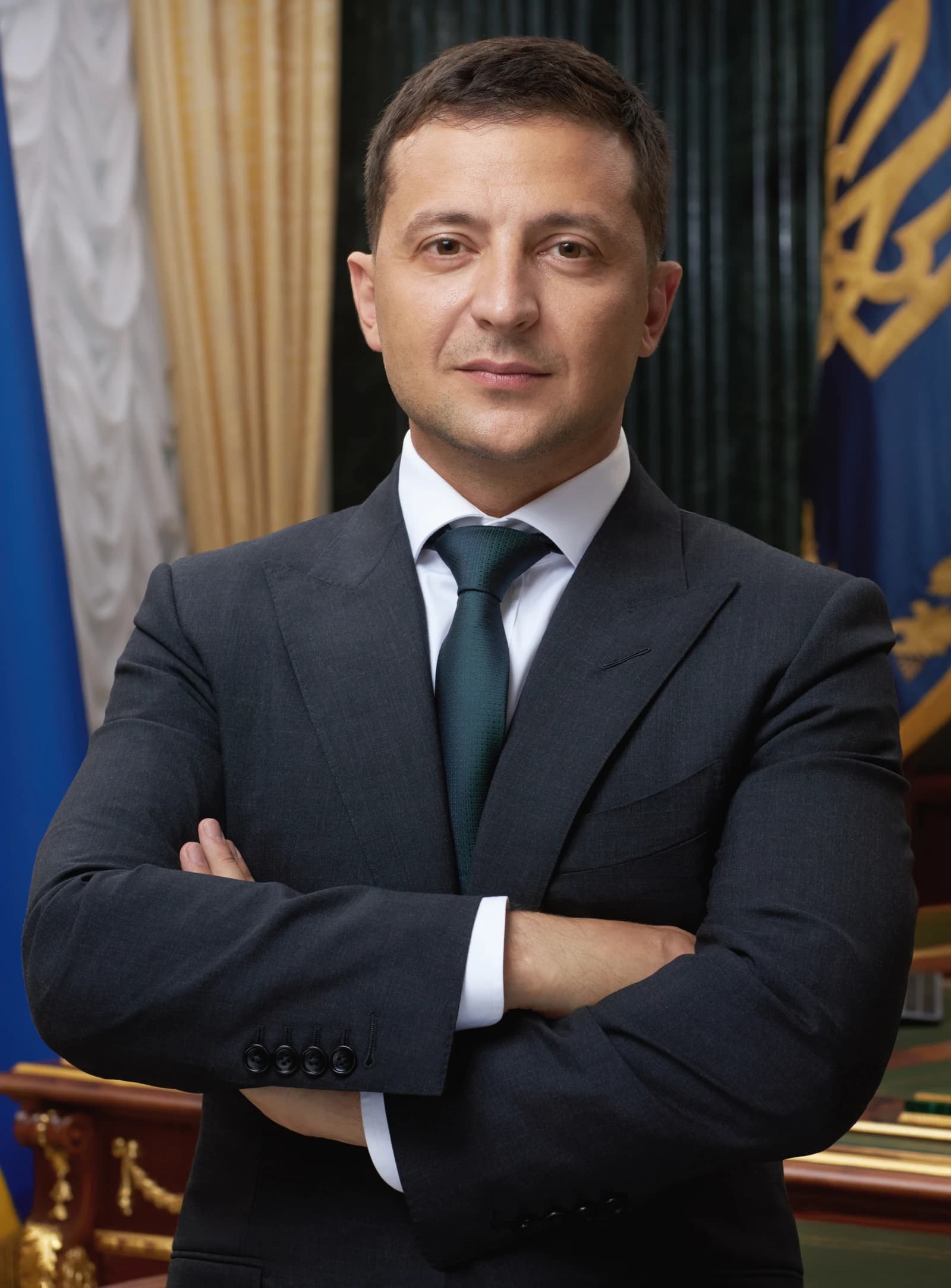
The package is due for formal approval by EU foreign ministers on Oct. 12, but the political signal is already clear: Brussels is not softening its stance despite pressure from Moscow to unwind restrictions. The timing also highlights the split with Washington, after the US decision to lift diesel sanctions prompted criticism from Ukrainian President Volodymyr Zelensky.
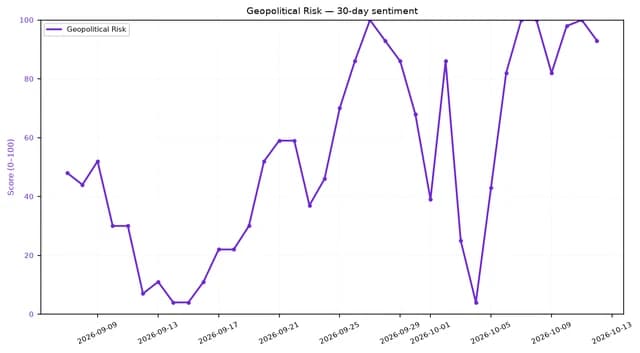
The sanctions push matters economically because Europe remains one of the biggest sanctioning powers on Russia, and each new round can complicate financing, procurement and cross-border logistics for companies linked to sanctioned networks. It also keeps a lid on expectations for any near-term normalization in Russian energy and industrial trade.
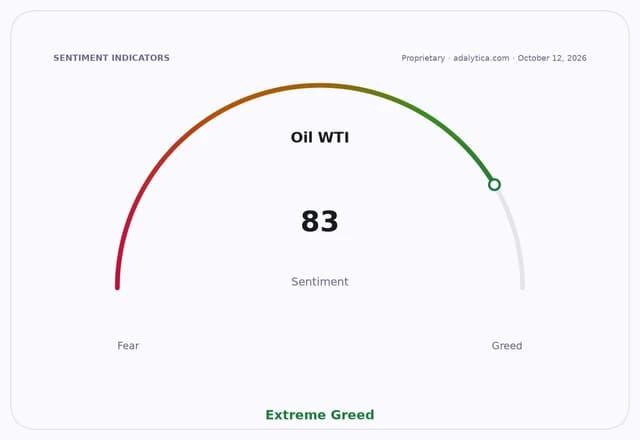
Markets tied to geopolitical stress are already reflecting the broader tension. The XLE energy ETF has risen to 65.73, above its 50-day moving average of 62.54 and 200-day average of 56.51, while its RSI reading of 76.8 points to stretched momentum. By contrast, UNG, the natural-gas ETF, sits at 10.82, below its 200-day average of 11.31, showing how uneven commodity pricing remains as sanctions headlines and supply risks keep traders on edge.
The broader narrative is one of escalation, not détente: the EU is widening pressure on Russia while also trying to redesign its own decision-making rules so future members cannot easily block common policy. That makes the sanctions story part of a larger geopolitical and institutional shift, with Ukraine’s path toward EU membership and the bloc’s ability to act quickly both now in focus.
| Entity | Gains | Losses |
|---|---|---|
| EU officials | ▲Stronger leverage on Moscow | ▼Higher risk of retaliation |
| Russia’s defense sector | ▲None | ▼Missiles, suppliers, funding |
| Energy traders | ▲Volatility opportunities | ▼Policy uncertainty |
| Ukraine | ▲Sustained Western pressure on Russia | ▼No quick end to war |