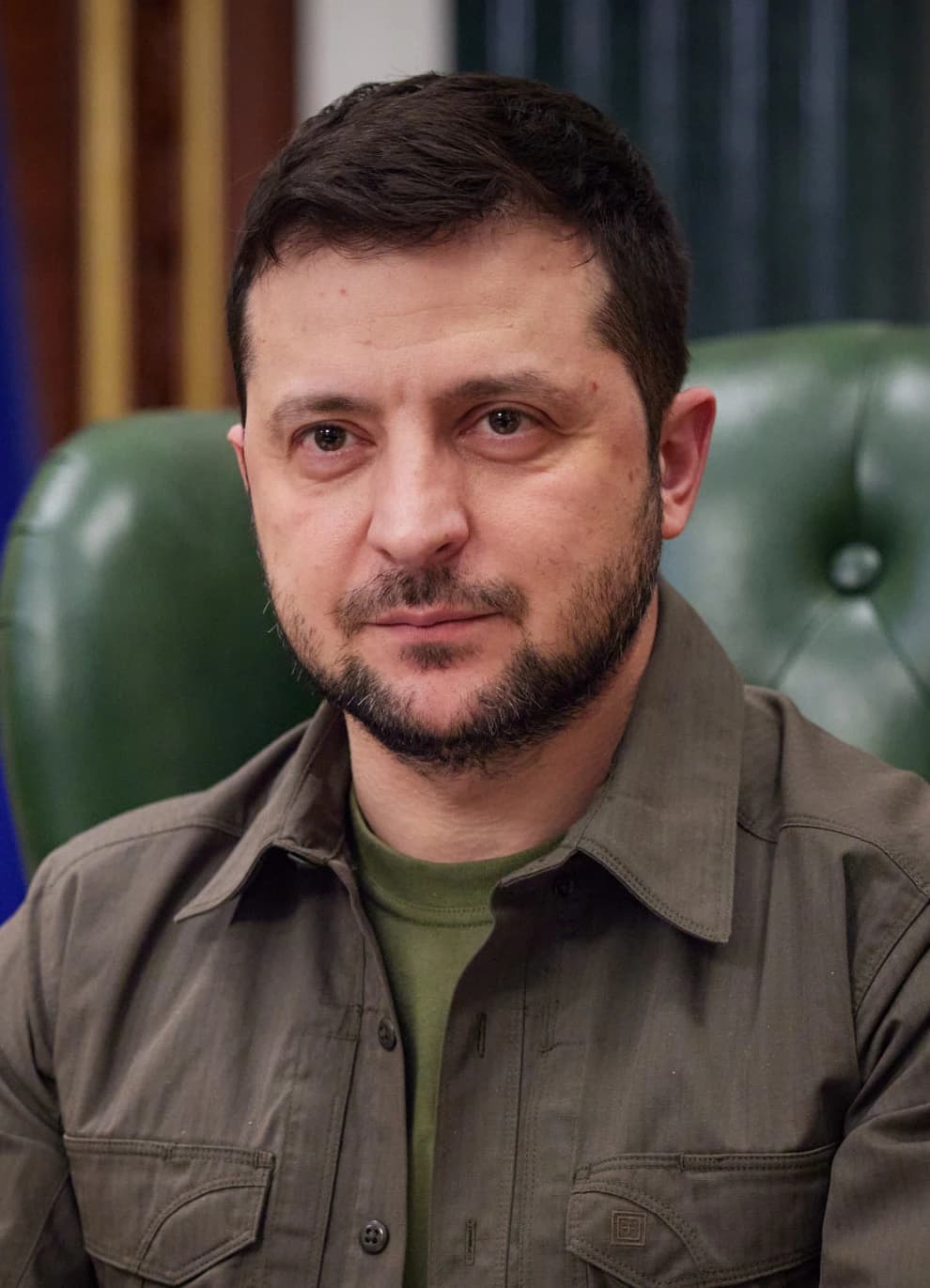
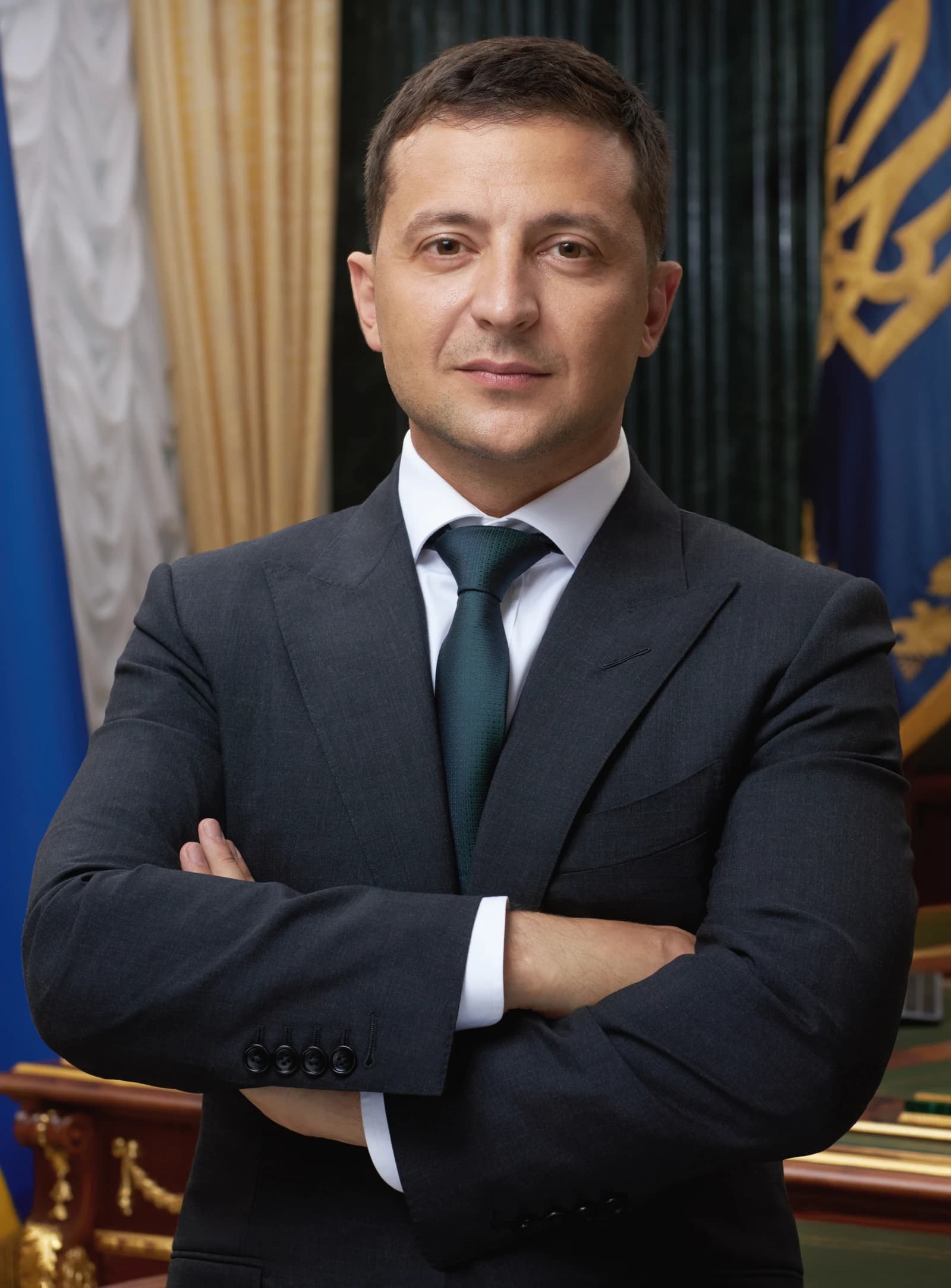
Ukraine’s President Volodymyr Zelenski is escalating his public pressure campaign on Washington at the same moment Russia’s war is inflicting some of its deadliest blows in months, a reminder that diplomacy without tighter economic pressure is unlikely to change Moscow’s calculus.
Ukraine Presses U.S. on Russia Sanctions and Starlink
For investors, the message is bigger than one angry speech. A widening split over how hard the U.S. and Europe should lean on Russia keeps geopolitics embedded in energy, defense and satellite-infrastructure trade. It also reinforces a market regime where crude can spike on any hint of sanctions tightening, while defense and communications providers tied to battlefield resilience remain in the strategic sweet spot.
Sentiment IndicatorsⓘProprietary · adalytica.com · October 12, 2026
This is a snapshot — live sentiment, awareness and momentum for 130+ markets update continuously in the dashboard.Open AlphaPulse
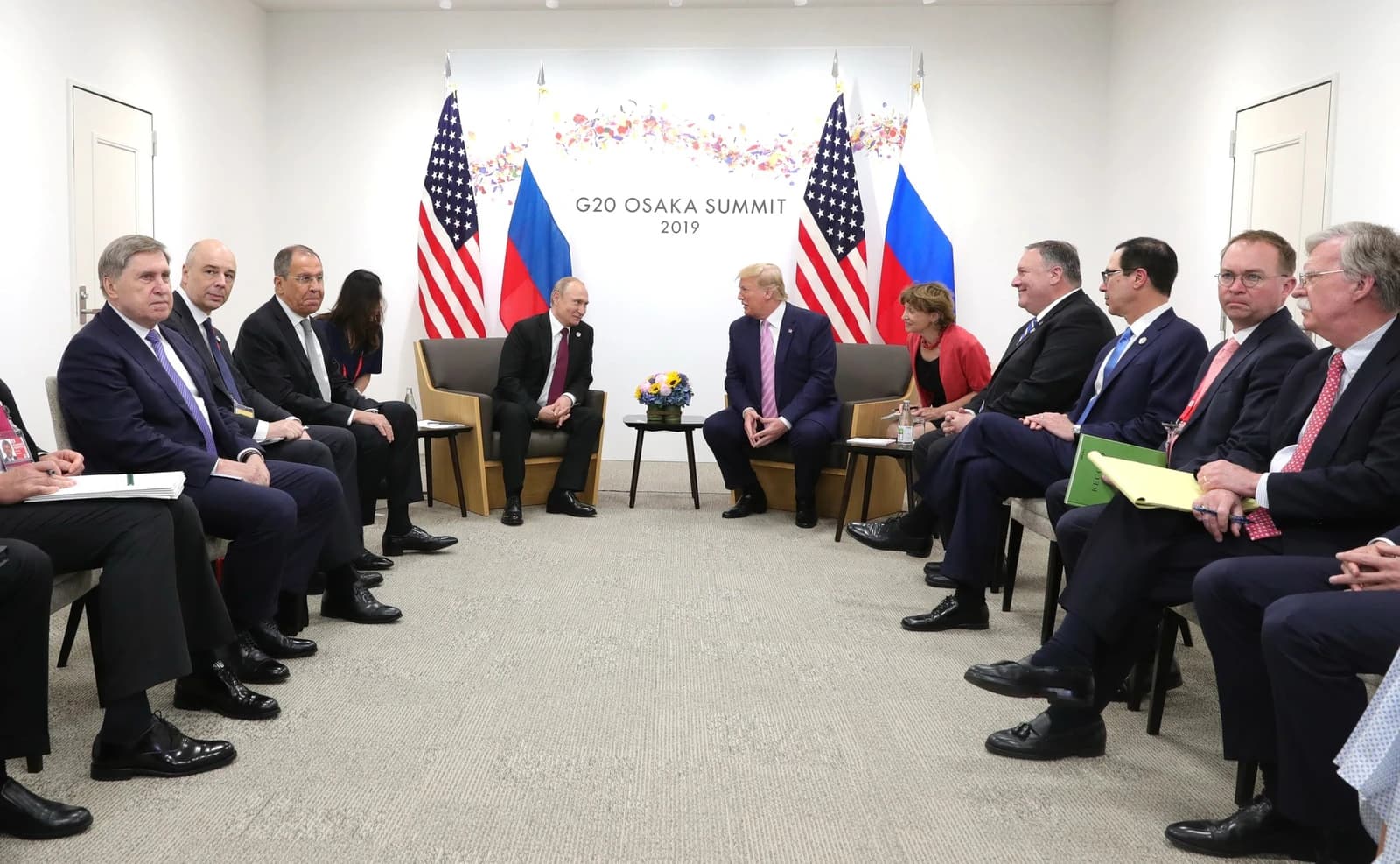
Zelenski accused the U.S. of failing to help Ukraine while pursuing economic ties with Russia, a charge that lands as Reuters reported senior Russian and American figures had discussed the possibility of a U.S. investor being involved in a Nord Stream gas pipeline project. He urged Donald Trump to increase sanctions pressure and repeated Ukraine’s request for expanded access to Starlink, arguing it would improve the country’s ability to target Russian rocket launchers and defend its airspace.
That matters because energy flows remain one of the few levers capable of changing Russia’s war economy at scale. Any move perceived as easing pressure on Russian hydrocarbons can ripple through global oil products, European industrial costs and the balance sheets of producers and service firms exposed to a prolonged conflict. WTI-related pricing is still volatile, and oil-focused vehicles have traded far above long-term moving averages in recent months, underscoring how quickly the market prices geopolitical risk when supply chains look vulnerable.
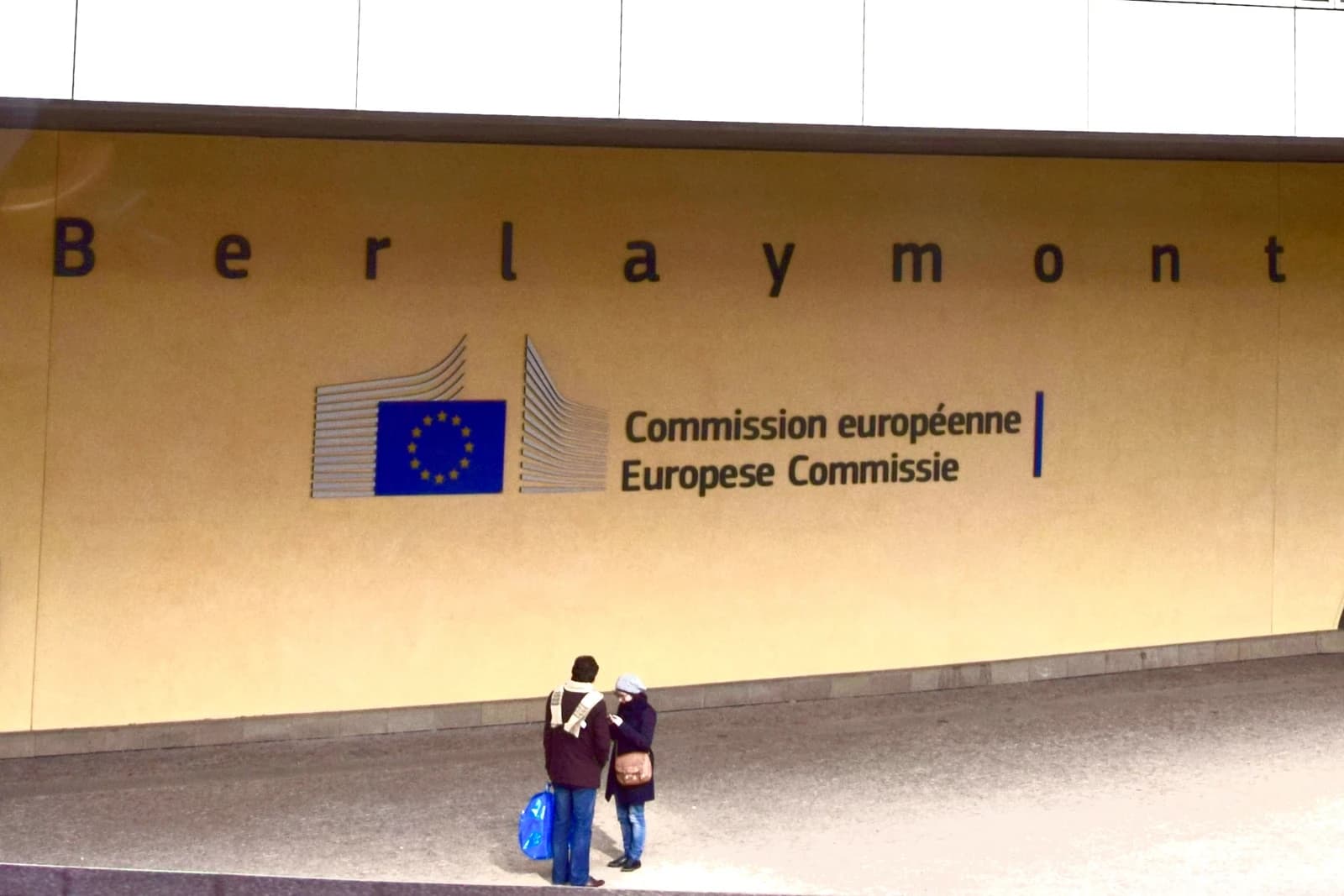
The stakes were underscored by fresh Russian attacks that killed scores of civilians in Kramatorsk and near Kyiv, according to the context provided, part of a two-day wave that Zelenski said left about 78 dead and 215 wounded. That violence strengthens the argument in Kyiv and among hawkish allies that sanctions relief or diplomatic normalization with Moscow is premature. It also increases the odds that Europe’s next sanctions package — already expected to target more than 1,600 entities and individuals — becomes tougher, not softer.
For investors, the likely winners remain the obvious second-order beneficiaries: defense contractors, missile-defense suppliers, secure communications firms and satellite-network operators that gain when governments conclude the war is becoming a long-duration infrastructure problem. The losers are the businesses most exposed to any eventual normalization with Russian energy or transport assets, including firms tied to cross-border pipeline economics and importers that benefit from lower fossil-fuel prices if sanctions loosen.
The market underestimates how durable this theme is. Even if negotiations continue, the combination of battlefield escalation, sanctions politics and energy diplomacy keeps the war premium alive. That argues for staying positioned in security, space and energy names that profit from persistent instability — not waiting for a clean peace that remains nowhere in sight.
| Entity | Gains | Losses |
|---|---|---|
| Defense contractors | ▲Higher weapons demand | ▼Peace dividend hopes |
| Satellite operators | ▲More battlefield reliance | ▼Easier Ukraine access limits |
| Oil producers | ▲War premium support | ▼Sanctions easing |
| European consumers/importers | ▲Lower energy costs | ▼Higher fuel bills |