Ukraine’s renewed talk of negotiations with Russia matters less as a signal of imminent peace than as a reminder that the market is still pricing a war that can stretch, morph and periodically de-risk key European assets without fully ending.
Ukraine Talks Keep Europe Defense Trade in Focus
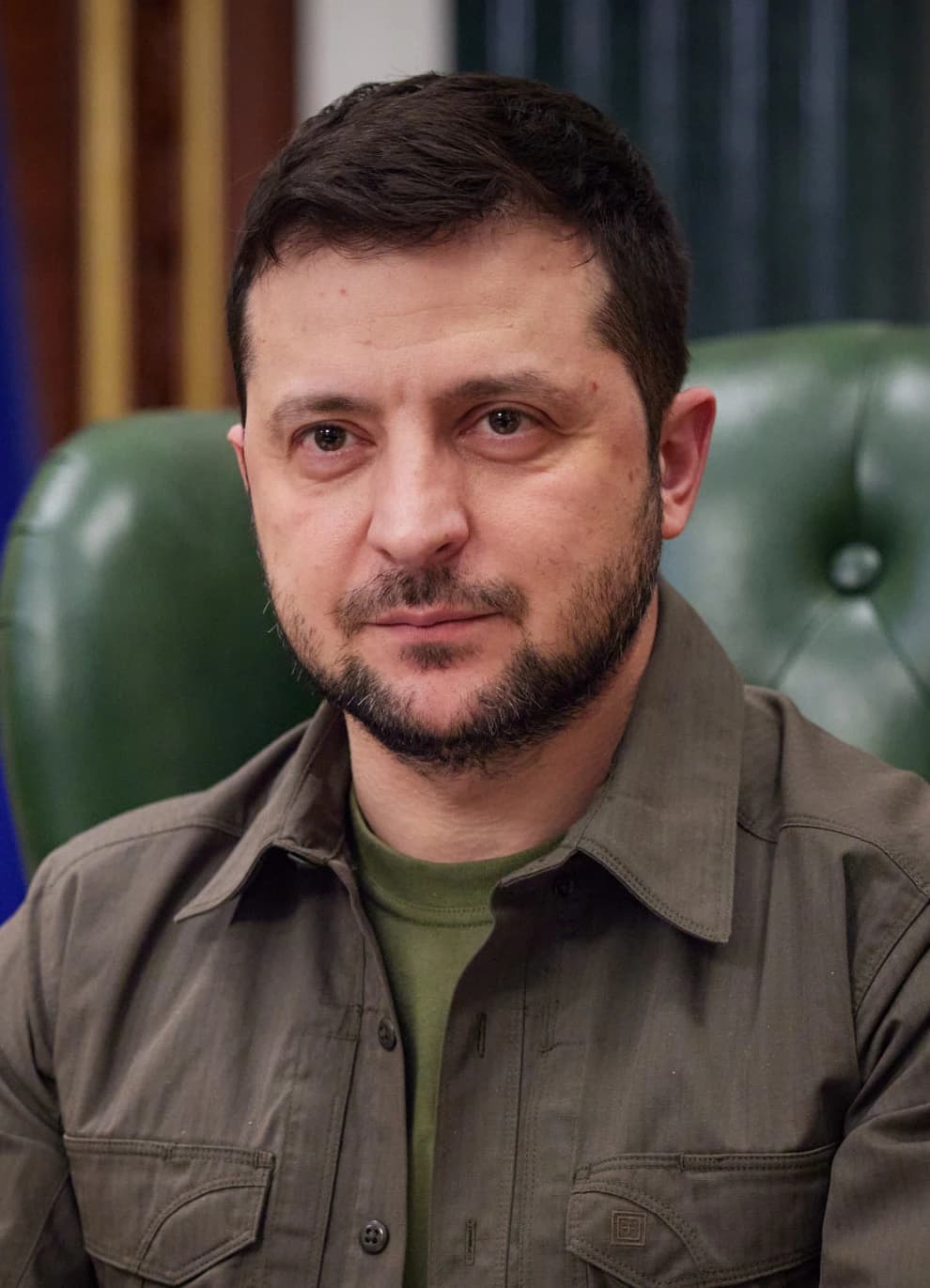
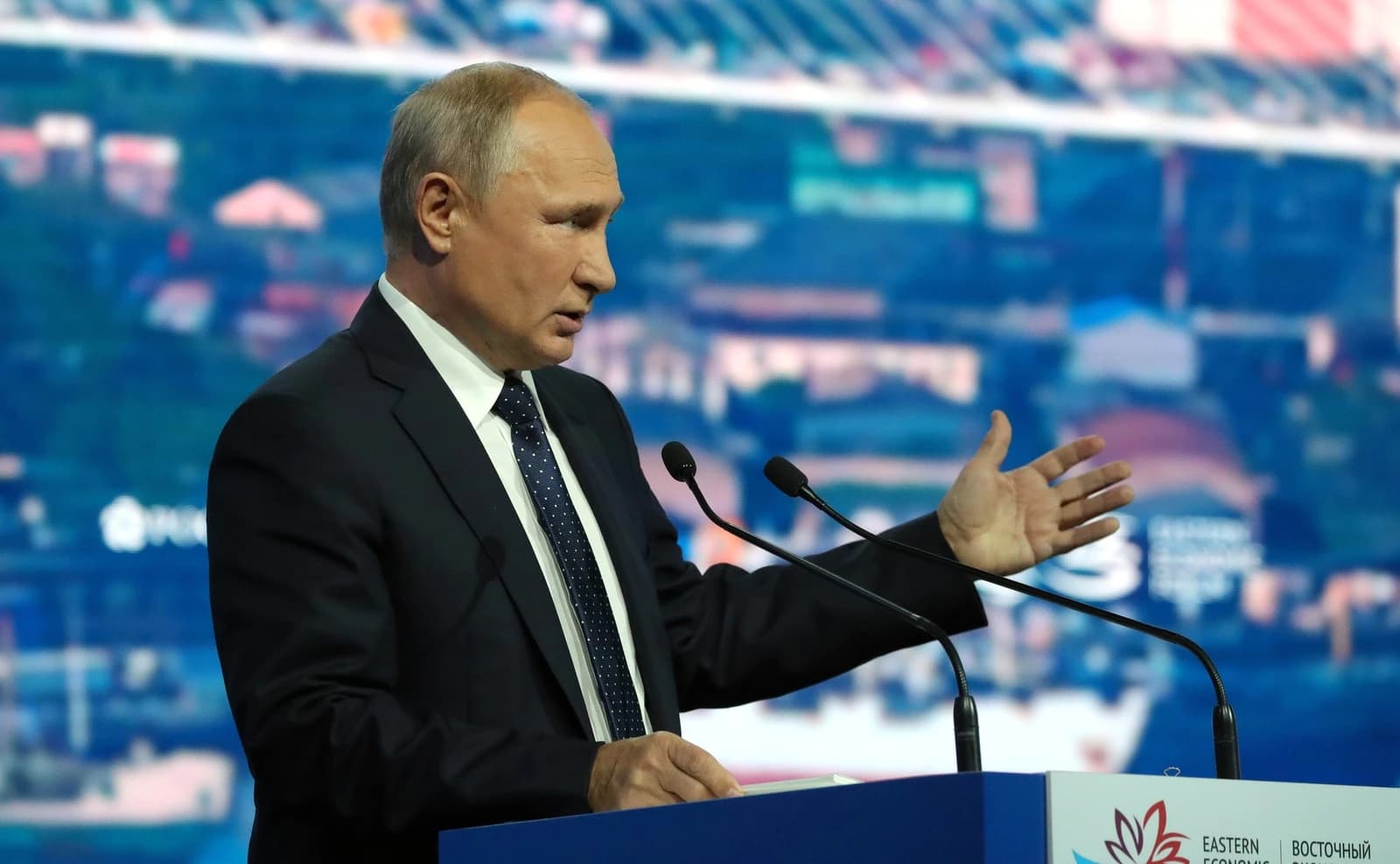
That is the real economic message behind the latest comments from Ukrainian politicians urging phased talks and possible concessions, and from President Volodymyr Zelensky’s insistence that Kyiv will not surrender core interests. The most investable takeaway is not a grand settlement. It is the narrowing but still fragile opening for a limited arrangement — especially an energy truce — that could ease pressure on European power, shipping and insurance markets without changing the broader geopolitical standoff.
Ukraine’s side is clearly trying to widen the political space for a postwar electorate. Public debate over endgame terms is normal in a democracy, but the timing matters: officials are preparing for a possible three-way meeting involving the U.S., with energy infrastructure and long-range strikes among the likely topics. That is a much more realistic near-term outcome than any legal recognition of occupied territory, which remains a red line for Kyiv. In other words, the market should not mistake talk of negotiations for a peace dividend. The more plausible scenario is a tactical pause in select areas while the war’s strategic framework stays intact.
For investors, that means continued opportunity in the companies and sectors that benefit from instability rather than its disappearance. European defense remains the cleanest trade. The iShares MSCI United Kingdom ETF, EWU, has pulled back to $46.19 after trading as high as $47.95 in mid-September, and the move has come alongside a weakening relative strength reading and a bearish shift in the 50-day moving average backdrop. Even so, the broader European security complex is still supported by the reality that governments are unlikely to unwind defense spending while negotiations remain tentative and Russia keeps the military pressure on. The market underestimates how sticky rearmament budgets become once they are set in motion.
At the same time, any credible move toward limiting attacks on energy infrastructure would matter for utilities, insurers and commodity traders more than for headline geopolitics. A partial de-escalation in long-range strikes could stabilize power and fuel risk premia across Europe, but it would not erase sanctions, rebuild trade routes or restore confidence in Russian assets. That is why the secular winners remain the toll-road businesses of conflict: defense contractors, cyber and security vendors, LNG infrastructure, grid hardening, and European industrial suppliers tied to rearmament.
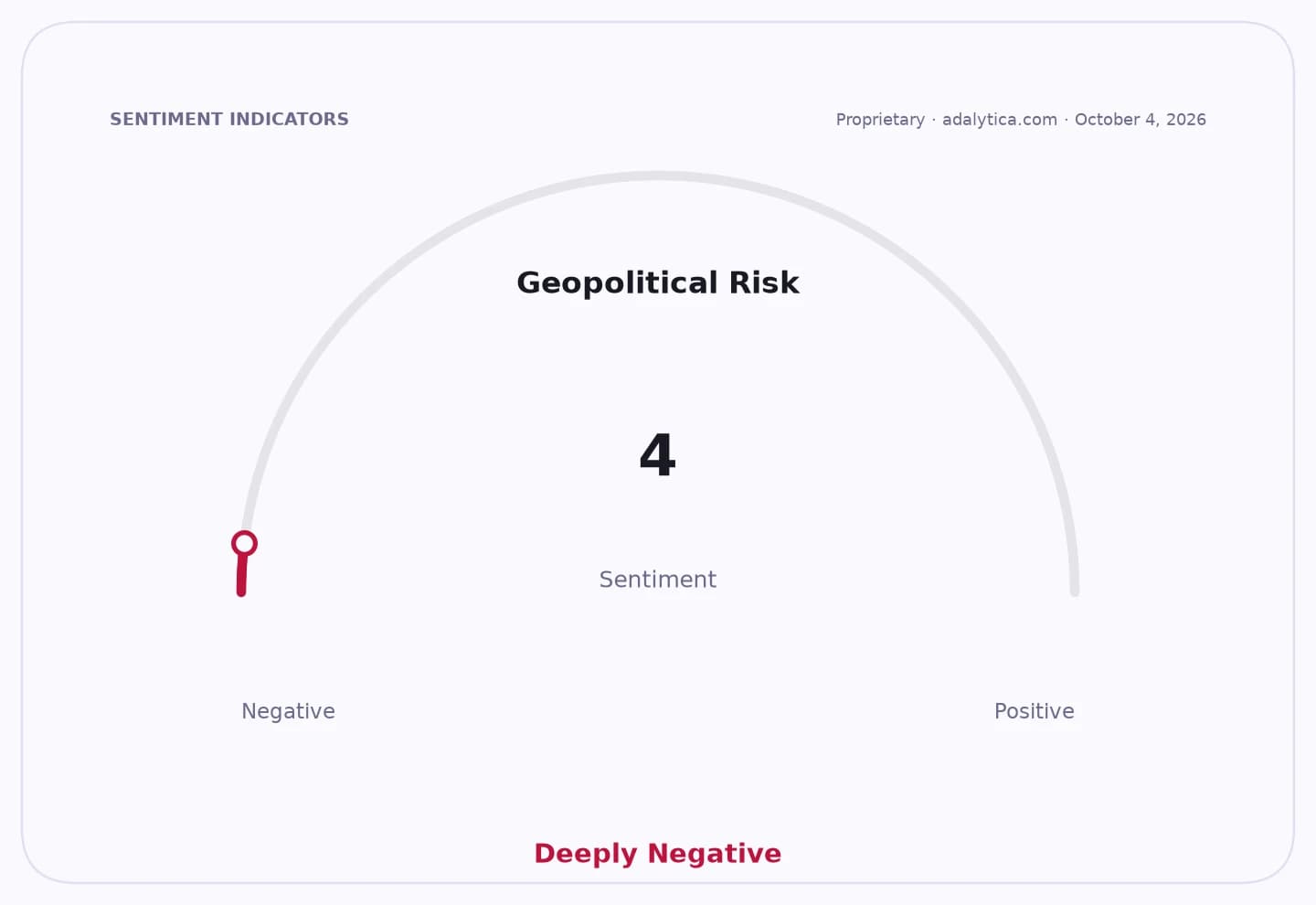
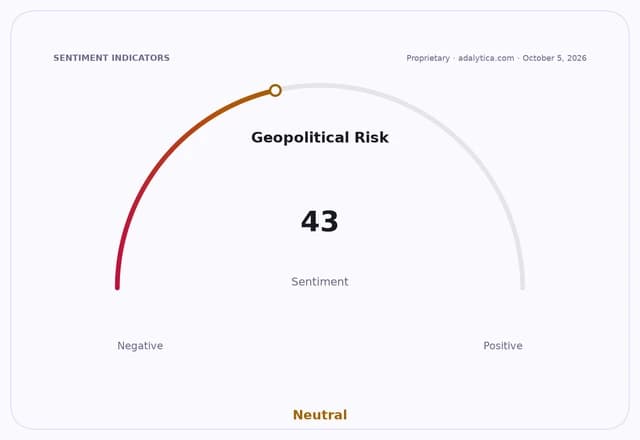
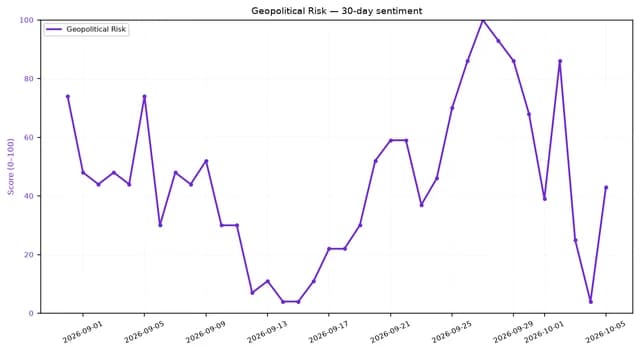
Technical indicators underscore the caution. EWU is trading below its 50-day moving average of 47.97, while its RSI reading near 32 suggests the recent selling has been heavy but not yet washed out. That kind of setup often reflects uncertainty rather than capitulation — exactly what you would expect when diplomacy is being tested but no durable deal is in sight. By contrast, the broader market’s risk lens remains jittery. Adalytica’s Global Stability Sentiment gauge is still only neutral at 43, with awareness in “extreme fear” territory at 4, showing that investors remain hypersensitive to escalation and quick to reprice any sign of talks.
The key point is this: negotiations are becoming part of the war economy, not the end of it. Political theater in Kyiv, Moscow’s insistence on favorable terms and Washington’s push for technical talks all point to a process that may generate temporary market relief but not a clean peace trade. That keeps the asymmetric opportunity in the same place it has been for months — owning Europe’s defense and resilience infrastructure, while treating any dip in war-linked assets as a chance to position before the next diplomatic false dawn.
| Entity | Gains | Losses |
|---|---|---|
| Defense contractors | ▲Higher rearmament orders | ▼Peace-trade complacency |
| European utilities & grid firms | ▲Hardening capex demand | ▼Lower crisis premia |
| Insurers & shippers | ▲Selective de-risking opportunities | ▼Sudden escalation risk |
| Russian sanctions-sensitive assets | ▲Limited upside from talks | ▼Any real negotiation progress |