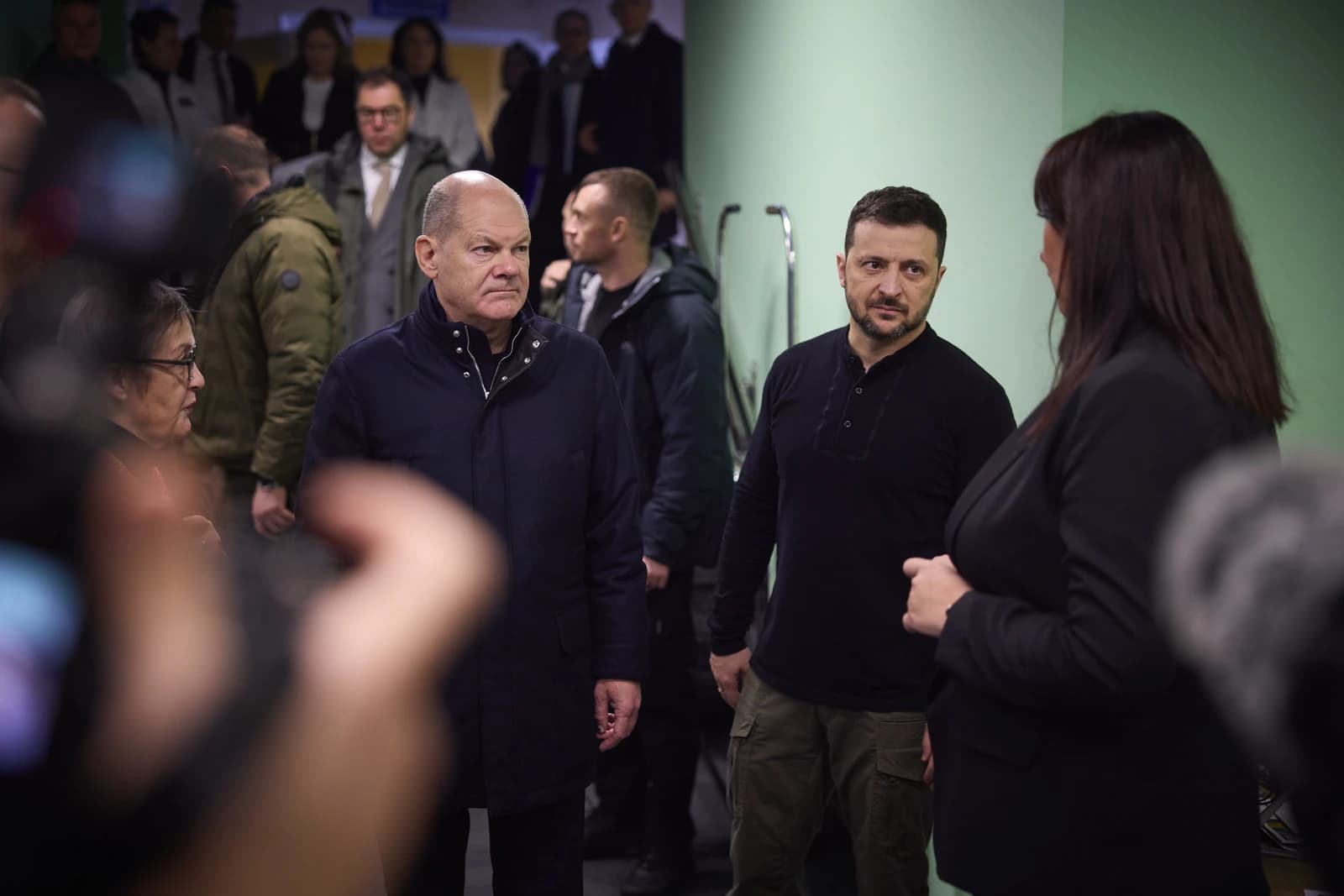
Germany stepped up its support for Ukraine with a surprise Kiev visit by Chancellor Friedrich Merz and a new aid package worth more than €1.35 billion, underscoring Berlin’s shift from reluctant backer to one of Europe’s core security patrons in a conflict that shows no sign of ending soon.
Germany boosts Ukraine aid with €1.35B package

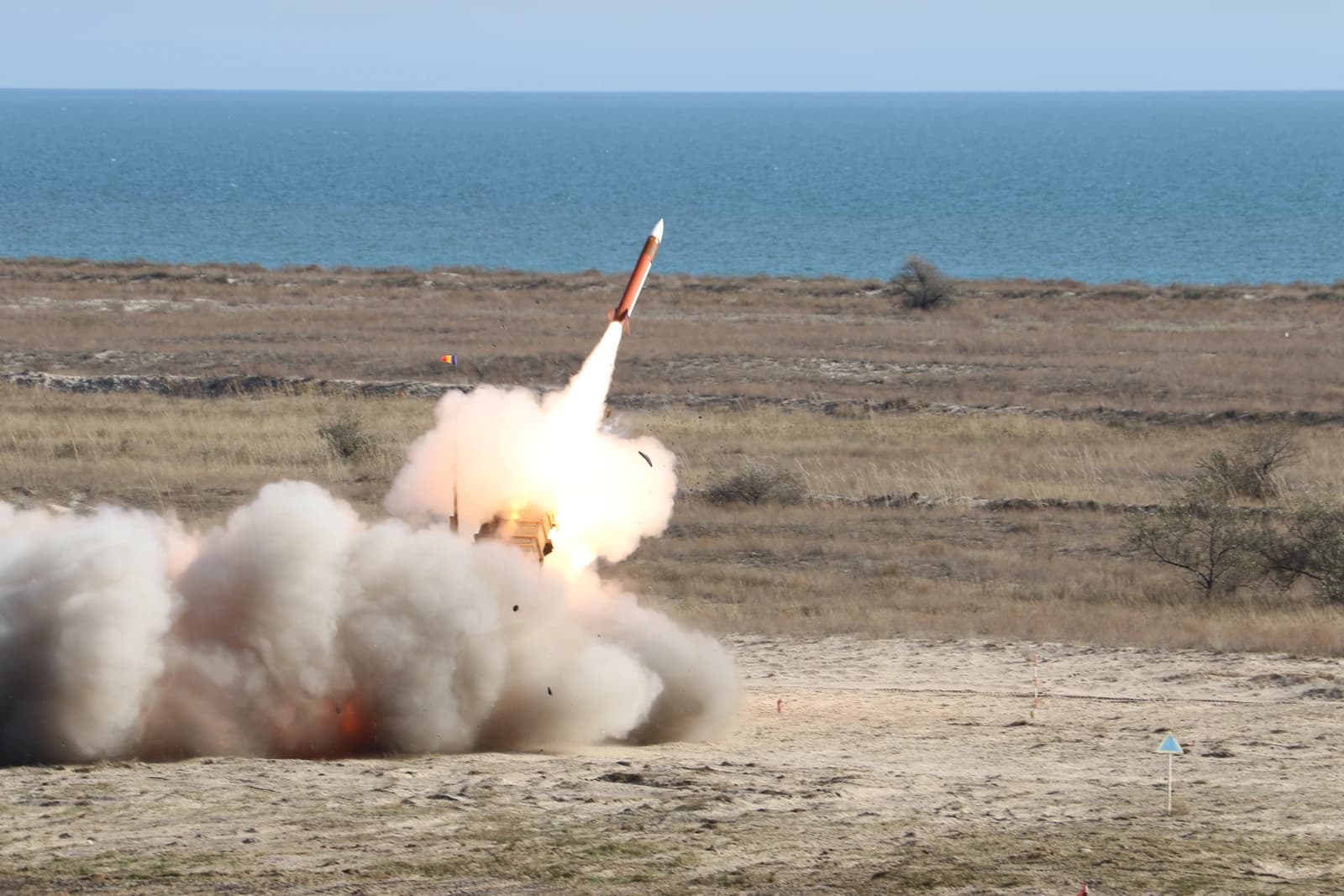
The package matters economically because it turns Germany’s Ukraine policy into a multi-year industrial and fiscal commitment, not just a short-term transfer of funds. Roughly €1 billion will go to military aid, including long-range weapons, fighter drones and satellite technology, while about €350 million is earmarked for energy infrastructure ahead of winter. That combination points to a war effort increasingly defined by sustained production, logistics and grid resilience rather than one-off battlefield replenishment.
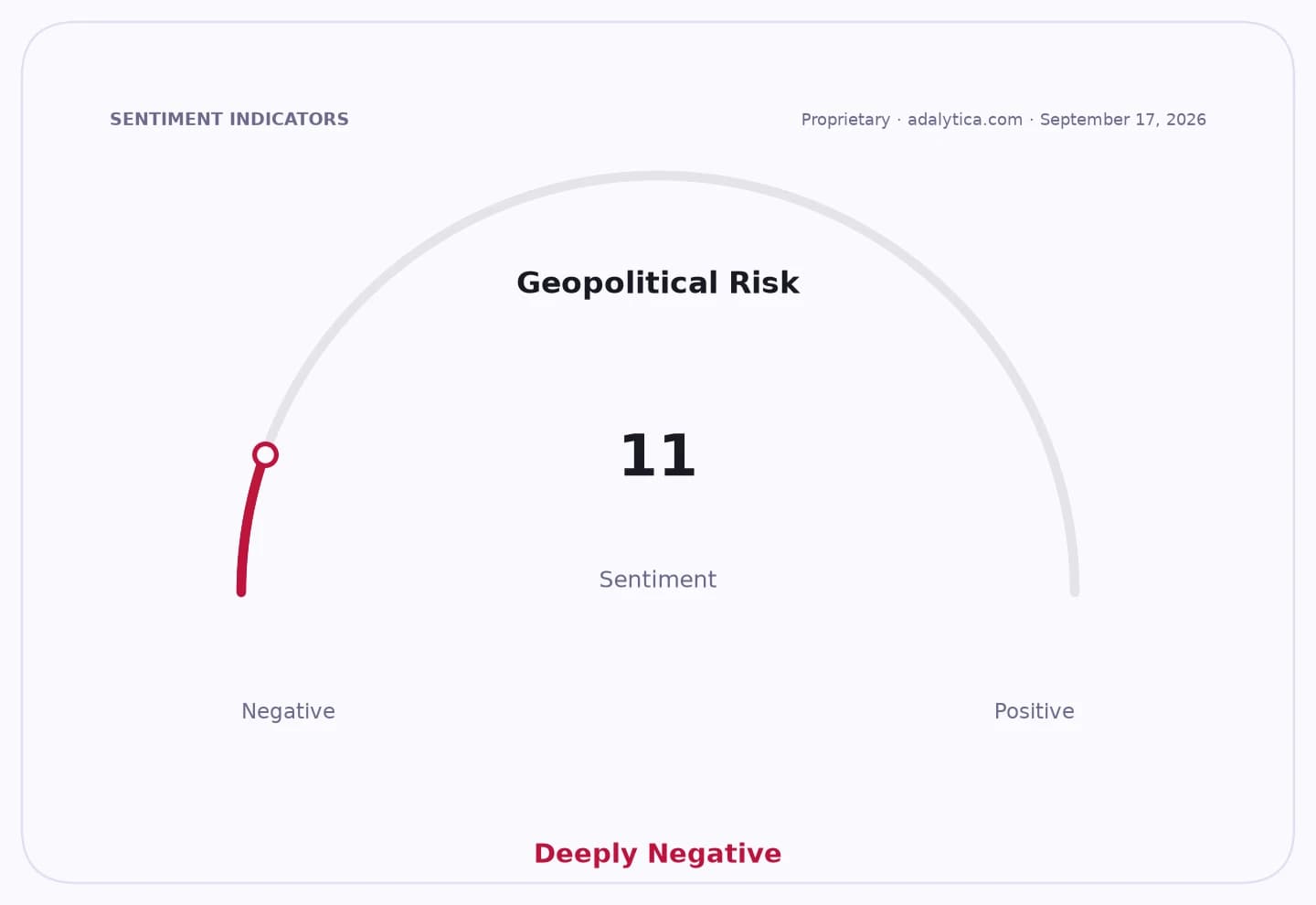
Sentiment IndicatorsⓘProprietary · adalytica.com · October 5, 2026
This is a snapshot — live sentiment, awareness and momentum for 130+ markets update continuously in the dashboard.Open AlphaPulse
For investors, the message is that Europe’s defense cycle still has room to run. Berlin and Kiev also said they signed 15 agreements worth more than €8.5 billion, mostly tied to security cooperation, weapons production and procurement. That deepens the pipeline for contractors, electronics suppliers and systems integrators across Germany and the wider European defense complex, while supporting demand for drones, air defense and space-linked technologies. It also reinforces the case that defense spending is becoming structural across the continent, not cyclical.
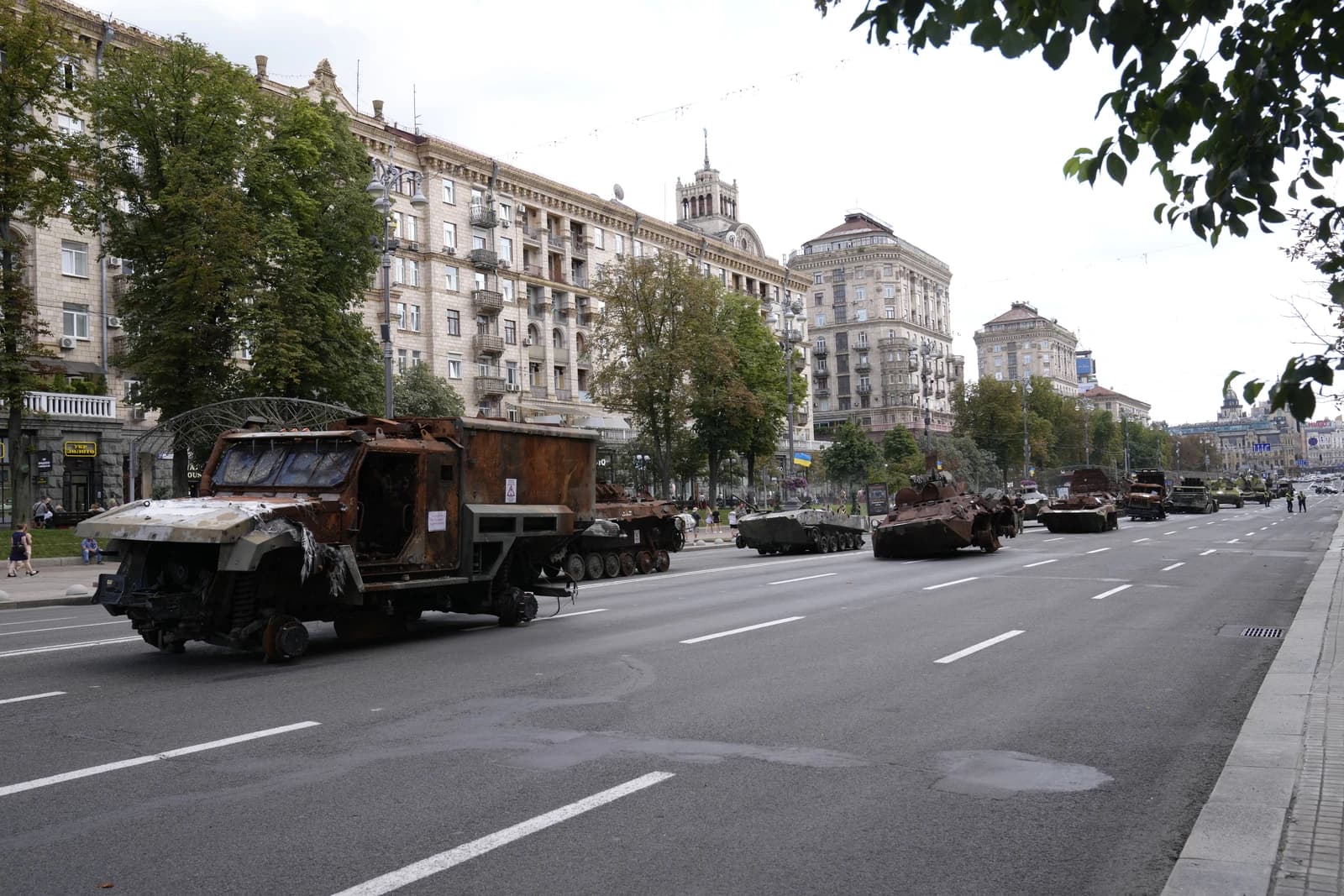
The timing sharpened the signal. Merz arrived as Russia intensified strikes on telecoms, energy and transport infrastructure, highlighting the vulnerability of Ukraine’s domestic economy and the continued burden on European governments to help keep it functioning through winter. The aid for generators, substations and repairs shows that battlefield support and civilian infrastructure support are now intertwined, with each new attack increasing the bill for allies.
Germany’s broader posture has been evolving away from caution and toward industrial-scale deterrence. By moving beyond cash support to production cooperation and drone defense, Berlin is positioning itself as a long-term platform for Ukraine’s military capacity. That matters for bond investors as well as equity holders: sustained aid and defense procurement keep pressure on European budgets, even as they also support industrial activity and manufacturing orders in strategic sectors.
The bull case is that the spending strengthens Europe’s defense base, supports German industry and reduces the odds of a security vacuum on the eastern flank. The bear case is that the conflict’s duration keeps fiscal and geopolitical risk elevated, with no clear endpoint and with more infrastructure damage likely to force further rounds of support. For markets, the key takeaway is that Germany is pricing in persistence, not resolution.
| Entity | Gains | Losses |
|---|---|---|
| Germany | ▲Defense-industrial orders | ▼Fiscal flexibility |
| Ukraine | ▲Military and energy support | ▼Exposure to Russian strikes |
| European defense contractors | ▲Procurement pipeline | ▼None immediate |
| Russia | ▲— | ▼Strategic pressure, higher Western support |