Vladimir Putin has restated that neutral status for Ukraine remains one of Moscow’s core objectives, signaling that Russia is still tying any eventual settlement to a change in Kyiv’s security alignment even as battlefield fighting grinds on.
Putin Repeats Ukraine Neutrality Demand
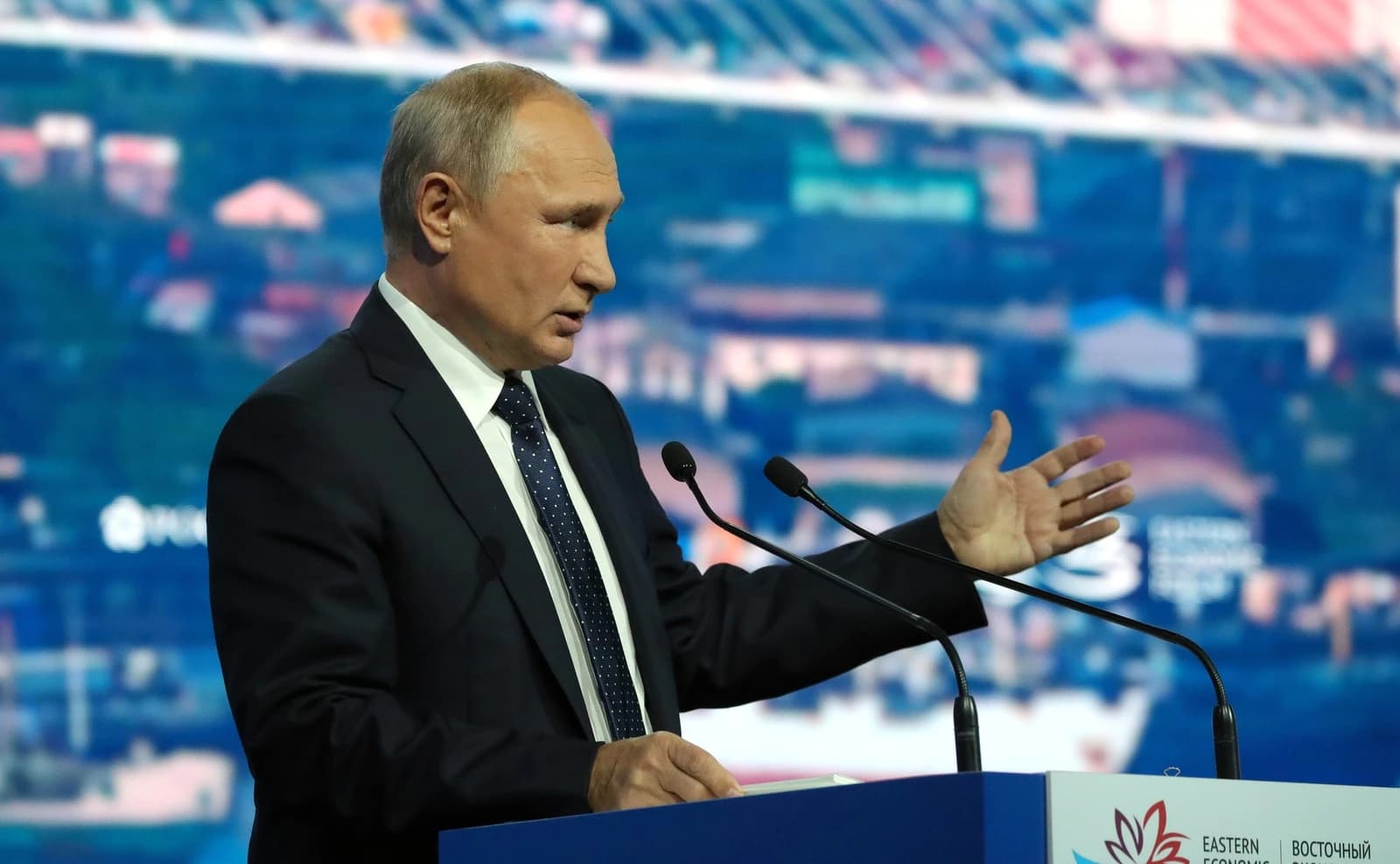
That matters because neutrality is not a side issue for the Kremlin — it is a potential red line in any negotiation and a direct challenge to Ukraine’s post-Soviet strategy of moving closer to NATO and the West. By repeating the demand at the Valdai discussion club, Putin is reinforcing Moscow’s position that a ceasefire or peace deal would require not just territory talks, but a broader political settlement on Ukraine’s sovereignty, military alignment and future guarantees.
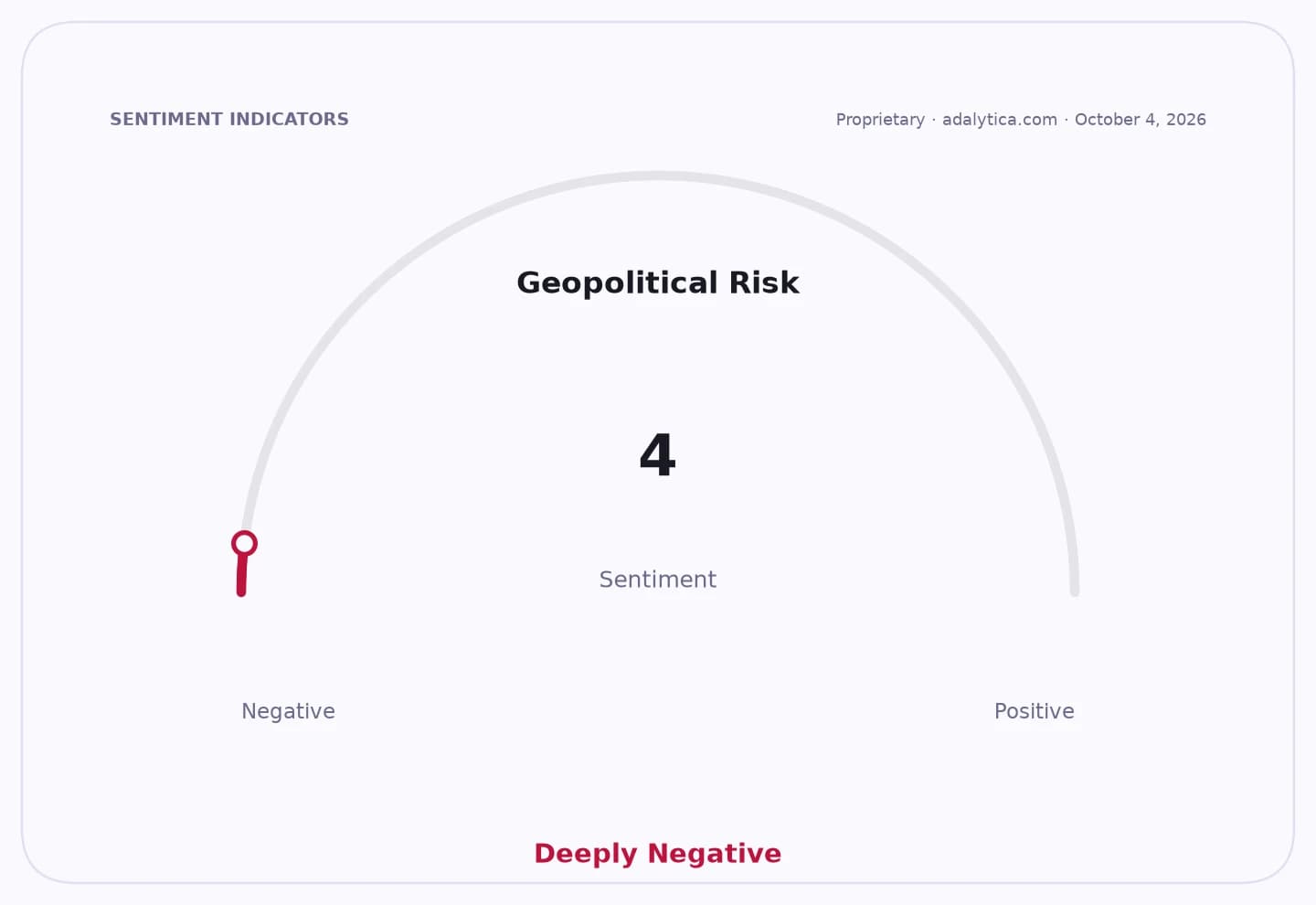
Sentiment IndicatorsⓘProprietary · adalytica.com · October 2, 2026
This is a snapshot — live sentiment, awareness and momentum for 130+ markets update continuously in the dashboard.Open AlphaPulse
For investors and markets, the message is less about immediate asset pricing than about the durability of geopolitical risk. A war framed as unresolved on Russia’s terms keeps sanctions, defense spending, energy security concerns and Europe’s broader risk premium in play. Any prospect of reduced hostilities would normally ease pressure on European assets, but Putin’s comments suggest negotiations remain constrained by demands that Kyiv and its backers are unlikely to accept in full.
Putin also said Moscow sees no readiness from the Ukrainian side to halt fighting and argued that security guarantees would be needed not only for Ukraine but for Russia. He said Russia is advancing in Donetsk and claimed it took 1,301 square kilometers in September, underscoring that the Kremlin is still trying to shape the diplomatic backdrop through military momentum as well as rhetoric.
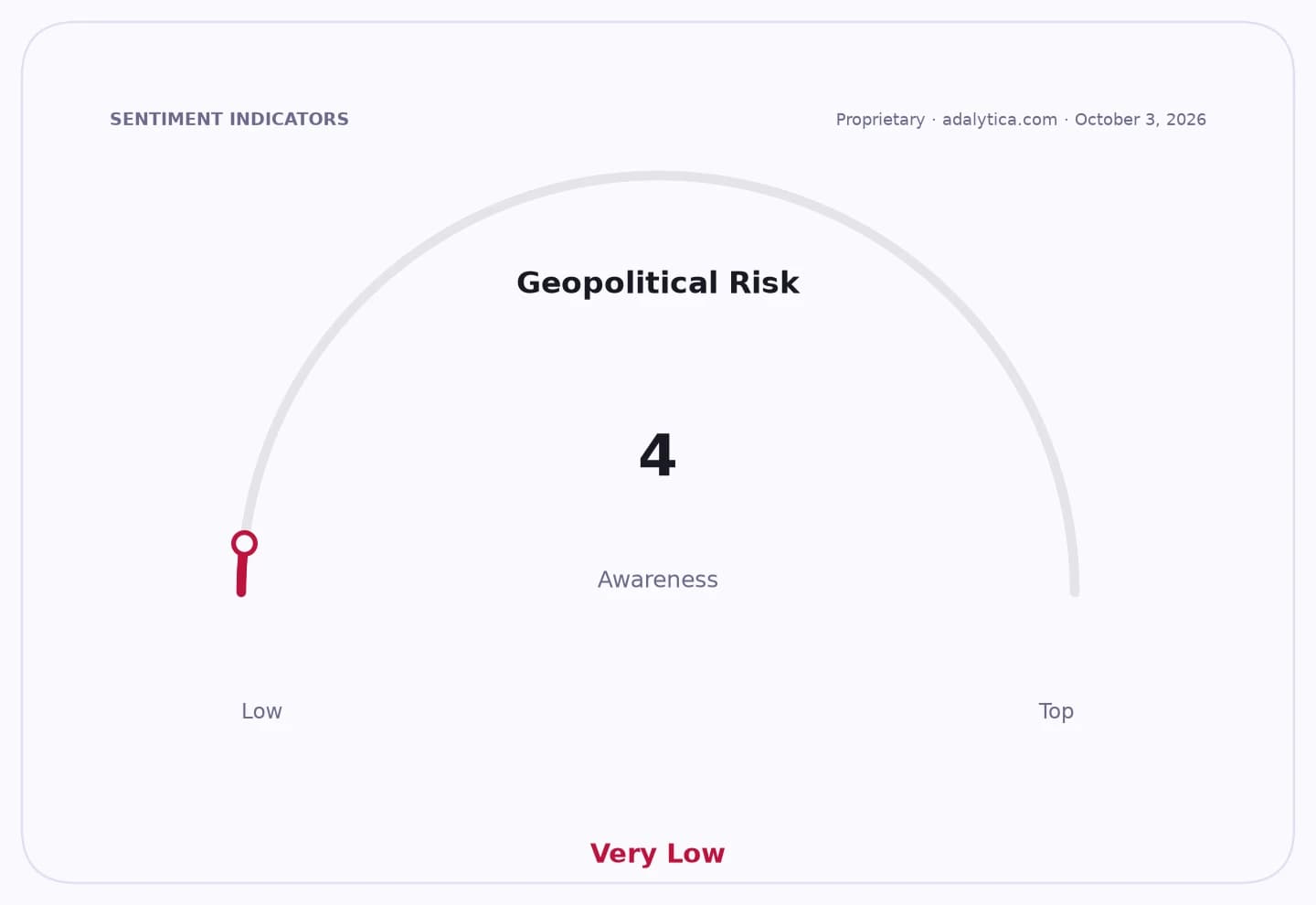
Geopolitical Risk — 30-day sentimentadalytica.com
Explore this data interactively — full history, time series and cross-market comparisons.Open AlphaPulse
The broader narrative is that Moscow is signaling it wants a long-term political outcome, not a temporary ceasefire. Putin said the issue is “not a piece of territory” but “the people,” and urged decisions based on “realities on the ground,” language that suggests Russia intends to keep pressing for terms that reflect gains from the war. He also repeated that Russia is not pursuing conquest, a claim at odds with Kyiv’s view and Western assessments of the invasion.
That keeps the path to talks narrow. Even if there is room for tactical bargaining on humanitarian issues, language rights or localized arrangements, Putin’s insistence on neutrality means any meaningful deal would have to reconcile Russia’s demands with Ukraine’s sovereignty and Western security architecture. Until that happens, the conflict is likely to remain a source of elevated geopolitical uncertainty for Europe, defense contractors, energy markets and risk-sensitive assets.
| Entity | Gains | Losses |
|---|---|---|
| Russia | ▲Leverage in talks | ▼Diplomatic flexibility |
| Ukraine | ▲Little immediate gain | ▼Sovereignty autonomy |
| Europe/NATO | ▲Strategic clarity | ▼Lower security risk |
| Defense sector | ▲Sustained demand | ▼Peace dividend hopes |