Germany is signaling that easing sanctions on Russia could become part of a negotiated endgame for the war in Ukraine, but only if Moscow enters talks and makes concessions, a shift that could reshape the economic incentives around any peace deal.
Germany Links Russia Sanctions Relief to Peace Talks
Chancellor Friedrich Merz said territorial questions should be negotiated from the current front line and that Ukraine must retain the right to integrate with Western structures and receive credible security guarantees after a ceasefire. He also said sanctions on Russia could be lifted gradually depending on compliance, framing relief not as a diplomatic gift but as leverage in a broader settlement.
Sentiment Indicators
The remarks matter because sanctions remain one of the West’s most important economic tools against the Kremlin. A phased rollback would affect Russian energy exports, trade finance, shipping and cross-border payments, while also altering the outlook for European industries exposed to commodity prices and supply chains. For markets, any credible path to relief tends to hit oil and gas risk premia first, even if implementation remains distant and contingent.
Merz’s comments also underline that Europe wants a seat at the table rather than being handed a fait accompli by Washington and Moscow. He rejected a “Yalta format” settlement that would leave Europeans out of talks, and praised U.S. efforts to engage Russia while insisting Berlin, Kyiv, Washington and European capitals all be involved. That stance reflects a broader effort to prevent a security arrangement that is seen in Europe as unstable or unenforceable.
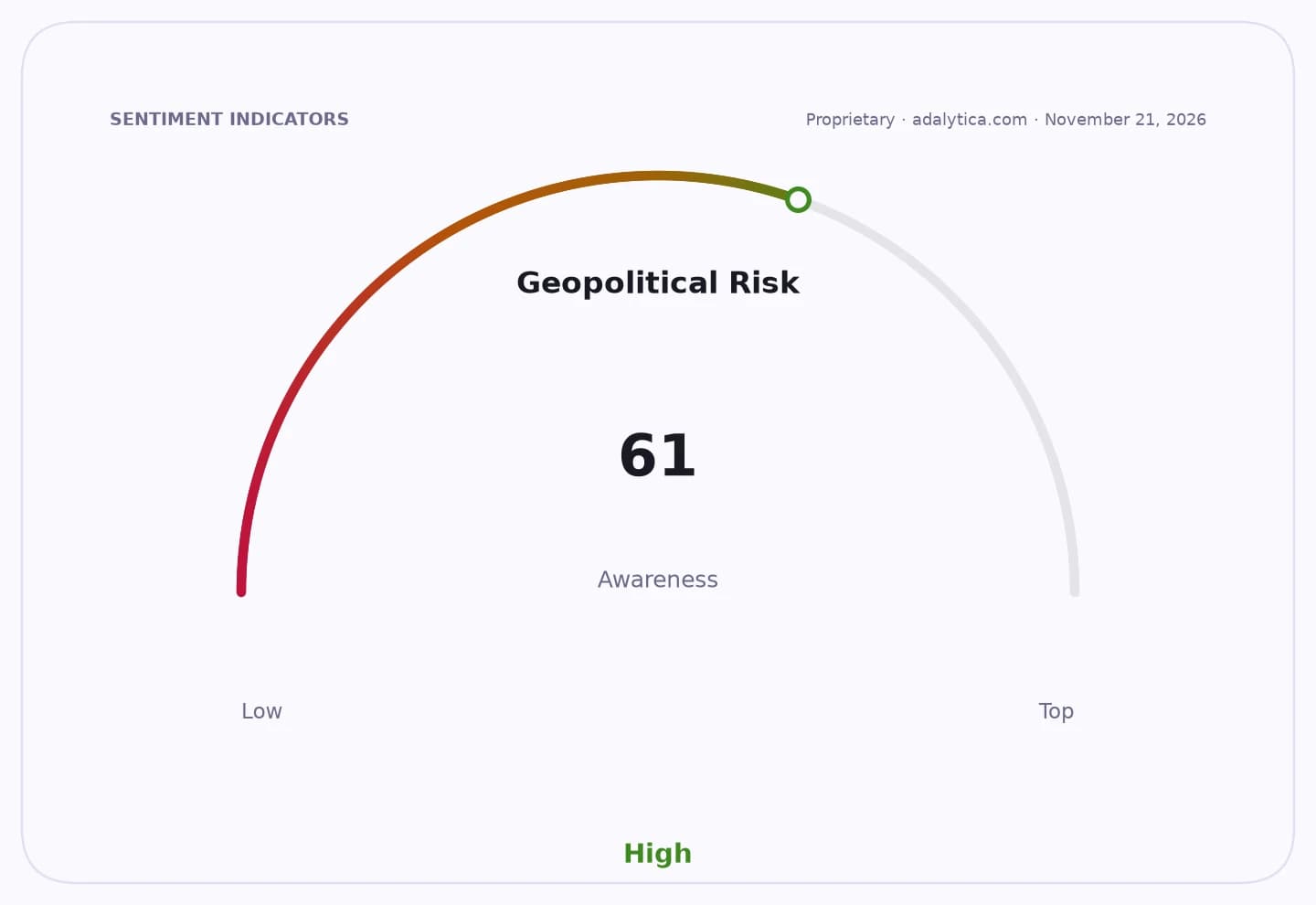
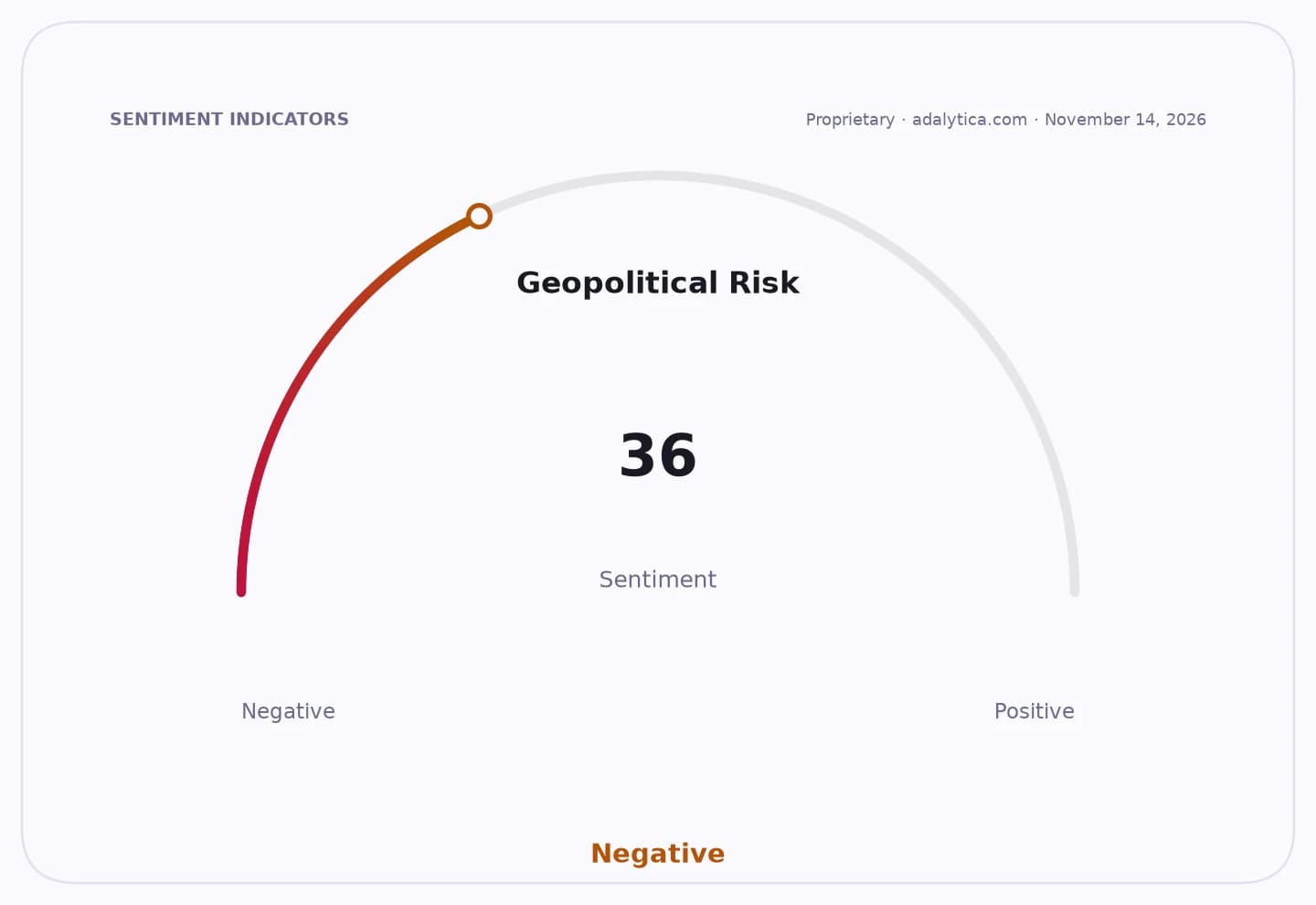
For investors, the immediate effect is less about an imminent policy change than about the growing possibility that sanctions become part of the pricing of a ceasefire. Energy traders will watch for any sign that Russian barrels could eventually re-enter Western channels more freely, while shipping, industrial metals and defense-linked names remain exposed to how hard or soft any settlement turns out to be. The Ukrainian war has already kept geopolitical risk elevated across commodities and credit, and the latest comments suggest that risk could eventually unwind — but only if negotiations produce verifiable concessions.
That leaves the market in a familiar position: relief could be significant if a deal advances, but the sequencing matters. A ceasefire without enforceable guarantees would be vulnerable, while a credible peace track with phased sanctions relief would likely be positive for European growth, negative for some commodity prices and mixed for defense and logistics assets. Until then, sanctions remain both a bargaining chip and a warning that the war’s economic costs are still being negotiated.
| Entity | Gains | Losses |
|---|---|---|
| Russia | ▲Possible sanctions relief | ▼Continued economic pressure |
| Ukraine | ▲Security guarantees in a deal | ▼Land-for-peace concessions |
| Europe | ▲Seat in peace talks | ▼Higher near-term security burden |
| Oil and gas importers | ▲Lower risk premia | ▼Less leverage over Russia |