Russia is waiting for Europe to answer Vladimir Putin’s invitation to send representatives to Moscow, a small diplomatic move that could shape the next stage of negotiations over Ukraine and the continent’s security order.
Russia invites Europe to Moscow for Ukraine talks
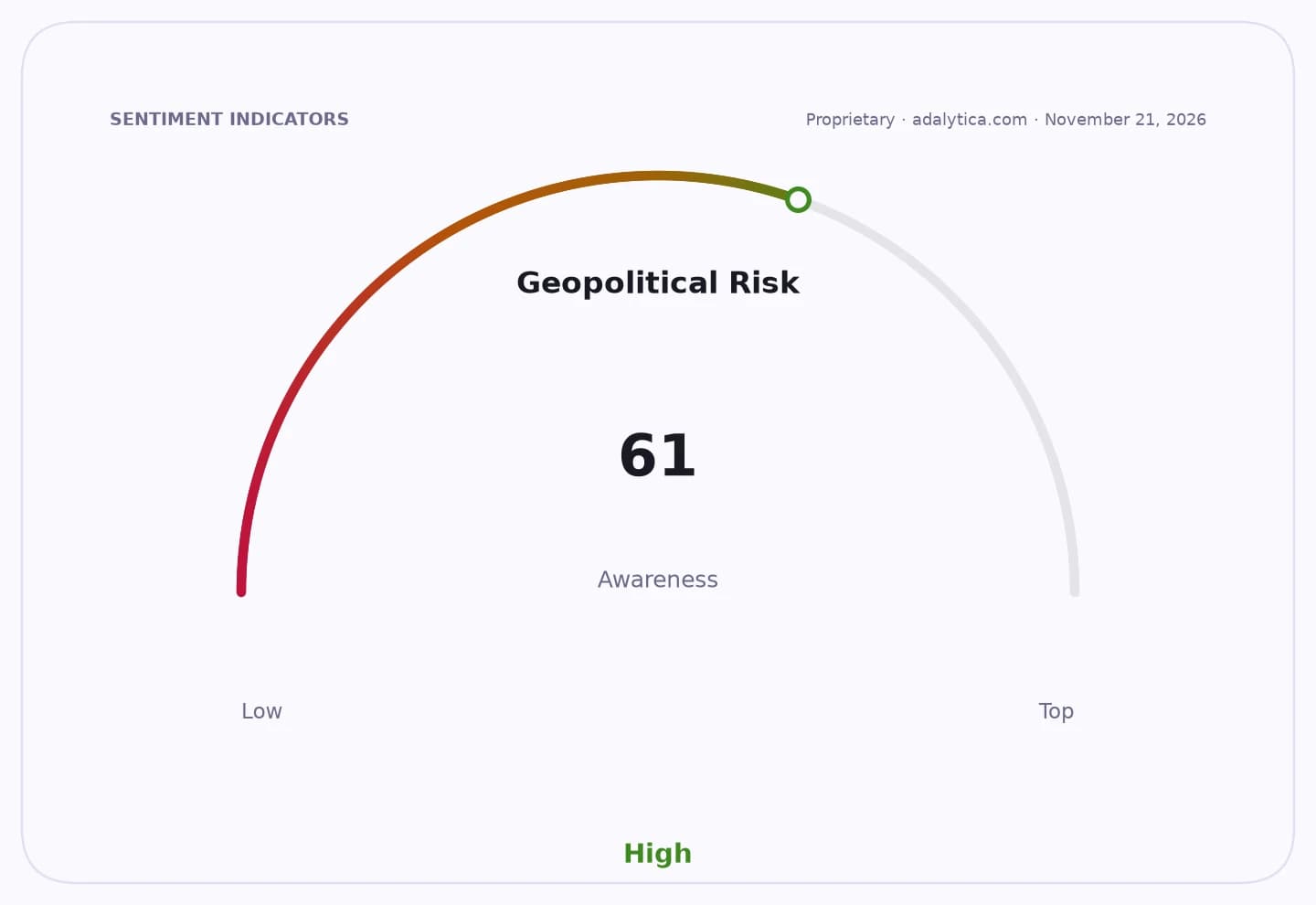
For investors, the significance is not the venue itself but the possibility that Moscow is trying to widen the talks beyond a narrow Russia-Ukraine framework and pull Europe into a discussion about postwar security guarantees. That matters because any shift in the diplomatic track can change the market’s view on sanctions, energy flows, defense spending and the broader risk premium tied to the war.
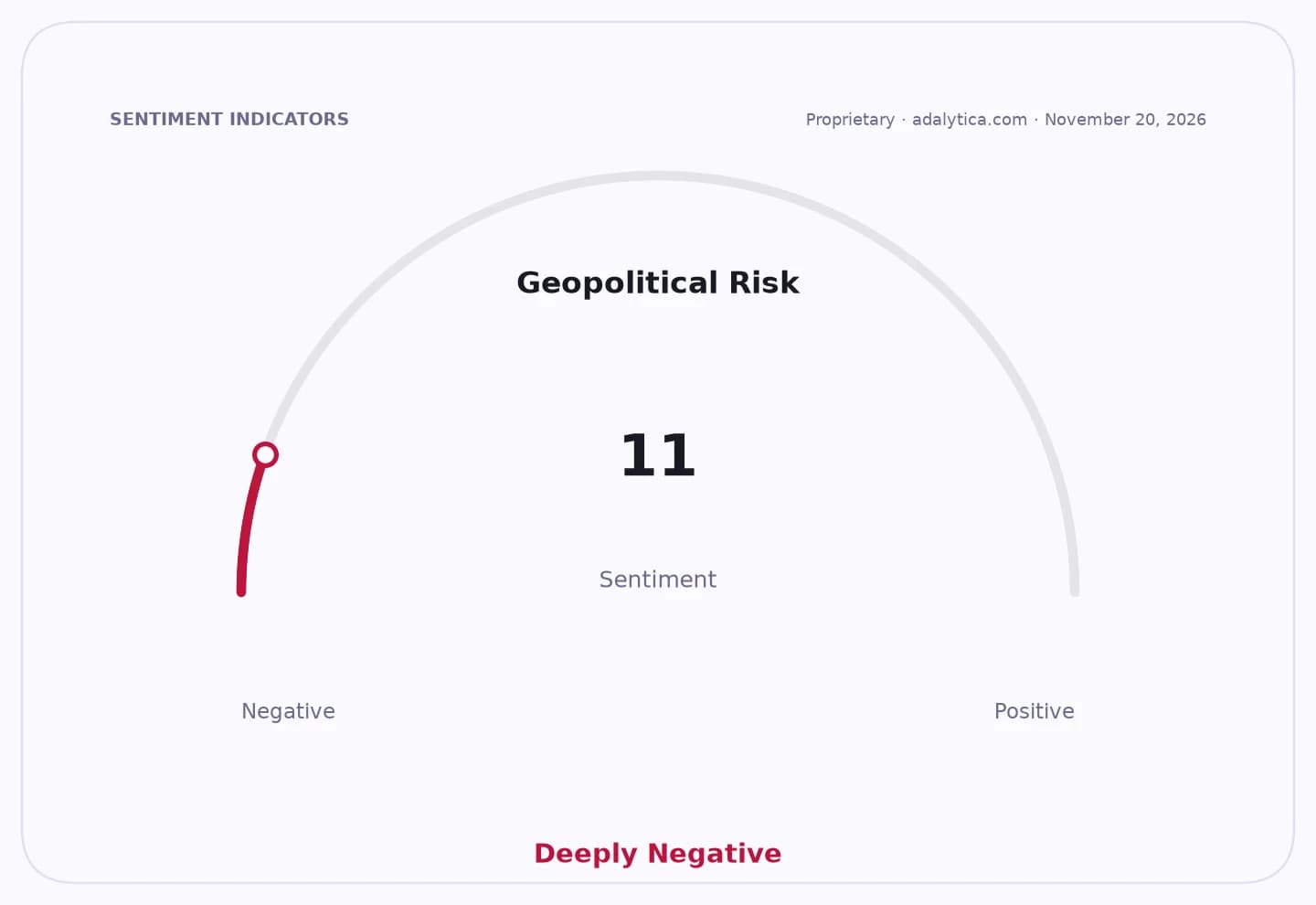
Sentiment Indicators
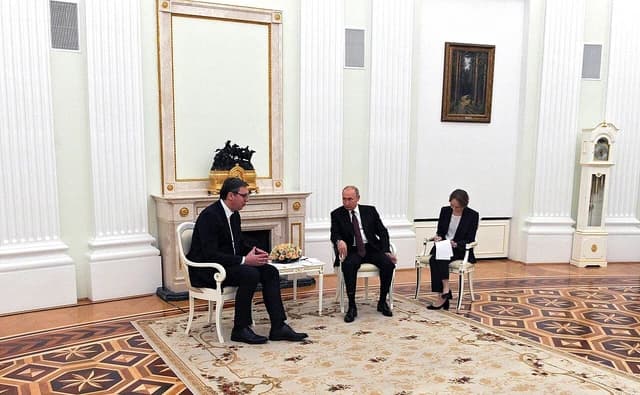
Deputy Foreign Minister Sergei Ryabkov said Russia had sent the invitation through diplomatic channels and was now waiting for a response from European capitals. Putin made the offer a day earlier in Shenzhen, saying European partners could come to Moscow to present their views on a possible settlement. He also floated discussion of Ukraine’s security guarantees and the European Union’s role in any trilateral format.
The message is classic Kremlin diplomacy: keep the process moving, but on Russia’s terms. Moscow is signaling that it wants Europe to engage directly, even as it continues to frame the war in Ukraine as part of a wider security architecture problem. That makes the talks more than a bilateral ceasefire exercise. It turns them into a test of whether Europe is willing to sit in a room where Russia can try to shape the postwar narrative.
Markets have learned to treat this conflict in terms of second-order effects. A credible path toward talks tends to ease fears around energy disruption and trade chokepoints, while failed diplomacy keeps pressure on defense budgets and supports safe-haven demand. The euro has been broadly steady, with the currency near $1.16 against the dollar, but any durable progress in negotiations would likely be more relevant over time for Europe’s growth outlook than for one day’s FX move.
That is why the latest invitation matters even without a commitment from European representatives yet. If Europe engages, the discussion could shift from battlefield headlines to the longer game of security guarantees, sanctions and reconstruction. If it refuses, the diplomatic opening closes quickly and the market is left with the same uncomfortable reality: no breakthrough, just another round of signaling.
For long-term investors, the bigger lesson is that geopolitics is not a trade to chase but a risk to price correctly. Defense, energy, industrials and European assets will all respond differently depending on whether talks produce real concessions or simply buy time. Until then, this remains a watchlist story — important because the cost of war is still being negotiated.
| Entity | Gains | Losses |
|---|---|---|
| Russia | ▲Diplomatic leverage | ▼Isolation if talks fail |
| Europe | ▲Seat in peace process | ▼Pressure to engage on Moscow’s terms |
| Ukraine | ▲Chance of security talks | ▼Risk of being sidelined |
| Defense stocks | ▲Continued spending support | ▼Easier peace expectations |