US Treasury Secretary Scott Bessent’s signal that no further restrictions are needed on Nvidia chip exports to China is the most important near-term policy development for the AI supply chain because it suggests Washington is choosing selective containment over a broader technology shutdown.
Nvidia China chip exports stay under licensing rules
That matters because the market has spent months pricing in ever-tightening semiconductor controls, yet the administration now appears willing to leave a narrow, licensed channel open for older high-end accelerators such as Nvidia’s H200 and comparable AMD parts. For investors, that is a crucial distinction: it does not restore full access to China, but it reduces the odds of an all-out clampdown that would have erased one of the industry’s last remaining revenue avenues into the world’s second-largest economy.
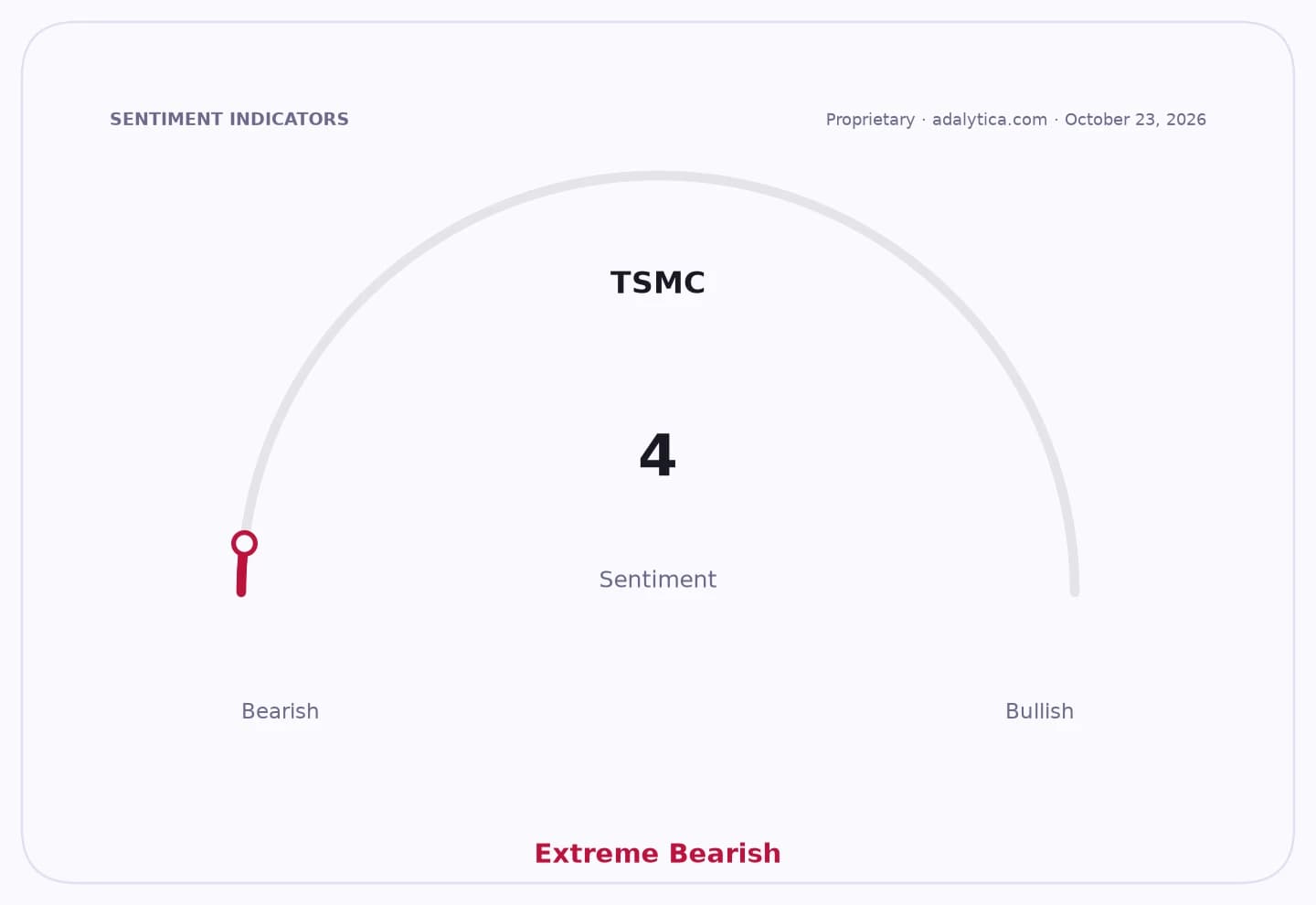
Sentiment Indicators
Bessent said existing restrictions were “appropriate” and that remote access had already been limited, reinforcing the idea that the White House believes current rules are enough to address national-security concerns. The comment came after the House Foreign Affairs Committee disclosed Commerce Department approvals for more than 850,000 Nvidia and AMD chips linked to Chinese customers, including allocations tied to Alibaba, Tencent, Baidu and BYD. The approvals do not necessarily mean completed sales, but they show the licensing process is functioning rather than being shut down entirely.
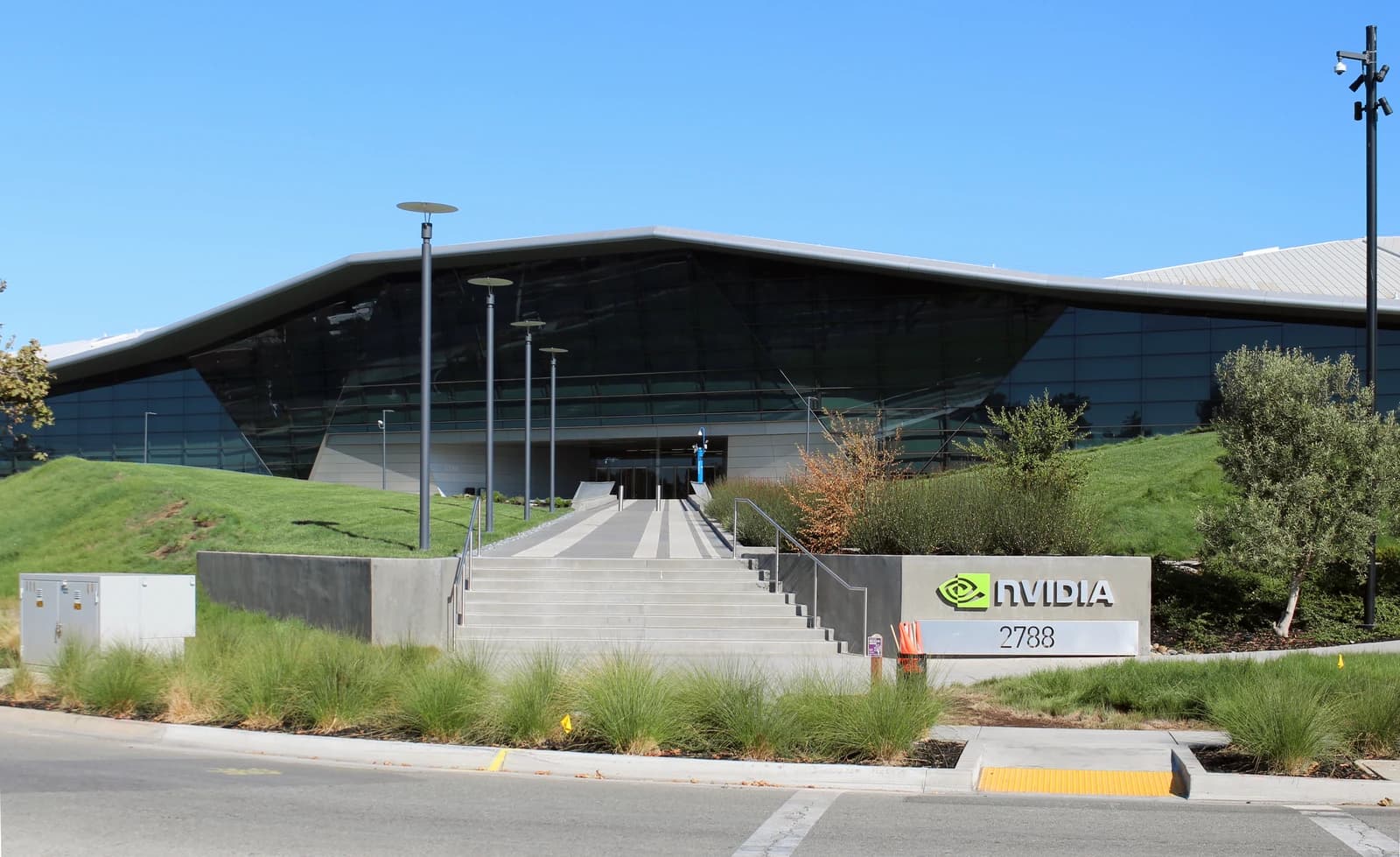
For Nvidia, the stakes are obvious. China is still too large a market to ignore, even under tighter controls, and every licensed shipment helps preserve optionality for a business built on scale. The company said earlier this week it was no longer shipping H200 chips to China, even after prior approvals, which underscores how fragile this corridor remains. Still, a policy framework that allows case-by-case approvals is far better for Nvidia than a blanket ban, and it also supports AMD, which has been trying to keep its MI325X exports within U.S. rules.
The bigger investable point is that the semiconductor trade is now being shaped less by a yes-or-no China question than by who can navigate licensing, compliance and product segmentation fastest. That favors the largest, best-capitalized players with the legal and operational muscle to adapt. It also suggests investors should keep treating AI infrastructure as a secular winner, even if geopolitics creates periodic volatility. The U.S. is not abandoning export controls; it is trying to manage them in a way that slows China without fully severing commercial links.
That is why the market reaction should be read through the lens of policy risk, not just chip volumes. Nvidia’s stock has been punished sharply, with conventional technical indicators showing the shares deeply oversold and well below both the 50-day and 200-day moving averages after a brutal slide. Sector funds such as SOXX and SMH have also been hit hard. If Washington is signaling that the latest rules are sufficient, that could ease one of the largest overhangs on valuations across the chip complex.
The longer-term catalyst is whether this becomes the template for U.S.-China tech decoupling: strict enough to satisfy hawks, flexible enough to preserve leverage and corporate revenue. I believe the market underestimates how much value still sits in that middle ground. The best opportunity now is to own the AI infrastructure leaders most capable of operating inside the rules, while staying selective on names exposed to a full China cutoff. If this licensing regime holds, the next move is not the end of semiconductor restrictions — it is a more profitable, more differentiated market for the winners.
| Entity | Gains | Losses |
|---|---|---|
| Nvidia | ▲Preserved China option value | ▼Ongoing policy overhang |
| AMD | ▲Licensed export channel | ▼Growth capped by controls |
| Chinese tech firms | ▲Access to approved chips | ▼Slower AI buildout |
| U.S. hawks | ▲Current restrictions maintained | ▼No full China freeze |