Huawei’s new desktop computer is less important as a product launch than as evidence that China is still methodically replacing Western technology in one of the most strategically exposed parts of the digital economy.
Huawei HM650 desktop highlights China tech shift
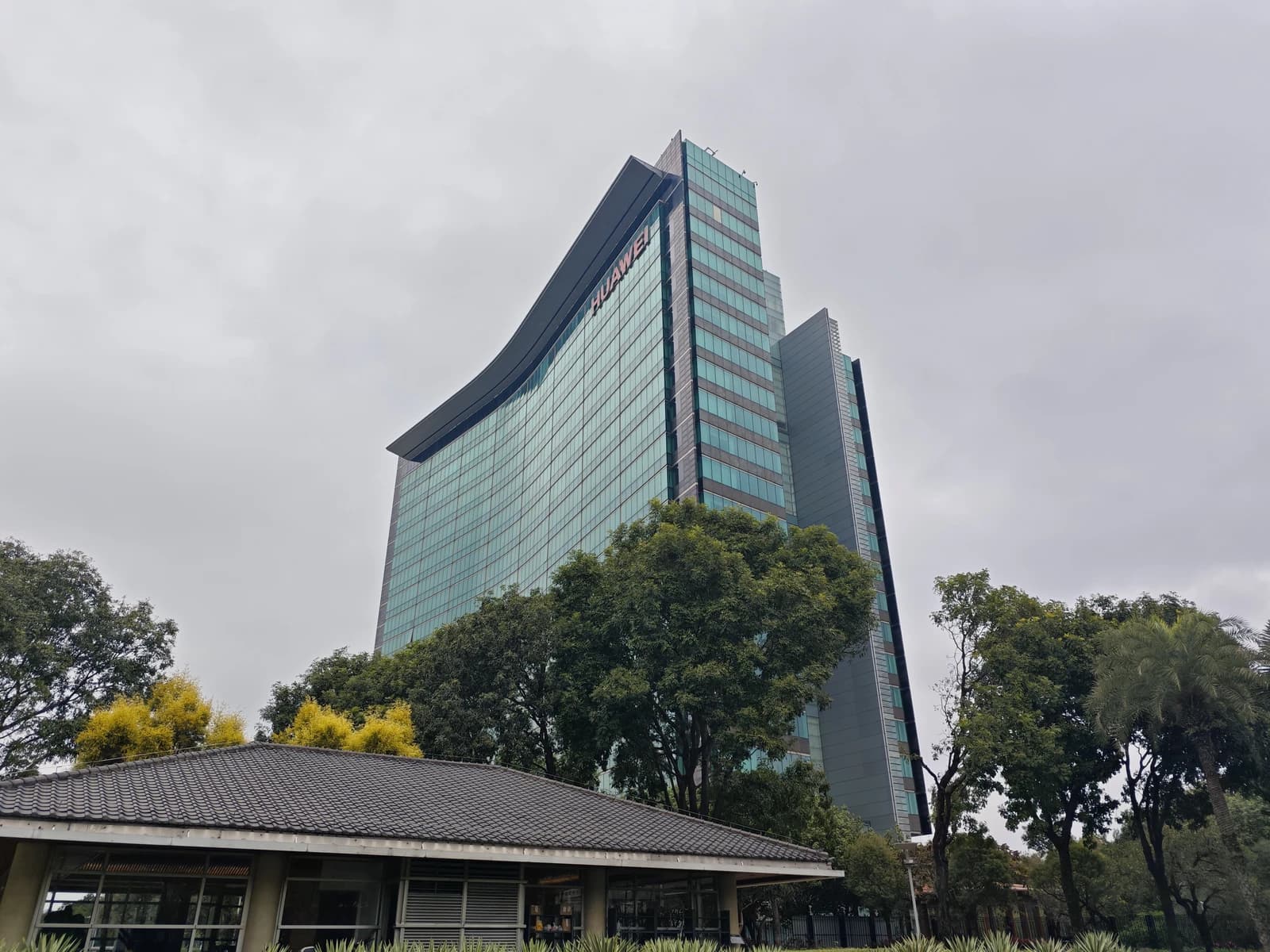
The Qingyun HM650, unveiled at Huawei’s HarmonyOS office industry summit and due on sale in December from about 900 euros, is designed around the company’s own Kirin X90 processor, HarmonyOS Enterprise Edition and what Huawei says is a fully domestic component base. If that certification holds up, it marks a significant milestone for Beijing’s long-running push to reduce dependence on U.S. chips, Western operating systems and foreign software stacks.
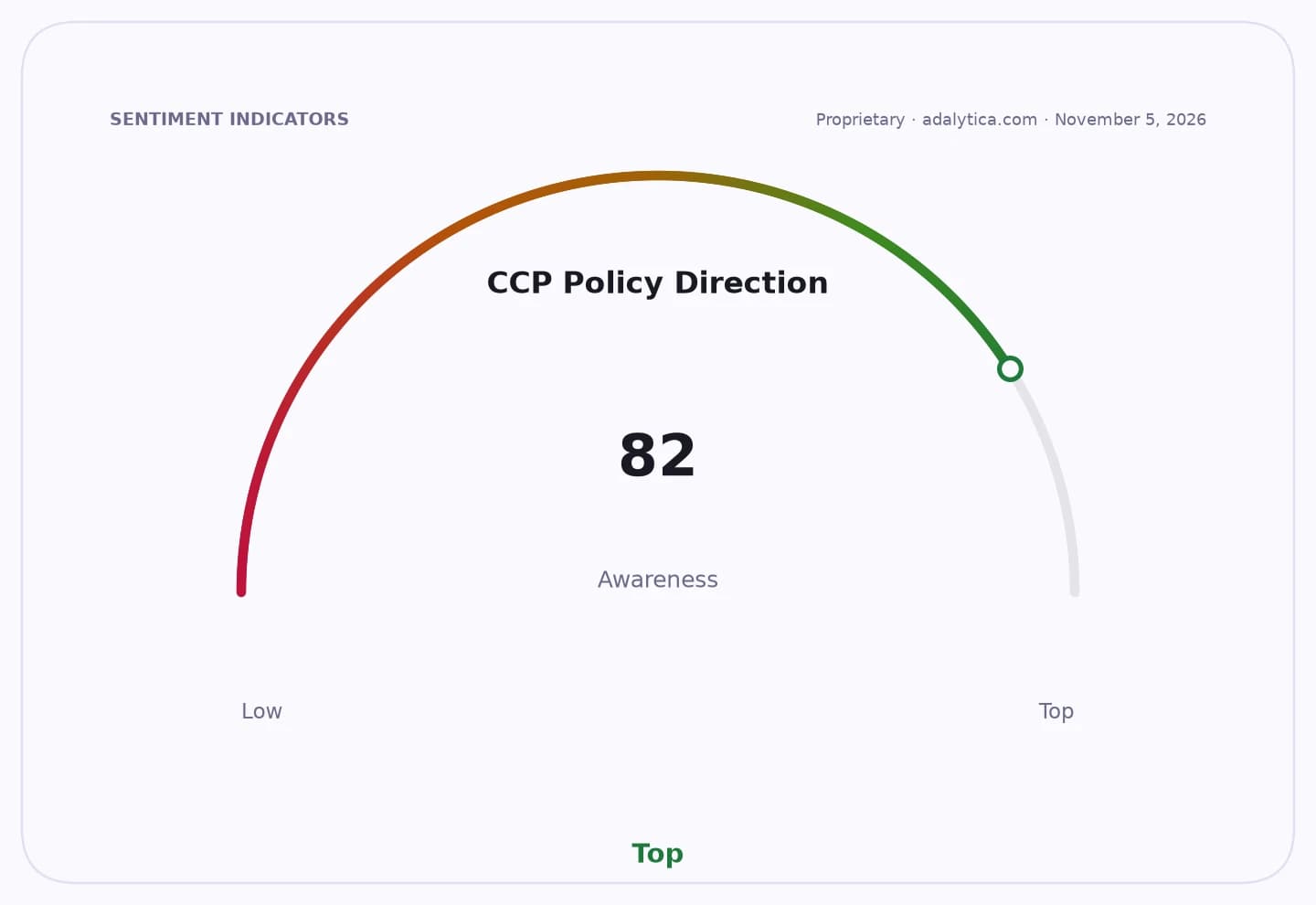
Sentiment Indicators
Economically, the message is that China is not only trying to assemble hardware at scale, but to own more of the value chain behind it. That matters because the main constraint on Chinese technology groups has shifted from manufacturing capacity to control over advanced intellectual property, software ecosystems and semiconductor architecture. The desktop market is a useful test case: it is a mature category where Western platforms, especially Microsoft Windows and Intel- or AMD-based architectures, have long dominated enterprise purchasing decisions. If Huawei can build a credible domestic alternative there, it strengthens China’s case that self-sufficiency is no longer limited to phones, networking gear and consumer gadgets.
The HM650 also shows how export controls have altered corporate strategy. Since Washington restricted Huawei’s access to advanced chips and equipment, the company has been forced to redesign around local suppliers and in-house development. The result is a device that combines a 10-core CPU, graphics and a neural-processing unit aimed at on-device AI tasks, reducing reliance on cloud infrastructure and foreign software services. That architecture matters beyond one PC: it is part of a broader effort to make hardware, operating systems and AI applications work as a single Chinese ecosystem.
For investors, the implications are mixed. The bull case is that Huawei’s progress helps create a protected domestic market for Chinese semiconductor designers, component makers and enterprise software vendors, while making the company less vulnerable to future sanctions. The bear case is that domestic substitution does not automatically mean global competitiveness. Huawei still needs independent benchmarking to prove the Kirin X90 can match leading chips, and HarmonyOS still faces the much harder task of attracting developers, building application support and ensuring compatibility with enterprise workflows. A closed ecosystem can scale quickly inside China if policy support is strong, but it can also remain insulated from global demand.
The wider market relevance extends to Nvidia, TSMC and other companies exposed to China’s technology stack. Huawei’s progress reinforces the risk that Beijing will continue to push local alternatives in semiconductors and systems software, shrinking the addressable market for foreign suppliers even if China remains dependent on outside technology in the highest-end segments. TSMC’s share price has already reflected renewed pressure, while Nvidia remains exposed to the possibility that tighter U.S.-China controls will keep eroding its China opportunity. Technical indicators also show both names under pressure, with Nvidia trading well below its 50-day and 200-day moving averages and TSMC slipping under its 50-day average, a reminder that investors are still repricing China exposure against policy risk.
The strategic narrative is straightforward: Huawei is trying to turn sanctions into an industrial architecture. China has already done this in batteries, solar and drones; the company is now attempting the same in PCs, where the software and chip dependency has been deeper and the geopolitical stakes higher. The HM650 does not prove China has reached technological independence. It does show that the country’s industrial policy is moving from imitation to ecosystem building, and that process is now far enough along to matter for competition, margins and market share across the global tech supply chain.
| Entity | Gains | Losses |
|---|---|---|
| Huawei | ▲Domestic ecosystem control | ▼Western component dependence |
| China’s chip/software suppliers | ▲Local demand growth | ▼Foreign platform reliance |
| Nvidia | ▲None from China substitution | ▼China market share pressure |
| TSMC | ▲Limited near-term benefit from retooling demand | ▼Long-term China exposure risk |