European companies are finding that China’s biggest appeal is no longer just scale — it is the chance to sell into a faster-upgrading economy, plug into a powerful supply chain and co-develop products that can travel globally.
European firms use China as a product lab
That shift matters because it goes to the heart of how multinationals make money in the world’s second-largest economy. As China’s consumer base gets more demanding and its industrial base more sophisticated, the opportunity set for European exporters, equipment makers and healthcare suppliers broadens well beyond simple volume growth. For investors, that makes China less of a one-way trade story and more of a long-term innovation market where companies with the right technology can build durable revenue streams.
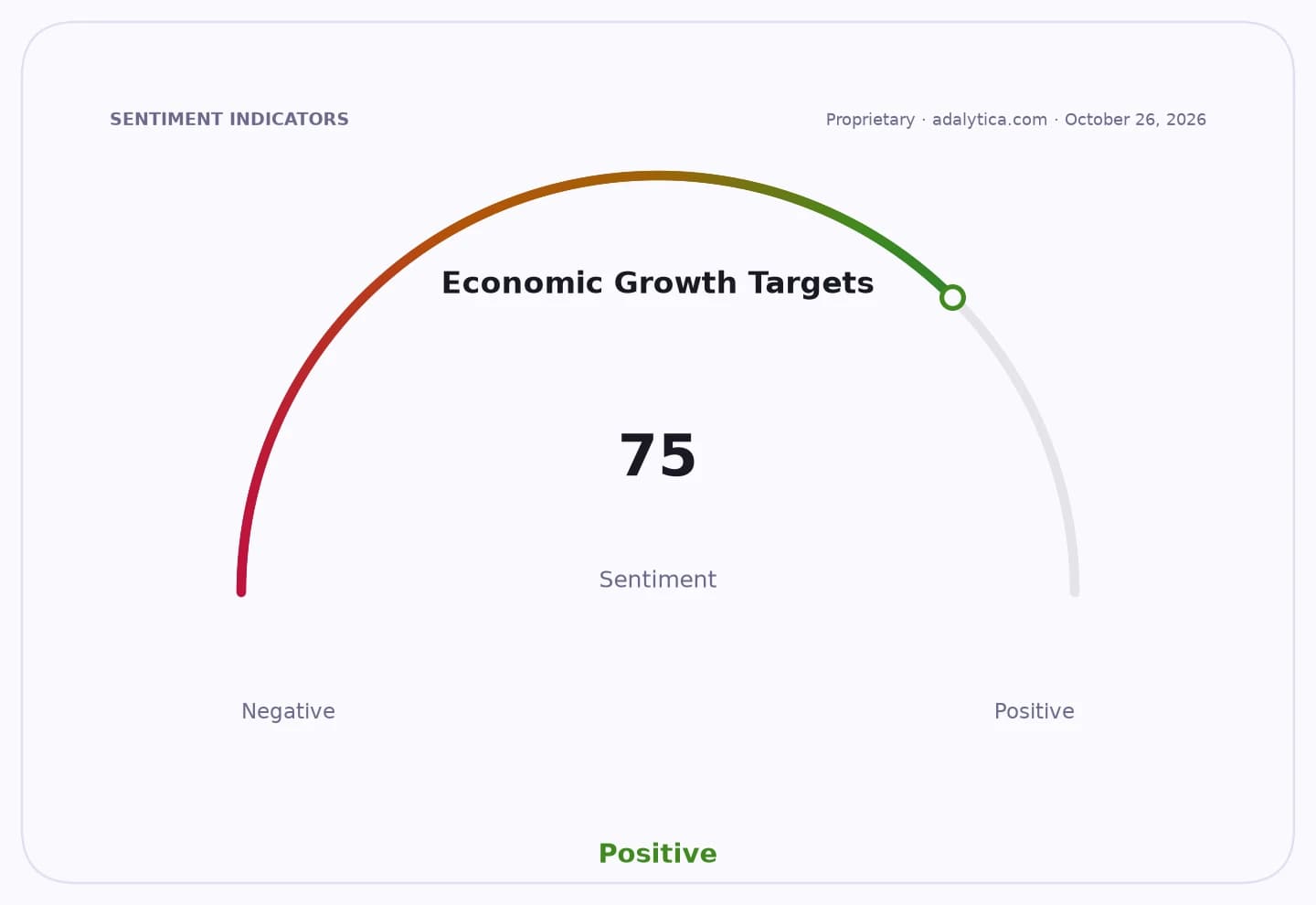
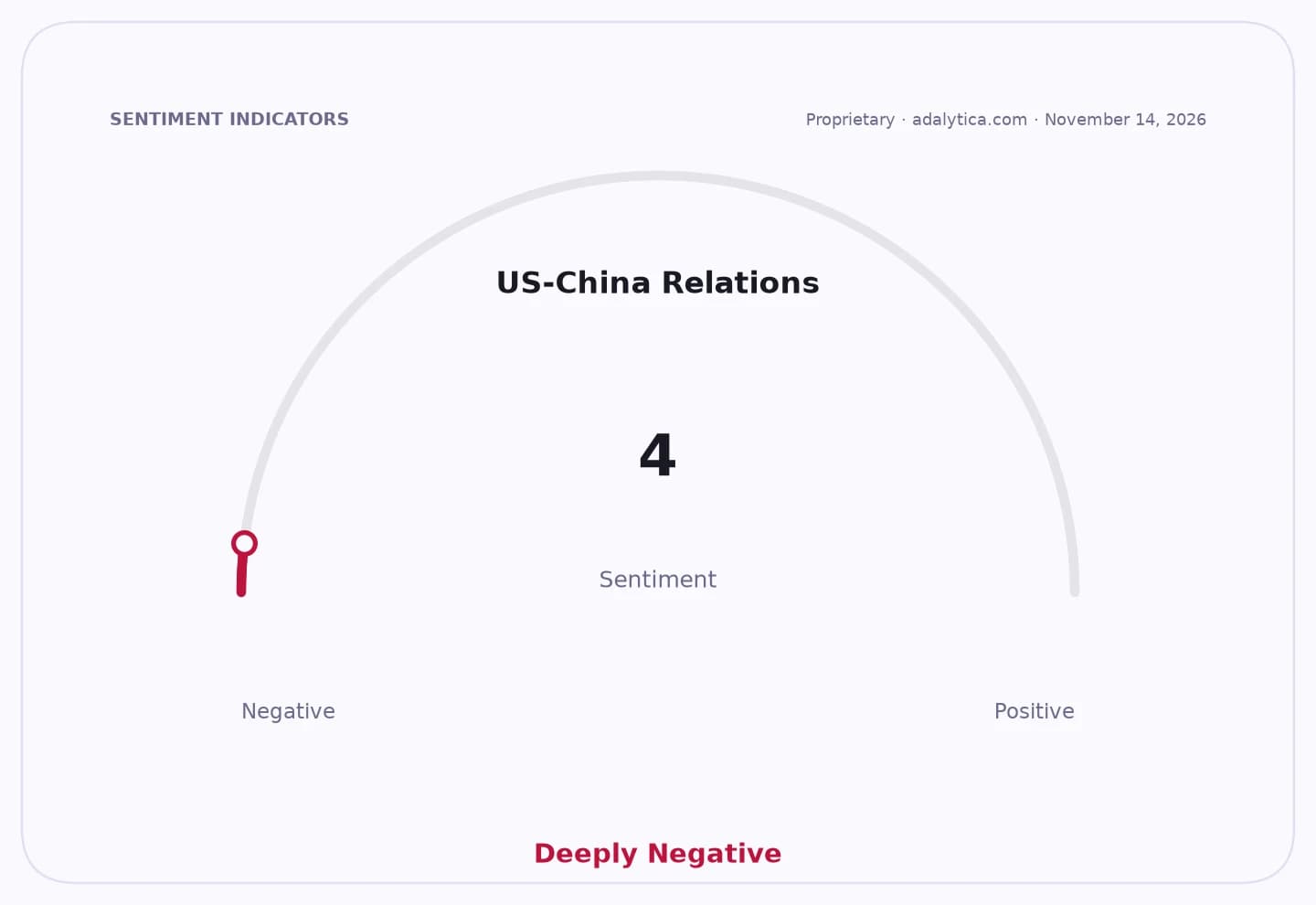
Sentiment Indicators
The clearest example came from Austrian machine-tool maker WFL, which hauled a 20-tonne turn-mill machine to the China International Import Expo in Shanghai and found a buyer within three days. That is a useful reminder that China’s industrial upgrading is not abstract. Private manufacturers, not just state-owned firms and foreign-invested groups, are increasingly buying high-end machinery as they move up the value chain. For suppliers of precision equipment, aerospace components and shipbuilding tools, that is a much richer market than a decade ago.
The same pattern is playing out in materials and consumer goods. AMORNEX, the joint venture between ArcelorMittal and China Oriental Group, said China’s EV boom is lifting demand for advanced materials used in high-performance electric motors. Kärcher, meanwhile, built a compact pressure washer for bicycles, cars and camping gear aimed at Chinese lifestyles — then rolled it out globally after seeing the response. In other words, China is no longer just a sales destination; it is increasingly a product lab.
That is why the CIIE matters to investors watching European industrials, healthcare names and specialty manufacturers. Philips called China its second-largest market and a key supply-chain hub and innovation engine. Schneider Electric said work with Chinese partners is helping it develop scalable solutions for smarter and greener businesses. Elekta is using China to showcase AI-powered radiotherapy software that can cut treatment times to 10 to 15 minutes, but the company also intends the technology for broader international use. The recurring theme is that China can still drive margins, but it can also drive product development.
For Europe, that interdependence has a strategic dimension. EU policymakers continue to worry about trade imbalances and dependence on Chinese manufacturing, yet the commercial logic remains strong: Europe brings engineering, safety and pharmaceuticals; China brings batteries, electric mobility, scale and fast-moving use cases. That complementarity is exactly why companies keep showing up at the import expo, even as geopolitics gets rougher.
For long-term investors, the message is straightforward. China exposure is no longer only about betting on GDP growth or retail demand. It is about owning companies that can turn China’s industrial modernization and innovation ecosystem into repeatable earnings growth. That does not remove policy risk, but it does argue for selective exposure to firms with real technological edge, strong execution and global reach. In a market built on patience, that is worth watching — and, for diversified investors, worth owning for the long haul.
| Entity | Gains | Losses |
|---|---|---|
| European industrial exporters | ▲Higher China demand | ▼Pricing pressure from rivals |
| Chinese manufacturers | ▲Better equipment and technology | ▼Lower-cost, low-end production models |
| European multinationals | ▲Innovation and supply-chain access | ▼Exposure to policy friction |
| Global competitors without China presence | ▲— | ▼Missed growth opportunity |