China’s economy is growing fast enough to matter for the world, and that is the single most important investment takeaway from the latest data: even under pressure, Beijing is still delivering a scale-driven expansion that supports global trade, stabilizes supply chains and keeps the country central to the next wave of industrial upgrading.
China GDP Growth Supports Industrial Upgrading

Gross domestic product topped 107 trillion yuan, or about $15.9 trillion, in the first three quarters, rising 4.6% from a year earlier. That keeps China among the fastest-growing major economies and, more importantly, shows the economy is holding a reasonable growth band while the rest of the world contends with sluggish recovery, geopolitical conflict and protectionist politics. For investors, that matters because China is not just a demand story anymore — it is a production, innovation and capital-allocation story that ripples through everything from industrial metals to semiconductors, robotics, consumer brands and emerging-market trade routes.
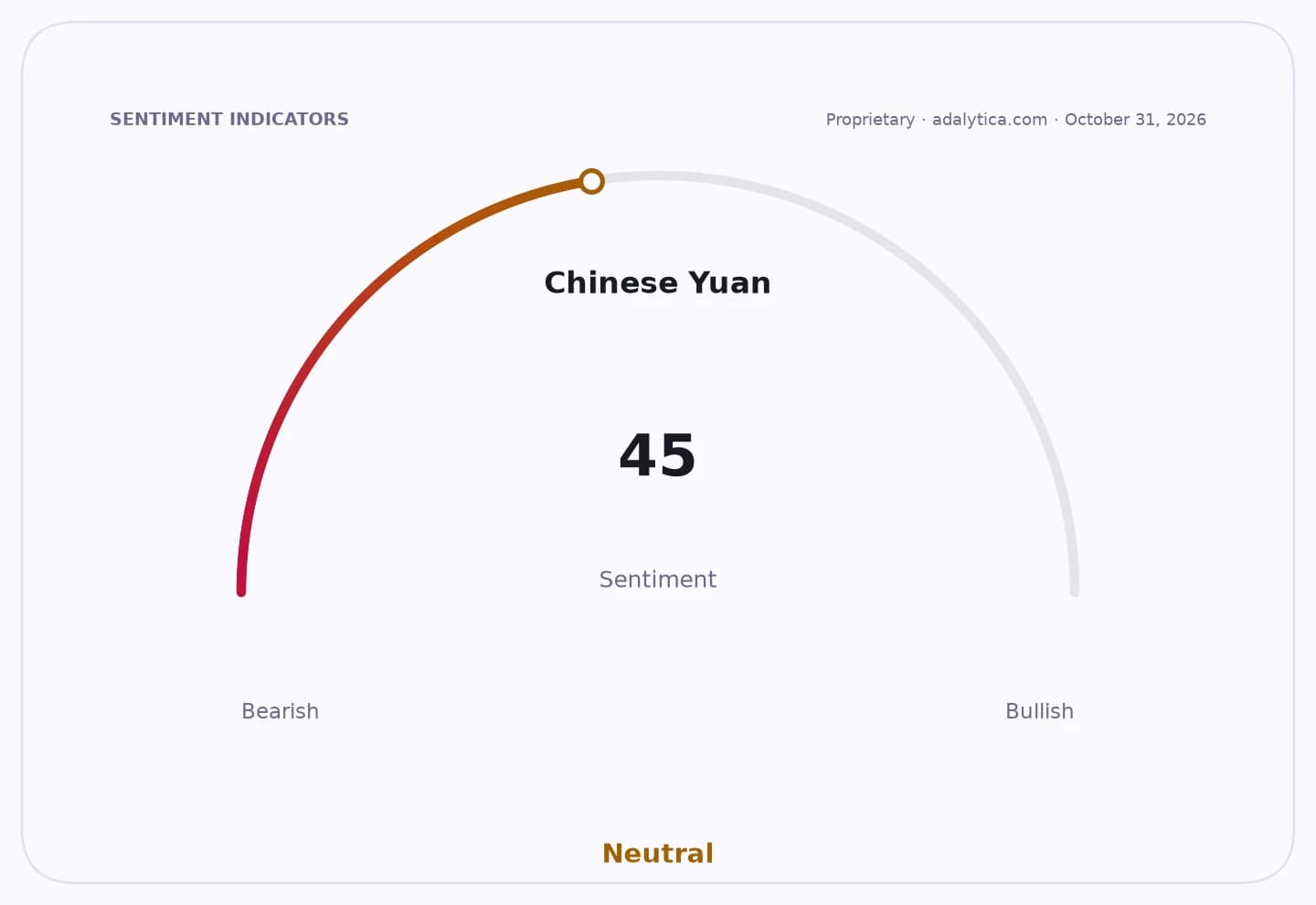
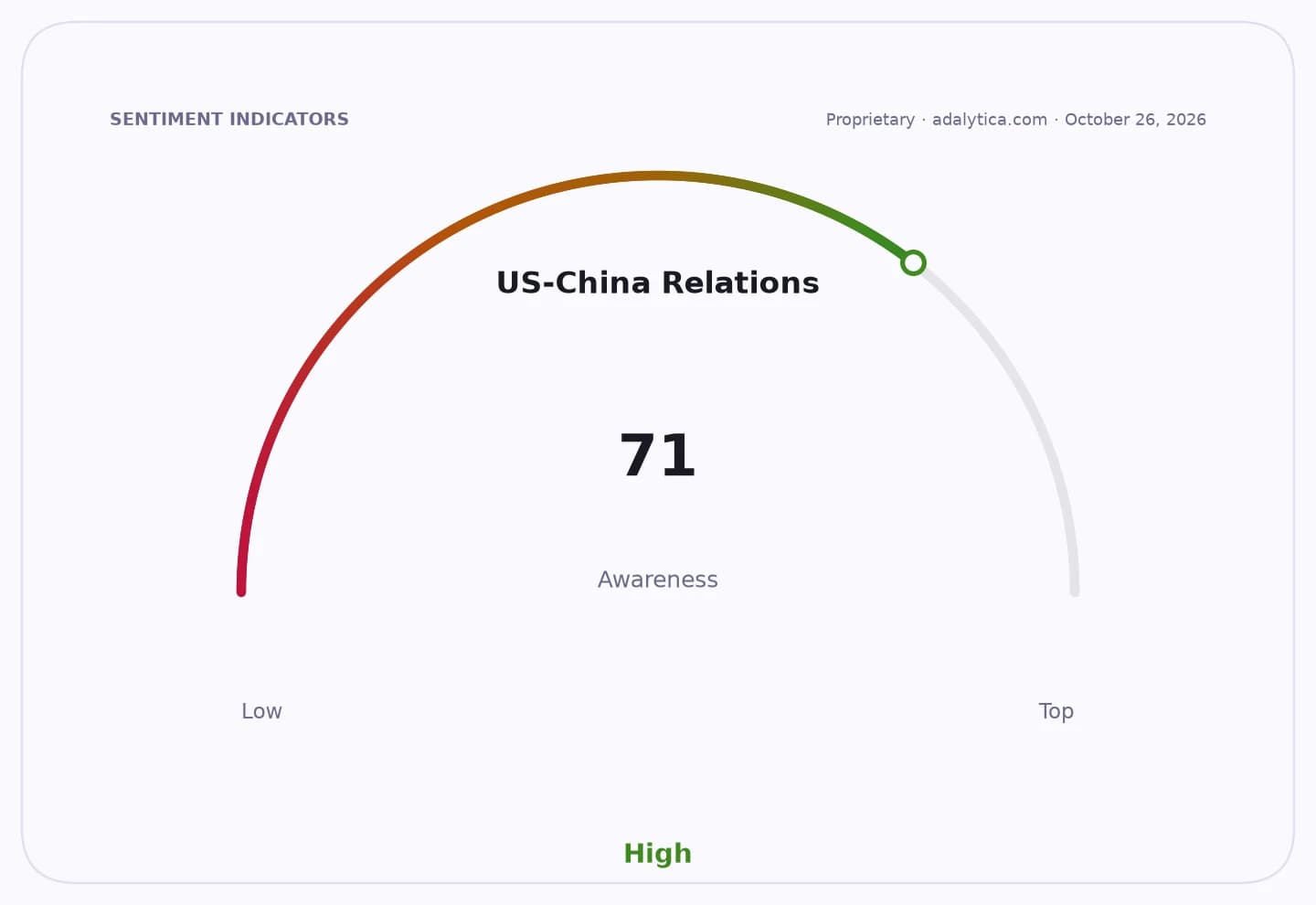
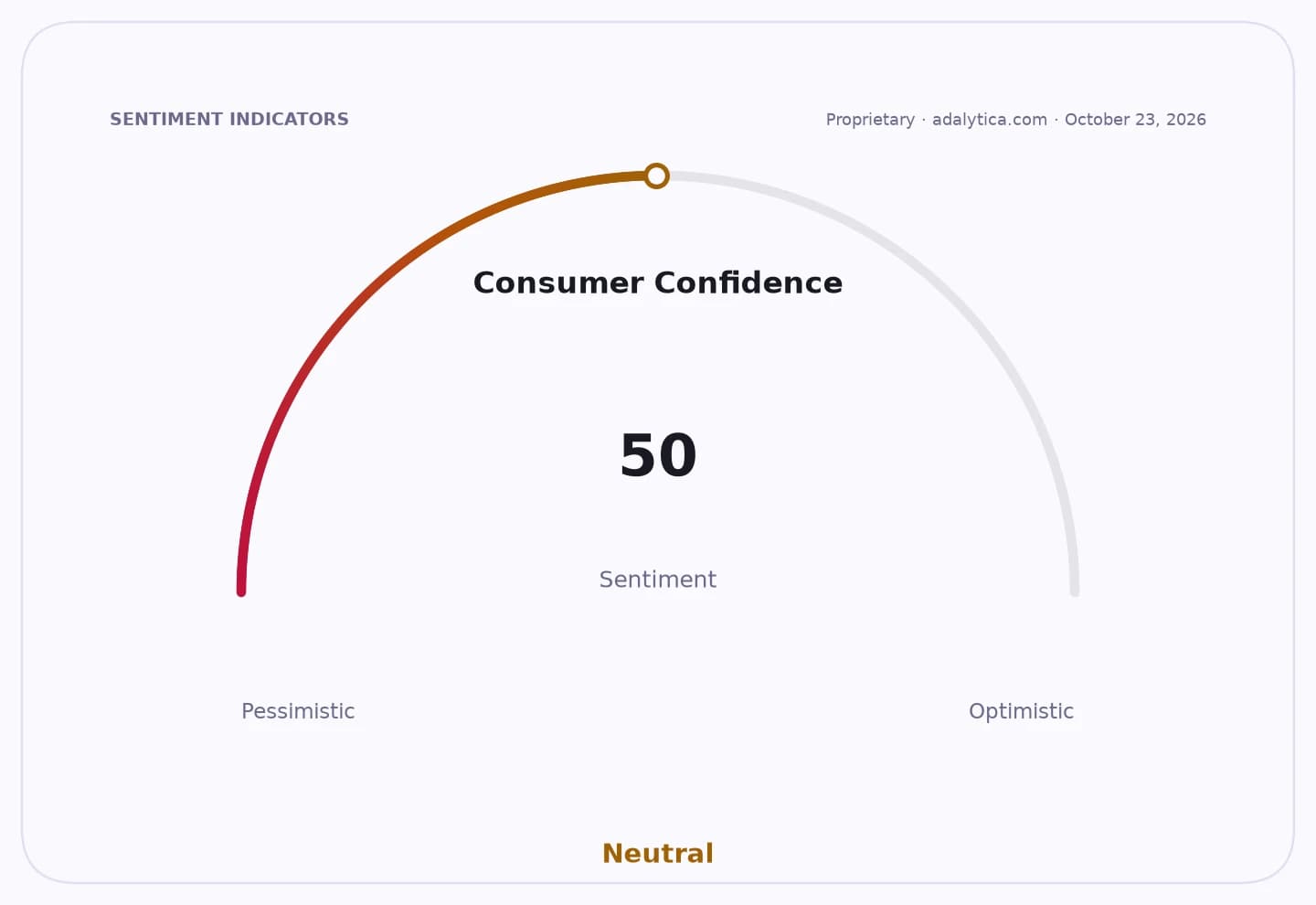
Sentiment Indicators
The composition of growth is what makes this durable. Manufacturing continues to move up the value chain, while emerging industries and new business models contributed more than 40% of growth in the first three quarters. Value added in digital products and high-tech manufacturing rose 13.6% and 14.3%, respectively, underscoring that China’s next leg is being powered by innovation rather than old-style stimulus alone. Artificial intelligence, new materials, industrial robots and electronic components are no longer niche themes; they are becoming the backbone of China’s effort to build a more productive economy and a more resilient export machine.
That has direct market implications. The country’s goods trade approached 40 trillion yuan in the period, up 18.8% year on year, with trade with free-trade partners and Belt and Road markets accelerating. Imports rose faster than exports, which is a crucial signal for investors looking for second-order beneficiaries: a larger Chinese market supports foreign suppliers, commodity producers, logistics networks and multinationals with exposure to Asia. Foreign-invested enterprises also increased exports 17.2%, a reminder that global companies are not retreating from China so much as adapting to a more complex, more competitive operating environment.
The recent strength in industrial profits, driven by exports and innovation, fits that picture. A stronger production base and better high-end manufacturing mix should support margins for firms tied to automation, advanced components and industrial equipment, even as weaker or more cyclical sectors remain vulnerable. Stocks and ETFs with China exposure are reflecting some of that caution: the iShares China Large-Cap ETF, FXI, has slipped to around $33, below its 50-day and 200-day moving averages, while the iShares MSCI China ETF, MCHI, has also weakened sharply and sits well under both trend lines. That tells me the market is still discounting the structural story and pricing China as a trade, not a long-duration industrial transformation.
I think that is the mistake. The market underestimates how much China’s scale, supply-chain depth and policy backing can support a longer runway for sectors tied to AI infrastructure, factory automation, electric vehicles, green technology and industrial upgrading. A growth rate of 4.6% may look ordinary on paper, but in a $15.9 trillion economy it is a massive incremental expansion, and Beijing’s insistence on high-standard opening up suggests the investment opportunity is not confined to domestic champions. The biggest beneficiaries are likely to be the companies that sell into China’s industrial upgrade and the markets that plug into its trade network.
For now, the message is clear: China is still an anchor, not an afterthought, for the global economy. If the growth mix keeps shifting toward innovation, high-end manufacturing and broader trade openness, the investable opportunity will widen well beyond China itself. The asymmetric move is to position early in the supply-chain, automation and export enablers that benefit from a more resilient China, while the broader market remains too skeptical.
| Entity | Gains | Losses |
|---|---|---|
| China industrial upgraders | ▲Higher-value output, stronger profits | ▼Legacy low-end manufacturers |
| Foreign suppliers and exporters | ▲Access to a larger market | ▼Protectionist competitors |
| Robotics, AI and high-tech manufacturers | ▲More demand for components and equipment | ▼Cyclical commodity-only plays |
| FXI and MCHI bears | ▲Near-term downside trends | ▼Long-only China ETF holders |