China’s growth model is under strain as a powerful export-led industrial rebound collides with sluggish household demand, rising trade pushback and Beijing’s own warnings that the recovery remains fragile.
China Growth Rises on Exports as Demand Lags

The tension matters because China’s factories are still doing the heavy lifting for the world’s second-largest economy, but the gains are not translating into enough income, jobs or spending at home to create a self-sustaining recovery. That leaves policymakers trying to support manufacturing without deepening overcapacity, price wars and overseas backlash.
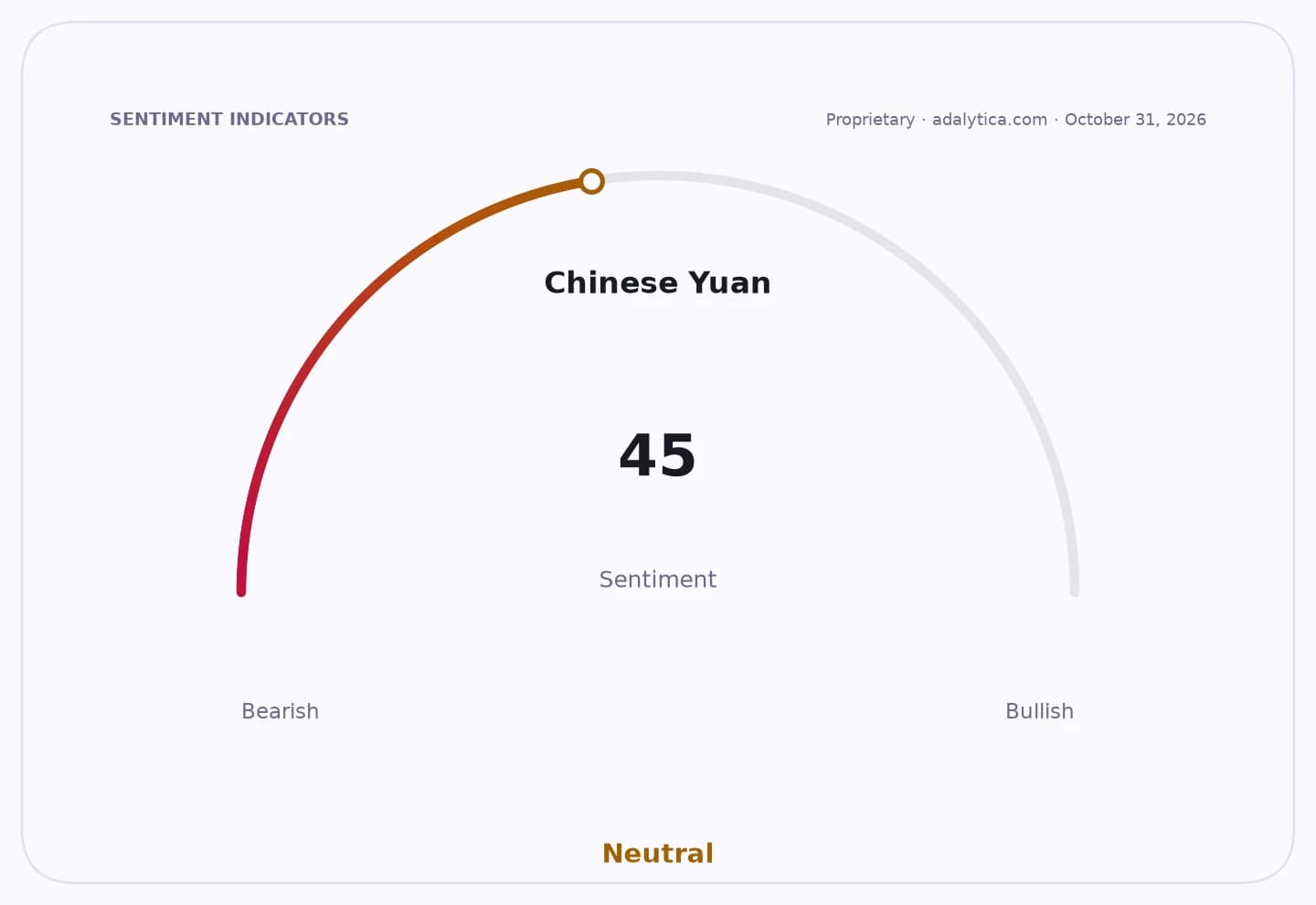
Sentiment Indicators
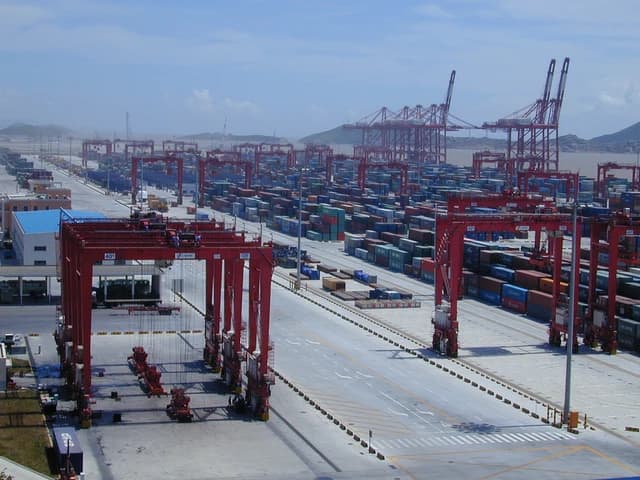
A senior official at the National Development and Reform Commission said on Oct. 20 that the recovery remains fragile, even after September exports jumped 36.3% from a year earlier, helped by semiconductors, autos and other technology goods. Official data released last week showed why Beijing is uneasy: gross domestic product rose 4.5% in the third quarter, industrial output increased 5.5% in September, but retail sales were up only 1.1% and fixed-asset investment fell 7.2% in the first nine months.
The split underscores what the NDRC calls “strong supply, weak demand.” China has built formidable industrial capacity through state coordination, private competition and scale, especially in electric vehicles, batteries and artificial intelligence-related manufacturing. But that strength is now feeding concerns that too much production is chasing too little demand, squeezing margins and encouraging “involution”-style competition.
Economic Growth Targets
For investors, that means the market story around China is no longer just about output growth or export share. It is about whether industrial winners can keep scaling without a broader consumer recovery, and whether Beijing can avoid policy support that merely adds more supply. That matters for Chinese equities, global commodities and multinational manufacturers competing against cheaper Chinese goods.
The pressure is also spilling abroad. The European Union and China this month reached a preliminary understanding to curb Chinese hybrid-car exports, while France and Germany are pushing for tougher trade-defence measures. That raises the odds that Chinese manufacturers will respond by building more capacity inside Europe rather than shipping more products from home, changing where goods are made even if dependence on Chinese inputs persists.
Beijing is signaling that it sees the risk. A five-year consumption plan approved in July covers household income, social security and services, while NDRC chairman Zheng Shanjie has pointed to more policy support. The Communist Party’s Fifth Plenum is expected to sharpen the debate over how to balance consumption, technological self-reliance and tighter party supervision of local officials, who have been central to investment but are also under fiscal strain from weak land revenues and rising debt.
The stakes are high for commodity markets and China-sensitive assets. Robust industrial activity supports demand for raw materials and supply-chain inputs, but a weaker consumer and growing trade friction could cap the durability of that demand. China-related exchange-traded funds have already reflected that uncertainty, with the FXI China large-cap ETF hovering below its 50-day moving average and under its 200-day moving average, while the MCHI China ETF remains well below both levels, signaling investor caution rather than conviction.
| Entity | Gains | Losses |
|---|---|---|
| Chinese exporters | ▲Higher overseas sales | ▼More trade resistance |
| Domestic households | ▲Potential policy support | ▼Weak confidence and spending |
| Global buyers | ▲Cheaper Chinese goods | ▼Local manufacturers facing pressure |
| Beijing policymakers | ▲Room to re-balance growth | ▼Risk of overcapacity and slower demand |